Newsletters




Three of the four chairs on the Regional Four (R4) side of the table came pre-wired with a mutual defense treaty. The fourth came with a visitor's badge.
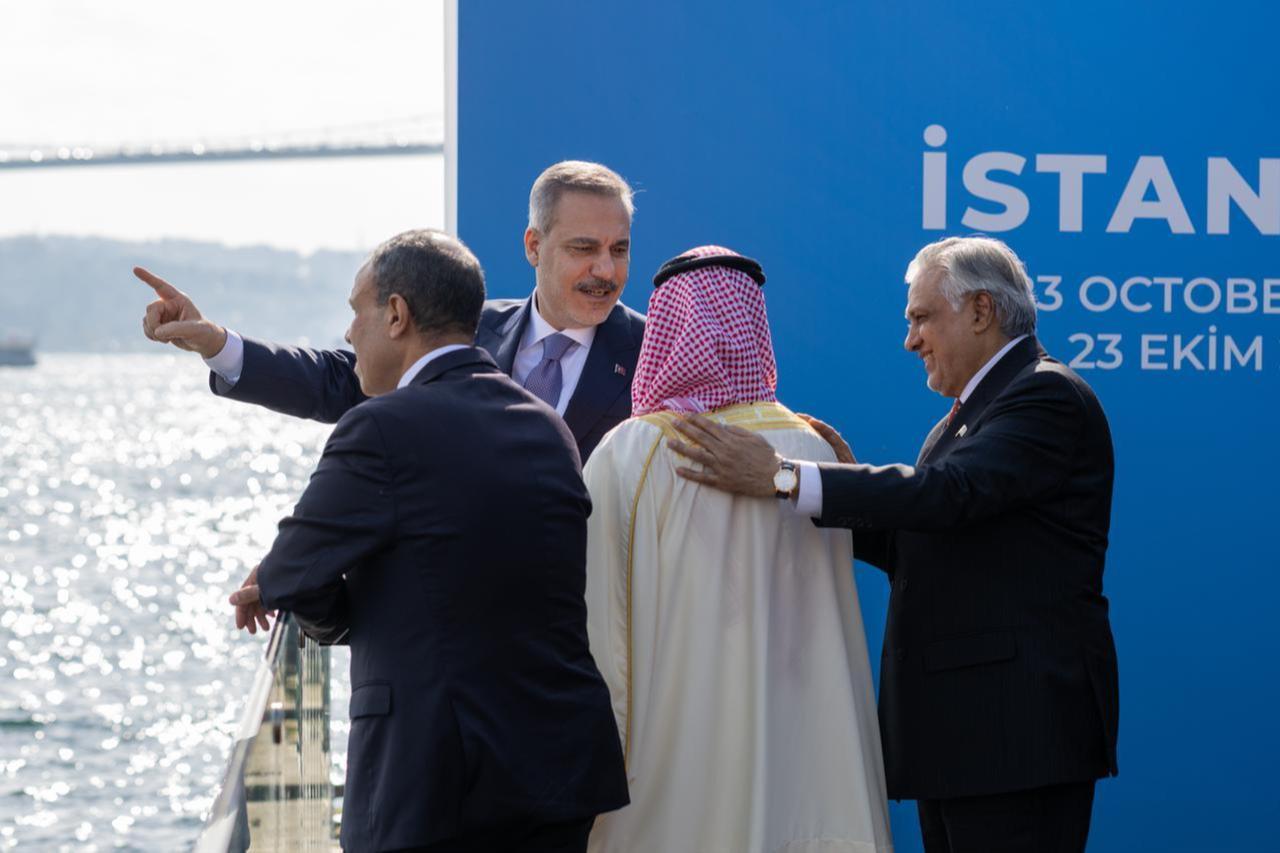
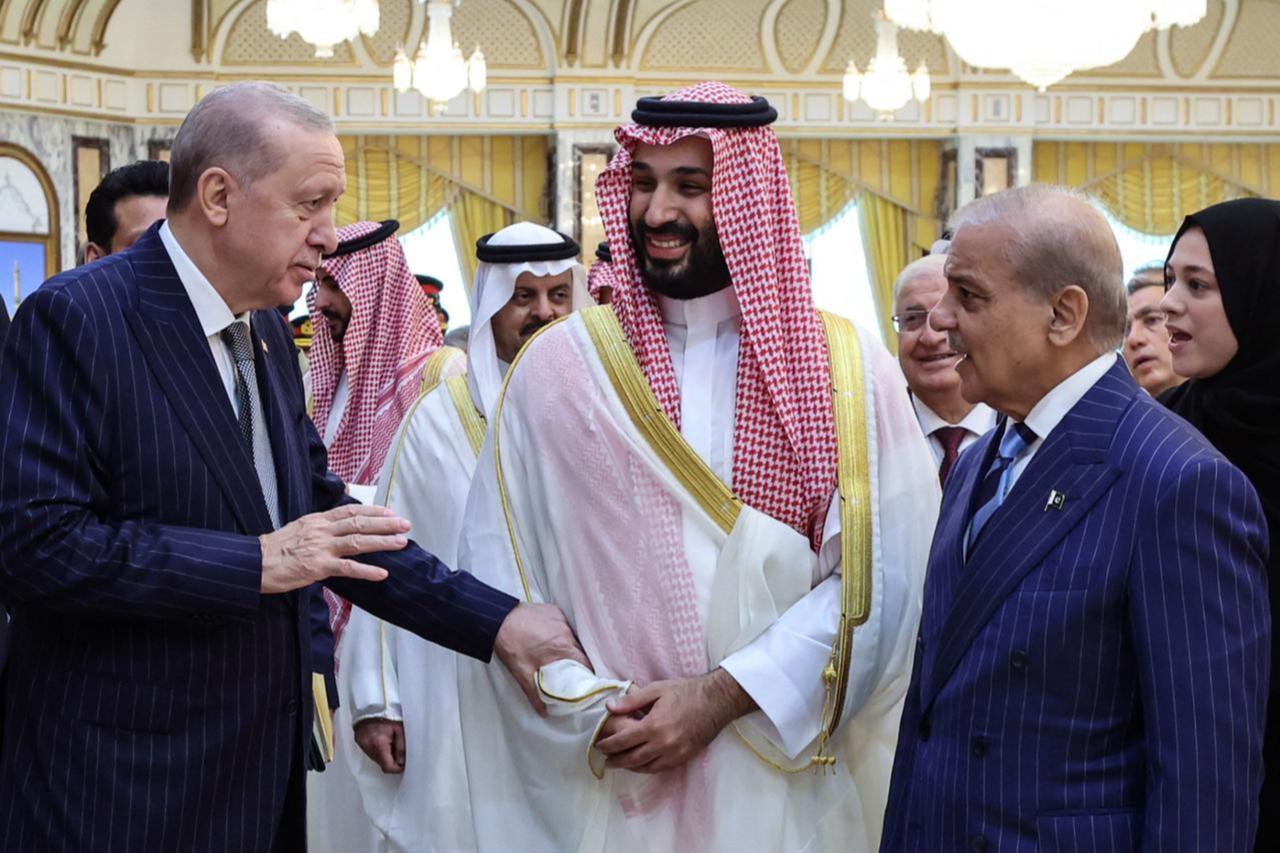
Eight foreign ministers gathered at an Istanbul hotel on Oct. 23 for the inaugural joint session of the R4 (Türkiye, Egypt, Pakistan, Saudi Arabia) and the E3 (Britain, France, Germany), with Italy ushered in at Türkiye’s initiative. Hakan Fidan hosted.
The R4 has convened half a dozen times since its ministers first huddled in Riyadh on March 18, most recently in New York on Sept. 21. Yet the marquee on the door read R4+E3, not "Mecca pact plus E3," even though three of the R4 are founding signatories to that very pact. The R4 is the version of the club where Egypt gets a seat without signing the contract.
This diplomatic sleight of hand raises the overarching strategic question facing Cairo: Is Egypt gradually warming to the idea of acceding to the Mecca pact via the R4 stepping stone, or has it engineered a diplomatic vehicle that preserves its strategic flexibility without entangling it in a formal military alliance?
 2 min read
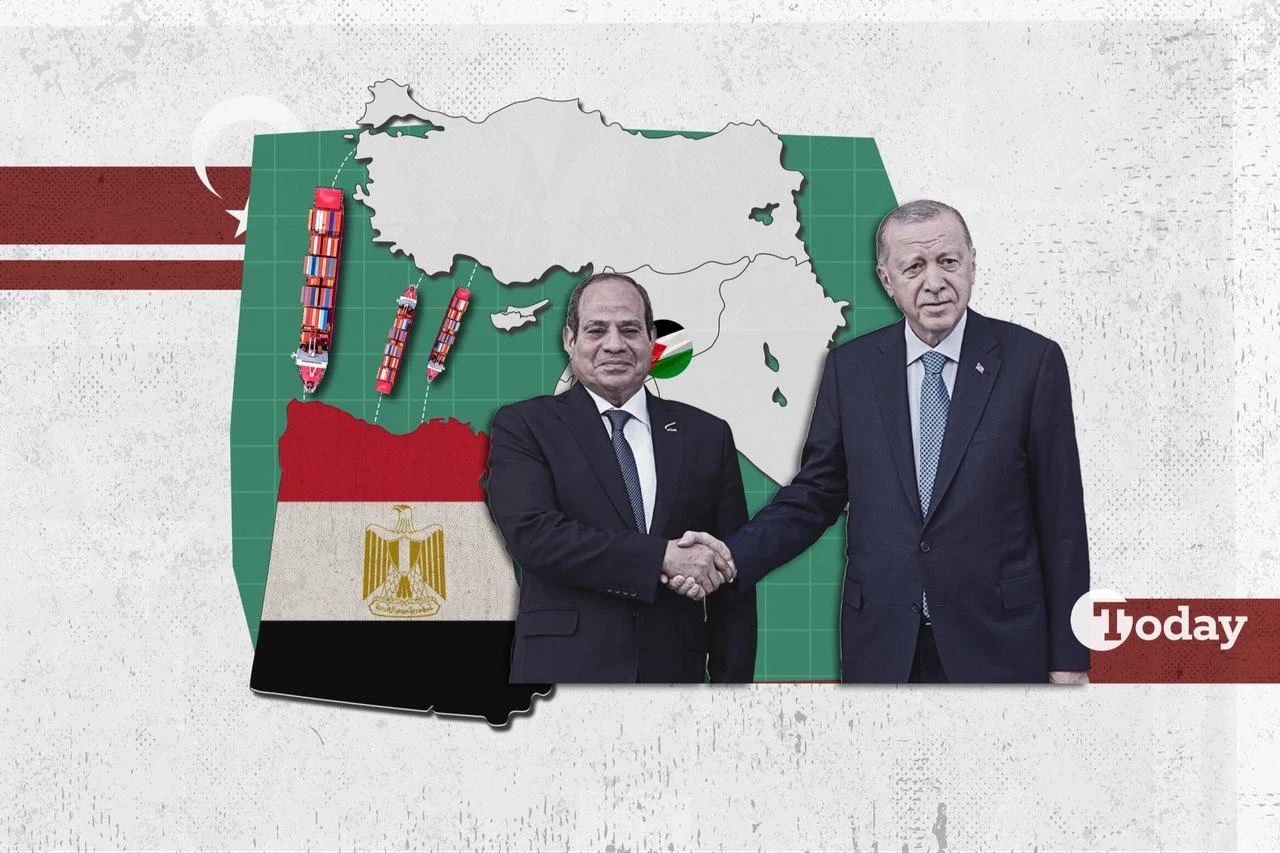
The Mecca Joint Defense Alliance contains a mutual defense clause modeled on NATO's Article 5. If one signatory is attacked, the others deploy force. Donald Trump has called the pact a "BIG, BOLD, IMPORTANT FIRST STEP" for regional security. Riyadh, Ankara and Islamabad are in. Cairo is not, and has said membership remains under active consideration. Nobody has said no, and nobody has named a date.
Mirette Mabrouk, a senior fellow at the Middle East Institute, says the absence surprises only outsiders. “Egypt doesn’t do pacts,” she says, and she separates pacts from joint military defense, which Cairo has always backed. In 2015 it proposed its own: a joint Arab force of about 40,000 troops, with jets, light armor and warships, headquartered in Cairo, and Gulf states rotating the leadership. It fell apart largely because the Arab world didn’t want it.
So why would Egypt stay at the front desk? Run the benefits list and see what is left to buy.
Capital comes first. Gulf capital already flows to Egypt without a signature on a collective defense agreement, from the Ras el-Hekma mega-investment to the remittances sent home by Egyptians working in the Gulf, which run above $12 billion a year. A treaty does not obviously raise that number, but it does add a liability.
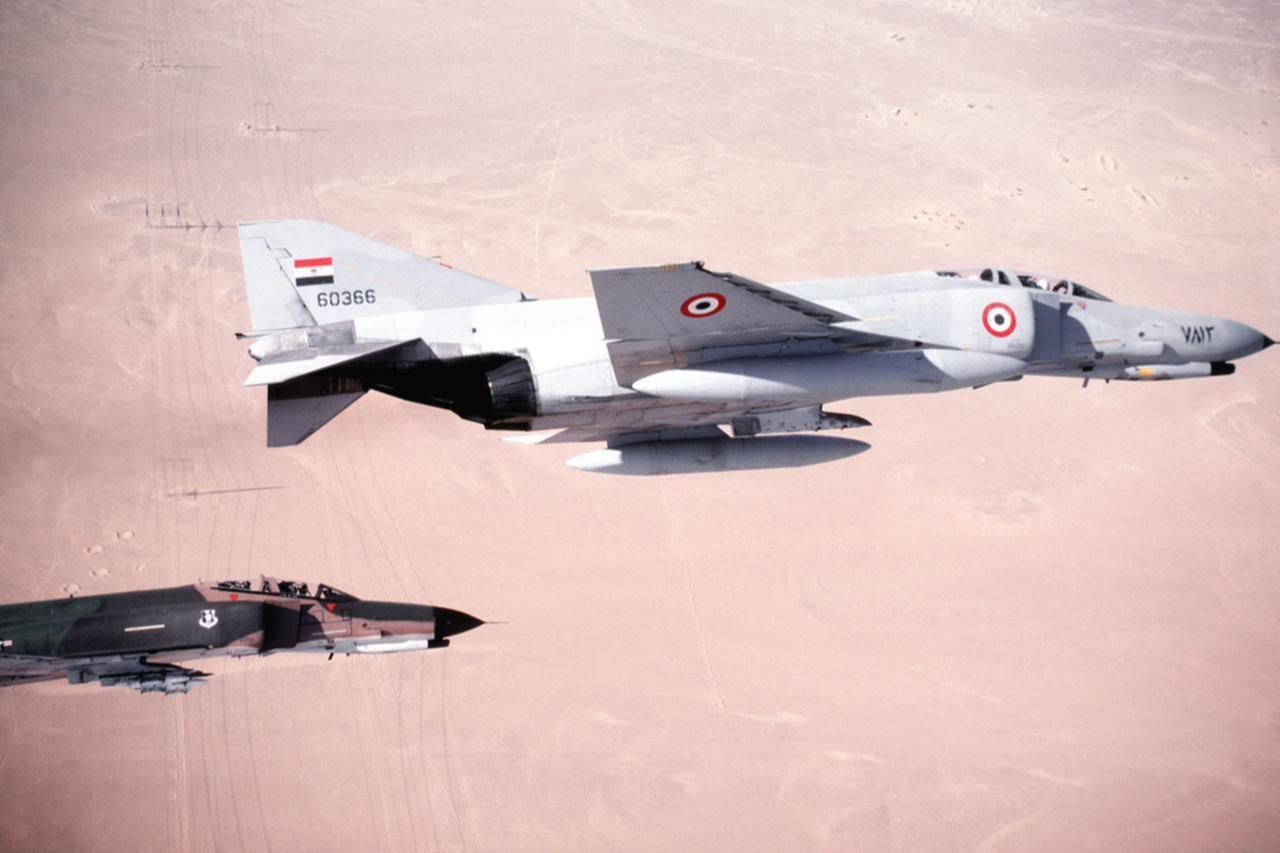
Hardware is a close second. Egypt can buy Turkish drones and run joint drills with Pakistani officers via bilateral handshake deals today. No Article 5 tripwires required.
The third item is the security umbrella, and here the clause cuts both ways. If Pakistan ended up in a serious fight in South Asia, or Türkiye in a clash in the Levant or the Mediterranean, Egypt, as a signatory, would be legally bound to turn up.
"Türkiye has problems with Greece and with Cyprus, both of which are extremely important to Egypt's energy concerns," Mabrouk points out.
Cairo has spent decades learning what it costs to be dragged into other people's wars. Yet it is not staying away from Saudi Arabia's defense entirely.
On Monday, Egypt's parliament authorized Abdel-Fattah el-Sisi to take "all necessary measures" to help the kingdom defend itself against the Houthis, a step that could put Cairo more directly into that fight. The difference is who decides. Under the treaty, the clause decides. Under the guest pass, Sisi does, and parliament signs off first.
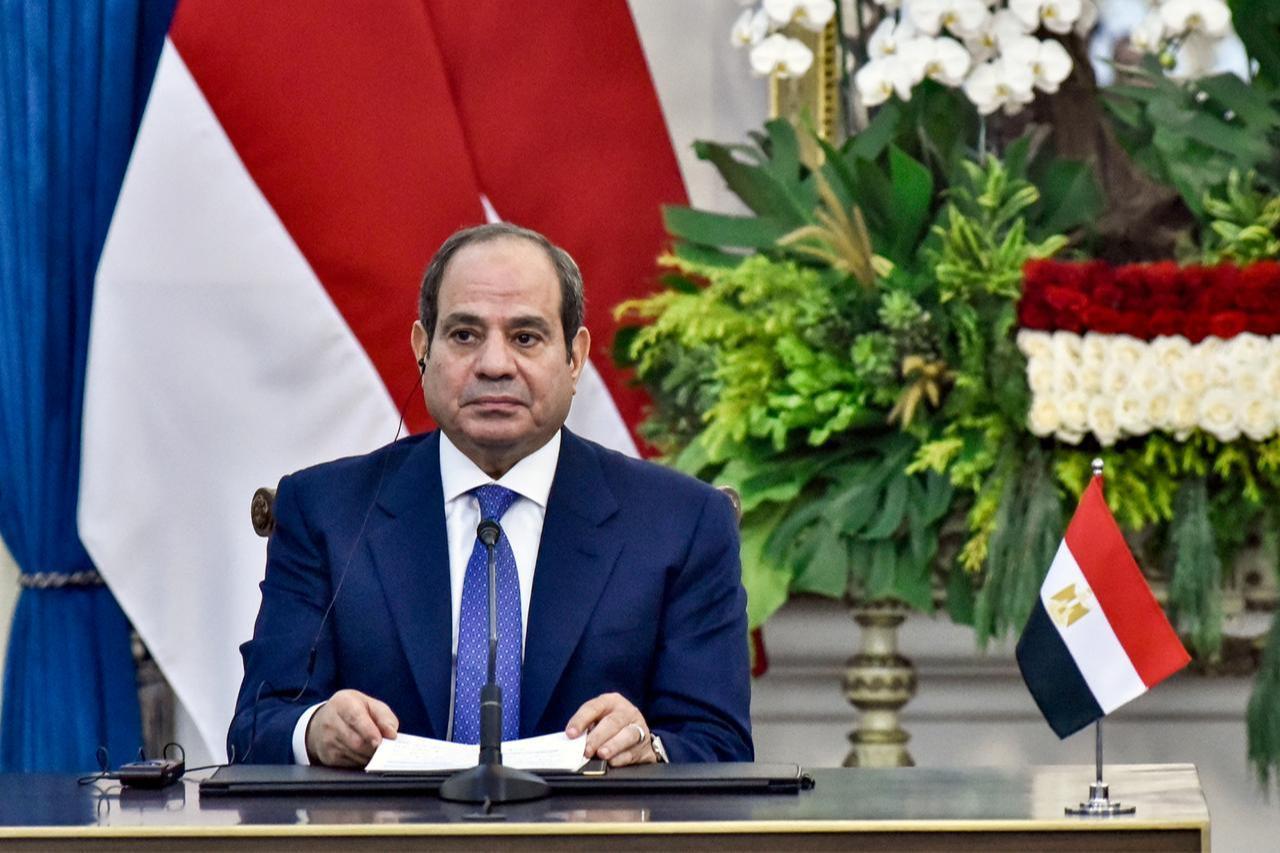

There is also the matter of seating. Egypt has long seen itself as the security anchor of the Arab world. The Mecca pact's political and operational leadership is shared among Riyadh, Ankara and Islamabad.
Joining would make Cairo an additional signatory to someone else's blueprint. The R4 asks less. Egypt gets a chair at the table where the drafts are discussed.
Which brings up Washington. Egypt receives $1.3 billion in U.S. military aid every year, and it borrows from Western institutions such as the IMF and the EU. Trump likes the pact.
A pact that reaches Israel's border by adding Egypt is a different object, and pro-Israel policymakers in Washington would be entitled to ask what it is for, since the pact's intentions are not spelled out for outsiders. A guest pass does not raise that question. A signature would.
What would make Cairo sign, then? Not an invasion. A foreign army marching into Egypt from the south is a remote prospect.
But the risks in the neighborhood might be the driving force. In the case of the pact, what made the core countries of the agreement move were the security developments and new research as a result of that tumult.
Currently, Sudan’s civil war runs along Egypt’s southern border, and the Somalia-Ethiopia tension keeps a second fuse burning in the Horn of Africa. If the two ever merge to become a source of greater instability in the region, the Egyptian army would not be watching from the stands. It would be a party to the fight, with its southern flank burning and the Red Sea behind it.
If the fallout from American domestic politics trickles down to Cairo, or if Egypt finds its traditional financial safety net fraying, it would have little choice but to pivot and shop around for new partnerships.
Cairo does not rule out joining. Ankara and Riyadh do not press. Washington has praised the pact and has not been asked, publicly, what it thinks of a bigger one. Everyone is being polite about a door that nobody has locked and nobody has walked through.
A guest pass has one useful property: from the lobby, nobody can tell who signed and who did not. Egypt gets the Gulf's backing, the Turkish and Pakistani coordination and a place in the European photograph. It also keeps the right to decide, on any given morning, whether to show up.


 Set as preferred source
 Set as preferred source


 1 min read