Newsletters


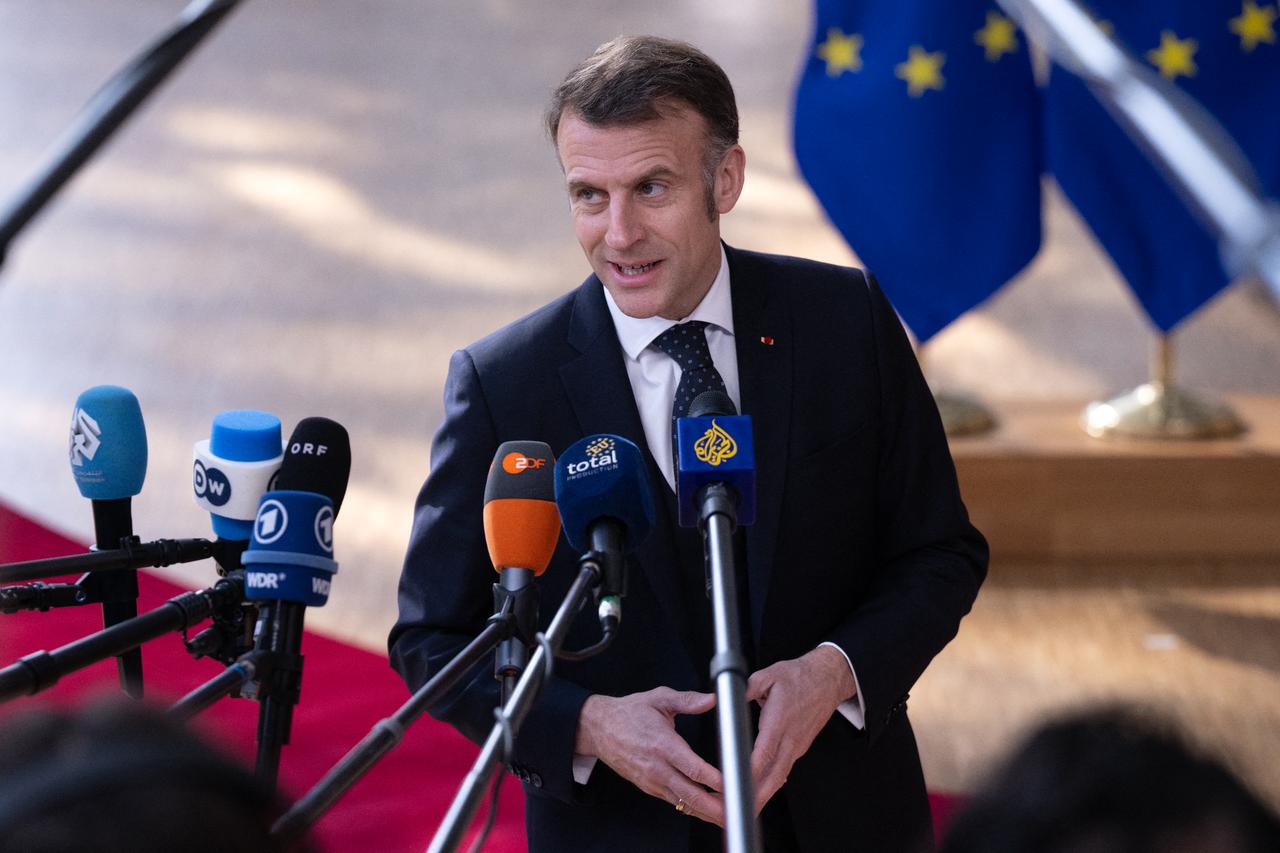


French President Emmanuel Macron called for an immediate halt to strikes on civilian infrastructure and urged renewed diplomacy between the United States and Iran on Thursday, while Iran’s foreign minister accused him of showing double standards over the conflict.
Macron wrote on X that he had spoken with the Emir of Qatar and U.S. President Donald Trump following the strikes that hit gas production facilities in Iran and Qatar, adding that civilian populations and essential services, as well as energy supply security, must be protected from further military escalation.
"It is in our common interest to implement, without delay, a moratorium on strikes targeting civilian infrastructure, particularly energy and water supply facilities," he said.
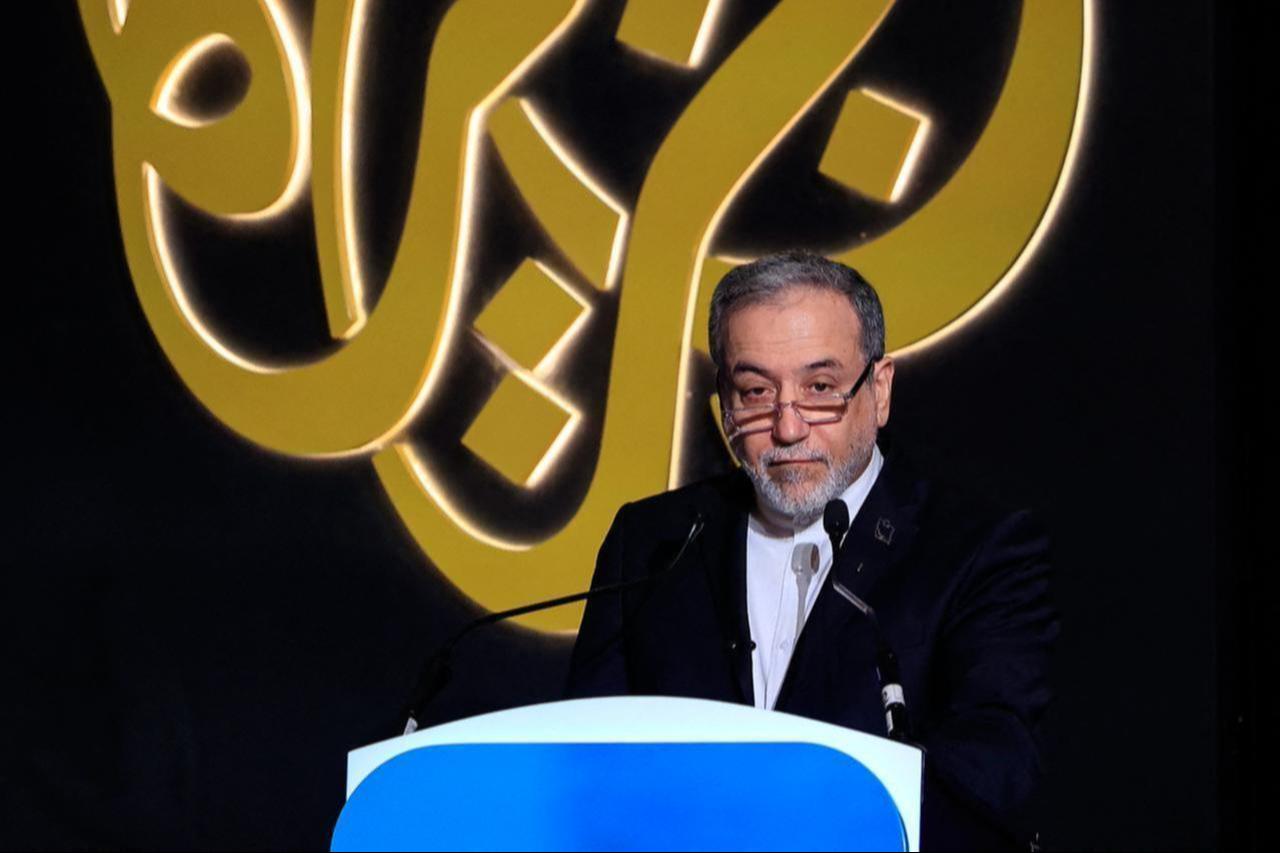
Iran’s Foreign Minister Abbas Araghchi responded by criticizing Macron’s stance, saying Macron’s concern followed Iran’s response rather than the initial attacks, adding that French officials had not condemned earlier strikes on Iranian fuel storage facilities on March 7.
"He has not uttered one word of condemnation of the Israel-US war on Iran," Araghchi said.
"His current 'concern' didn't follow Israel's attack on our gas facilities. It follows our retaliation. Sad," he added.
Speaking at European Union meetings in Brussels later on Thursday, Macron said targeting energy production capacity risks extending the war’s impact beyond the region and stressed the need for Washington and Tehran to engage diplomatically.

The exchange comes as the conflict increasingly centers on oil and gas infrastructure.
The latest escalation followed an Israeli strike on Iran’s South Pars gas field on the previous day, marking the first direct hit on upstream energy infrastructure in Iran since the war began.
The field, located in Bushehr province, is the world’s largest natural gas reserve and a key source of the country’s domestic supply.
The attack forced at least two refineries with a combined capacity of around 100 million cubic meters per day to halt operations.
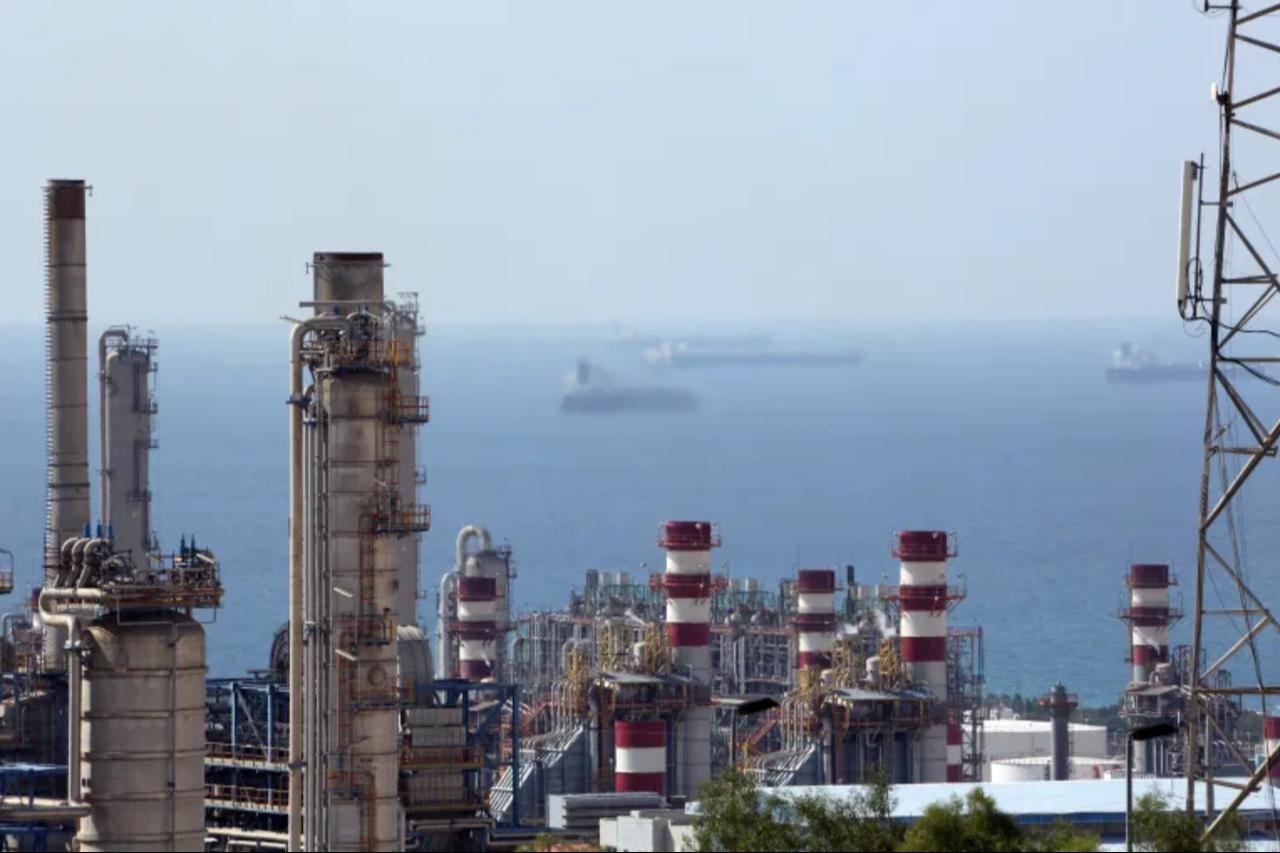
Following the South Pars strike, Iran launched missile and drone attacks targeting energy facilities across the Gulf, including sites in Qatar, Kuwait, and Saudi Arabia.
Qatar’s Ras Laffan, the world’s leading liquefied natural gas (LNG) export hub, had already halted production earlier in the conflict after a previous Iranian strike and was hit again, with fires breaking out at its facilities and causing notable damage.
Following the incident, European gas futures at the Dutch TTF hub moved above €70 ($80.15) per megawatt-hour, up 35%.
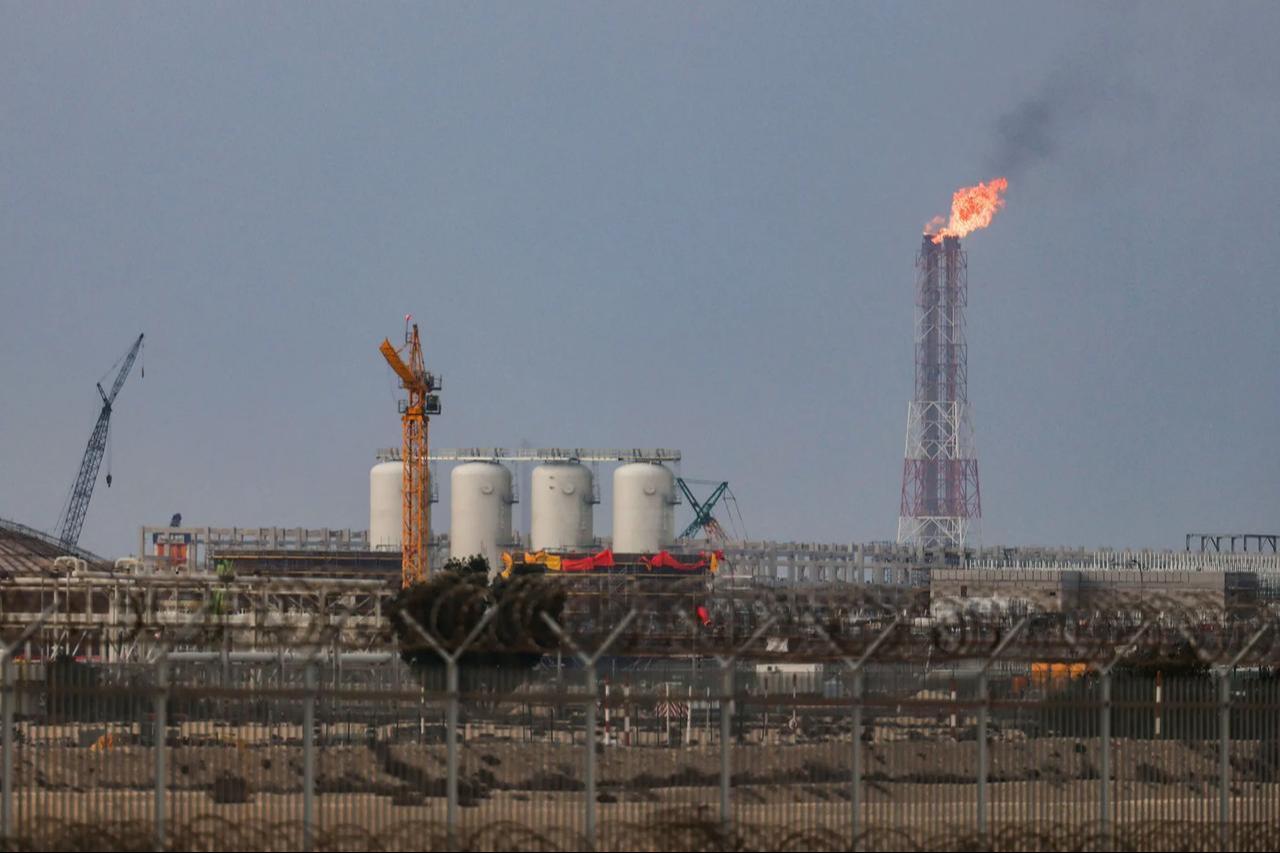
Meanwhile, U.K. Prime Minister Keir Starmer condemned the Iranian strike on Qatar’s gas facility, calling it a serious escalation.
"We are working towards a swift resolution to the situation in the Middle East, in the best interests of the British people, because there is no question that ending the war is the quickest way to reduce the cost of living," he said.
Separately, Oman’s foreign minister, Badr Albusaidi, said a negotiated deal between the United States and Iran to avoid war had recently been within reach, placing blame for the current conflict on Israel.
Writing in The Economist, Albusaidi described the war as a "catastrophe" and said the administration of U.S. President Donald Trump had "lost control of its own foreign policy."
He added that Washington and Tehran had been "on the verge of a real deal" on Iran’s nuclear program twice in the past nine months, including in June last year, before the process collapsed following Israeli and U.S. attacks on Iran.
The conflict began on Feb. 28 with joint U.S.-Israeli strikes on Iran, targeting multiple sites across the country, including military positions and energy-related infrastructure, and killing Supreme Leader Ali Khamenei.
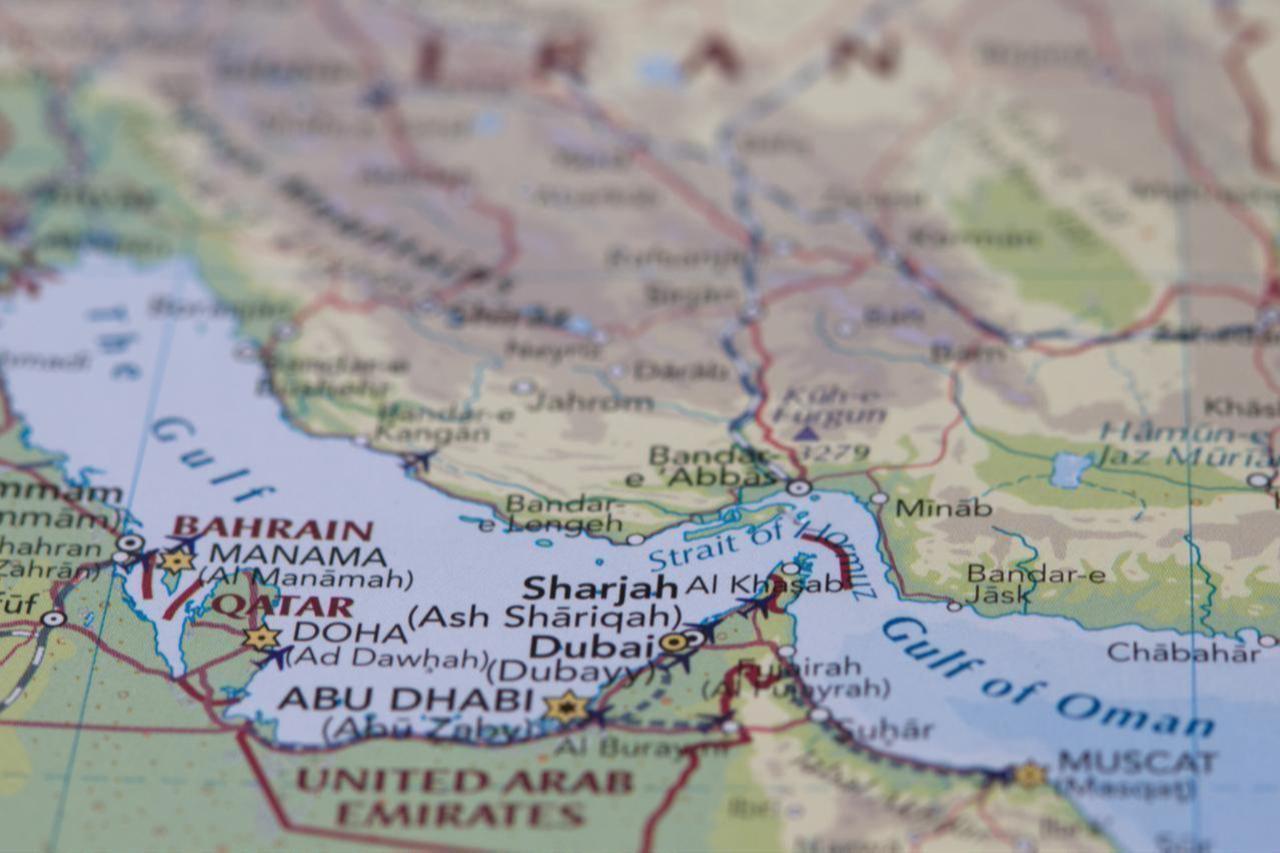
Iran retaliated with missile and drone attacks across Gulf countries hosting U.S. bases and moved to close the Strait of Hormuz, a critical energy transit route that carries around 20% of global oil flows.


 Set as preferred source
 Set as preferred source


 1 min read
 1 min read