Sign in
 Newsletters


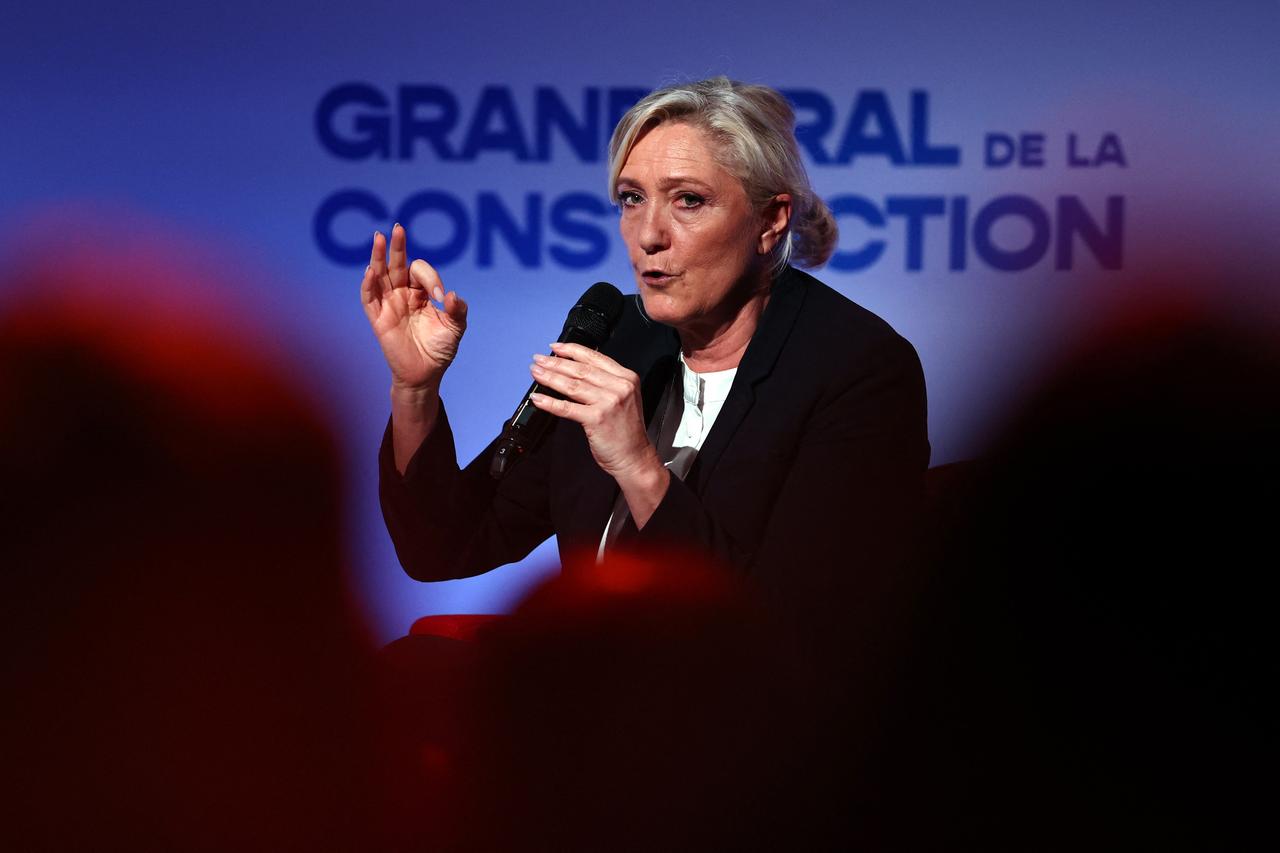


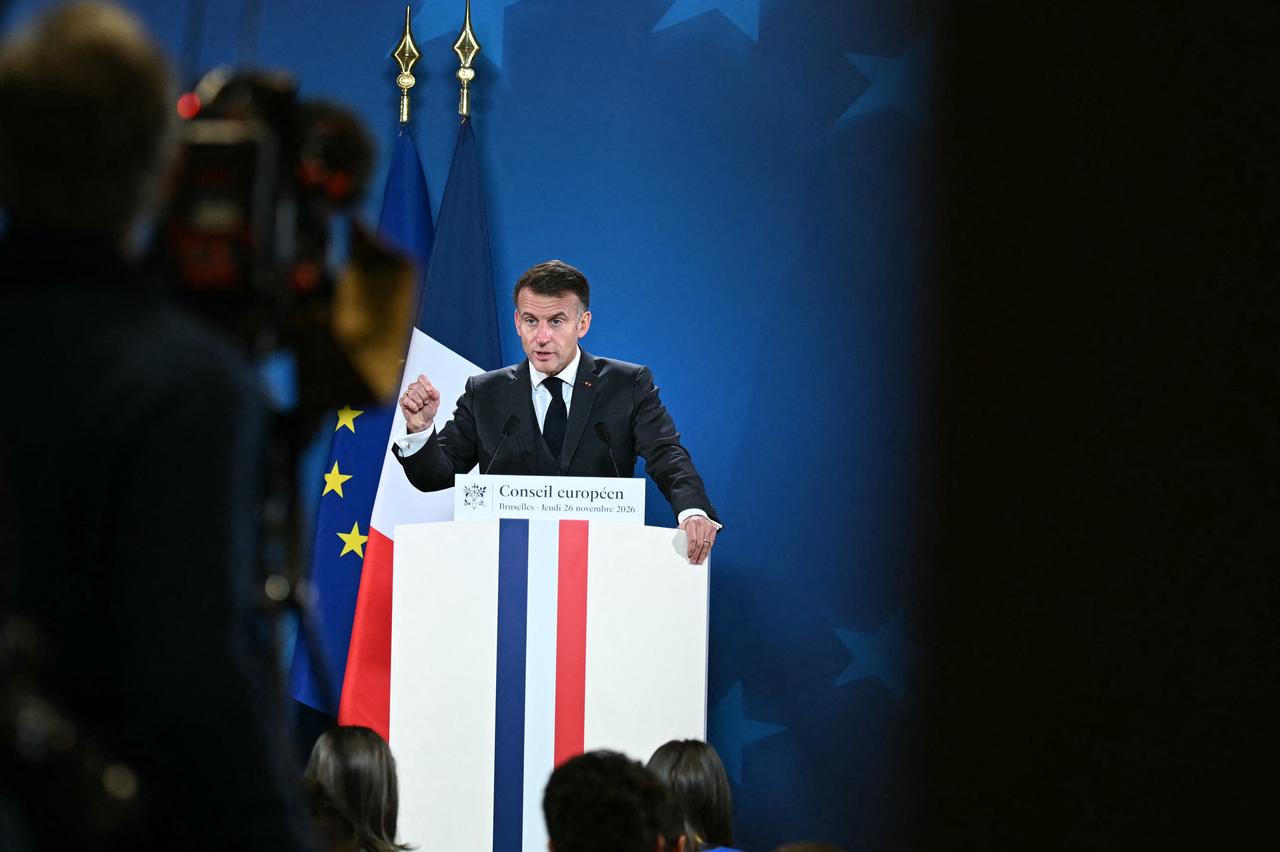
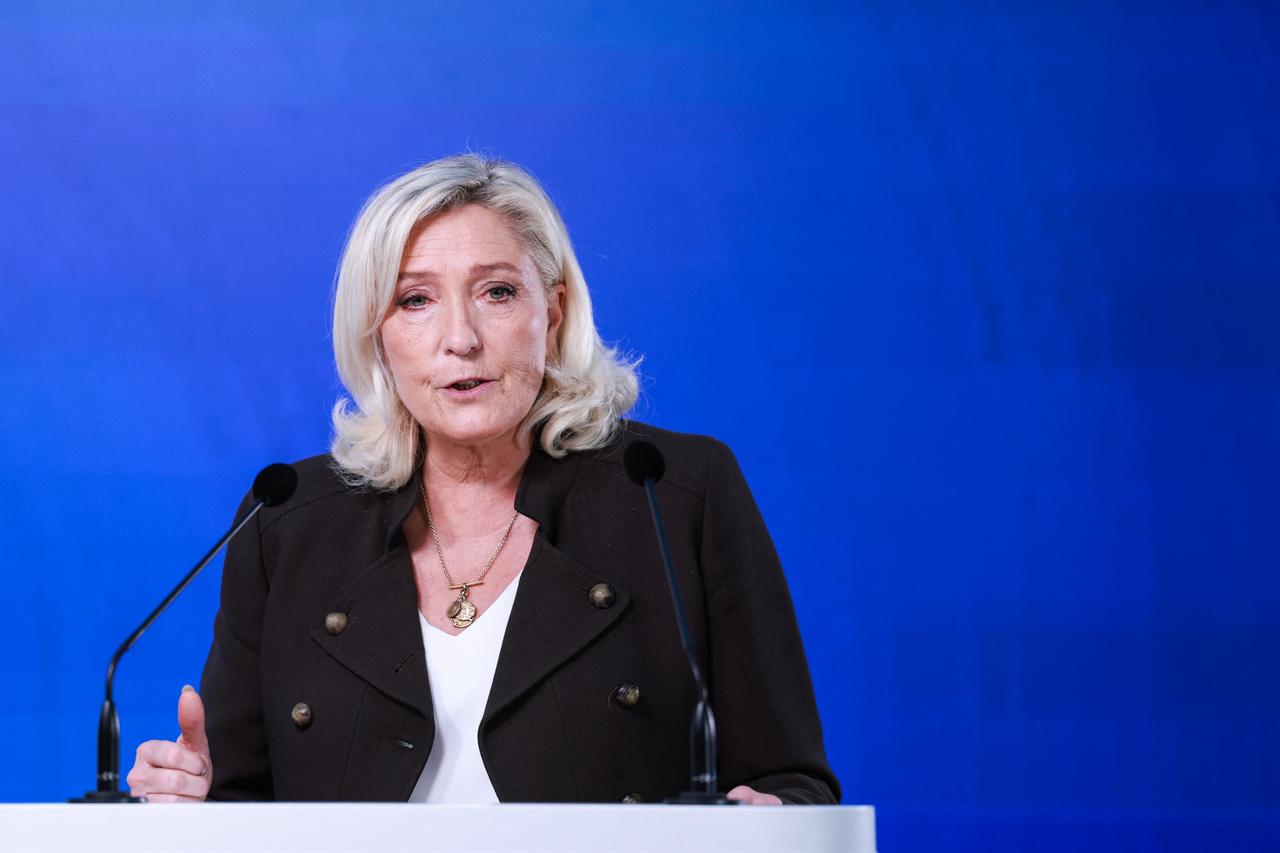
French President Emmanuel Macron accused far-right leader Marine Le Pen of "arrogance" Thursday after she criticized efforts to finalize the European Union's next seven-year budget before France's 2027 presidential election, as a Brussels summit ended without a breakthrough.
The confrontation came after more than 12 hours of negotiations among EU leaders failed to resolve disagreements over the bloc's 2028-2034 budget, raising doubts about whether a deal could be reached before the end of the year.
Le Pen, a leading contender in next year's French presidential election, accused Macron and EU officials of trying to push through a long-term spending agreement before French voters could choose their next president.
She denounced the effort as "underhanded political manoeuvring to thwart the democratic will of the French people."
Macron rejected the criticism on the sidelines of the summit.
"It is an odd kind of arrogance to behave as if she is already in charge of France's destiny because, as things stand, she has not been elected," Macron said.
The French president has warned that he could withdraw from budget negotiations if no agreement is reached before 2027, when elections across several European countries could further complicate the process.
German Chancellor Friedrich Merz acknowledged the lack of progress but said he remained hopeful that an agreement could be reached when EU leaders meet again in December.
"We are not there yet," Merz told reporters, adding that he had "not given up hope" for a deal at the Dec. 17 summit.

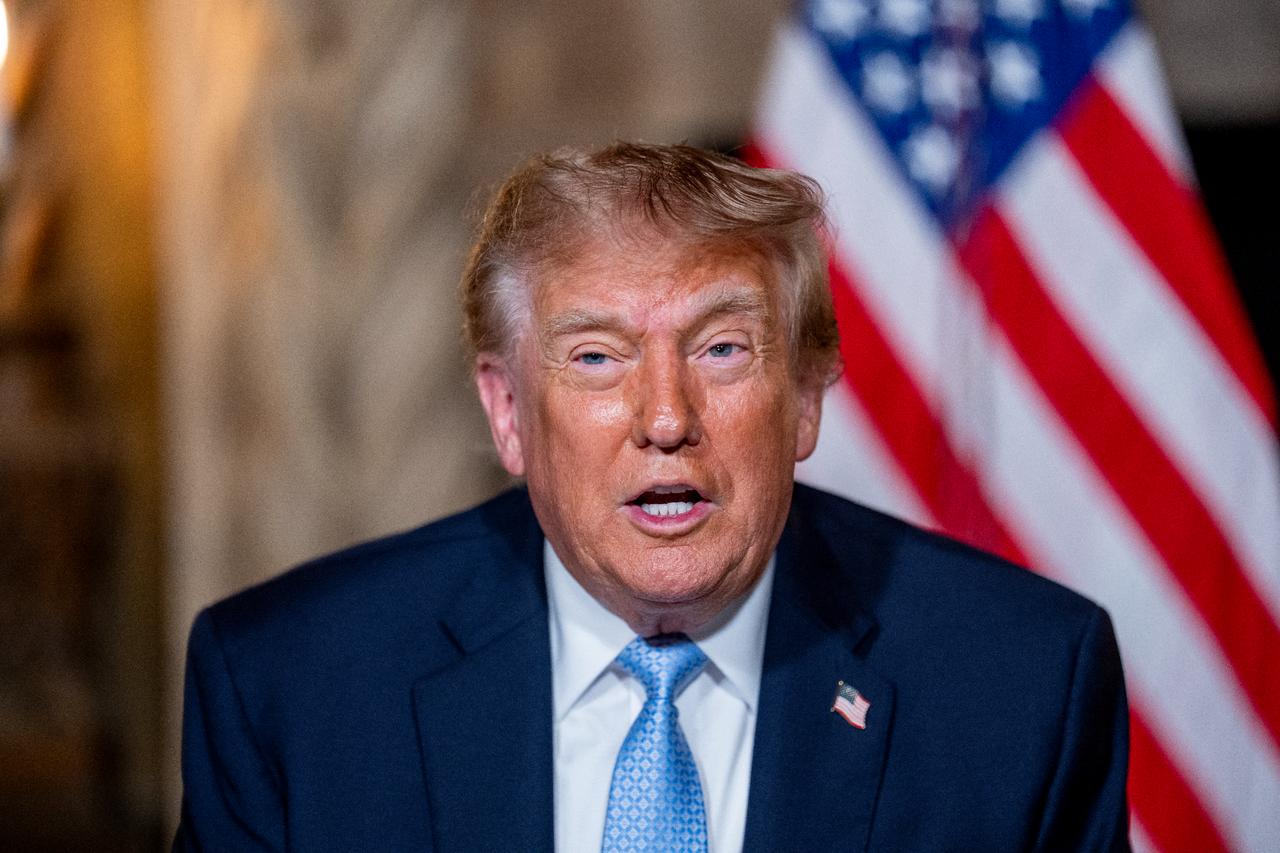
The European Union has spent much of 2026 debating the size and priorities of its next long-term budget after the European Commission proposed a spending package worth approximately €2 trillion.
European Council President Antonio Costa sought to bridge disagreements by proposing €204 billion ($224 billion) in spending cuts and a new tax on digital companies.
However, the revised proposal failed to satisfy competing demands from member states.
Germany, the Netherlands and other members of the so-called "Sensible Seven" group have pushed for a smaller budget, arguing that spending must be restrained.
Merz reiterated Germany's demand for further reductions, while several like-minded countries skipped the summit's final meetings to express dissatisfaction with the negotiations.
Meanwhile, 17 southern, central and eastern European countries belonging to the "Friends of Cohesion" group have demanded stronger protection for agricultural subsidies and regional development funding.
Hundreds of farmers demonstrated outside the summit as leaders debated the future of agricultural spending.
Macron criticized the proposed cuts, describing them as a "strategic error" that could weaken Europe's ability to compete economically with China and the United States.
France has opposed reductions in agricultural support and argued that the EU needs greater financial resources to address growing economic and security challenges.
Costa sought to downplay the divisions, describing the meeting as "a necessary step" toward an eventual agreement.
"Everyone had to show they did not agree, and stage a bit of political theatre," one EU diplomat said.
The negotiations were further complicated by disagreements over additional financial assistance for Ukraine.
EU leaders are considering a €45 billion ($49 billion) loan to support Kyiv's financial needs through 2027, but the Czech Republic, Hungary and Slovakia are seeking exemptions from participating.
The three countries previously opted out of a similar EU loan arrangement.
Merz has linked progress on the long-term budget to an agreement ensuring that all 27 EU members contribute to Ukraine's financial support.
"I stand by my position that aid for Ukraine must be borne by the entire European Union," the German chancellor said.
The dispute has added another obstacle to negotiations already strained by competing national spending priorities and the approaching French election.
Austrian Chancellor Christian Stocker dismissed suggestions that EU leaders should rush an agreement because of the possibility of a Le Pen presidency, saying he was "certainly not afraid of an election in France."
Italian Prime Minister Giorgia Meloni similarly said she saw "no hard deadline" for reaching a deal.
With France and Germany pressing for an agreement before the end of 2026, EU leaders now face another round of negotiations in December over a budget that will shape the bloc's spending priorities through 2034.


 Set as preferred source
 Set as preferred source


 1 min read

 1 min read