Newsletters


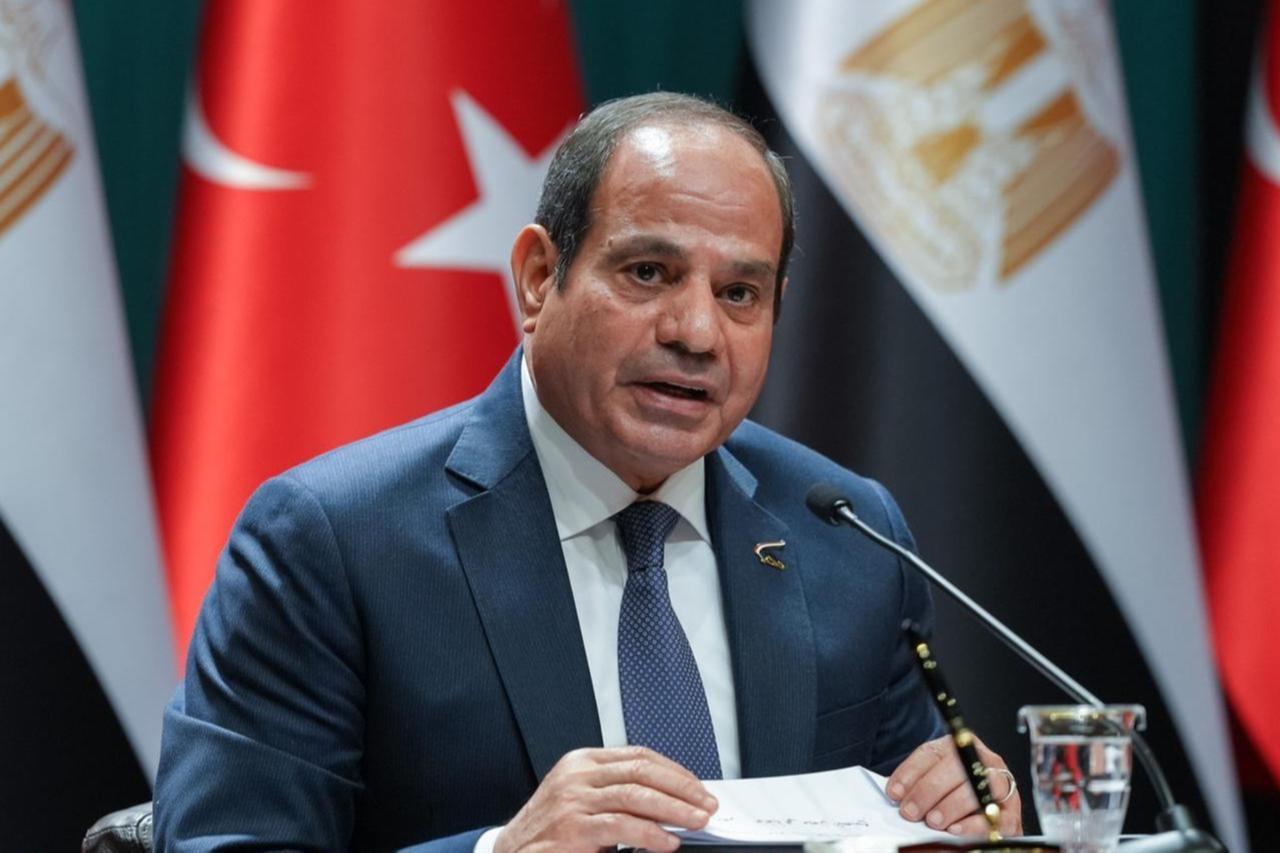


Egypt's President Abdel Fattah al-Sisi swore in new ministers Wednesday in a limited cabinet reshuffle that included a last-minute switch of the defence minister.
The cabinet, Prime Minister Mostafa Madbouly's latest in his eight-year tenure, was approved the day before by parliament.
But at the Wednesday morning swearing in ceremony, Sisi named a new defence minister, General Ashraf Salem Zaher, the former head of the Egyptian Military Academy.
He succeeds General Abdelmeguid Saqr, and will lead a merged ministry for defence and military production -- the latter previously its own entity governing Egypt's sizable military economy.
The shake-up mainly targeted economic and service portfolios, as the country seeks to chart a way out of years of crisis.

Sisi has directed the cabinet's economic ministries to work on reducing public debt, according to a statement from his office that pointed specifically to "the International Monetary Fund program nearing its end this year".
Egyptian public debt has ballooned in the past decade, registering $161 billion last fiscal year, according to central bank figures.
As part of an $8 billion loan from the IMF, a long-delayed state privatisation plan aims to decrease the military's hold on the economy.
Sisi has tasked the cabinet with "continuing to implement the state ownership policy", with the goal of "increasing private sector participation", according to his office.
He has also scrapped the ministry of planning, economic development and international cooperation, which was helmed by Rania al-Mashat -- an economist who has been a fixture of Sisi's administration, in different roles, since 2018.
Former World Bank specialist Ahmed Rostom has been named minister of planning, while Mahmoud Helmy al-Sherif has been appointed to the justice ministry.
The reshuffle also appointed Diaa Rashwan, head of the State Information Service, as state minister for information, the first in five years.
Former handball champion and three-time Olympian Gohar Nabil has been named Egypt's new minister for youth and sport.
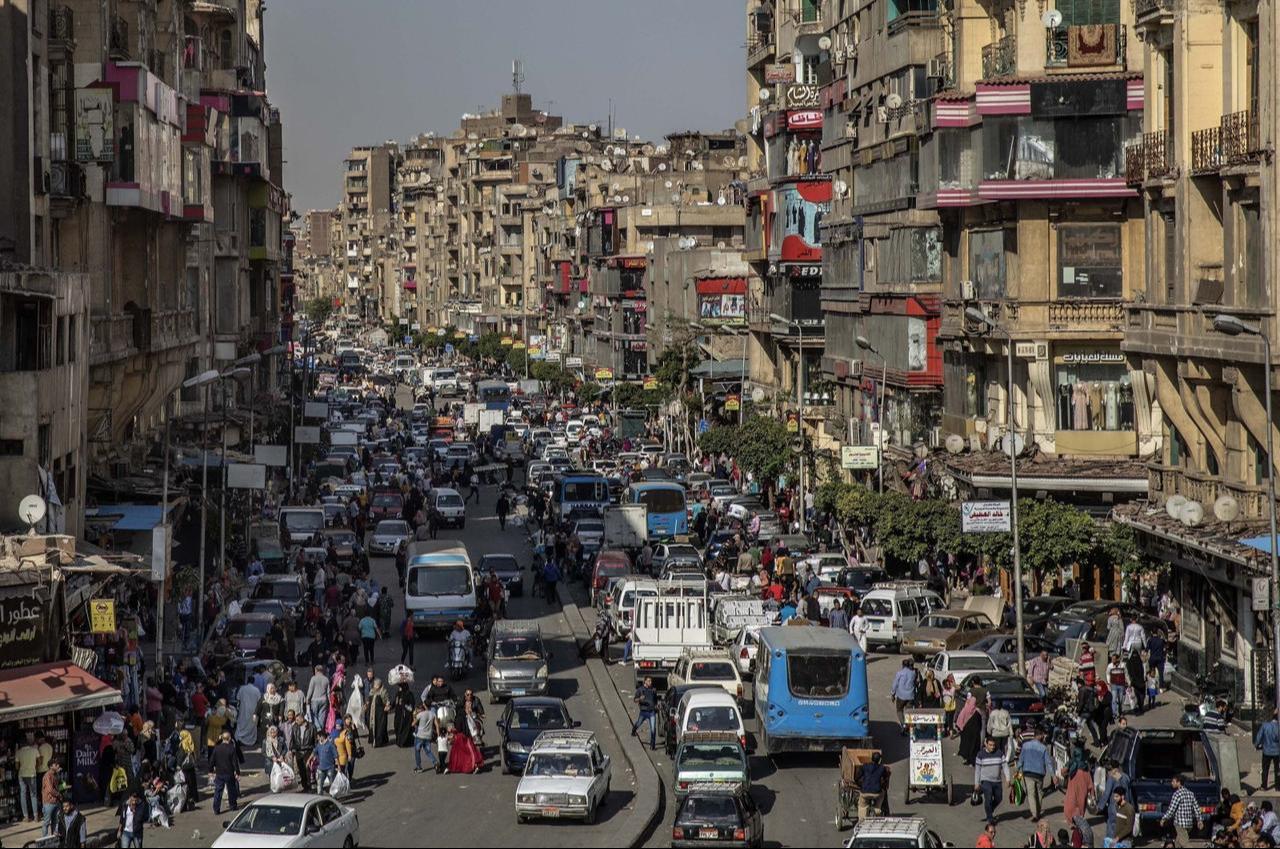
The Arab world's most populous nation has struggled under the weight of successive economic shocks, including five currency devaluations in a decade.


 Set as preferred source
 Set as preferred source


 4 min read