Newsletters





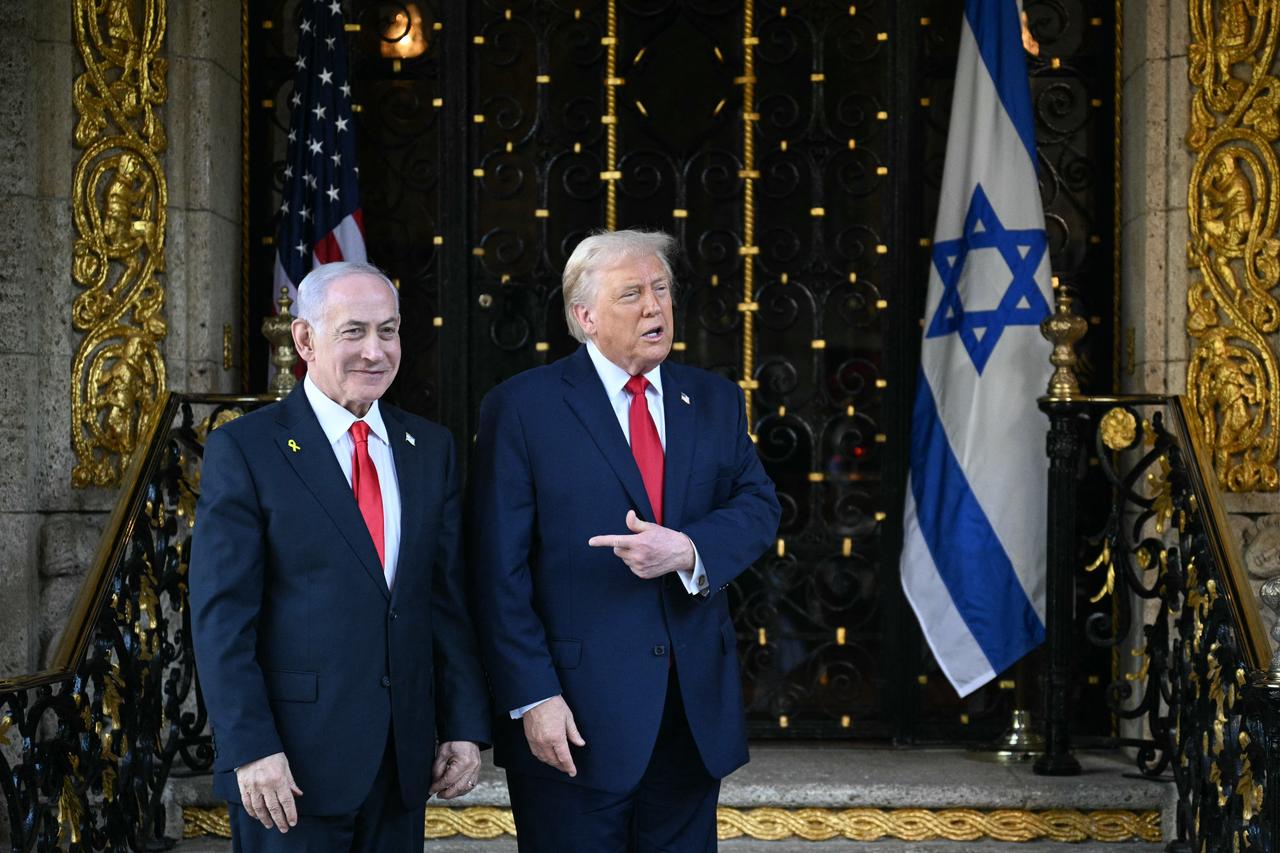
U.S. President Donald Trump said late Tuesday that he opposes Israeli annexation of the occupied West Bank, as European leaders intensified criticism of Israel’s recent cabinet decisions.
Asked during an interview with Axios about recent steps approved by Israel's Security Cabinet, Trump declined to address specifics but stated his opposition clearly.
"I am against annexation," Trump said.
"We have enough things to think about now. We don't need to be dealing with the West Bank," he added.
The statement represents a notable stance from the U.S. president, who has otherwise maintained strong support for Israel.


In a joint statement on Wednesday, EU foreign policy chief Kaja Kallas and Commissioners Dubravka Suica and Hadja Lahbib criticized Israel's unilateral steps as harmful to peace efforts.
"The new steps approved by Israel's security cabinet for the West Bank are counterproductive and incompatible with international law," the statement said.
The EU warned the steps risk "undermining ongoing international efforts" aimed at stabilization and peace in the region.
The bloc reiterated its long-standing position of non-recognition of Israel's sovereignty over territories occupied since June 1967, in line with relevant U.N. Security Council resolutions.
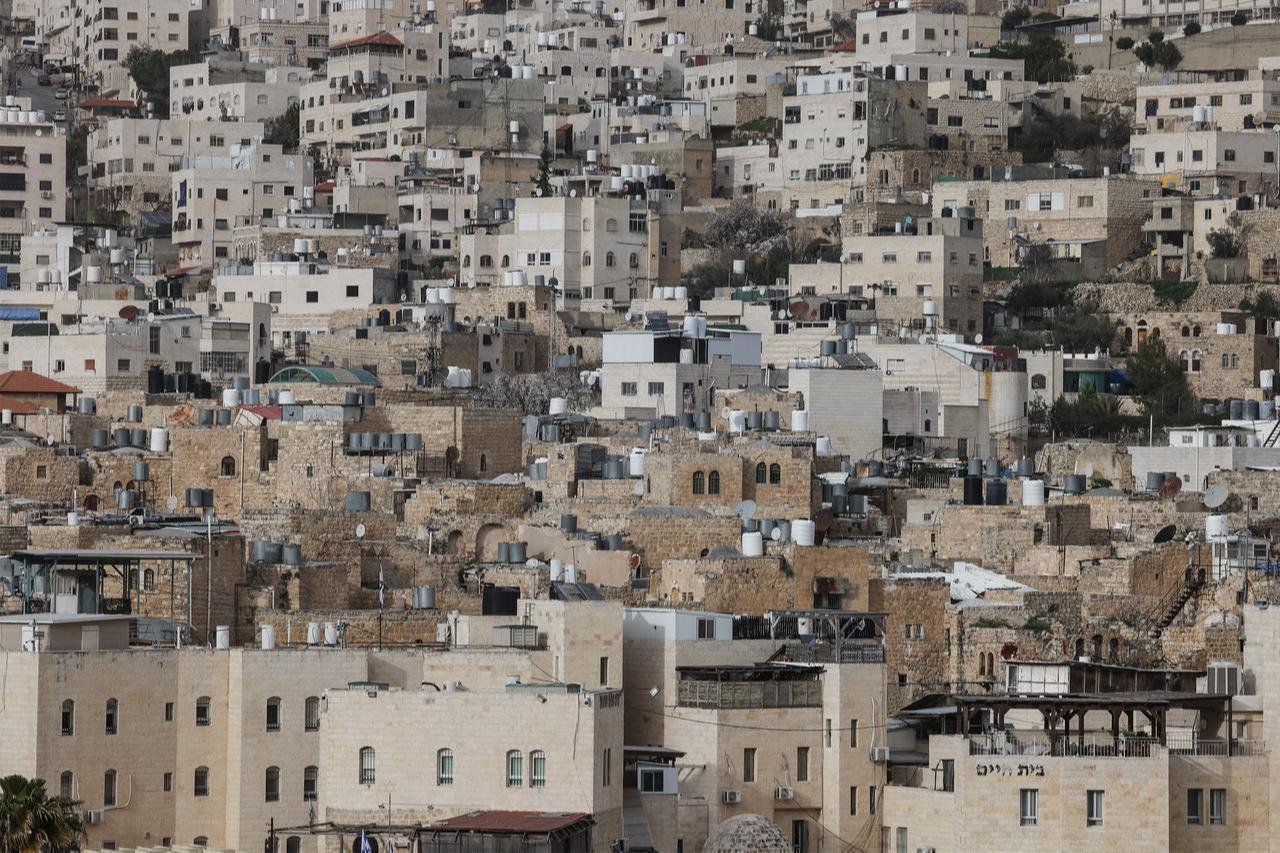
The EU also warned that decisions affecting implementation of the Hebron Protocol between Israel and the Palestinian Authority could endanger "the sensitive status quo at religious sites."
Multiple European countries issued their own condemnations of the Israeli measures.
Germany's Foreign Ministry said the announcement "contravenes Israel's obligations under international law and represents a further obstacle on the path to a two-state solution."
The U.K. Foreign Office stated: "Any unilateral attempt to alter the geographic or demographic make-up of Palestine is wholly unacceptable and would be inconsistent with international law. We call on Israel to reverse these decisions immediately."
France's Foreign Ministry said the measures constitute "a serious blow to the two-state solution," stressing that "at a time when international efforts are focused on implementing the second phase of the Gaza peace plan, these decisions undermine ongoing peace efforts and risk fueling tensions."
Spain's Foreign Ministry said the Israeli decisions alter the status quo in the West Bank and undermine the territorial and political unity of a Palestinian state based on the 1967 borders.
Belgian Foreign Minister Maxime Prevot said such measures are "contrary to international law, UN Security Council Resolution 2334 and the advisory opinion of the International Court of Justice."
Dutch Foreign Minister David van Weel urged Israel not to implement its recent decisions, which "increase tensions at a moment of unprecedented international efforts for peace and stability in the region."
Switzerland's Foreign Ministry said it "strongly condemns" the approved measures, highlighting that Israeli "settlement activities are illegal under international law."

On Sunday, Israel's Security Cabinet ordered measures that expand Israeli control in the West Bank, including repealing a law barring the sale of Palestinian land to Jews, unsealing land ownership records, and transferring building permit authority in a Hebron settlement bloc from the Palestinian municipality to Israel's civil administration.
The measures also expand Israeli oversight and enforcement into areas classified as Area A and Area B, citing alleged violations related to unlicensed construction, water issues and damage to archaeological and environmental sites.
Over the past three years, the Israeli government has reviewed plans for building around 50,000 settlement units in the West Bank, in addition to the confiscation of 60,000 dunams (14,826 acres) of land since the beginning of the war with Hamas in October 2023.
The International Court of Justice declared Israel's occupation of Palestinian territory illegal in a landmark opinion in July 2024 and called for the evacuation of all settlements in the West Bank and East Jerusalem.


 Set as preferred source
 Set as preferred source


 2 min read
 1 min read