Newsletters


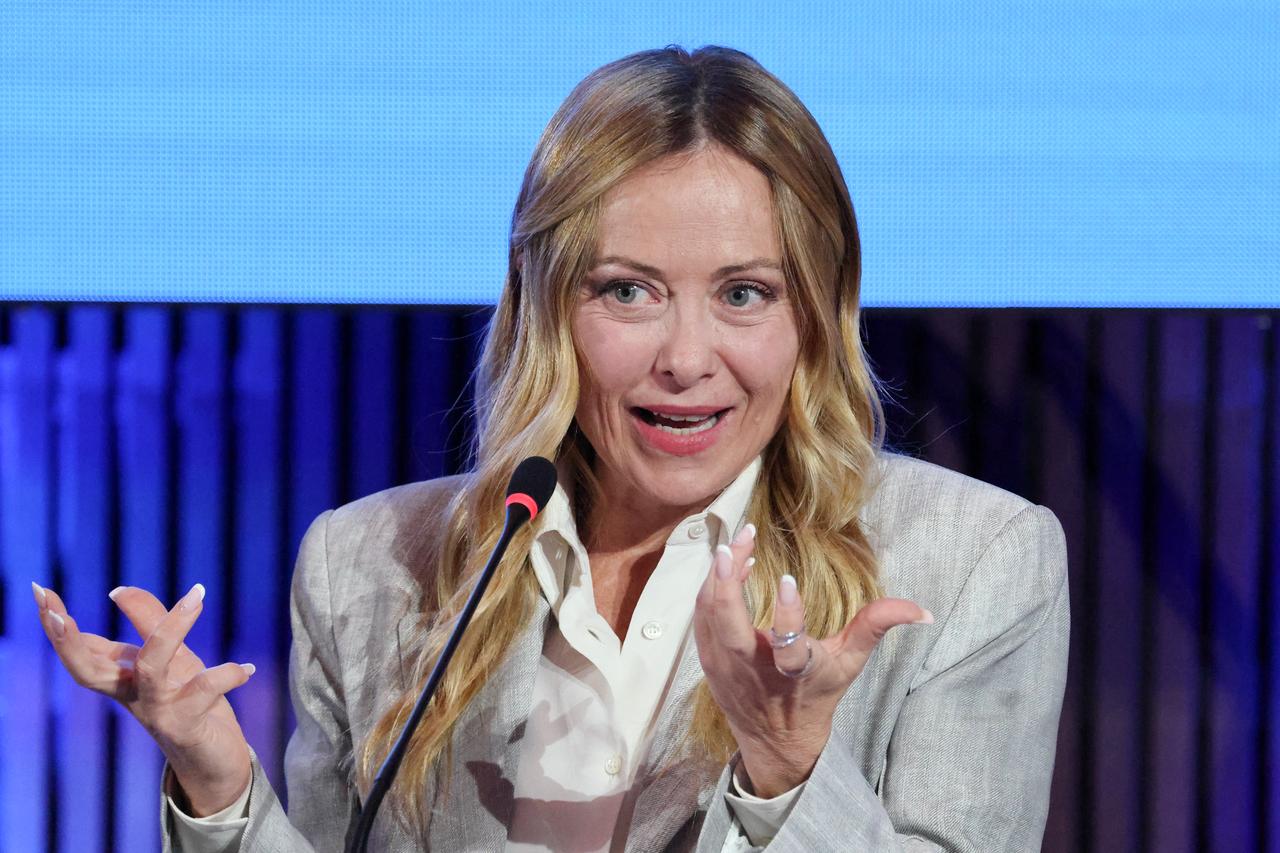


Italian Prime Minister Giorgia Meloni on Monday urged the European Union to adopt structural, long-term measures to tackle high energy prices, warning that Europe risks becoming dependent on repeated emergency responses.
Speaking at the Assolombarda business association’s general assembly in Milan, Meloni said she would raise the issue of greater flexibility at the European Council meeting on Thursday and Friday.
“If we do not develop structural, long-term solutions to high energy prices, we risk becoming increasingly at the mercy of emergencies,” she said.
Meloni said Italy was working with the European Commission on a mechanism to contain the price of gas used for electricity generation and expressed confidence that an agreement could be reached soon.
She also said the Iran crisis, closure of the Strait of Hormuz and instability in the Red Sea were driving up energy, raw material and transport costs and increasing pressure on households, businesses and public finances.
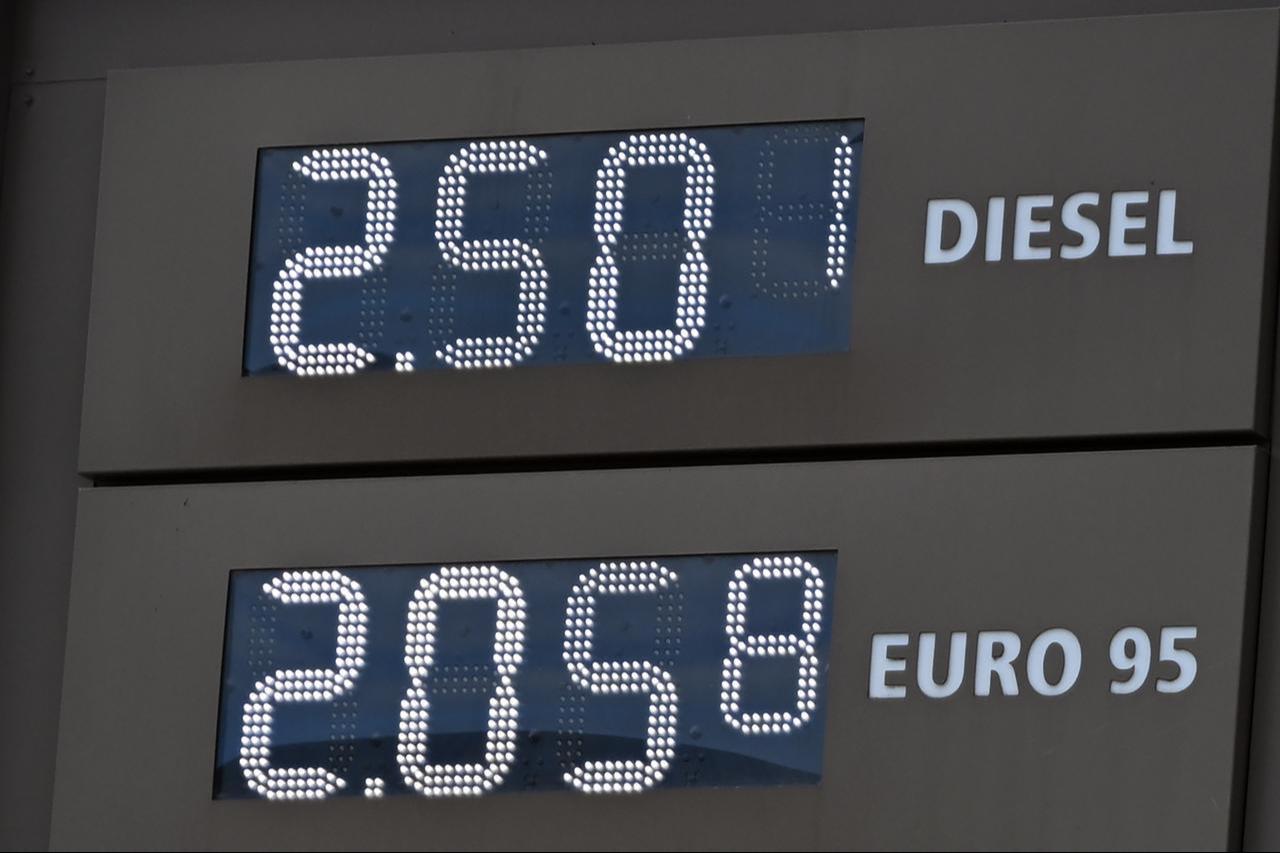

Meloni criticized the EU Emissions Trading System, or ETS, saying it increases prices, creates disparities between member states and hurts European manufacturers competing globally.
“With the ETS, Europe does not become greener; it becomes weaker and more dependent,” she said.
Italian Deputy Environment Minister Vannia Gava separately called for consideration of suspending ETS 2, which is expected to cover road transport, building heating and smaller industrial sectors from 2028.
EU Climate Commissioner Wopke Hoekstra said the European Commission did not plan to change the timetable.
Meloni, German Chancellor Friedrich Merz and Belgian Prime Minister Bart De Wever also sent a joint letter to European Council President Antonio Costa linking energy costs and regulatory simplification to industrial competitiveness.
The leaders called for faster investment procedures in sectors including energy and digitalization, fewer new bureaucratic burdens and reduced sustainability reporting requirements, particularly for small and medium-sized businesses.
Meloni also said Europe should pursue longer-term energy investments, including nuclear power, with the goal of producing energy from new nuclear plants within the next decade.
She said Italian growth remained too weak but could reach 1% in 2026, according to first-half figures.
Meloni also called for greater flexibility in EU budget rules as higher-than-expected inflation increases public spending and reduces room for investment and growth.
She argued that new EU priorities such as competitiveness should not be financed by cutting cohesion or agricultural spending.
On artificial intelligence, Meloni said Italy’s national AI law had made €1 billion available for investment in AI, cybersecurity and enabling technologies, while the government was also preparing a tax measure to encourage investment in cloud-based software.


 Set as preferred source
 Set as preferred source


 1 min read
 1 min read