Newsletters


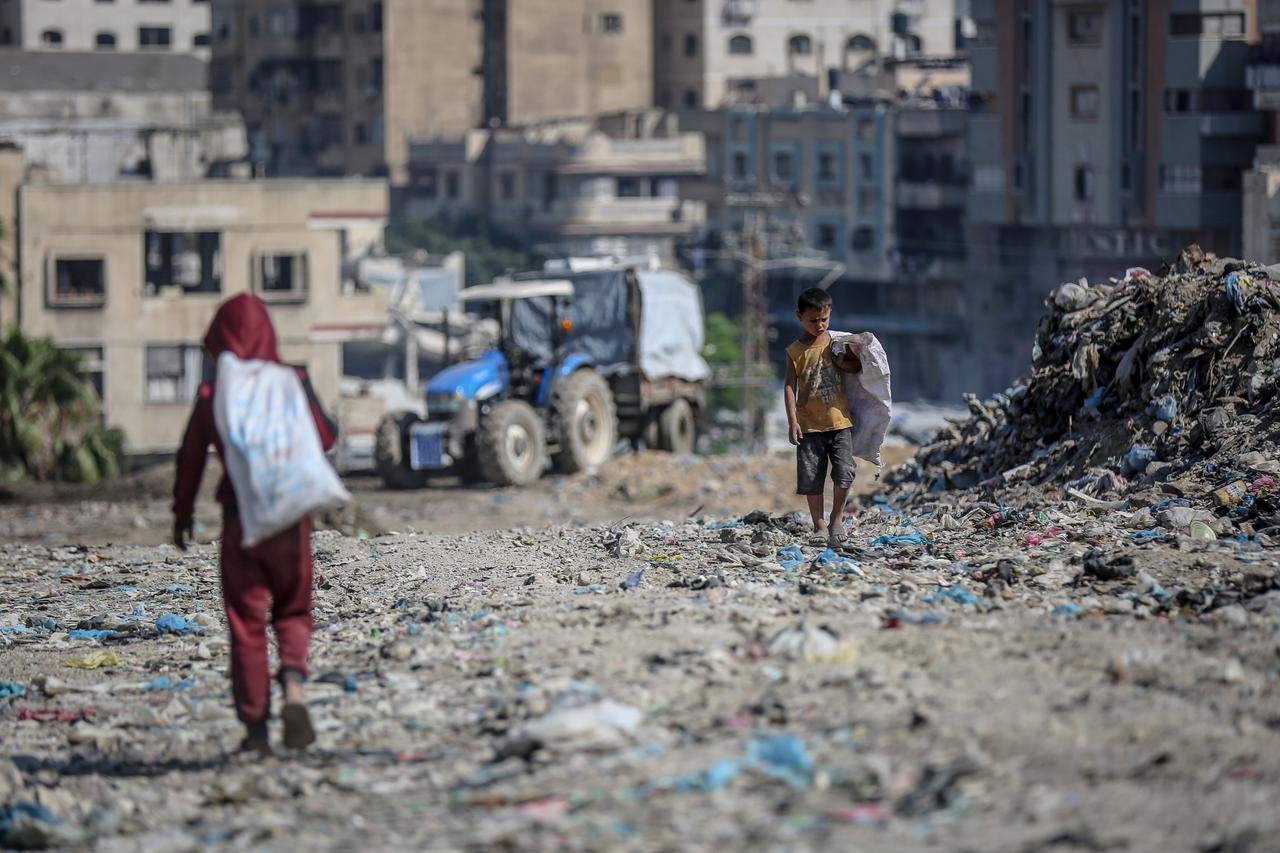


The fallout from the Middle East crisis is pushing millions more people into hunger in some of the world's most vulnerable countries, the World Food Programme (WFP) warned on Friday.
In a new report, the UN agency said an additional 2.5 million people in Somalia, 1.3 million in Sri Lanka and 2.3 million in Afghanistan are struggling to meet basic food needs, with many being pushed into acute food insecurity as a result of the conflict's economic impact.
The findings come three months after WFP warned that 45 million people worldwide could fall into acute food insecurity if the crisis persisted and oil prices remained elevated.
"We warned that this crisis could push millions more people into hunger; now we are watching it happen in real time," said Jean-Martin Bauer, director of WFP's Food Security and Nutrition Analysis Service.


According to the report, countries already grappling with conflict, climate shocks and economic hardship are among the most exposed as fuel, fertilizer, food and humanitarian costs continue to rise.
In Somalia, nearly 60% of households could be unable to meet basic needs in 2026, up from 47% a year earlier. The country imports all of its oil and about 90% of its cereals, making it highly vulnerable to global price shocks.
Sri Lanka remains exposed as it continues recovering from a prolonged economic crisis. WFP said 63% of the country's energy supplies come from the Middle East, while 44% of remittances and 45% of tea exports are linked to Gulf countries.
The agency warned that rising food, fuel and fertilizer costs are placing additional pressure on household budgets.
In Afghanistan, where 13.8 million people were already food insecure before the latest escalation, vulnerability is compounded by strong economic ties with neighboring Iran, which accounts for 60% of Afghan exports and half of its imports.
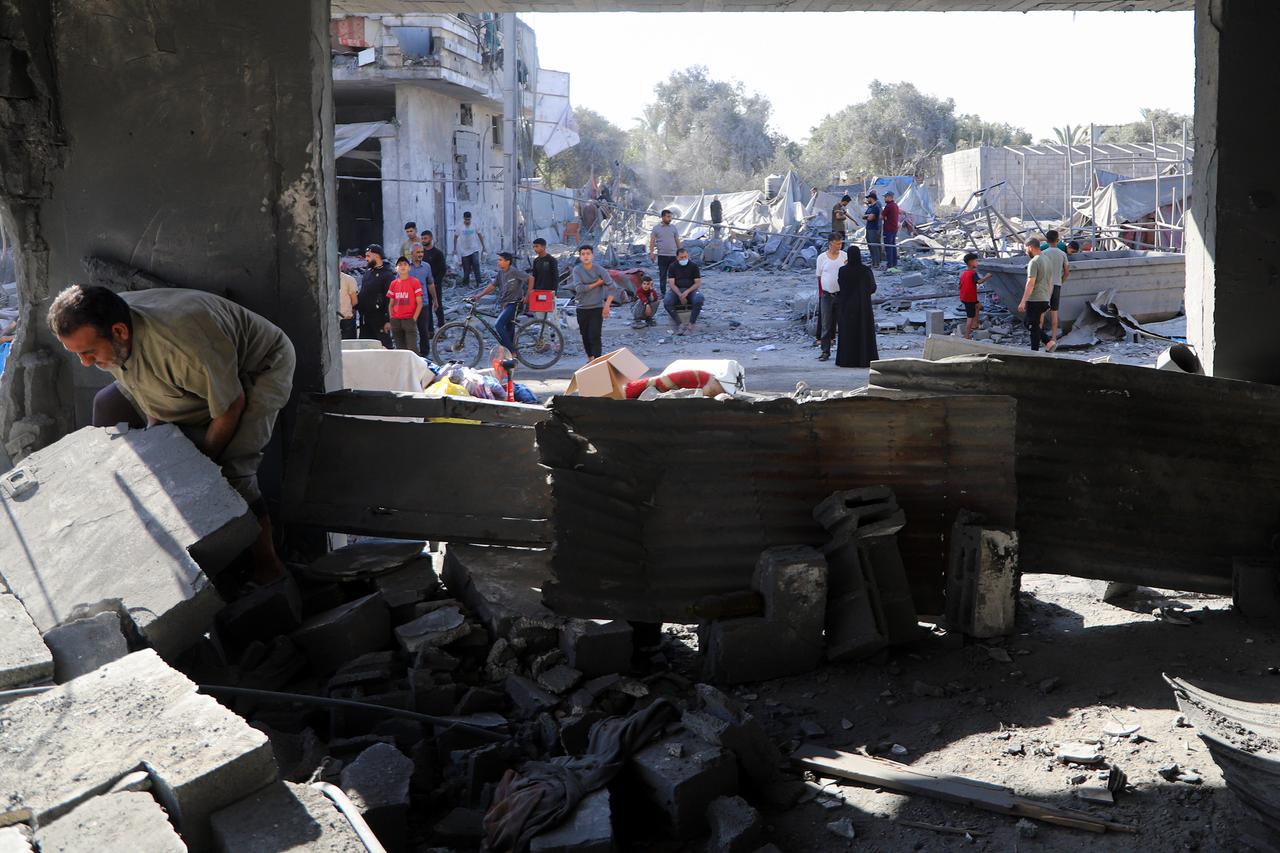
WFP warned that the impact of the crisis could deepen even if tensions in the Middle East ease, as fertilizer shortages and elevated fuel costs threaten future harvests and could drive food prices higher.
The agency also said it is facing growing operational costs and funding shortfalls, estimating that it will assist 1.5 million fewer people than originally planned this year.
If the crisis continues, more than 9 million people could lose access to humanitarian assistance, the report warned.
The agency called for sustained international support to prevent further deterioration in food security across vulnerable regions already struggling with multiple overlapping crises.


 Set as preferred source
 Set as preferred source


 1 min read
 1 min read