Newsletters


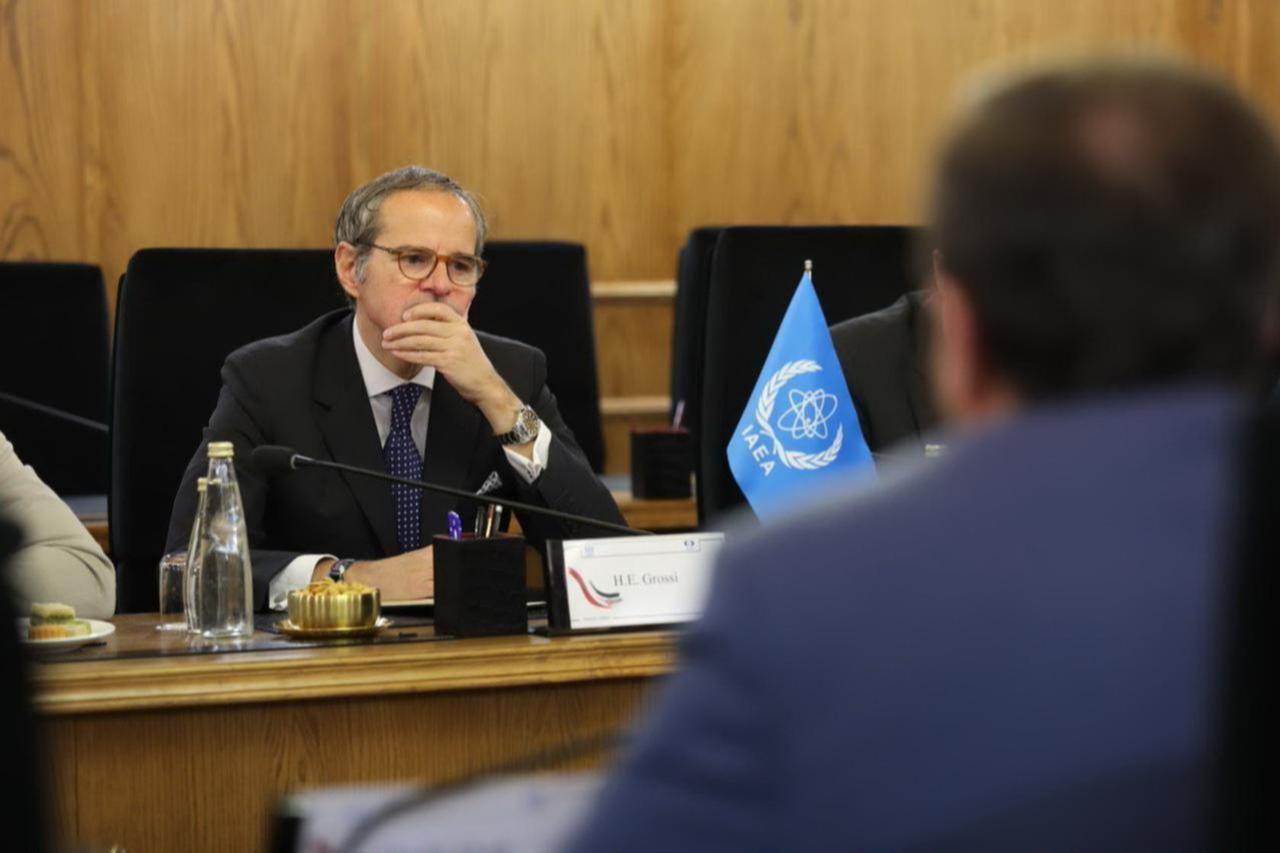


The United Nations nuclear watchdog has warned in a confidential report that it has been unable to verify the fate of Iran's highly enriched uranium stockpile for nearly a year, calling the situation a matter of "proliferation concern" and urging Tehran to grant inspectors access without further delay.
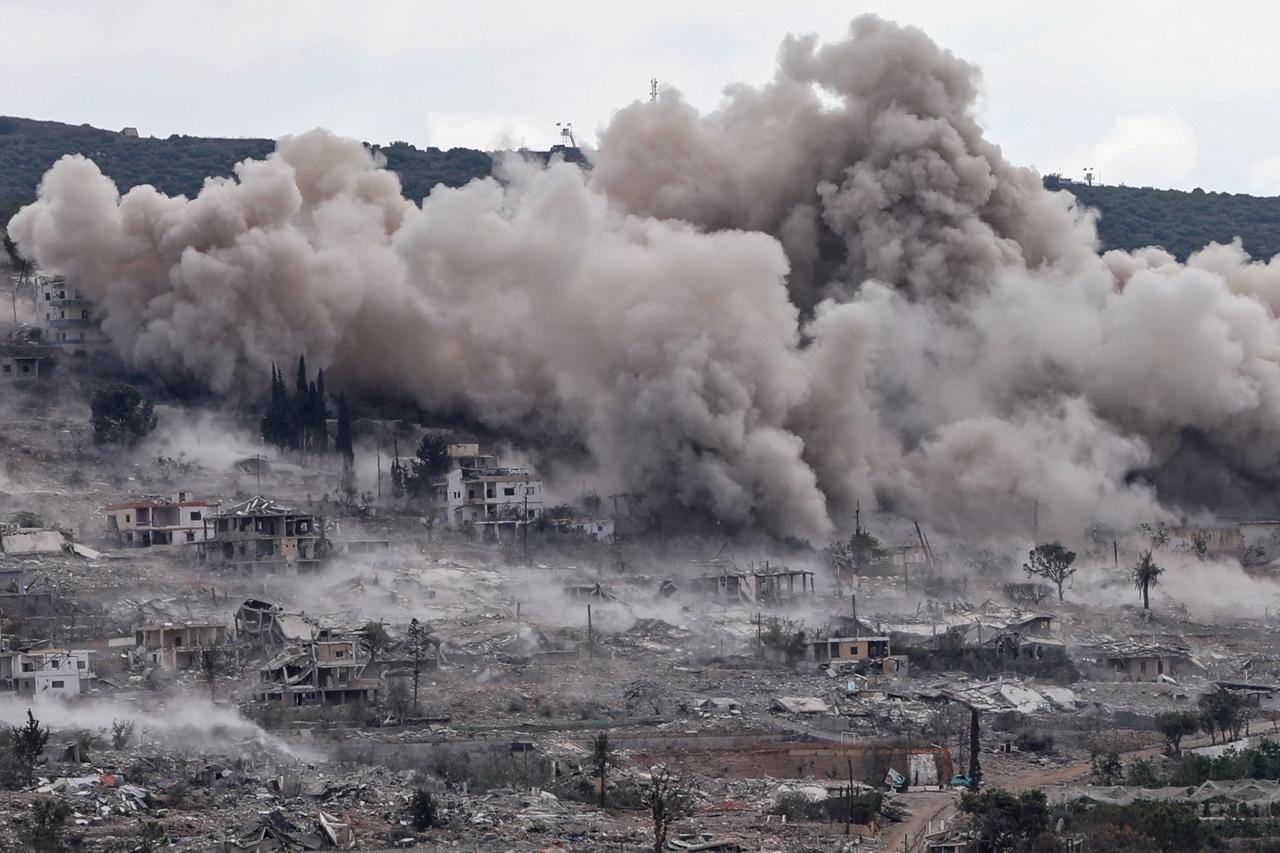
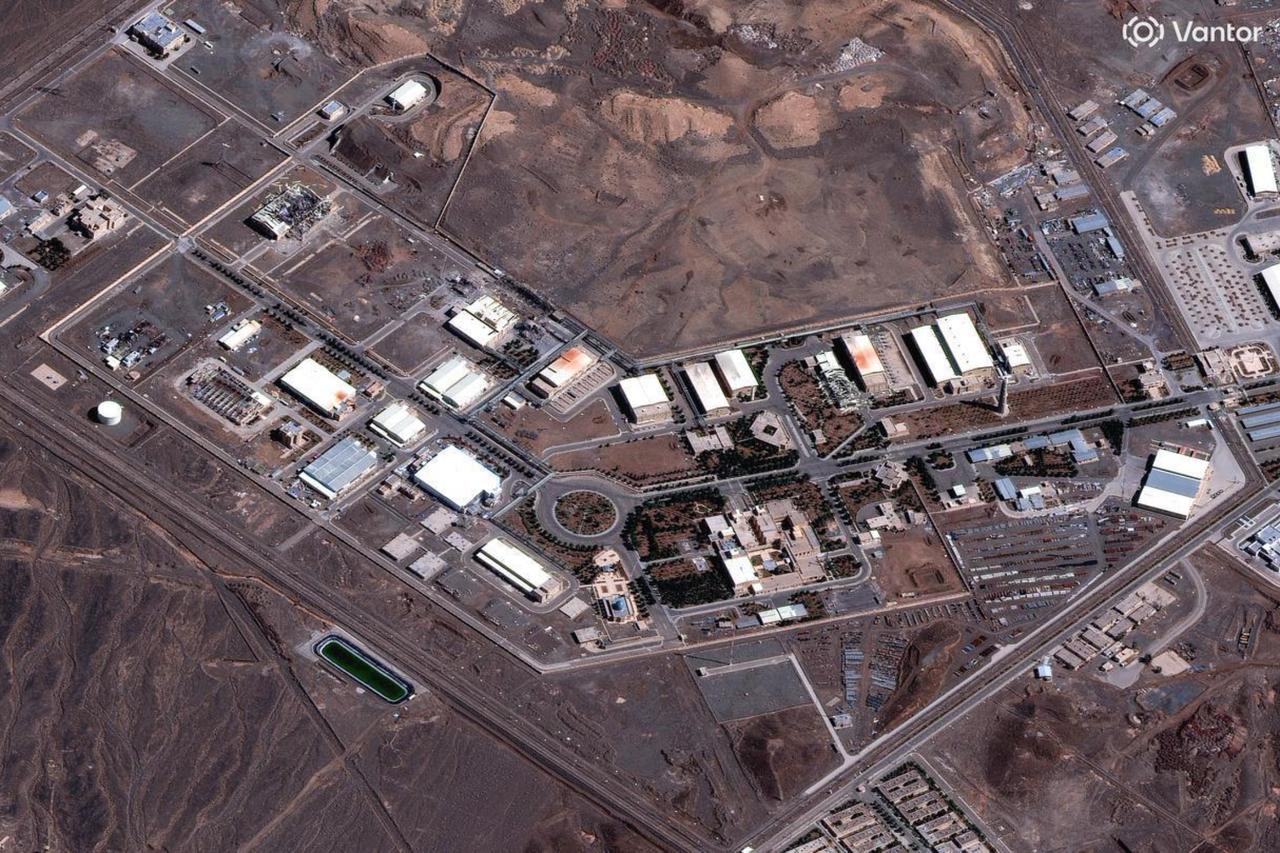
The International Atomic Energy Agency said in the report, seen by AFP, that it has lacked access to key Iranian nuclear facilities since a 12-day military conflict launched by Israel and the United States in June 2025, which included strikes on nuclear sites.
Access has remained restricted following the outbreak of a new war on February 28, which again struck nuclear infrastructure.

Before the June 2025 strikes, the IAEA had calculated that Iran held roughly 440 kilograms of uranium enriched to 60 percent purity, a level far exceeding the 3.67-percent ceiling established under the 2015 nuclear accord, known as the Joint Comprehensive Plan of Action, which has since collapsed.
Weapons-grade uranium requires enrichment to approximately 90 percent, placing Iran's pre-war stockpile at a level of significant concern to nonproliferation experts.
Since those strikes, the location and condition of that material have remained unknown. Tehran has denied IAEA inspectors access to sites affected by the attacks, leaving the agency unable to account for the uranium.
"The agency's lack of access to verify the previously declared highly enriched uranium and low enriched uranium for nearly a year, which is long overdue according to standard safeguard practices, is a matter of proliferation concern," the report states.
The IAEA acknowledged that the military strikes had created what it called "an unprecedented situation" while arguing that the circumstances made verification more, not less, critical. "It is critical for the agency to conduct verification activities in Iran without delay," the agency said.
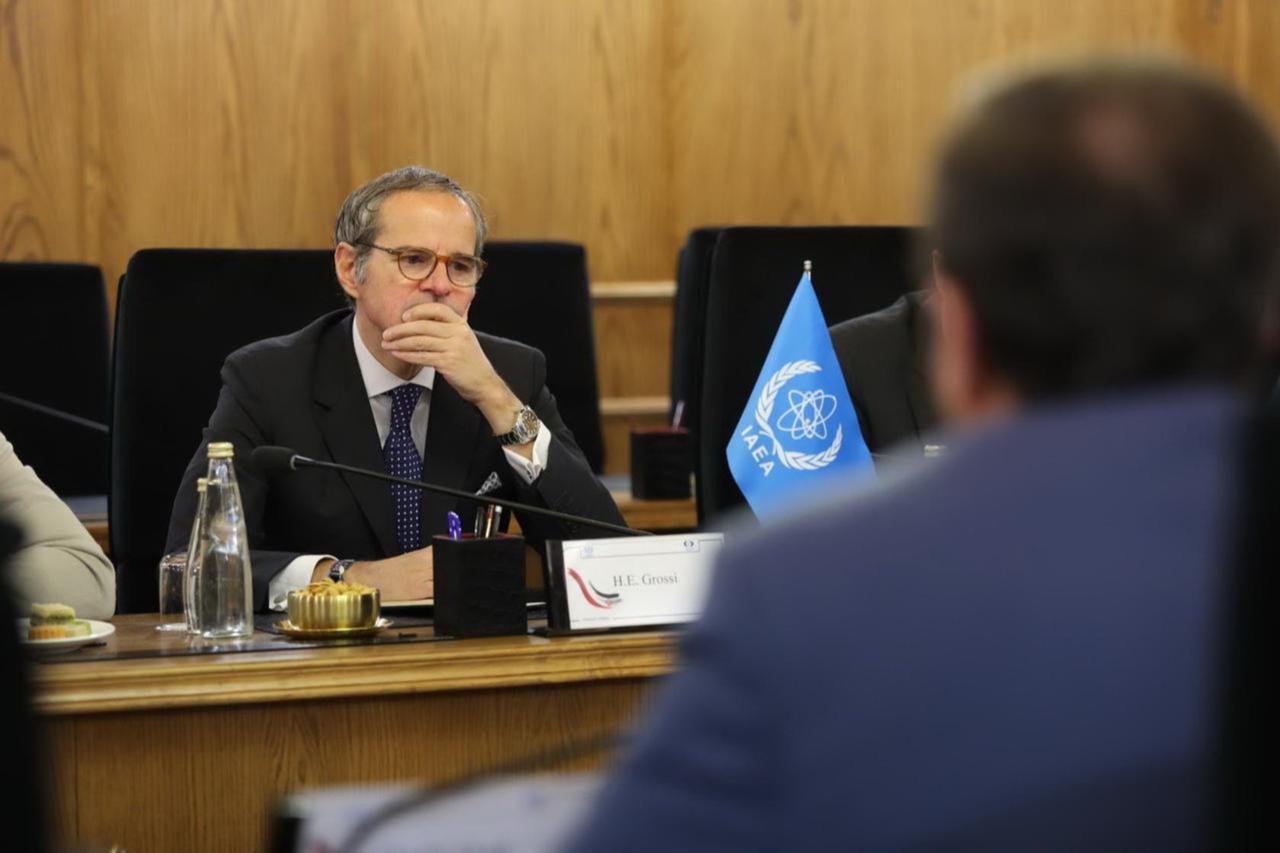
Director General Rafael Grossi called directly on Tehran to cooperate, with the report stating that he "calls on Iran to engage the agency constructively in order to facilitate the full and effective implementation of safeguards in Iran."
The report is set to be taken up at the IAEA's board of governors meeting next week.
The United States and Israel have long maintained that Iran seeks to develop a nuclear weapon, a charge Tehran consistently rejects, insisting its nuclear program serves civilian energy and research purposes.
President Donald Trump cited the alleged weapons threat as justification for last year's conflict and the current war, and has stated that Iran must accept it will not possess a nuclear weapon and that its enriched uranium must be destroyed.
Iran has not responded to those demands publicly on the substance of verification access, maintaining its position that its nuclear activities fall within its sovereign rights under international law.
The IAEA, which serves as the primary international body responsible for verifying compliance with the Nuclear Non-Proliferation Treaty, has repeatedly urged access to Iranian sites since the June 2025 strikes, with the latest report marking its most direct public language yet on the proliferation risks posed by the prolonged inspection gap.


 Set as preferred source
 Set as preferred source


 1 min read
 1 min read