Newsletters




The ongoing conflict in the Middle East could affect Bulgaria’s tourism sector, particularly the upcoming summer season, tourism economist Mariana Yaneva told the Bulgarian national news agency BTA on Wednesday.
Yaneva, head of the Department of Tourism Economics at the University of National and World Economy, said government authorities should coordinate efforts to promote Bulgaria as a safe destination for year-round travel with diverse recreational options.
She said Bulgaria should focus more on domestic tourists and offer incentives such as holiday vouchers or tax breaks, similar to measures adopted in other European countries.
Yaneva said key foreign markets, particularly Israeli tourists traveling through charter programs, may decline this summer, and hotels and tour operators serving these markets are expected to be most affected.
She added that European tourists traveling by land could partially offset potential losses and said price increases should remain around 10% despite rising fuel costs.
Yaneva also stressed the importance of licensed tour operators in managing risks and recommended that travelers use legally registered professionals for international trips.
Regarding long-term opportunities, Yaneva said the crisis could help rebrand Bulgaria as a four-season health and wellness destination and encourage niche tourism beyond the summer season, supporting more sustainable growth in the sector.
She also called for immediate European marketing campaigns promoting Bulgaria as a safe travel destination.
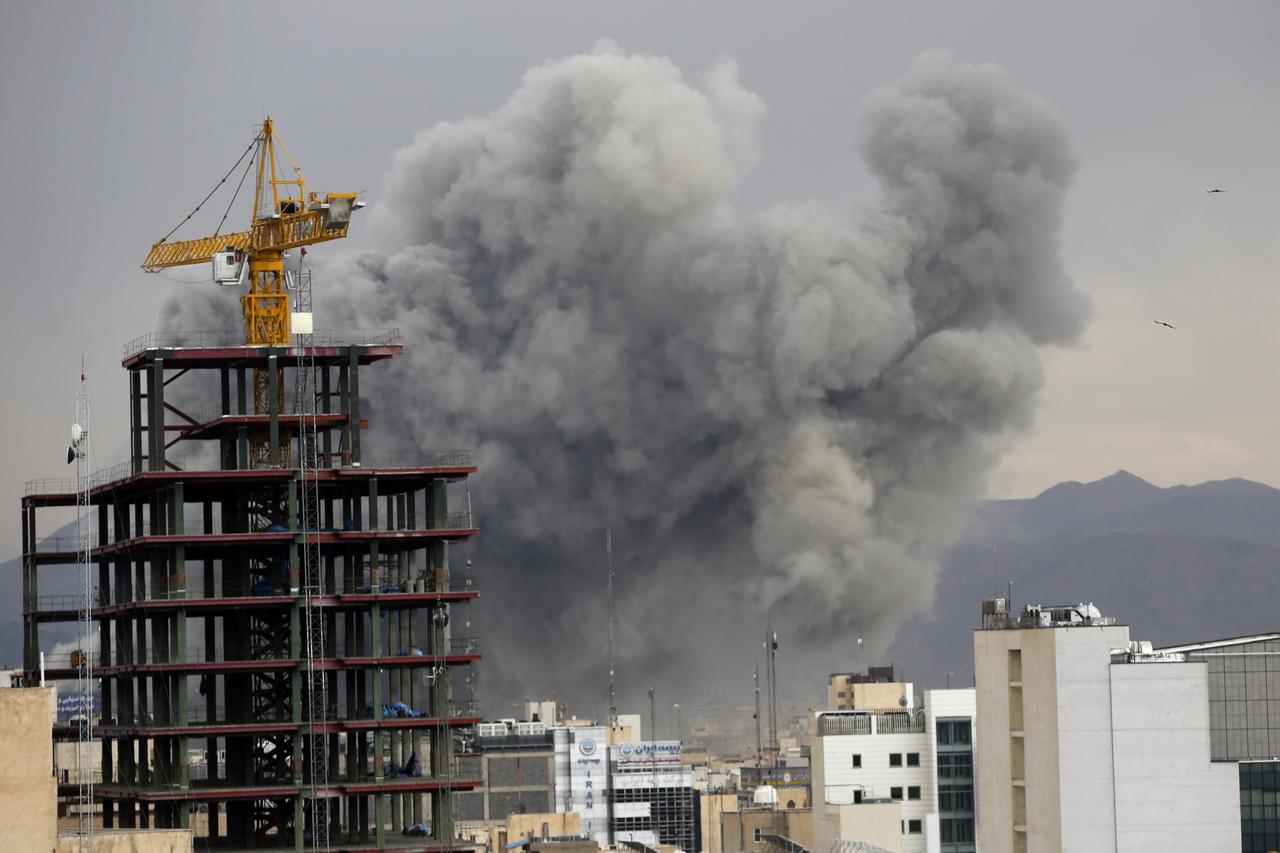
Regional escalation has continued since the United States and Israel launched a joint offensive on Iran on Feb. 28, killing more than 1,300 people, including then-Supreme Leader Ali Khamenei.
Iran has responded with drone and missile strikes targeting Israel as well as Jordan, Iraq and Gulf countries hosting U.S. military assets, causing casualties and damage to infrastructure while affecting regional travel conditions.


 Set as preferred source
 Set as preferred source


 1 min read


 1 min read