Newsletters


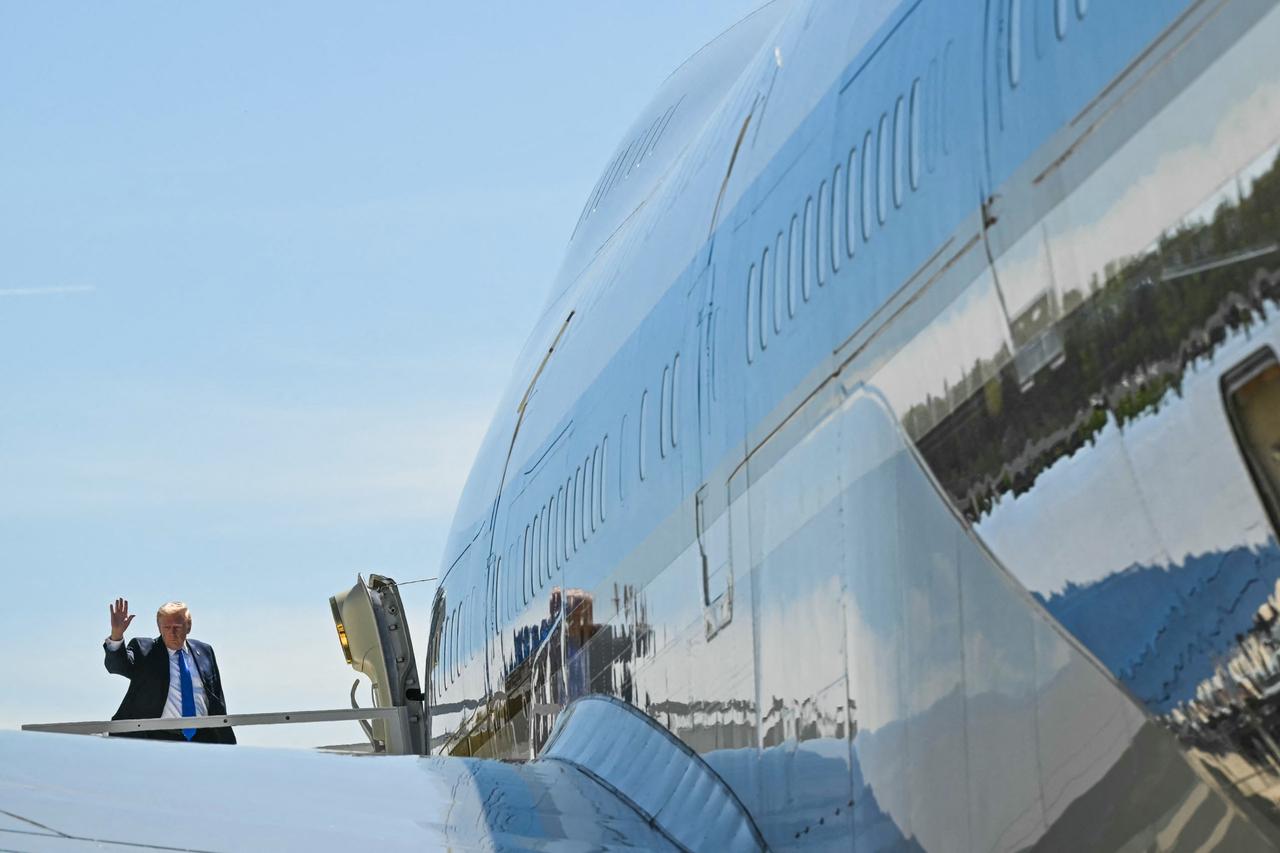


In a very Trumpian move, we are witnessing two parallel tracks of developments regarding the war in Iran.
"Ten minutes before the strike, I stopped it," said Donald Trump in 2019 when the U.S. intended to retaliate against Iran after the downing of a U.S. drone.
His mixed signals and confusion with Iran continue to this day.
On one side, there is a new diplomatic initiative involving direct or indirect talks between the U.S. and Iran to end the war, accompanied by a limitation in military engagements to not target energy grids.
On the other side, the U.S. is deploying the 82nd Airborne Division to the Middle East.
Is Trump attempting to flex military muscle to strong-arm the Iranian regime into a more favorable deal, or is this another maneuver to buy time, distract Iranian attention, and calm markets ahead of a new round of escalation—potentially including boots on the ground?
We have seen the Trump administration employ similar tactics in its approach toward Tehran. The administration engaged in negotiations with the country, where substantial concessions were reportedly made.
Yet ultimately, Washington either green-lit or directly initiated military action. During these negotiations, the U.S. prepared for escalation, with the intention of catching Iran off guard.
What initially appeared to be military posturing during talks later proved to be operational preparations, even as negotiations were still ongoing.
During the 12-day war and the current attacks against Iran, the U.S. was well-prepared for escalation and had ample time—thanks to negotiations—to build up forces.
While it was not expected that Iran would attempt to disrupt American military deployments, the negotiations provided a crucial element of surprise. That surprise proved vital in both instances to kill senior Iranian leadership.

 2 min read

This time, negotiations are taking place while the war is still ongoing.
The circumstances differ significantly from those before the 12-day war or earlier confrontations with Iran.
International energy markets are under severe pressure due to the closure of the Strait of Hormuz, attacks against Iran, and strikes targeting Gulf states.
Yet the core question—and uncertainty—remains: Are these negotiation efforts genuine, or are they a tactical move by Trump to limit domestic political fallout while buying time to prepare for an assault on Kharg Island?
This ambiguity will persist as long as the U.S. continues deploying troops suited for such operations. Under normal circumstances, conventional wisdom would favor a ceasefire to give diplomacy a genuine chance.
However, based on past experience, a realist perspective might lead Iran to continue negotiations without a ceasefire.
In doing so, Iran would retain its capacity to disrupt or complicate American military deployments.
Therefore, until Iran is assured that the U.S. will not use a ceasefire as cover to deploy additional forces, there is little reason for confidence in the current negotiations.
For Tehran, this history reinforces a central dilemma: engagement with Washington may reduce immediate pressure, but it does not eliminate the risk that negotiations themselves are being used to facilitate a more advantageous moment for escalation.


 Set as preferred source
 Set as preferred source


 1 min read