Newsletters


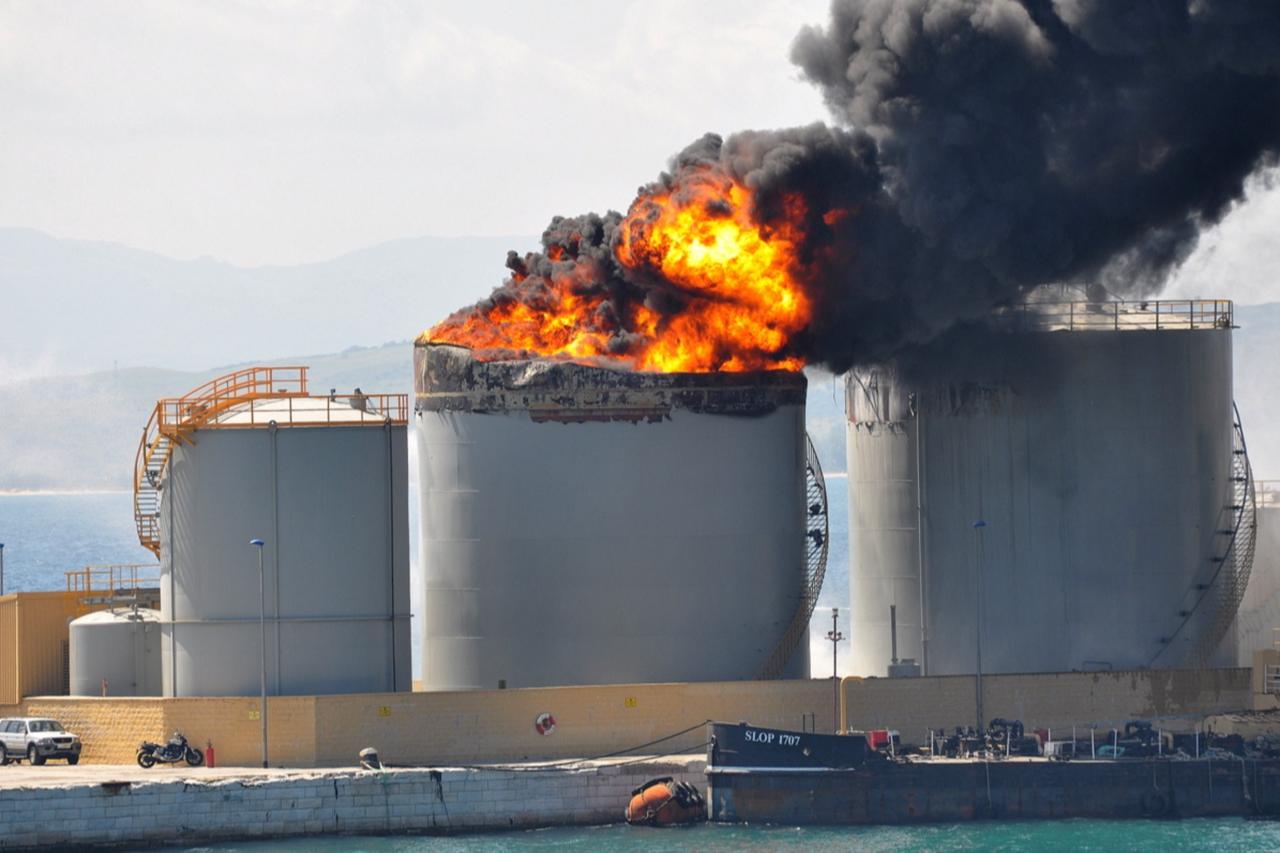


The escalating confrontation involving the United States, Israel, and Iran is no longer confined to military calculations. It is rapidly spilling into the foundations of the global economy, where energy and food systems are tightly interlinked. Nowhere is this more visible than in the Gulf, a region that sits at the crossroads of global energy flows and, increasingly, food vulnerability.
The Strait of Hormuz acts as a critical chokepoint, affecting energy markets while reverberating across global trade routes, particularly toward the Global South. While rising energy prices have become the first visible layer of disruption, there is more to that threat locally.
As regional instability grows, the risk remains that an endangered Iranian regime could shift its focus from energy infrastructure to targeting the Gulf’s critical food reserves.
Food supply chains are set to shift from large ports such as Jebel Ali to smaller ports with limited capacity that bypass the Strait of Hormuz, resulting in slower and more difficult delivery to Gulf kitchens.
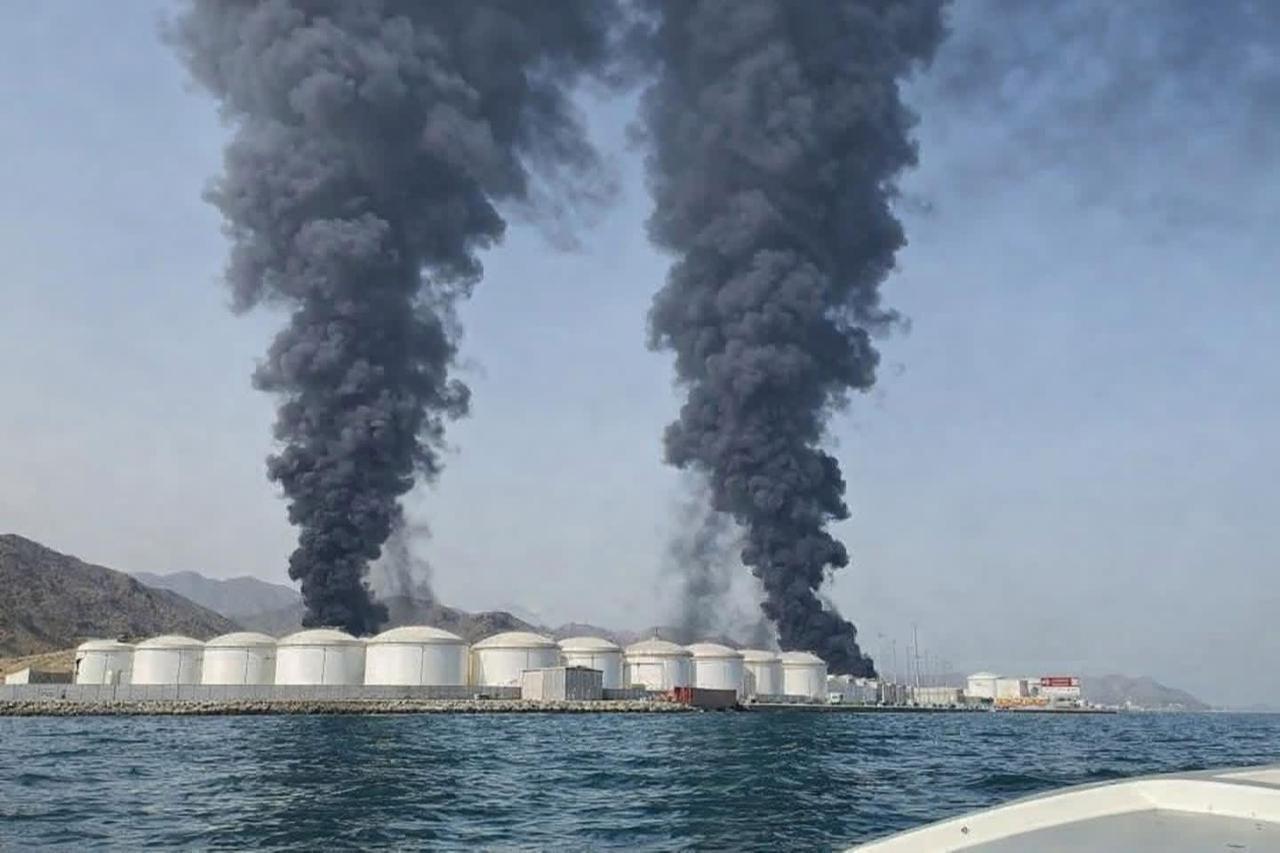

Despite its wealth, the Gulf region remains structurally dependent on external food supplies. Approximately 85% of its food is imported, with some staples such as rice entirely sourced from abroad. This dependence creates a paradox that some of the world’s richest states are also among its most food-insecure in structural terms.
While Gulf countries maintain reserves, typically between four and six months, these buffers are designed for temporary disruptions, not prolonged conflict scenarios.
So far, Iranian military actions have not directly targeted food storage or supply infrastructure. However, the precedent of strikes on energy facilities raises concerns about escalation. If the regime in Tehran perceives an existential threat, food reserves could become strategic targets.
Such a shift would have immediate consequences. “So far, Iran does not attack the food resource yet,” Hilal Elver, former U.N. Special Rapporteur on the Right to Food, explains, “but that is another danger that could come to the Gulf region.”
The possibility of using food as a weapon is a dangerous precedent.
In a worst-case scenario where maritime routes are compromised, the question arises whether Gulf states could rely on land-based imports through neighboring countries such as Jordan, Syria, or Iraq. The answer, according to Elver in an interview with Türkiye Today, is largely negative.
Land logistics in the region are constrained by both infrastructure and capacity. “Jordan is not an exporter,” she states. Similar limitations apply to Syria and Iraq, where production and logistics capabilities remain insufficient.
Even under optimal conditions, land transport would be costly, slow, and limited in scale, according to Elver, a member of the High Level Scientific Committee of the World Food Security.
Perishable goods such as fruits and vegetables might be transported over short distances, but staple commodities like grain require large-scale, efficient supply chains that the region lacks.
The concentration of global food production further narrows the field of viable suppliers. “We are talking about four or five countries that can export food—India, China, Brazil, the United States, Russia,” Elver explains. This concentration makes diversification difficult, particularly during periods of global stress.
Qatar offers a case study in vulnerability. With only one land border—through Saudi Arabia—it remains highly exposed to political and logistical disruptions. Past tensions in the region have already demonstrated how quickly such routes can be restricted.
In the absence of secure maritime and air routes, food access becomes a critical vulnerability.
Compounding the problem is the breakdown of global supply chains. Disruptions in maritime routes, insurance costs, and shipping logistics are already affecting the steady flow of goods into the region. This creates a scenario in which even financially capable states may struggle to secure timely imports.
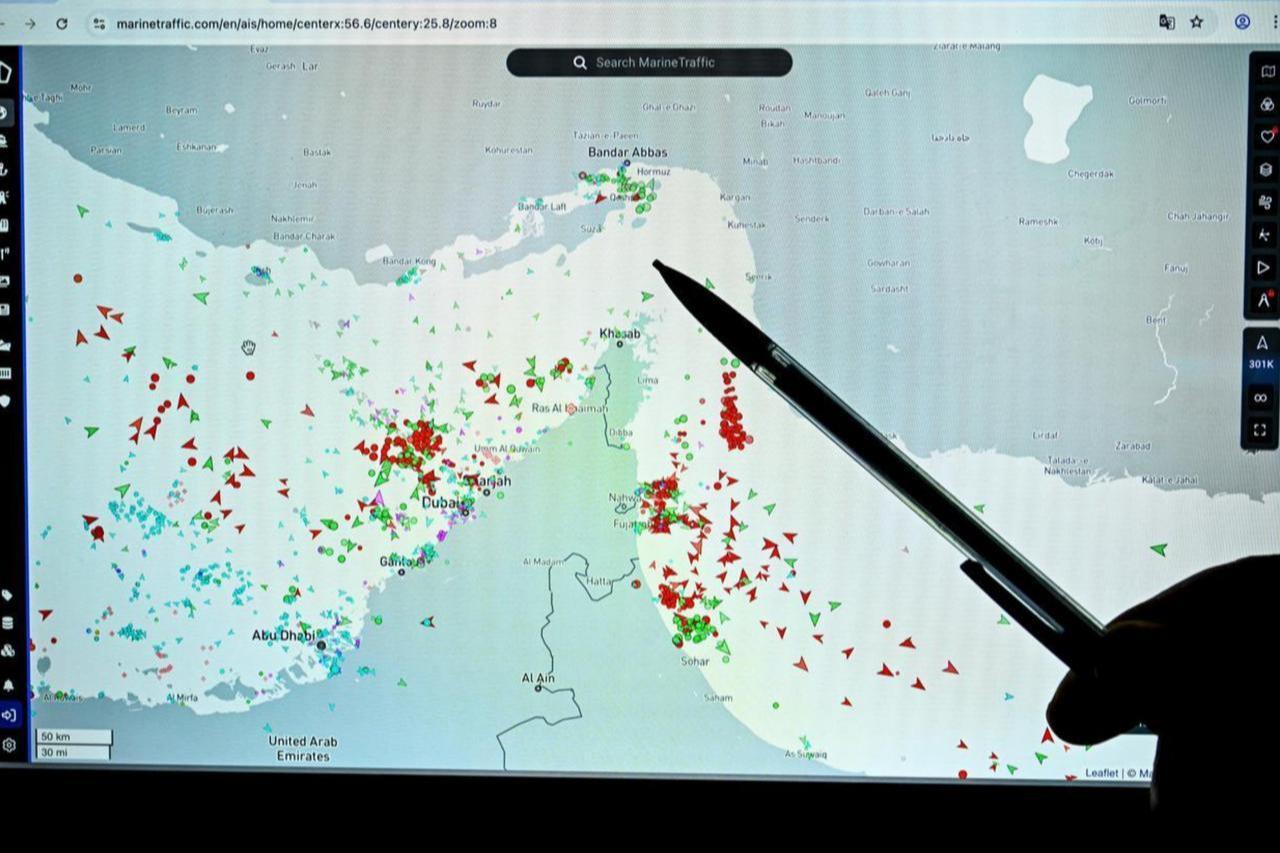
The current regional instability is testing strategies born from the 2008 food price spike. That crisis prompted Gulf nations to shift toward "import-dependent" policies, pouring massive capital into agricultural investments and farmland abroad.
Internal friction within the Gulf Cooperation Council (GCC) has also accelerated these security plans. The 2017 diplomatic rift between Saudi Arabia and Qatar forced Doha to invest heavily in its own food resilience after its only land border was temporarily shuttered.
Ultimately, while the Gulf has used its wealth to build a "cushion" of reserves, the region remains locked in a race against geography.
Over the past two decades, Gulf states have fortified their infrastructure by building massive, modern silos. These facilities hold hundreds of thousands of tons of strategic grains, providing a critical buffer for staples like wheat, rice, and edible oils that can be stored for months.
To mitigate this, the UAE opened the Fujairah grain silos in 2016 on the Indian Ocean coast. With a 300,000-metric-ton capacity, the location was strategically chosen to bypass the Strait entirely, ensuring a food lifeline even if Iran follows through on threats to close the waterway.
The effectiveness of these reserves is often dictated by geography. Most major hubs and the primary ports of Kuwait, Bahrain, and Qatar remain "trapped" within the Persian Gulf, requiring all incoming traffic to pass through the Strait of Hormuz.
Short-life food categories, however, are becoming increasingly vulnerable to regional shocks, even as Gulf states rely on silo-stocked staples. Hilal Elver warns that the bigger risk lies in concentration: “The global food system is highly concentrated as there are only five countries that can export food—India, China, Brazil, the United States, and Russia.”


 Set as preferred source
 Set as preferred source


 2 min read