Newsletters


As tensions between the United States, Israel and Iran escalated into open confrontation, fear spilled over into daily life in the Gulf. In Dubai, the largest city in the United Arab Emirates (UAE), dozens of tourists rushed out of a restaurant after confusing the sound of a traditional Ramadan iftar cannon with a missile strike.
The incident unfolded against the backdrop of what was described as the fourth day of intensifying hostilities. Following U.S. and Israeli strikes against Iran, Tehran reportedly carried out retaliatory attacks targeting Dubai. Although the restaurant incident was unrelated to any direct strike, the atmosphere of anxiety appears to have heightened reactions on the ground.


Video footage that quickly made the rounds on social media showed diners attempting to run out of the venue, while others tried to take cover under tables. The sound that triggered the panic came at iftar time, the moment Muslims break their fast at sunset during the holy month of Ramadan.
Many foreign visitors were unfamiliar with the long-standing tradition of firing a cannon to signal the end of the daily fast. As the blast rang out, some reportedly mistook it for an incoming missile.
Restaurant staff stepped in to calm guests down and clarified that the noise came from the ceremonial iftar cannon rather than from any military activity. Once the situation was explained, the immediate panic subsided, though the tense moments were captured in real time on mobile phones and later viewed thousands of times online.
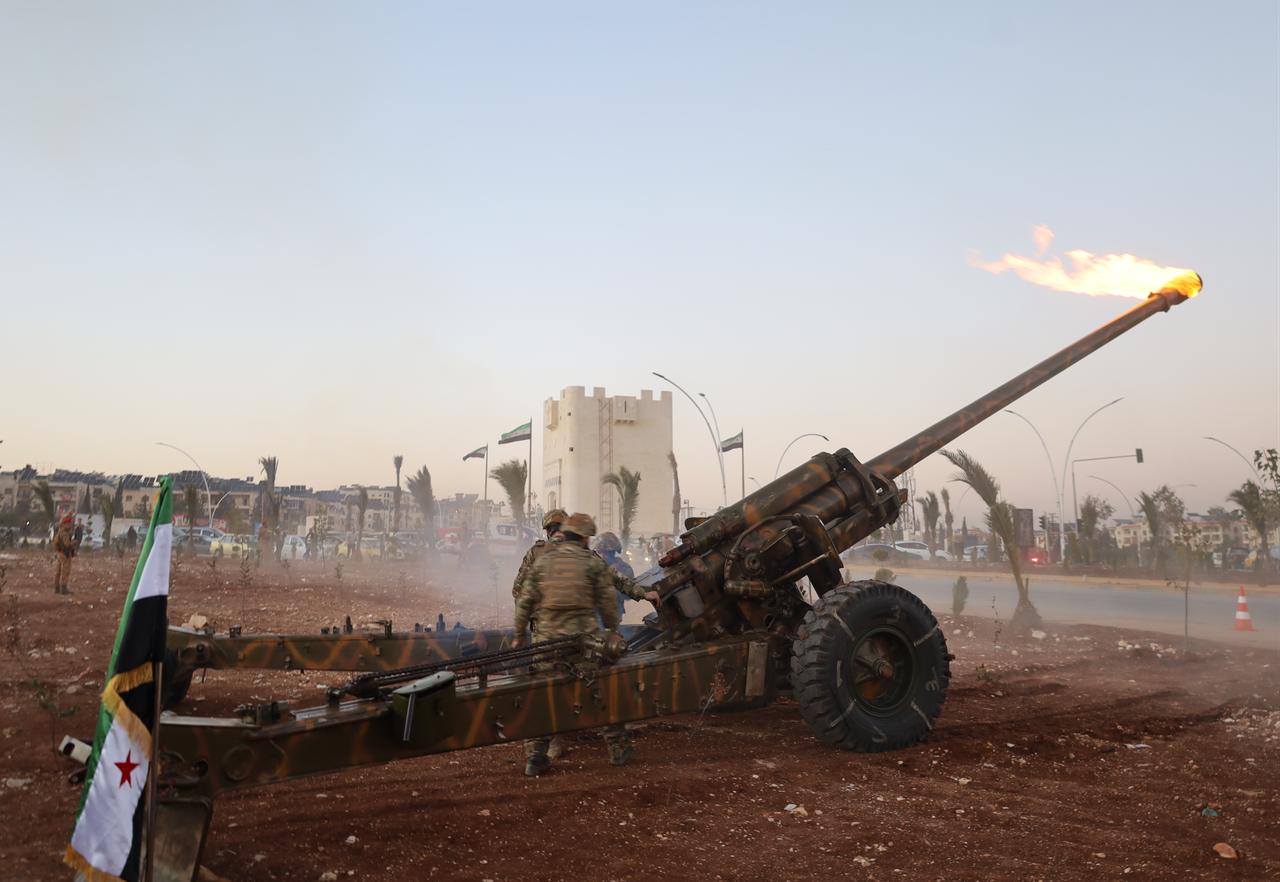
“Iftar cannon” is a ceremonial gunshot fired at sunset during Ramadan to announce the breaking of the fast. The tradition dates back centuries and remains in practice in parts of the Middle East.
Archival records show that the first documented iftar cannon in the Ottoman era was fired in 1821 at Anadolu Hisari, a historic fortress in Istanbul. The practice soon spread to Rumeli Hisari and later to the Yedikule walls. Within two to three decades, the custom had been adopted across the Ottoman Empire.
In cities with fortresses, cannons were fired from castle bastions. In port cities, naval ships were used instead. Areas without fortifications or ports were reportedly not permitted to carry out the practice. Over time, the cannon evolved from a practical signal into a symbolic ritual that continues to mark iftar in several countries today.


 Set as preferred source
 Set as preferred source



 1 min read