Newsletters


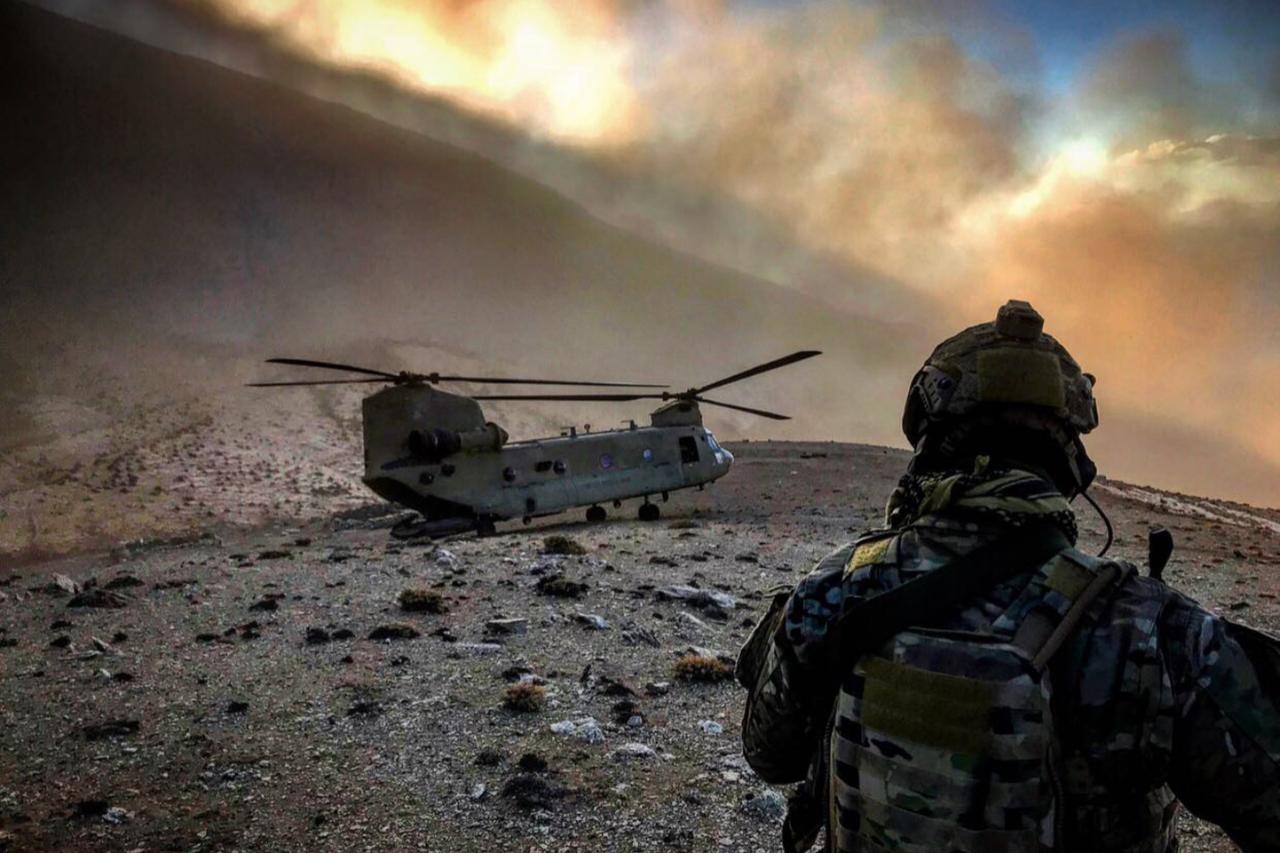


U.S. special forces are conducting a high-risk search and rescue mission deep inside Iranian territory for a missing weapons systems officer from an F-15E fighter jet shot down on Friday.
Armed Iranian civilians are scouring the same mountains for a prize worth $60,000, and experts warn that capturing the crew member alive could hand Tehran its most powerful bargaining chip of the war.
"Capturing the US crew member would be a huge prize for Iran, offering them a very powerful bargaining chip," said Laurel Rapp, director of the U.S. and North America program at Chatham House, speaking to BBC.
"If those images were to come forward, those would be incredibly shifting from an American viewpoint."
The F-15E's pilot has been rescued. The missing crew member is a weapons systems officer, U.S. officials told CBS News.
Iranian state television offered a reward of approximately $60,000 for the live capture of the crew member, a strikingly large sum in a country where the estimated monthly salary ranges from $150 to $230.
Videos emerged from southern Khuzestan province showing men carrying firearms and the Islamic Republic's flag searching for the American.
In one clip, an individual says, "Allah willing, we will find him."
Iran's semi-official Tasnim news agency reported that armed tribesmen and villagers had deployed across mountains and plains with personal weapons in Kohkilouyeh and Boyer-Ahmad province.
A local television channel initially told viewers to "shoot at sight," before changing the instruction to hand over any captured Americans alive.
Iran's Parliament Speaker Mohammad Baqer Ghalibaf mocked the situation on X: "This brilliant no-strategy war they started has now been downgraded from 'regime change' to 'Hey! Can anyone find our pilots? Please?' Wow. What incredible progress. Absolute geniuses."
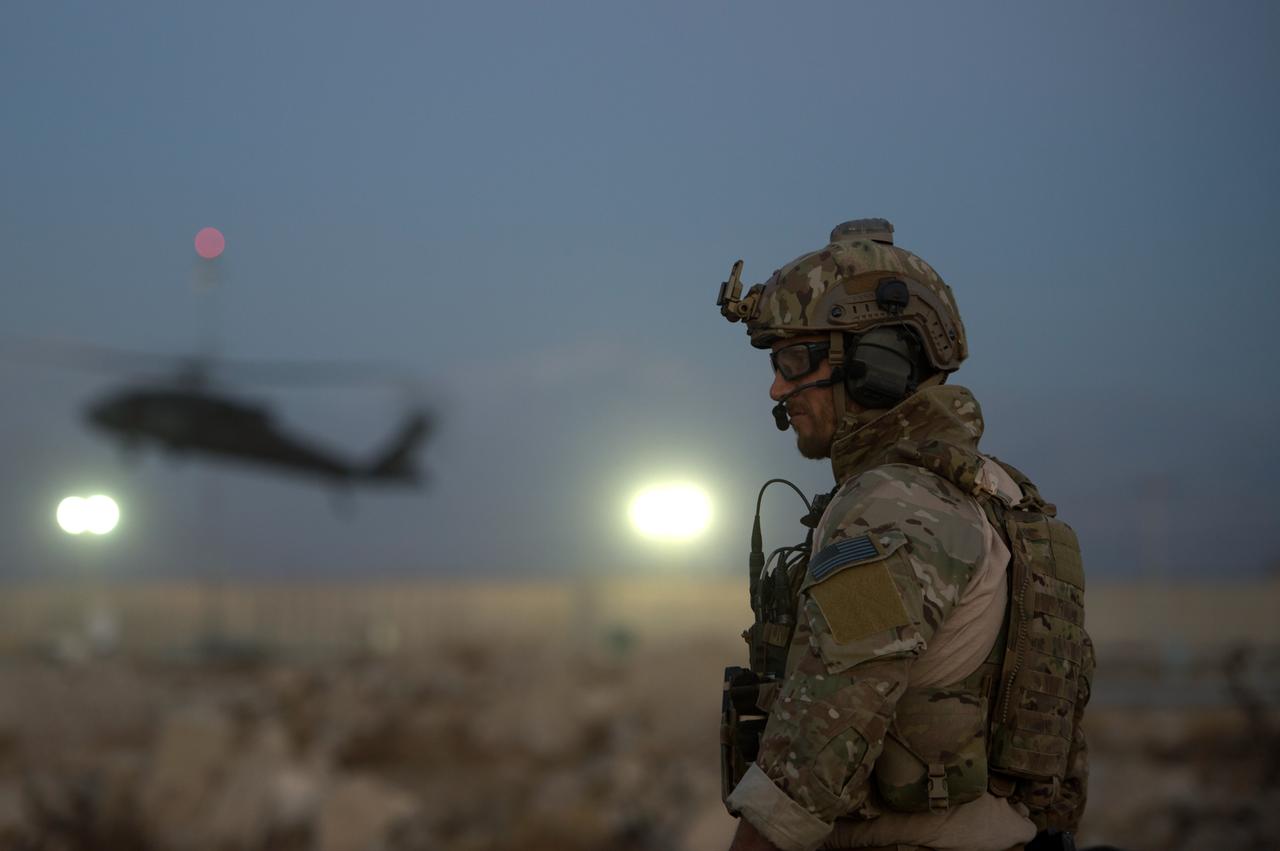

The rescue operation represents the most complex combat search and rescue mission undertaken by the U.S. military since the Vietnam War era. Two Black Hawk helicopters involved in the effort were struck by Iranian fire, though crew members were safe.
An A-10 Warthog providing close air support was hit over Iran and crashed in Kuwait; its pilot was rescued.
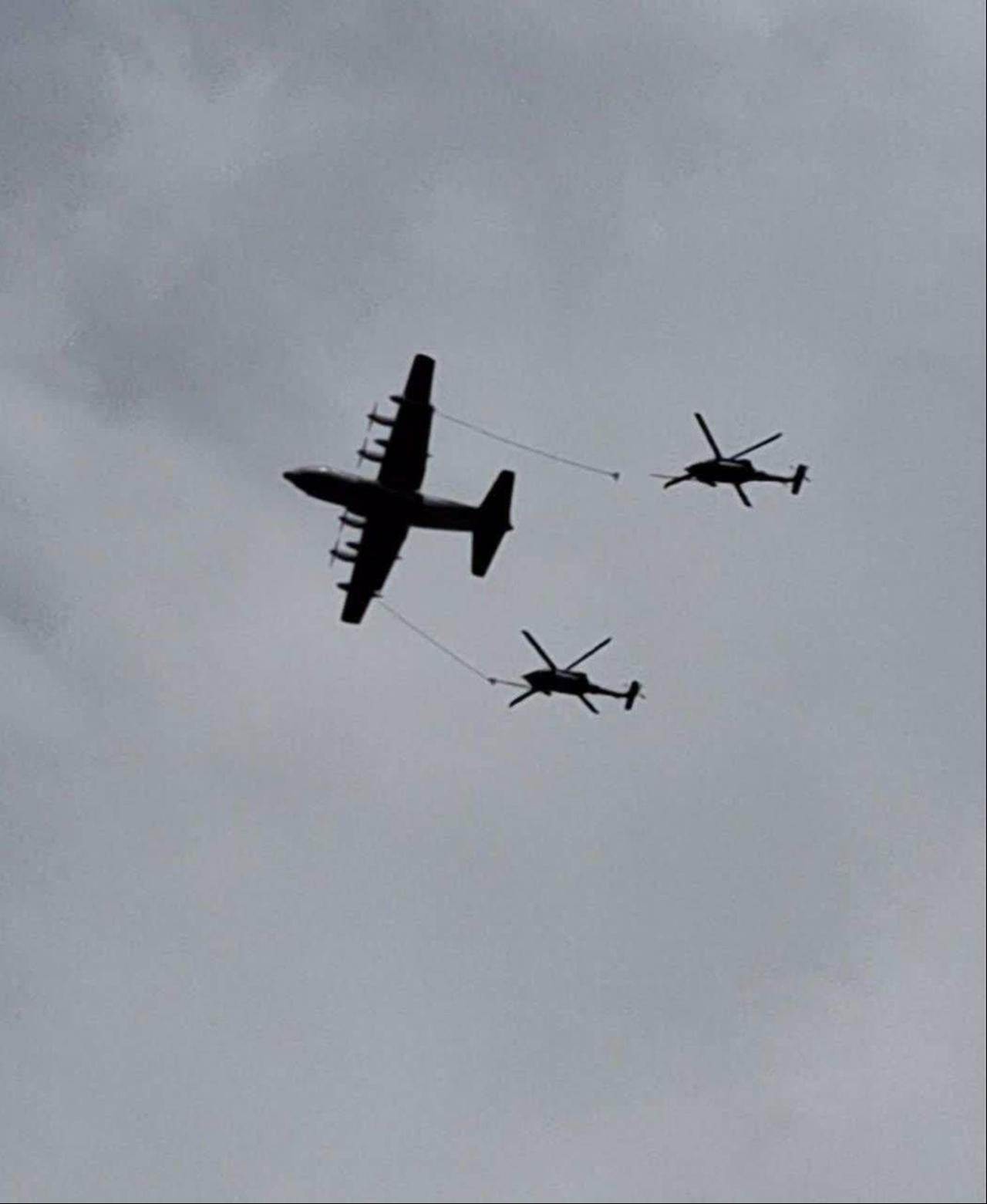
Verified video showed U.S. military helicopters and at least one refueling aircraft operating over Iran's Khuzestan province.
"Harrowing and massively dangerous is an understatement," a former pararescue squadron commander told CBS News, adding that, "This is what they train to do, all over the world."
Sami Puri, a visiting lecturer at King's College London, told Al Jazeera that rescue forces would have to fly low to locate the missing crew member, increasing their exposure to Iranian fire.
"For Iran, downing a third American aircraft in quick succession would be a very big prize indeed," Puri said.
He added the shoot-down would be "deeply embarrassing" for the U.S. military, given Defense Secretary Pete Hegseth's previous claim of total air superiority over Iran.
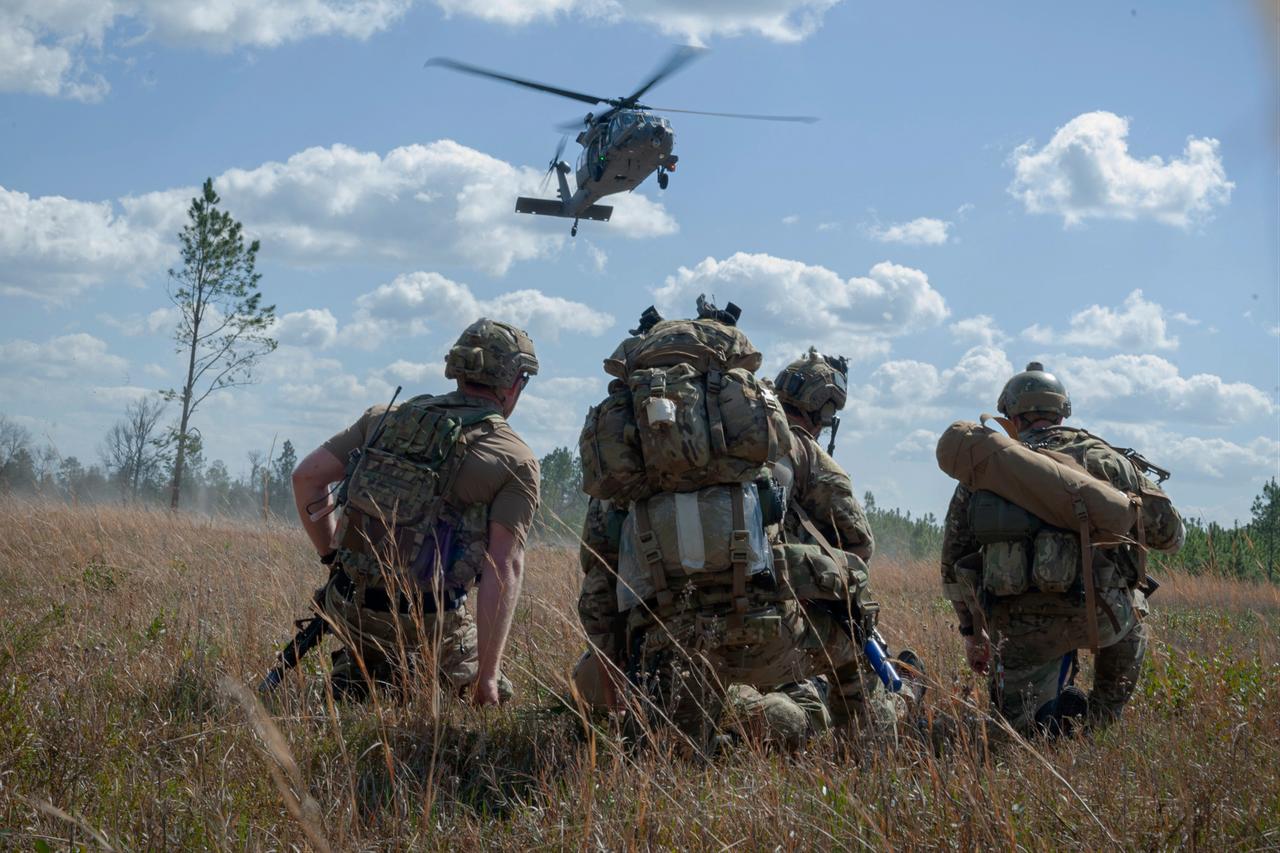
The search is being conducted by Air Force pararescue jumpers, elite operators who undergo approximately two years of training, including parachute and dive qualifications, underwater demolition, survival training and a full civilian paramedic course.
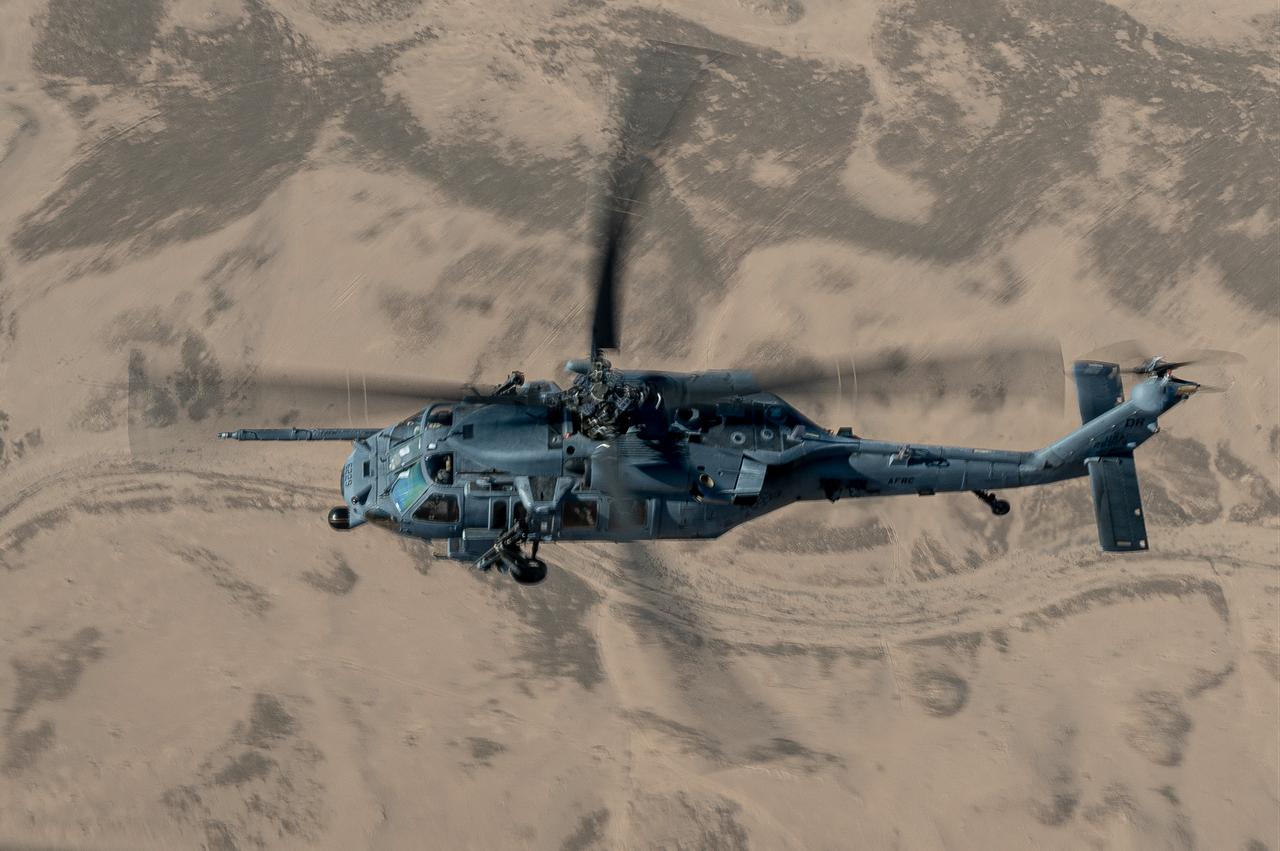
Former Air Force Colonel Michael Kunkel estimated a 10-to-20-member crew would be deployed. The operation uses HH-60W rescue helicopters, HC-130J refueling aircraft and A-10 close air support aircraft.
Electronic jamming platforms may also provide cover.
"The most important piece of information is what is the location of the air crew. And that piece of information is so hard to get," said former Air Force officer Bob Cantwell.
He noted that enemy forces are likely attempting to "spoof" or broadcast false information about the crew member's location.
The missing crew member is trained in the Survival, Evasion, Resistance, and Escape (SERE) program and carries a survival kit with radio communication devices. However, experts said the harsh desert terrain, with limited water sources and minimal concealment, presents severe survival challenges.
"The thing I'd be most worried about is simply water. If you found yourself in the desert, there's not much places to conceal yourself," Cantwell said.
Rapp warned that if the crew member is captured, de-escalating the conflict could become more difficult. "If the service member is captured, the risk is that de-escalating the conflict could make it seem like taking a hostage offers leverage," she said.
"Right now, the goals of this operation remain unclear and are becoming increasingly complex," she noted.
Trump told NBC News that the shoot-down would not affect negotiations. "No, not at all. No, it's war. We're in war, Garrett," the president said, expressing frustration about media coverage of the rescue operation.
Iran's semi-official Fars news agency reported that a U.S. proposal for a 48-hour ceasefire had been rejected. Iran's Foreign Minister Abbas Araghchi has said Tehran will only accept a permanent end to the war.


 Set as preferred source
 Set as preferred source


 3 min read