Newsletters


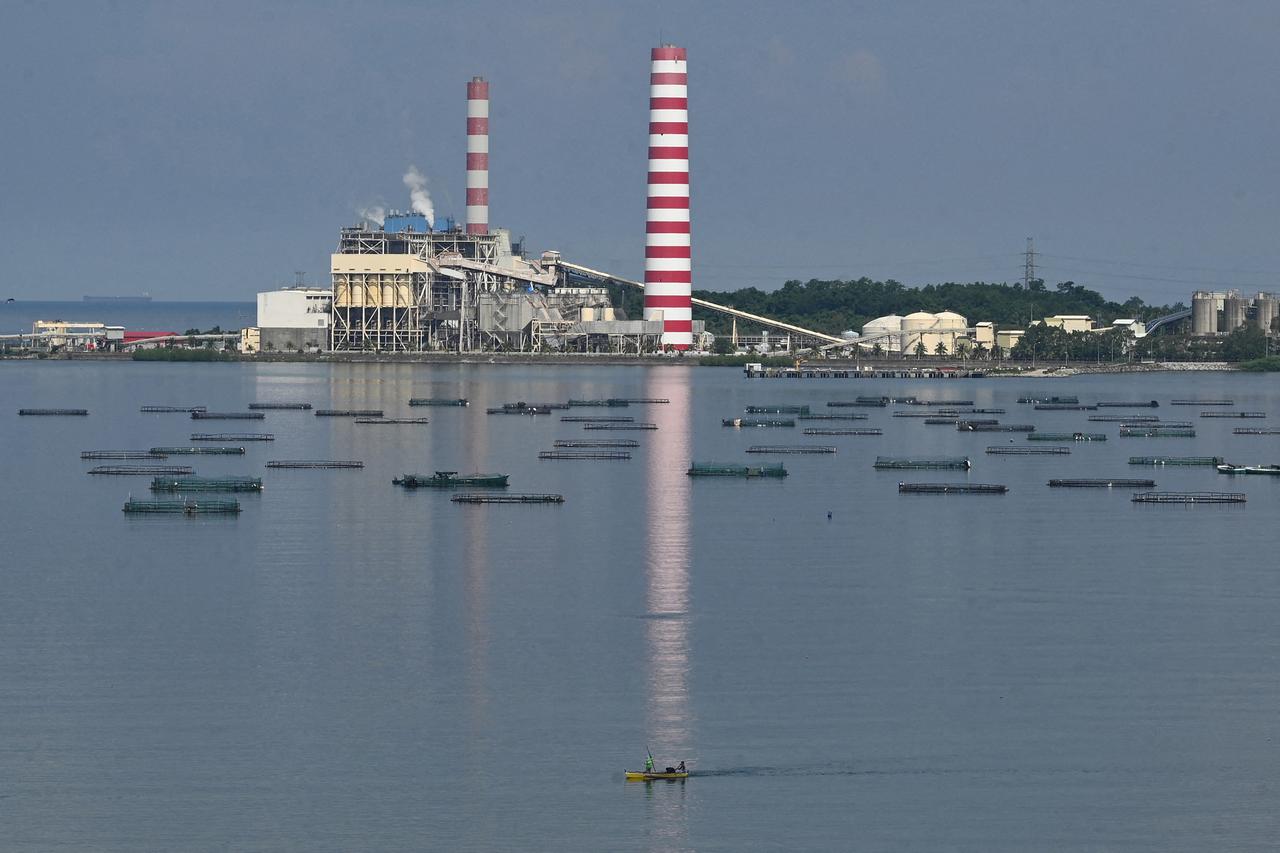


The Philippines on Tuesday became the first country to declare a national energy emergency in response to escalating global supply disruptions linked to the ongoing conflict in the Middle East, local media reported.
Philippine President Ferdinand Marcos declared a state of "national energy emergency" on Tuesday, citing risks to domestic fuel supply and energy stability caused by the Middle East war.
The emergency declaration came just hours after the country’s energy secretary said the Philippines planned to increase output from coal-fired power plants to keep electricity costs down as the conflict disrupts gas shipments.
"A state of national energy emergency is hereby declared in light of the ongoing conflict in the Middle East and the resulting imminent danger posed upon the availability and stability of the country's energy supply," the executive order released Tuesday evening said.
President Ferdinand Marcos Jr. signed an executive order formally declaring the emergency and activating a nationwide response to stabilize energy supplies and shield the economy from rising fuel costs, according to GMA News.

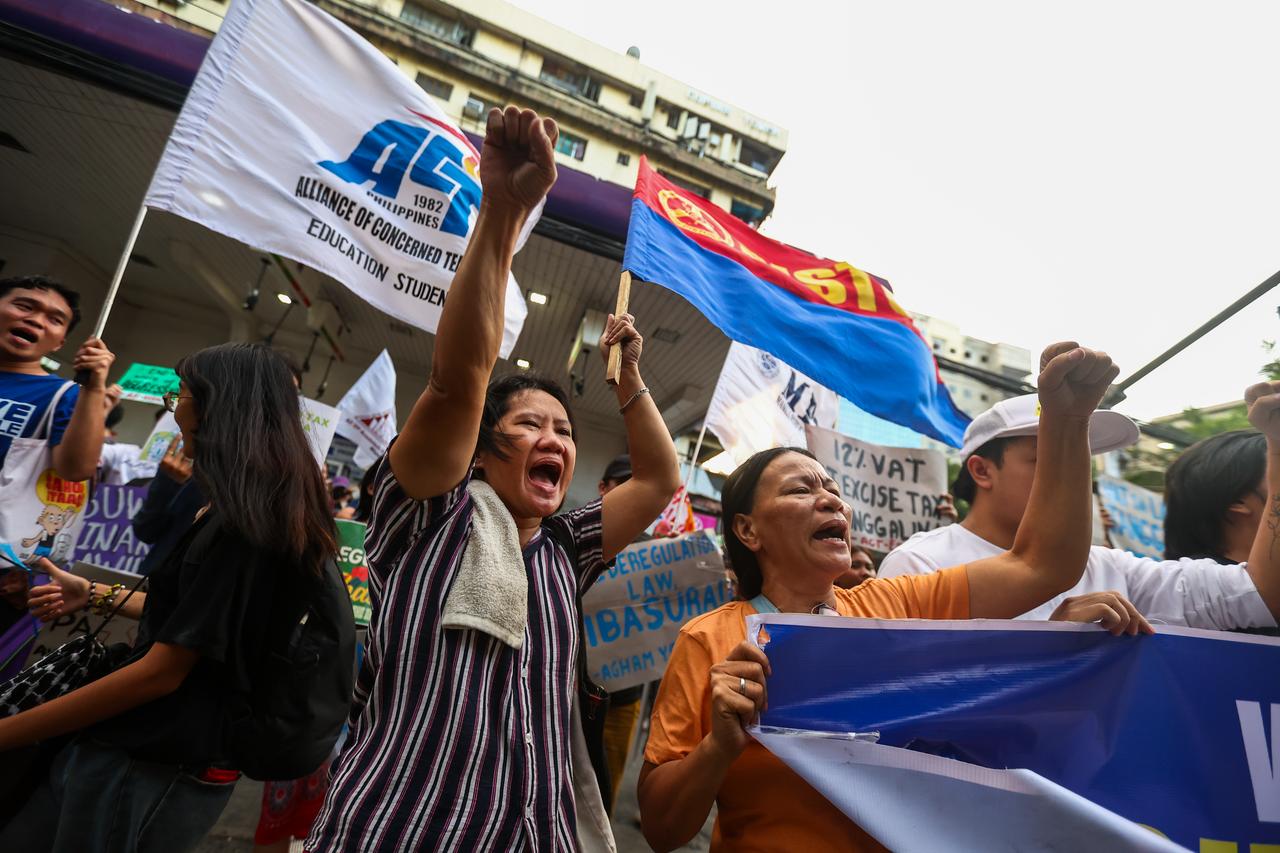
As part of the measures, the government introduced a comprehensive support framework known as the Unified Package for Livelihoods, Industry, Food, and Transport, or UPLIFT.
The order authorizes the country’s Department of Energy to make advance payments of 15% to secure fuel contracts while taking direct action against hoarding or profiteering.
"The declaration... will enable the government, through the (energy department) and other concerned agencies, to implement responsive and coordinated measures under existing laws to address the risks posed by disruptions in the global energy supply and the domestic economy," the order said.
The order also grants the transportation department authority to direct public transportation fuel subsidies and reduce or suspend toll charges and aviation fees, while fast-tracking aid to individuals in "crisis situations."
The initiative is aimed at assisting key sectors, including transport, agriculture, and micro, small, and medium enterprises.
Officials said the declaration enables a “whole-of-government” approach, allowing authorities to mobilize resources more effectively, manage fuel distribution, and implement targeted relief programs for affected communities.
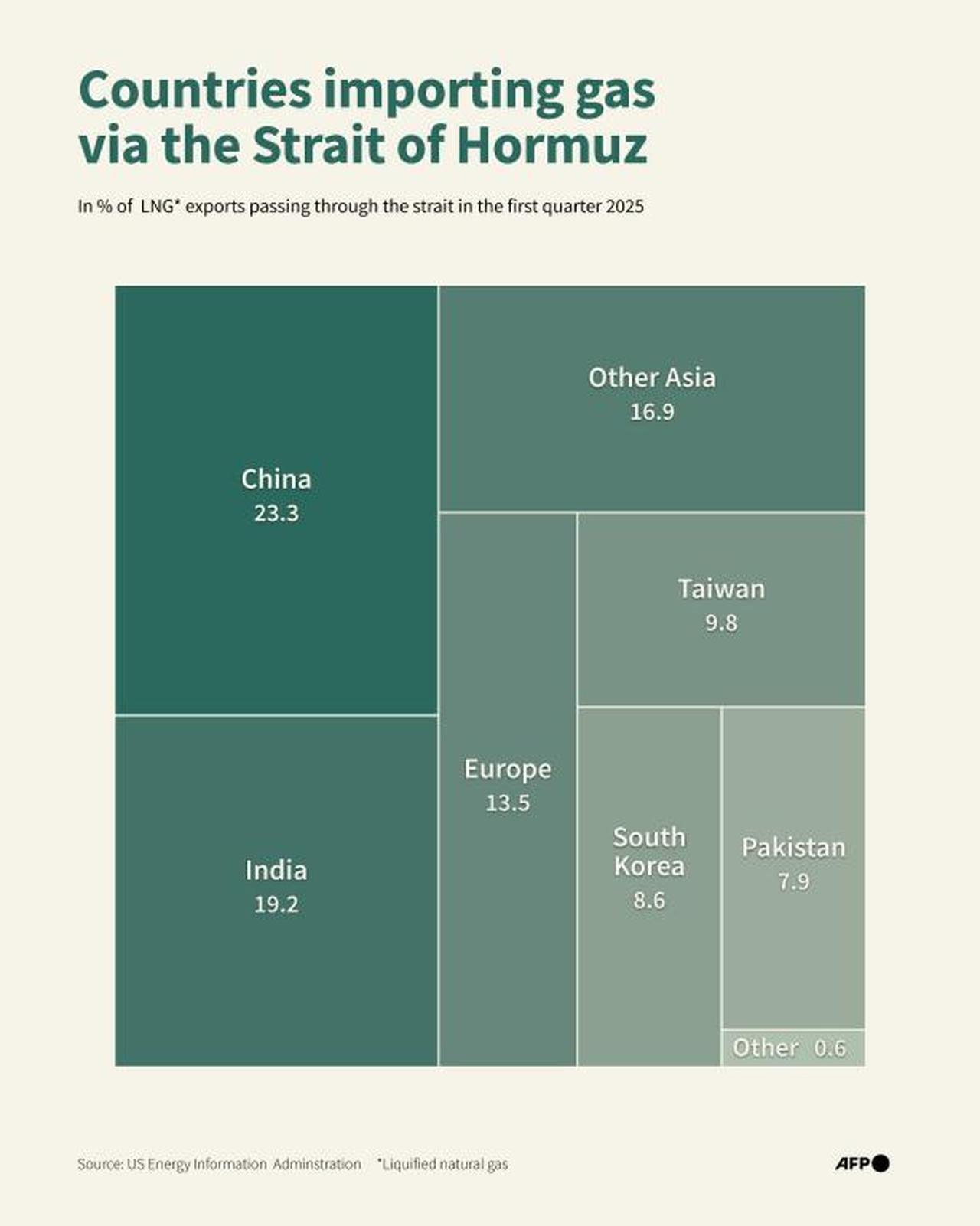
The Philippines, which has some of the region’s highest energy costs, is heavily dependent on imported fuel to keep its power plants running. The Southeast Asian nation procures nearly 26% of its energy supplies from the Middle East, with a bill in 2024 totaling $16 billion.
The archipelago nation of 116 million people relies on coal for about 60% of its electricity generation.
Energy Secretary Sharon Garin said earlier Tuesday that with the cost of liquefied natural gas soaring, the country would "temporarily" be forced to rely more heavily on coal.
While aiming to "maximize" the use of local coal, the Philippines is also considering increasing coal imports from its top supplier, Indonesia, the energy secretary said.
"We talked to the generation companies, the coal-powered plants, to check how much they can increase their generation," Garin said, calling it a "temporary measure" that could start as early as April 1.
"If we are successful in implementing this, at least we can decrease the electricity rate hikes because of the conflict in the Middle East," she said.
Indonesia has assured the Philippines it would place no limits on coal orders.
"There's no restriction on our importation of coal from Indonesia as of today," Garin said, adding that increased purchases may not be necessary.
President Marcos in January announced a "significant" discovery of natural gas near the country’s rapidly depleting Malampaya offshore natural gas field.
The discovery is expected to extend the life of the field, which supplies about 40% of power to the main island of Luzon and was expected to run dry within a few years.
Regional escalation in the Middle East has continued since the United States and Israel launched a joint offensive on Iran on Feb. 28, which has so far killed over 1,340 people, including then-Supreme Leader Ali Khamenei.
Iran has retaliated with repeated drone and missile strikes targeting Israel and Gulf countries hosting U.S. military assets.
Tehran has also taken control of the Strait of Hormuz, a critical global oil transportation route through which much of the world’s energy supplies pass, particularly shipments to Asian countries.


 Set as preferred source
 Set as preferred source


 2 min read

 1 min read