Newsletters




Israel’s foreign intelligence agency Mossad will assist the Shin Bet in investigating suspected foreign interference in Israel’s election, including the possible involvement of countries other than Qatar, Haaretz reported.
A source familiar with the investigation said the affair appeared limited in scope and that its impact, if any, was far less significant than some accounts suggested.
Security agencies are examining suspicions that foreign funds were transferred to political figures in Israel and used to finance voter mobilization "through various platforms," the source told Haaretz.
The countries under examination were not named.
The Shin Bet, responsible for thwarting foreign interference, is leading the investigation. Until Thursday, the Mossad maintained it had no role, but on Friday it agreed to a Shin Bet request to assist with specific aspects involving suspected foreign involvement.
The probe began after Central Elections Committee chairman Justice Noam Sohlberg instructed Shin Bet chief David Zini to investigate "serious suspicions" of improper foreign influence through foreign funding.
Sohlberg said he could not "attest to the nature of the suspicions."
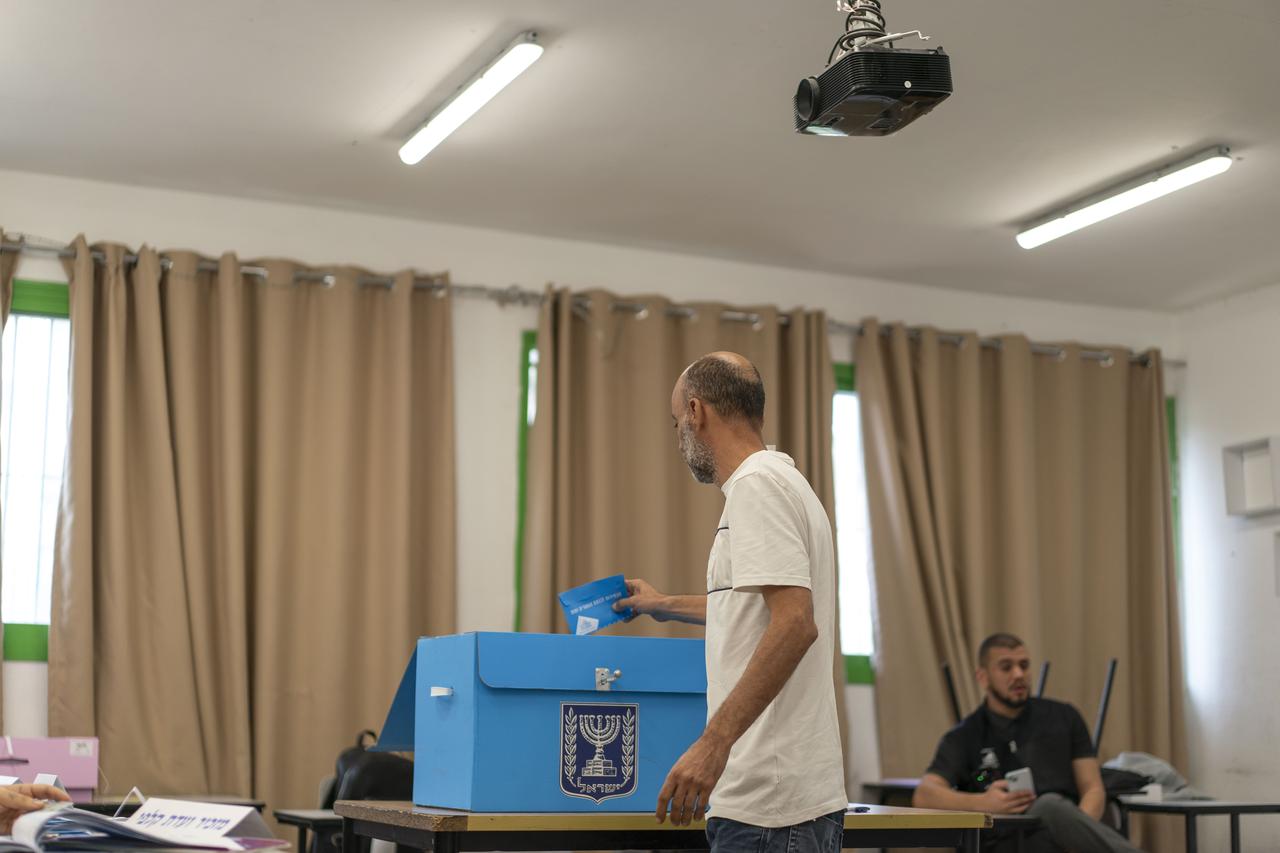
A committee source said claims included that Qatar had invested money to boost Arab turnout.

Qatar denied the accusations.
"We categorically deny allegations that Qatar has interfered in Israeli elections or funded any activities intended to influence their outcome," Foreign Ministry spokesman Majed al-Ansari wrote on X.
Türkiye's Center for Countering Disinformation (DMM) on Thursday called claims that Türkiye interfered in Israel’s election "completely baseless," after Yair Netanyahu, son of Prime Minister Benjamin Netanyahu and The Jerusalem Post, claimed Türkiye, Qatar and Arab states funded efforts to boost Arab turnout.
"These claims are part of a deliberate and open disinformation campaign aimed at manipulating public opinion," the DMM said.
Separately, police are expected to release three United Arab List (Ra’am) activists to house arrest after finding no evidence linking money seized on Election Day to an alleged attempt to bribe voters.
"The entire case began in the Prime Minister’s Office. While the findings necessitated an investigation, the incident was exploited for false electioneering. At this stage, there is no evidence for the suspicions," a senior law enforcement official said.
The investigation was launched after Ido Norden, acting head of Netanyahu’s office, passed information to Police Commissioner Danny Levy.
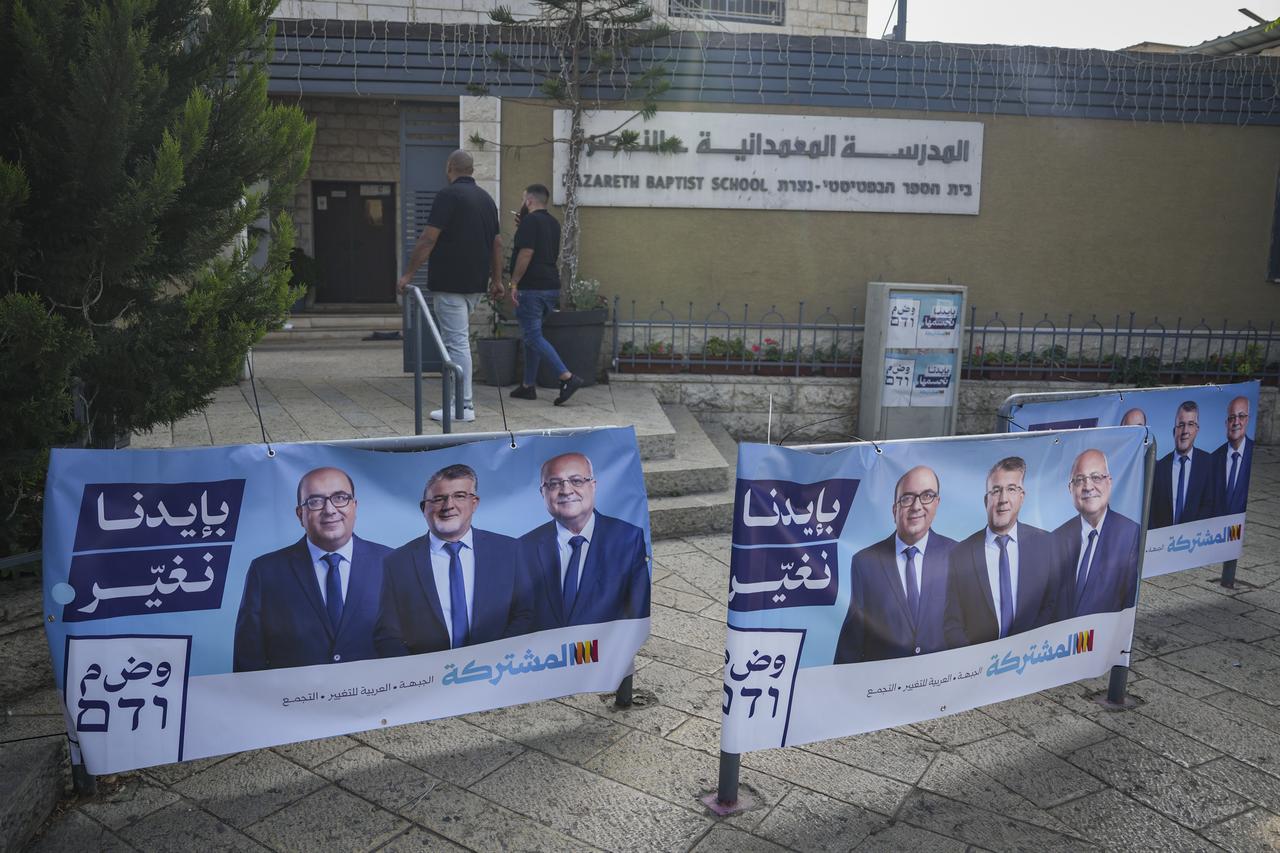
Likud repeated that "the elections were stolen," calling the suspected interference "an attack on democracy aimed at enabling a foreign takeover of the Knesset." It urged that no Zionist party cooperate with Arab parties to replace Knesset Speaker Amir Ohana.
"Political actors must not be allowed to exploit the situation and influence the date of the swearing-in of the 26th Knesset," Gadi Eisenkot’s Yashar party said.
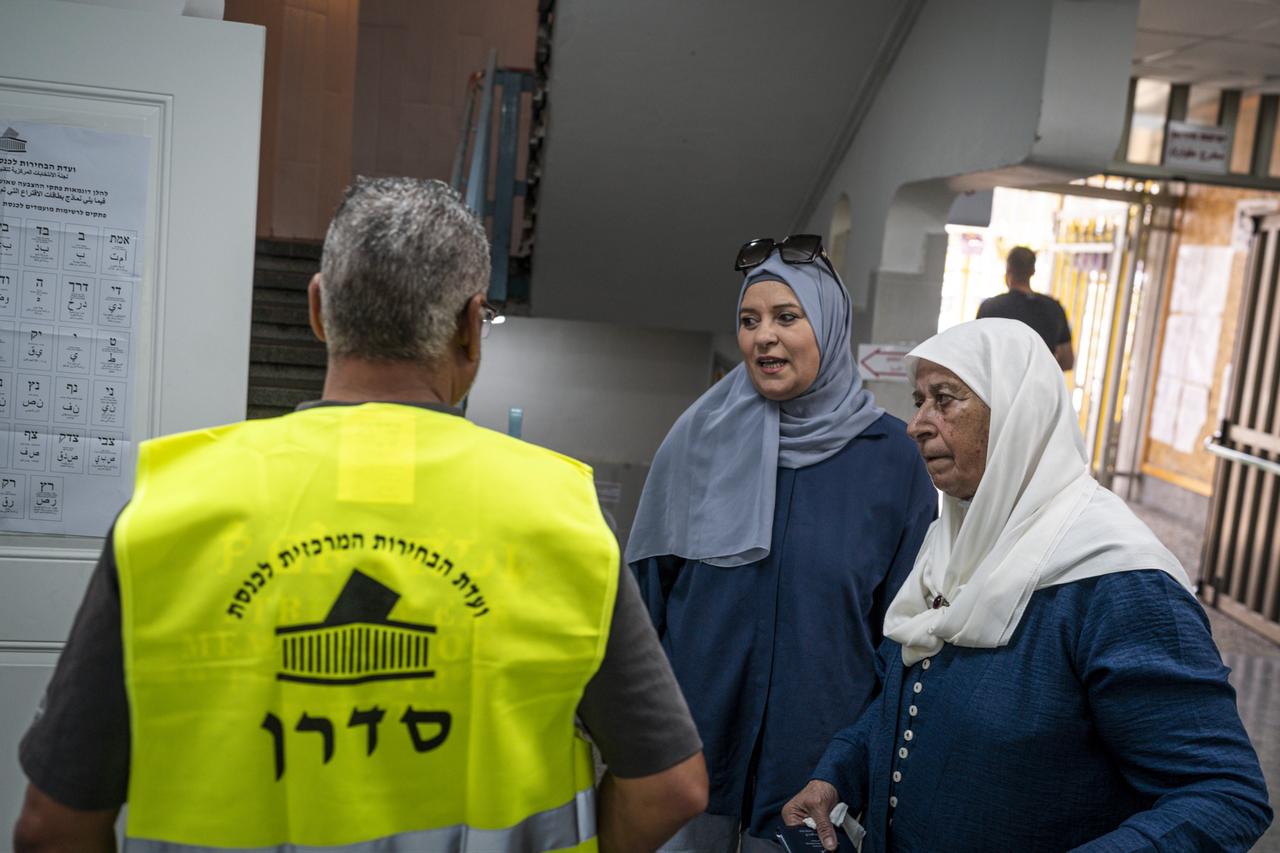
Final results gave Netanyahu’s bloc 53 seats, Eisenkot’s bloc 48 and Arab parties a record 19, with turnout at 77.9%, the highest since 1999.
Official results will be presented to President Isaac Herzog on Nov. 4, and the new Knesset is due to be sworn in Nov. 10, as the Mossad-backed probe continues.


 Set as preferred source
 Set as preferred source



 2 min read