Newsletters


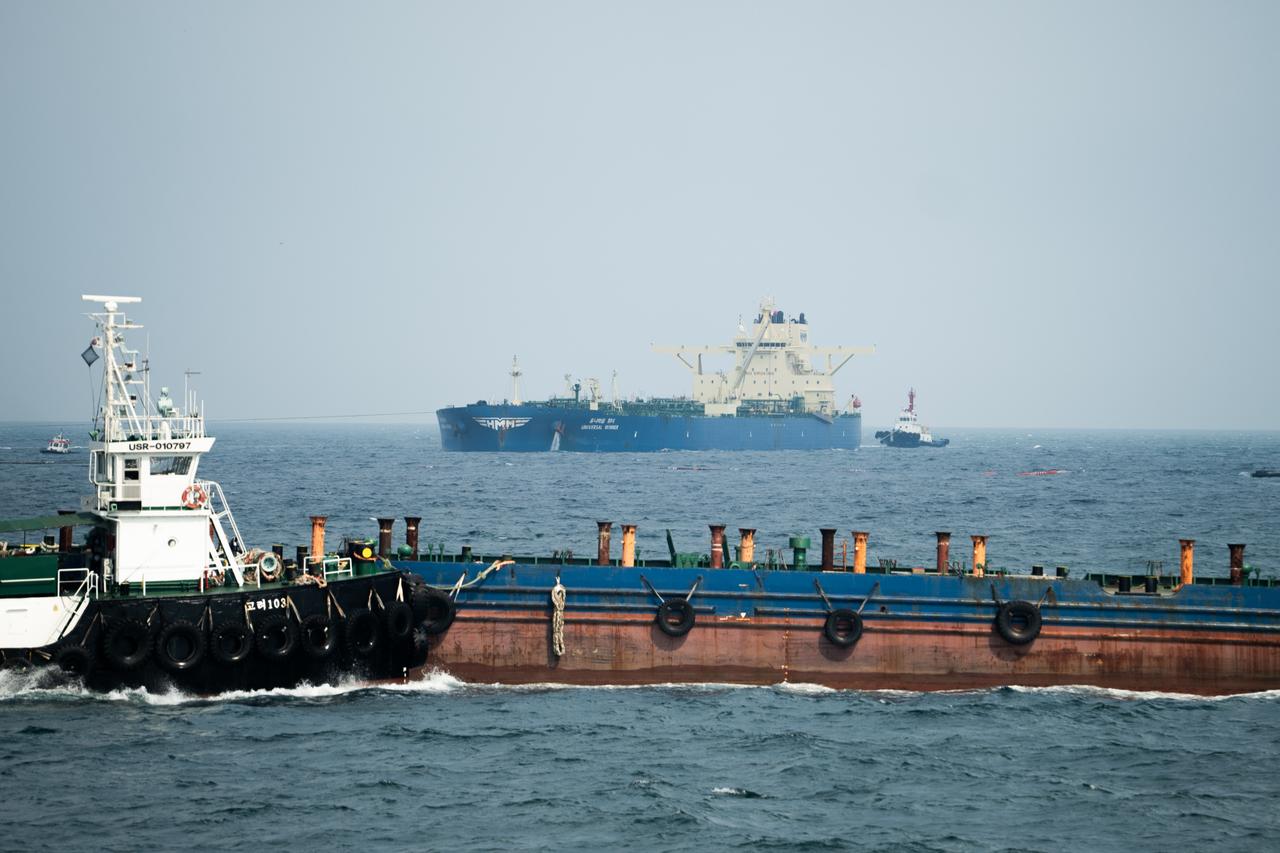


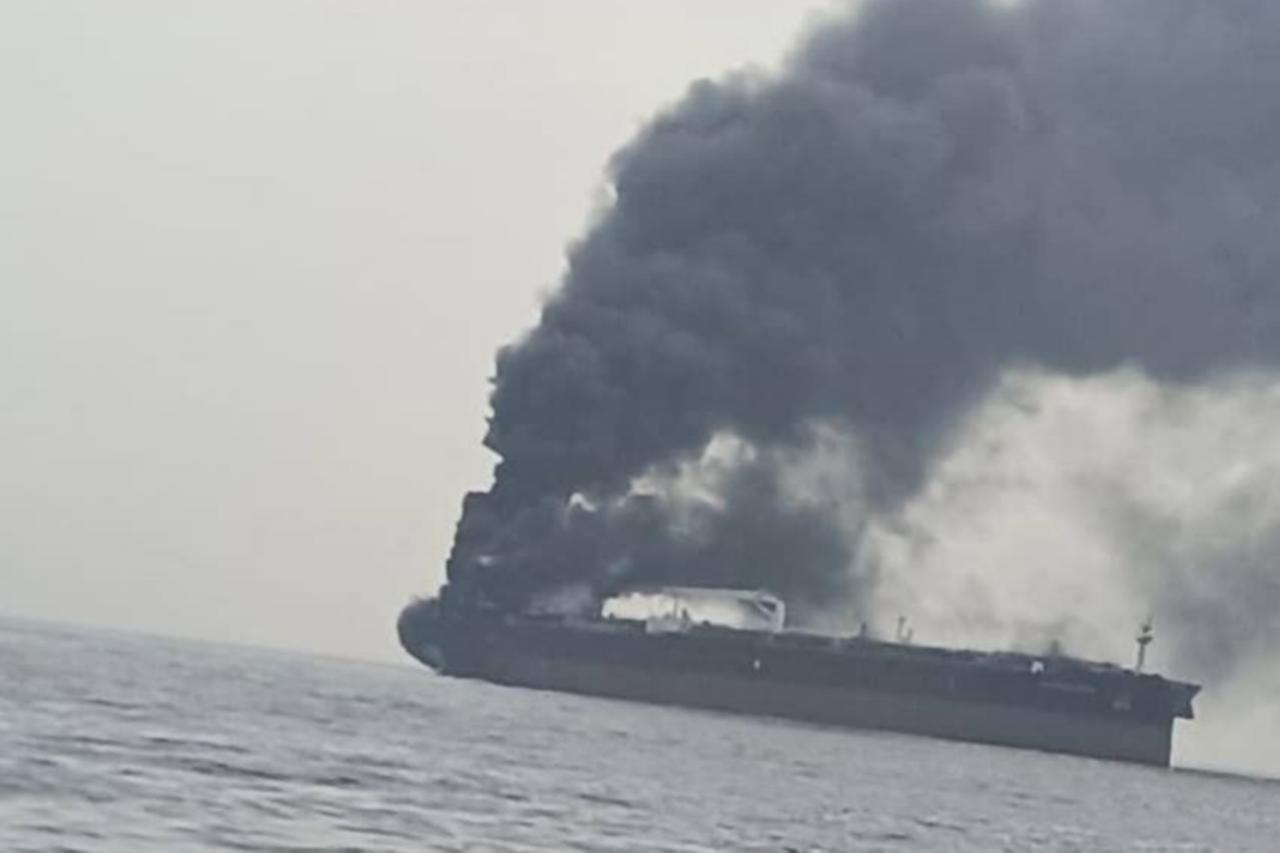
A crude oil tanker was struck by an unidentified projectile near the Strait of Hormuz on Friday, sparking a fire on board, as Iran reported multiple incidents involving oil tankers and Oman announced the rescue of 25 sailors from a merchant vessel attacked in the region.
The United Kingdom Maritime Trade Operations (UKMTO) said the vessel was hit on its port side at approximately 6 p.m. GMT, about 40 nautical miles (74 kilometers) south of Iran's Lavan Island, while completing an outbound transit through the strategic waterway.
"The crew of the vessel has been reported as safe and there is no reported environmental impact at this time," the UKMTO said on X.
The agency, which said it received information from a verified source, did not identify the vessel. Authorities launched an investigation and advised ships operating in the area to exercise caution and report suspicious activity.
Separately, Iran's Islamic Revolutionary Guard Corps (IRGC) Navy claimed that a supertanker carrying more than 2 million barrels of crude oil had struck a naval mine while attempting to navigate a route Tehran considers unauthorized.
The IRGC said the explosion caused the tanker to catch fire after its crew allegedly ignored repeated radio warnings against using the southern passage through the strait.
It was not immediately clear whether the tanker reported by the IRGC was the same vessel involved in the incident reported by the UKMTO.
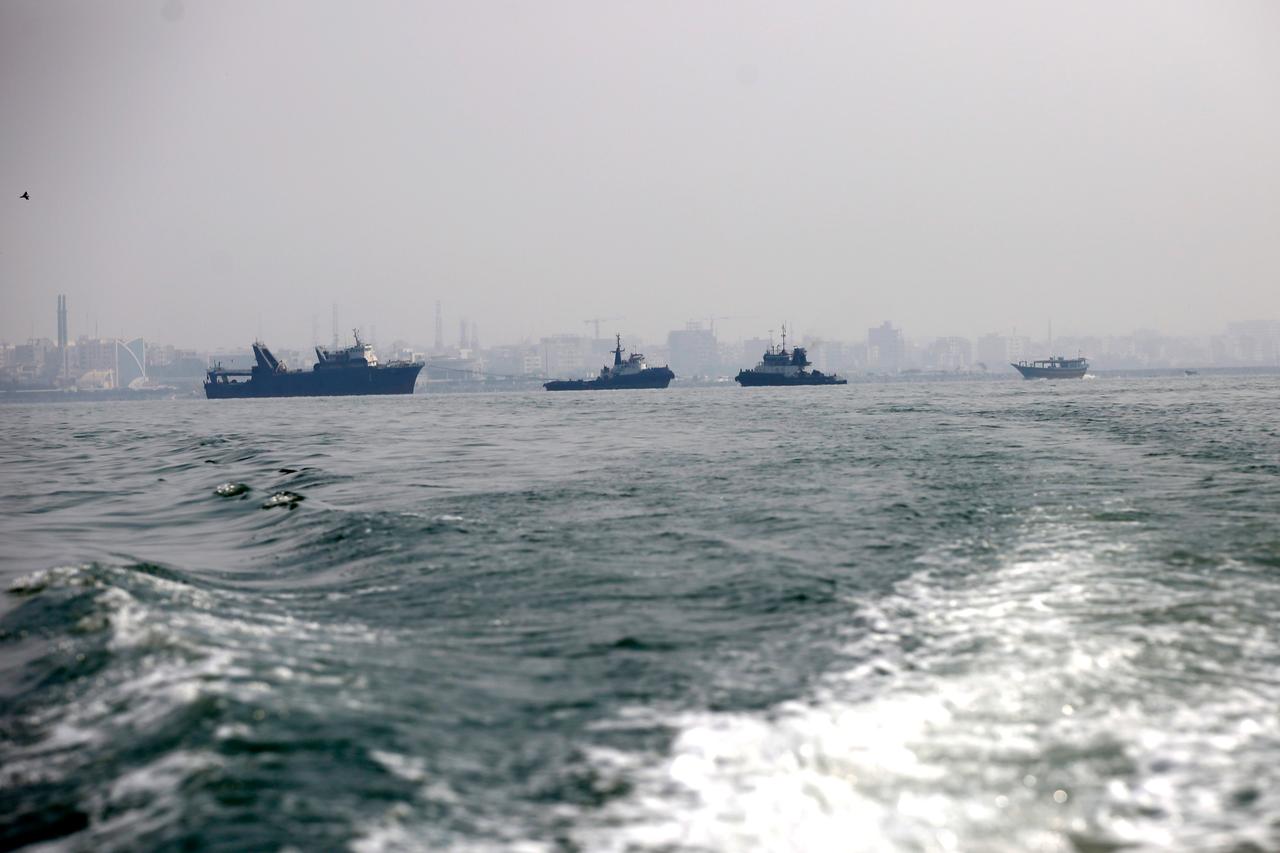

The IRGC reported several incidents involving oil tankers Friday, accusing vessels of attempting to pass through the Strait of Hormuz without authorization from Iranian authorities.
"Two offending oil tankers, one in the eastern part and the other in the western part of the Strait of Hormuz, which were attempting to pass through the unauthorised route, encountered incidents and were brought to a halt in the waters south of the strait," the IRGC said in a statement.
The Guards claimed the vessels had disabled their navigation and positioning systems and disregarded repeated radio warnings while attempting to transit the waterway with U.S. military support.
The IRGC initially reported that a supertanker carrying 2 million barrels of oil had stopped following an explosion caused by a naval mine.
"This is the third oil tanker to have exploded and caught fire today as a result of attempting to pass through an unauthorised route," it said.
In a separate account, the IRGC described a tanker carrying more than 2 million barrels as the fourth vessel to catch fire in the strait since early Friday.
The differing accounts did not establish how many separate vessels had been affected.
Iranian authorities had also reported Thursday that at least four tankers had stopped in the area after allegedly striking naval mines.
Tehran has restricted maritime traffic through the strait, requiring vessels to follow designated routes and coordinate their passage with Iranian armed forces.
Iran considers a southern shipping corridor closer to Oman's coast unauthorized.
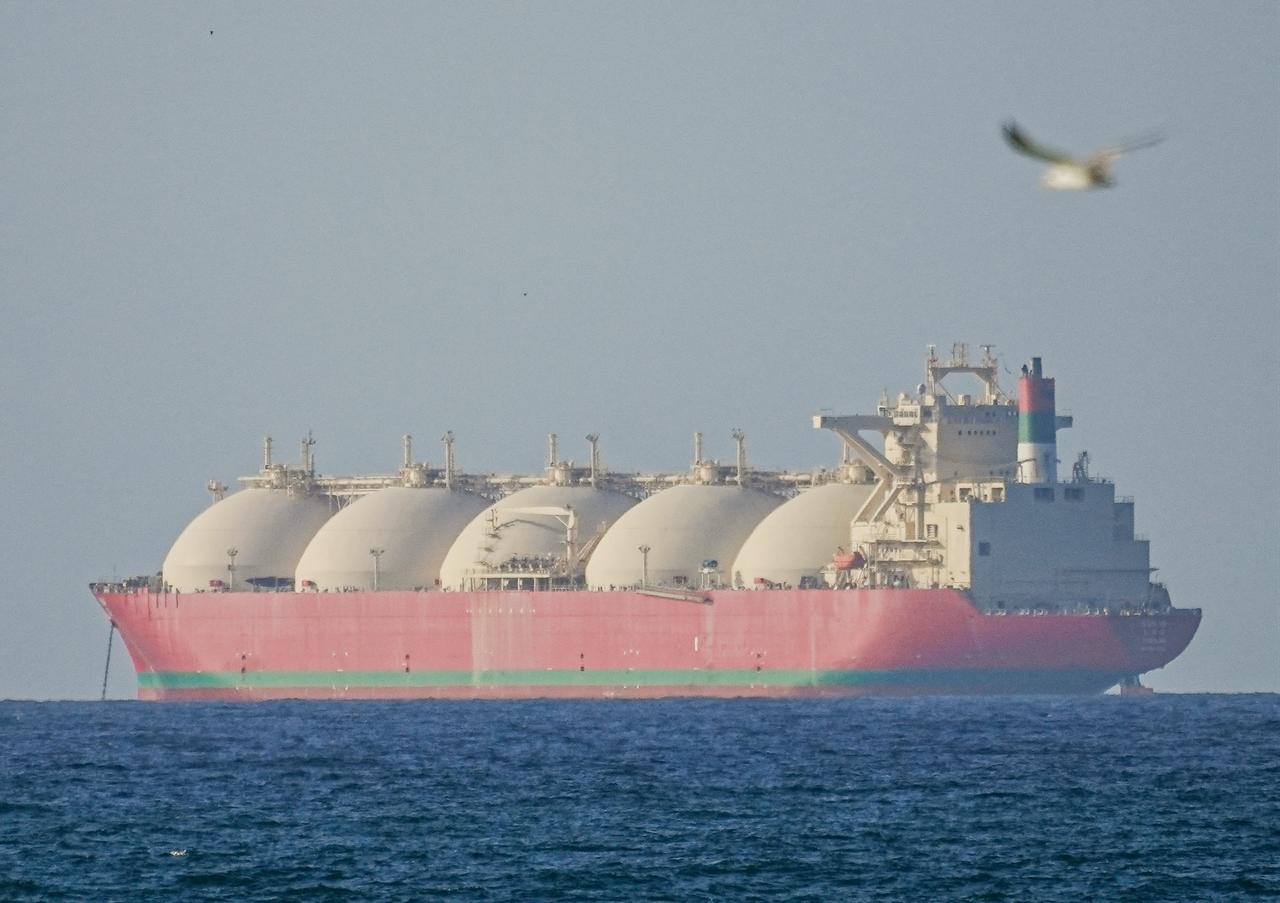
Oman separately announced Friday that its navy had rescued 25 crew members from a Panamanian-flagged merchant vessel that caught fire following an attack.
Muscat's Maritime Security Centre said the navy "carried out an evacuation operation for 25 crew members of the merchant ship RITI, flying the Panamanian flag, after it was targeted, which led to a fire breaking out on board."
The rescued sailors received medical care, according to the Omani statement, which provided no further details about their condition.
The vessel-tracking website MarineTraffic identified RITI as a crude oil tanker.
The available reports did not establish whether the attack on RITI was connected to the incidents separately described by the UKMTO and Iranian authorities.
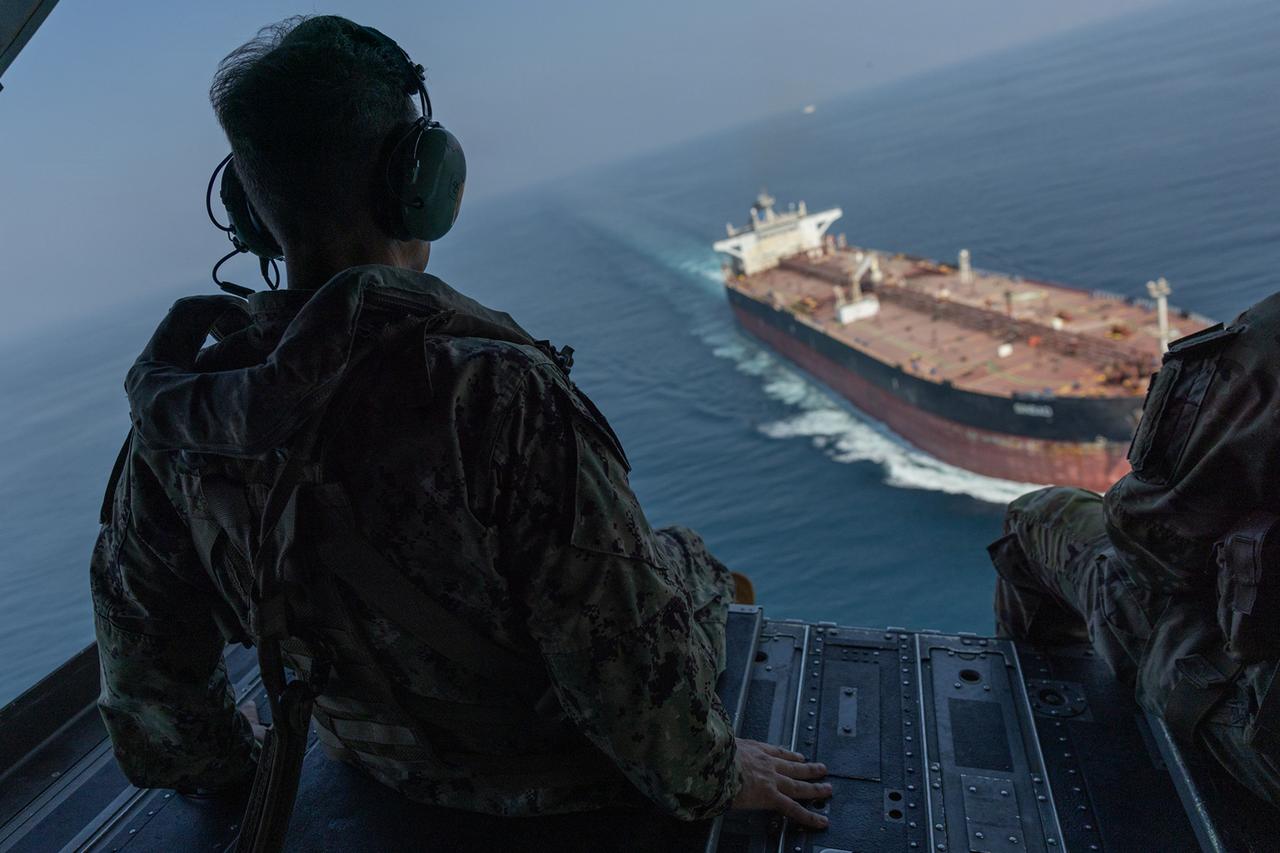
Meanwhile, U.S. Central Command chief Brad Cooper said Friday that American forces had cleared the strait's main internationally recognized shipping routes of Iranian naval mines.
In a video released by the military, Cooper said U.S. forces had "successfully cleared the strait's internationally recognised primary transit routes of Iranian sea mines".
He added that American personnel remained "present to ensure that all primary transit routes in the Strait of Hormuz remain free and clear."
Cooper said he had visited some of the more than 50,000 U.S. service members deployed in the region.
He also reiterated Washington's claim that U.S. operations had helped Gulf countries export more than 1.5 billion barrels of crude oil through the strait since the summer.
The U.S. military's account came as Iranian authorities continued to report mine-related incidents involving commercial shipping.
 1 min read
The latest incidents highlight persistent threats to maritime navigation through the Strait of Hormuz, which connects the Gulf to the Gulf of Oman and normally carries approximately one-fifth of global oil shipments.
Iran has imposed restrictions on traffic through the waterway since the United States and Israel launched military strikes against the country Feb. 28, triggering Iranian retaliation across the region.
Commercial vessels have since faced repeated attacks and disruptions, while Tehran has insisted that ships coordinate their movements with Iranian authorities.
Washington has responded to Iran's restrictions with a naval blockade of Iranian ports, seeking to limit Tehran's oil exports and international trade.
Despite subsequent diplomatic efforts and a memorandum signed by Washington and Tehran in June, disagreements over freedom of navigation and maritime security arrangements remain unresolved.
The continued disruption to one of the world's most important energy shipping routes has raised concerns over global oil and liquefied natural gas supplies.


 Set as preferred source
 Set as preferred source


 1 min read