Newsletters


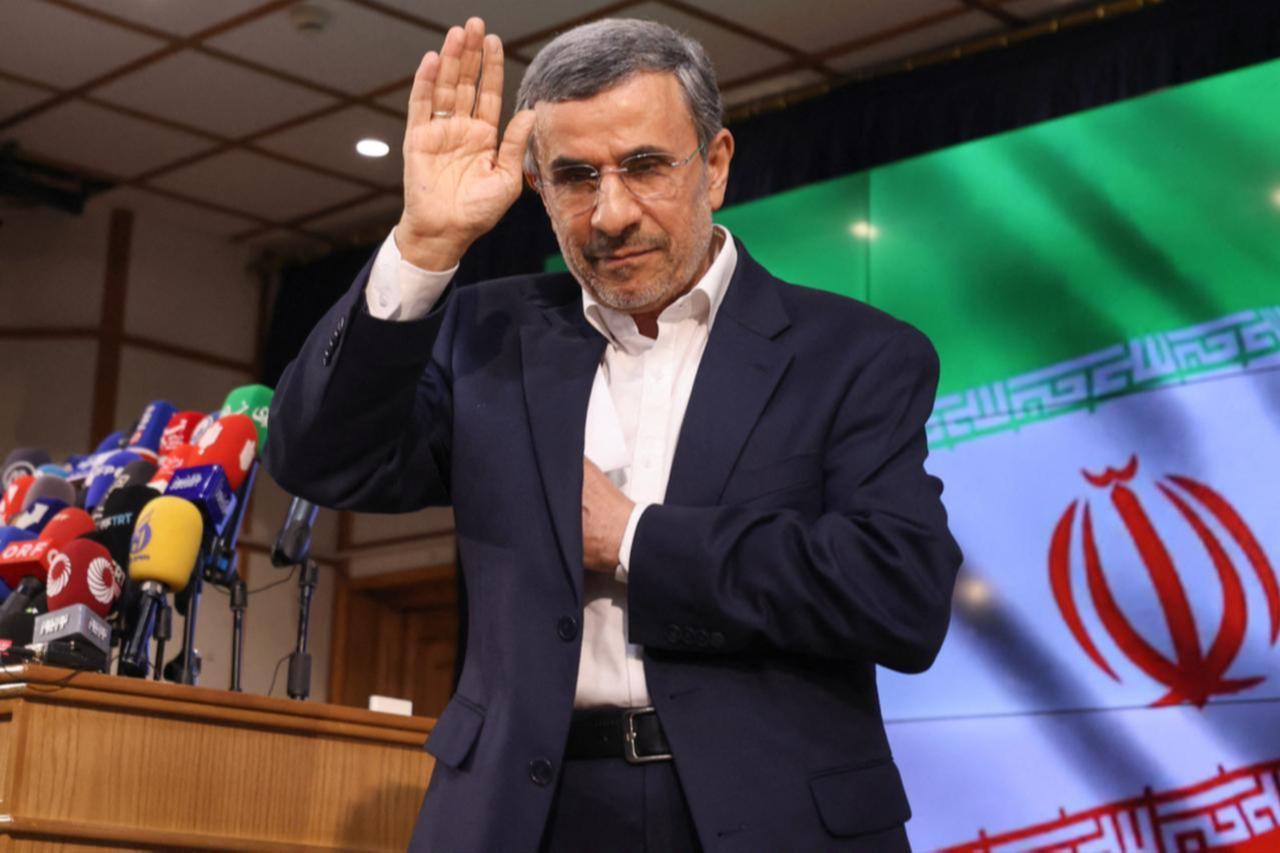


Mossad sought to cultivate Mahmoud Ahmadinejad and install him as Iran’s leader, The New York Times reported.
These allegations his office later rejected as “completely false.”
Ahmadinejad’s office described the allegations, including a claim that he is under house arrest, as fabricated reports intended to mislead public opinion and deepen divisions inside Iran.
“We categorically reject all the completely false allegations promoted by The New York Times,” his office said.
The New York Times reported Monday, citing American, Iranian, and Israeli officials familiar with the operation, that Israeli intelligence sought to recruit Ahmadinejad as part of a broader plan to remove Iran’s government.
Mossad officials did not respond to the newspaper’s requests for comment. Ali Akbar Javanfekr, a spokesperson for Ahmadinejad, also declined to comment for the original report.
According to The New York Times, Ahmadinejad’s visits to Ludovika University of Public Service in Budapest in 2024 and 2025 were used as cover for meetings with Israeli intelligence operatives.
The university’s rector, Professor Gergely Deli, said a senior Hungarian government official asked him in early 2024 to organize a climate conference and invite Ahmadinejad.
Deli said he was told the conference would provide an opportunity for the former Iranian president to hold secret discussions with Israeli intelligence officials.
“You have two enemies, and if these enemies want to talk with each other, then it’s best to do what you can to make them talk,” Deli told the newspaper.
The New York Times reported that David Barnea, then the head of Mossad, traveled to Budapest in 2024 to meet Ahmadinejad personally. Former American officials said Mossad later informed the CIA that it had been in contact with him.
American officials also alleged that Israel secretly paid some of Ahmadinejad’s housing and travel expenses and met him abroad on several occasions.
Ahmadinejad returned to Budapest in June 2025, shortly before Israel launched a war against Iran.
His Iranian bodyguards reported that he managed to leave his security detail at least twice for lengthy meetings. When questioned, Ahmadinejad said he had met university professors, according to Iranian officials cited by the newspaper.
During his university appearance, Ahmadinejad delivered a speech in English about “shared humanity” and a “changing world order.”
Deli later said he had acted as a “strohmann,” a German word meaning “frontman” or “puppet,” by inviting Ahmadinejad.
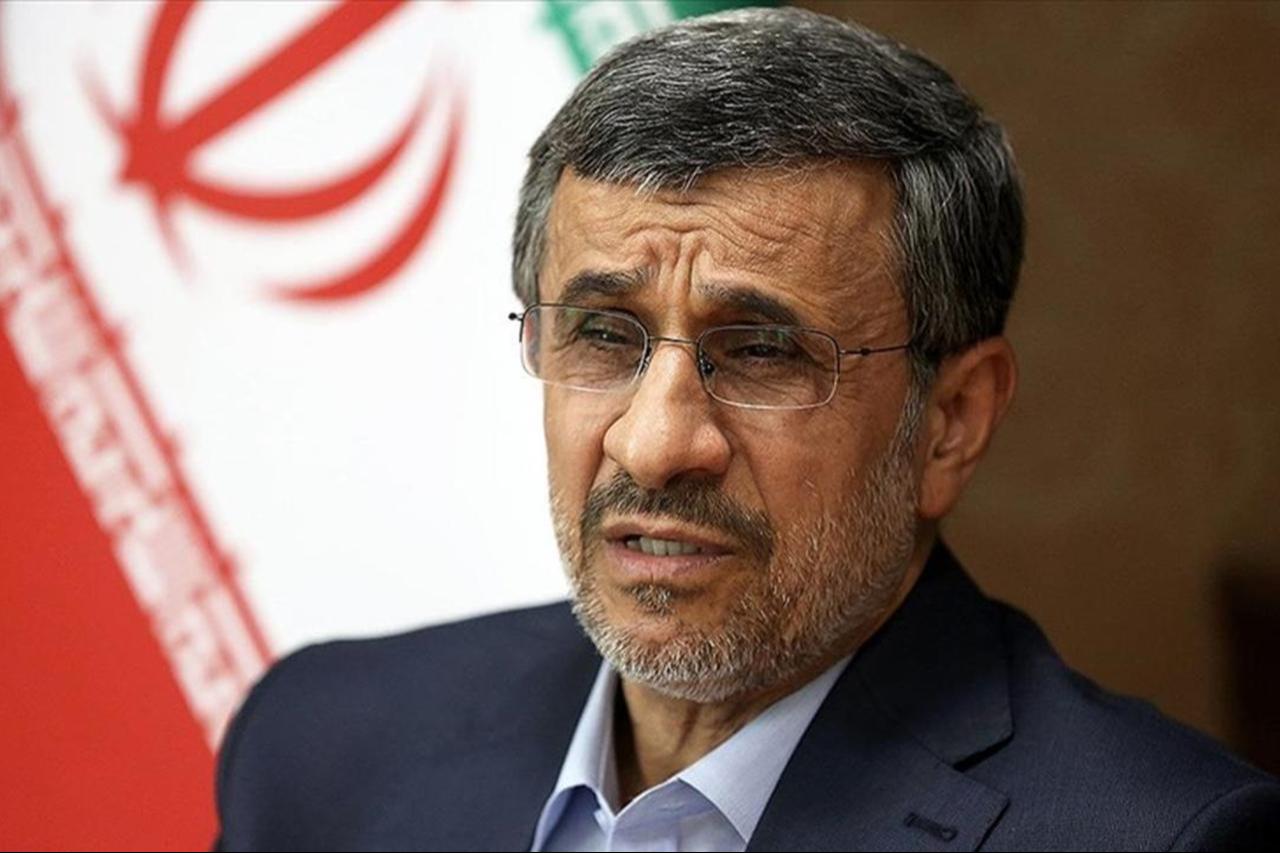

The New York Times reported that the operation culminated in late February during the opening days of the U.S.-Israeli war against Iran.
On Feb. 28, an Israeli airstrike hit Ahmadinejad’s compound, targeting a building used by his guards and his armored vehicle, according to four senior Iranian officials.
A black Peugeot reportedly arrived after the strike, collected Ahmadinejad and left the area at high speed.
American and Iranian officials familiar with the alleged operation said Mossad operatives drove him to a secret safe house inside Iran.
The report said Ahmadinejad was upset by the chaotic operation and appeared increasingly doubtful about the Israeli plan to return him to power.
He later left the safe house under unclear circumstances.
Ahmadinejad was not seen publicly again until he appeared briefly last Monday at the funeral procession for slain Supreme Leader Ayatollah Ali Khamenei.
Videos showed him standing silently with his head lowered and surrounded by people who appeared to be security officers.
Four senior Iranian officials told The New York Times that Ahmadinejad was now being held under house arrest by the intelligence branch of the Islamic Revolutionary Guard Corps after authorities uncovered much of his alleged contact with Israel.
His office rejected the house arrest claim as part of what it called the newspaper’s “absurd” allegations.
According to The New York Times, the effort to cultivate Ahmadinejad was part of a wider Israeli plan to overthrow Iran’s government.
Another element involved arming and training Iranian Kurdish opposition forces in northern Iraq to enter western Iran, seize territory, and eventually advance toward Tehran. That operation was never carried out.
Tamir Hayman, a former head of Israeli military intelligence, referred to the broader plan during a May interview with the PBS program “Firing Line.”
The plan involved a “sequence of special operations, very, very unique, that was supposed to happen,” Hayman said.
“And Ahmadinejad was part of that sequence.”
The New York Times reported that Ahmadinejad told some close associates he wanted to become Iran’s future leader with foreign support.
An associate in his inner circle said Ahmadinejad had become disillusioned after being barred from running for president three times and concluded that he could not regain power while the current system remained.
The associate said Ahmadinejad portrayed himself as a potential reformer similar to former Russian President Boris Yeltsin and suggested Iran could recognize Israel and normalize relations under President Donald Trump’s Abraham Accords if he returned to power.
Abdolreza Davari, a former associate and senior adviser who later fell out with Ahmadinejad, said power rather than money would have motivated him.
“Ahmadinejad would not do this for money,” Davari said. “He would do it for power. He wants to be at the helm of power.”
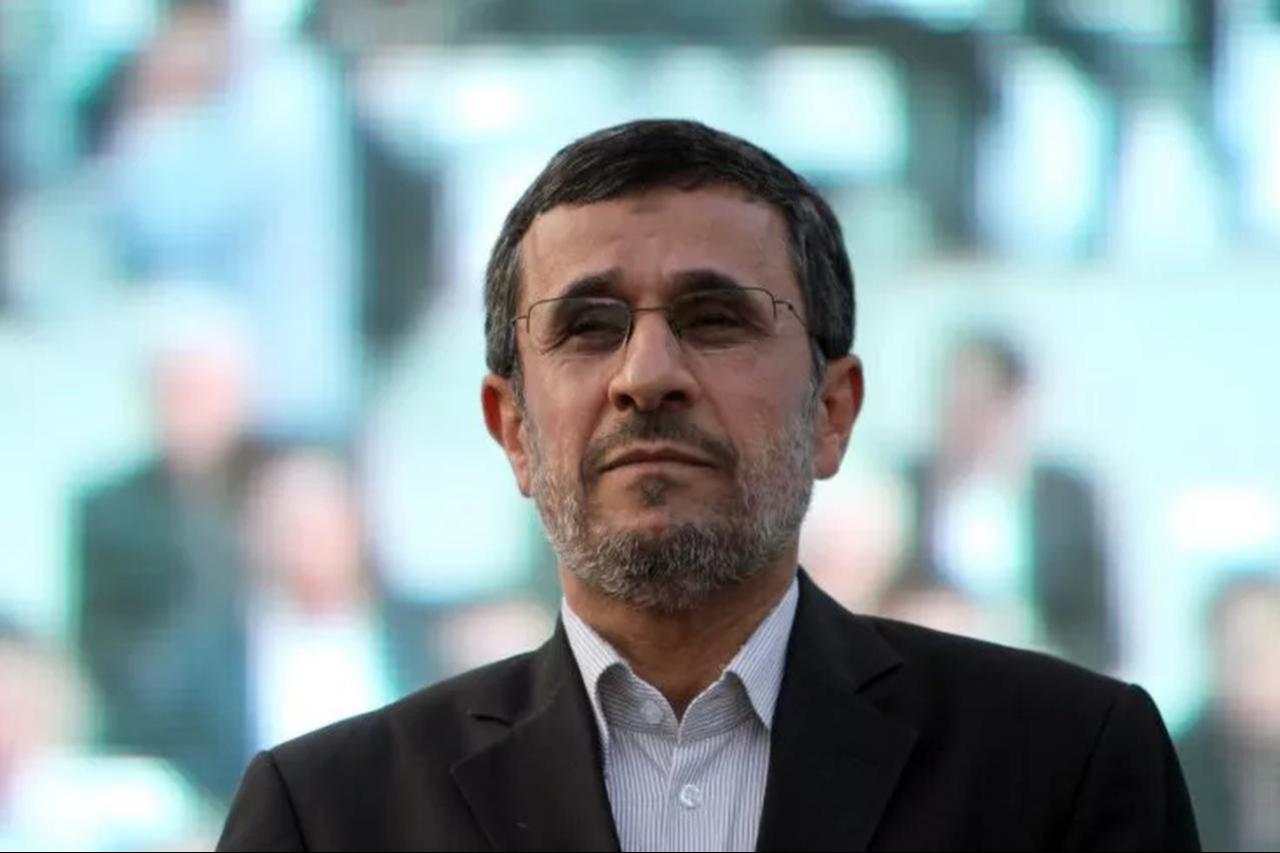
Ahmadinejad served as Iran’s president from 2005 to 2013 and was known for anti-Israel statements, Holocaust denial, and the expansion of Iran’s nuclear activities.
Under his administration, Iran restarted uranium enrichment, while security forces violently suppressed protests challenging his disputed reelection in 2009.
After leaving office, however, Ahmadinejad softened his rhetoric and attempted to present a more moderate image, according to The New York Times.
He criticized security forces for violent crackdowns, accused political leaders of corruption and discussed subjects including Iranian pop culture.
He replaced his oversized khaki jacket with tailored suits, groomed his beard, appeared to receive Botox treatments and began learning English.
Ahmadinejad also held public meetings in Tehran to hear citizens’ grievances and traveled around the country to meet supporters.
Although senior officials restricted his movements and prevented him from seeking the presidency again, he retained a seat on a council that advises the supreme leader.
Israeli intelligence closely followed his growing conflict with Khamenei and other senior Iranian officials, according to two Israeli defense officials cited by the newspaper.
Iranian security officials reportedly became suspicious after Ahmadinejad sent public letters to Trump in 2017 and later to Saudi Crown Prince Mohammed bin Salman.
The New York Times said it was unclear when Israeli operatives first approached Ahmadinejad, but Iranian officials reported possible contact during a 2023 trip to Guatemala for an environmental conference.
Iranian security forces initially prevented him from boarding his flight, prompting Ahmadinejad to stage a lengthy sit-in at Tehran’s airport and post updates on social media.
Authorities later allowed him to travel.
“Some people told me not to travel to Guatemala; I told them my brother, the minister of environment, invited me,” Ahmadinejad said in a video. “This is a very important country in Latin America.”
The following year, he traveled to Budapest for the first Ludovika University conference, where the alleged meetings with Israeli intelligence reportedly continued.


 Set as preferred source
 Set as preferred source


 1 min read
 1 min read