

 Newsletters


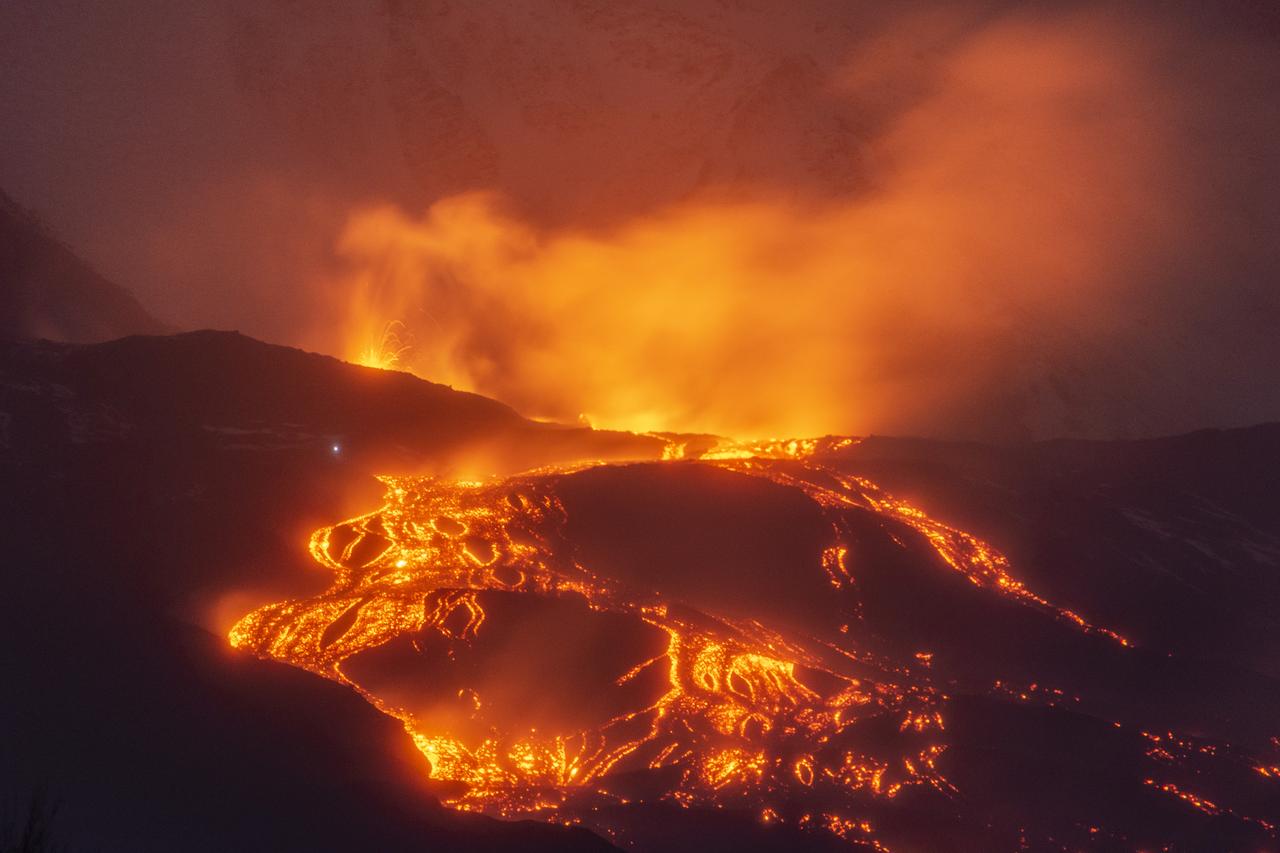
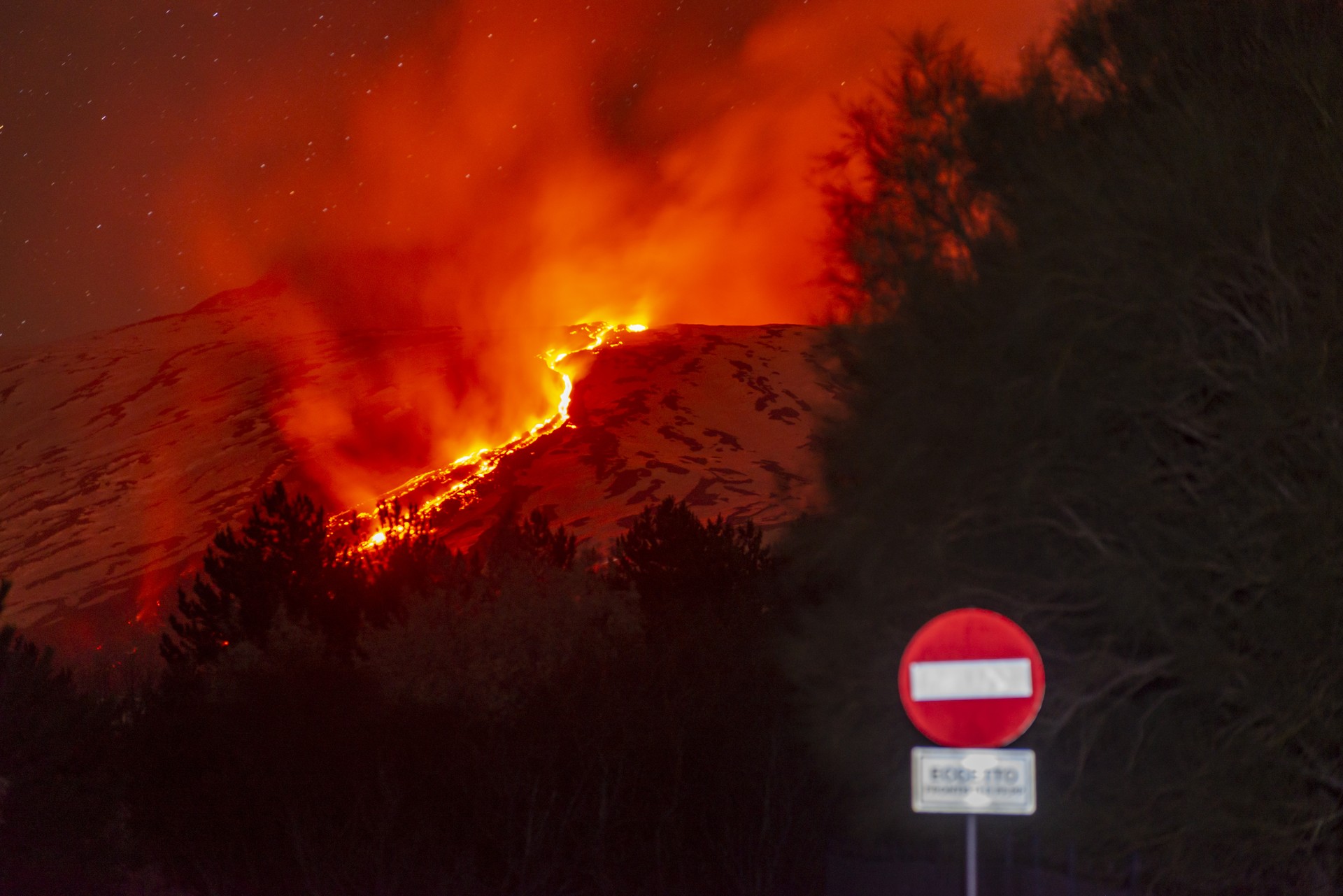
Mount Etna entered a new paroxysmal phase on Saturday, Aug. 8, as intense activity centered on the Voragine summit crater sent volcanic ash across parts of eastern Sicily and severely disrupted operations at Catania International Airport.
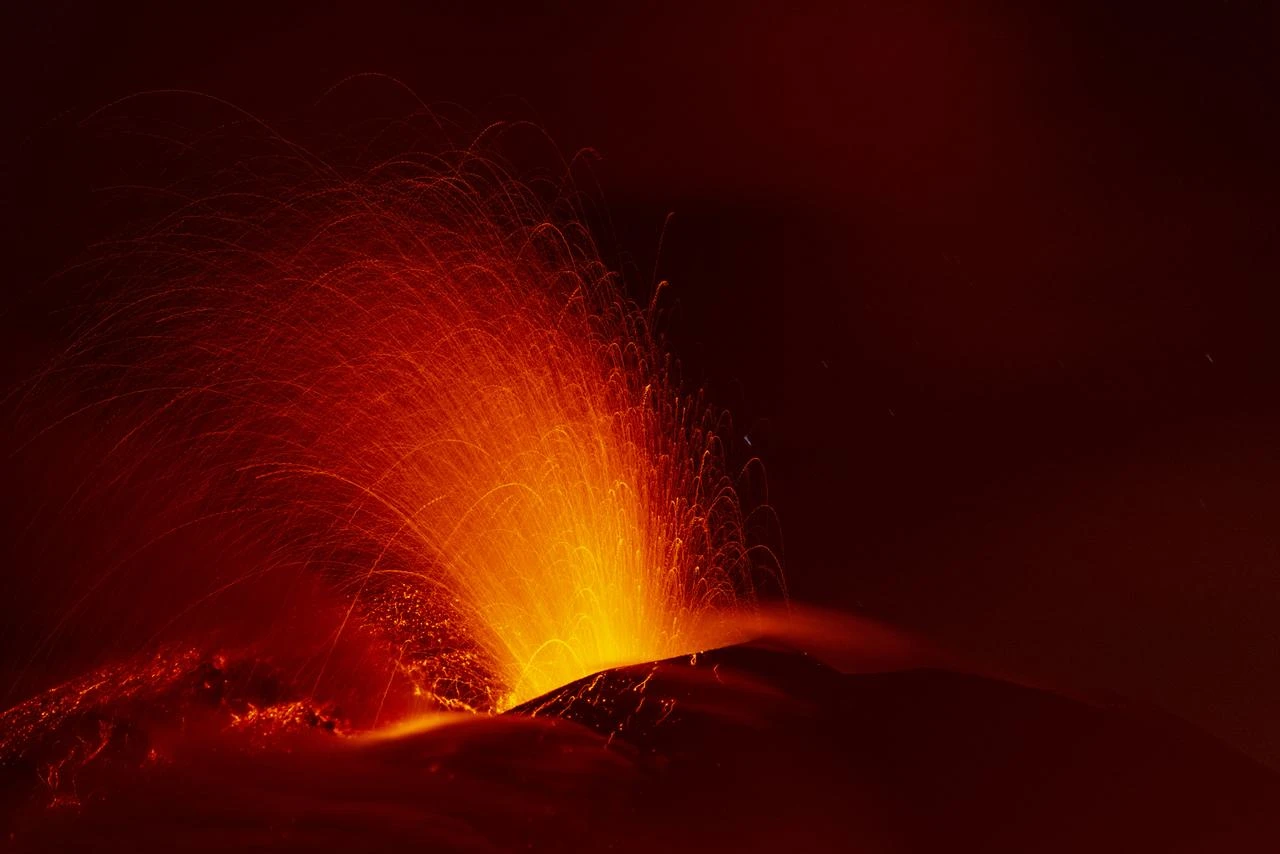
The activity had begun to build up rapidly on the evening of Aug. 6 before developing into a powerful lava fountain overnight and continuing into Aug. 7.
A paroxysmal phase refers to a short period of particularly intense volcanic activity, which can involve powerful lava fountains, ash emissions and rapidly changing eruptive conditions.
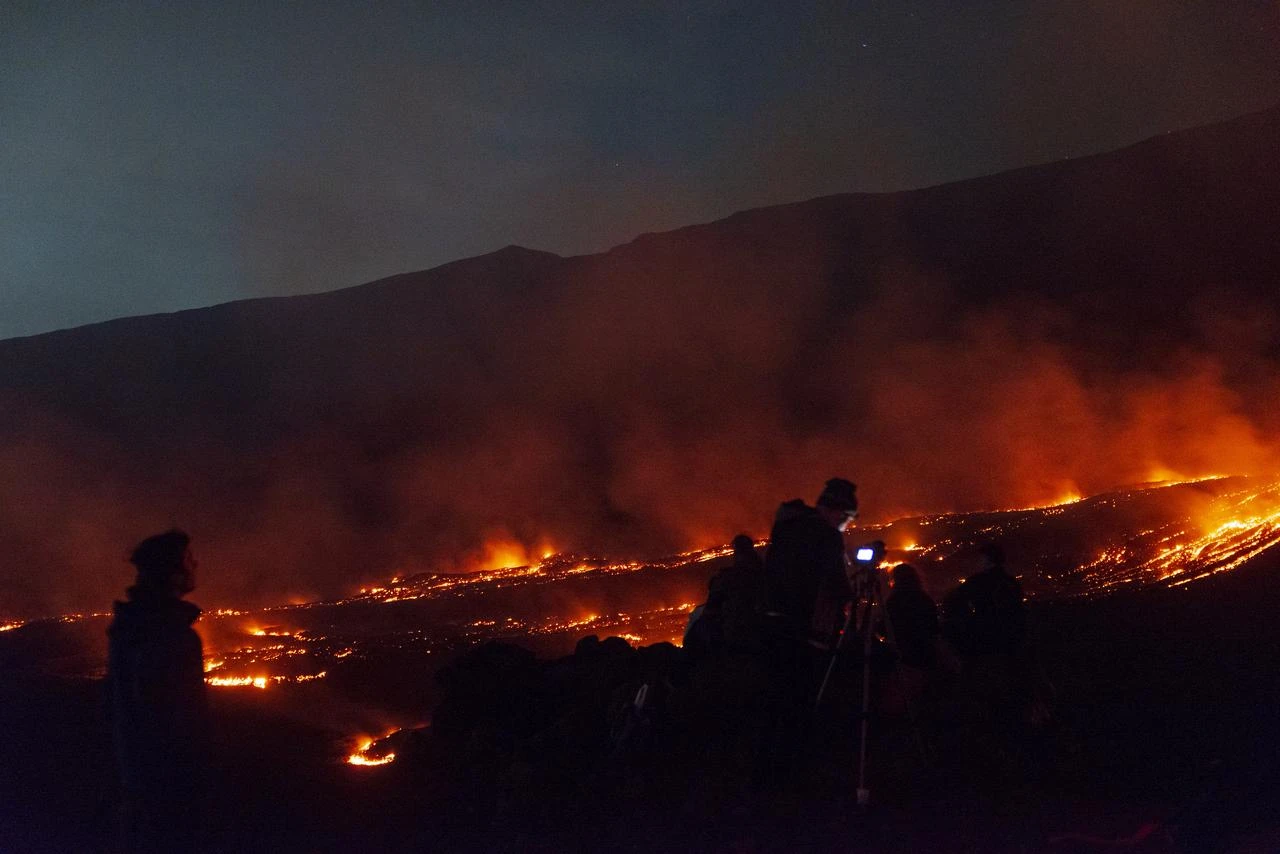

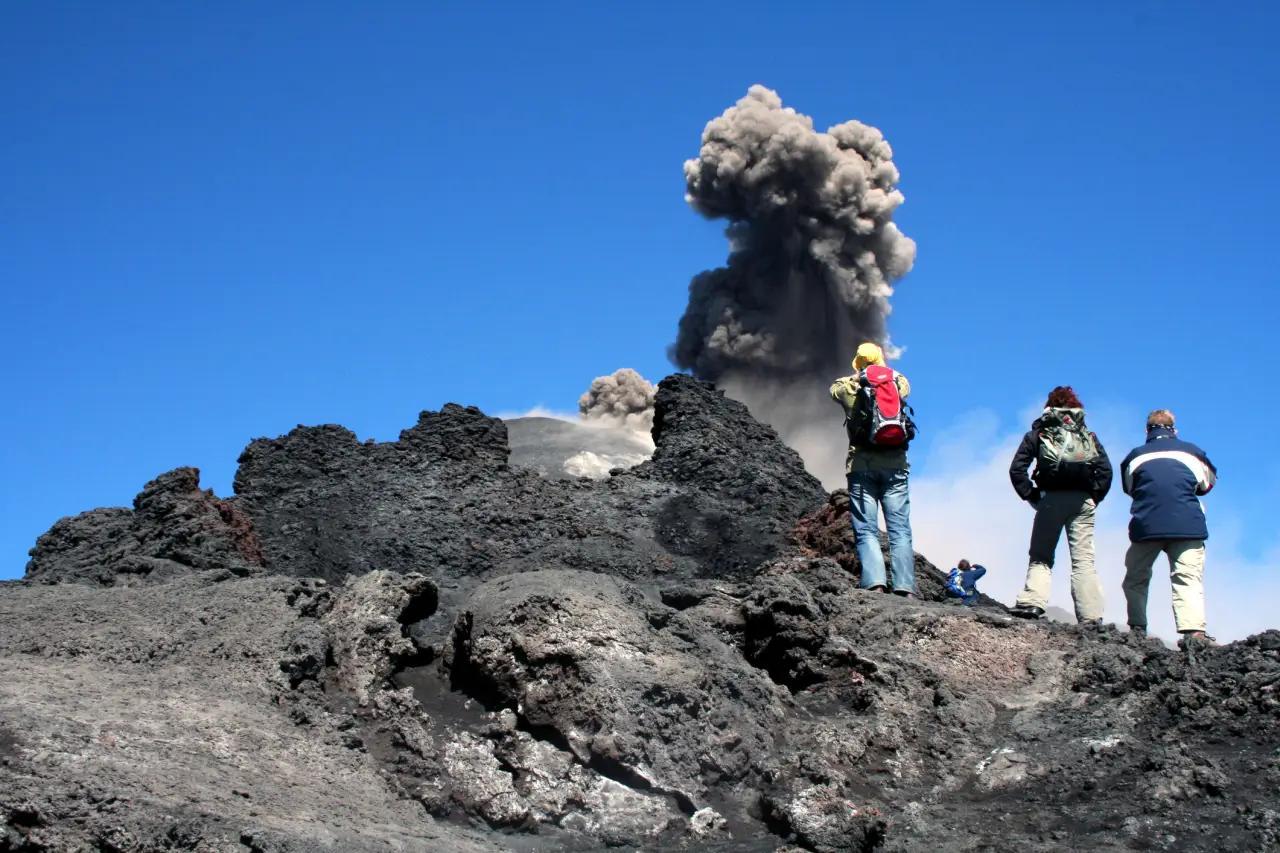
As the eruption intensified, Mount Etna generated a large ash cloud that spread toward the southeast.
Volcanic ashfall was reported in the surrounding towns of Ragalna and Adrano as material from the eruption was carried away from the summit area.
 1 min read
At the same time, a new lava flow emerged in the Valle del Leone after a new eruptive vent opened at an altitude of approximately 2,750 meters.
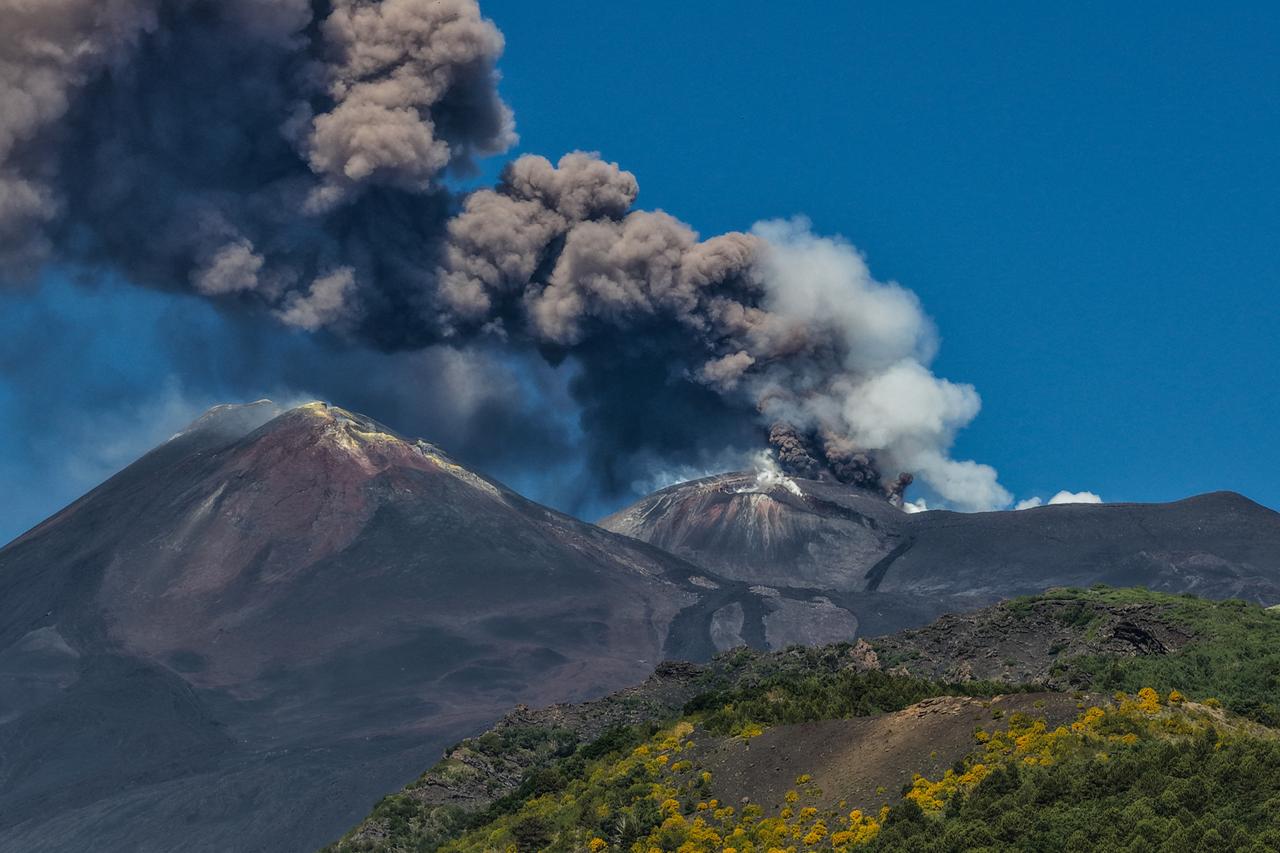
The volcanic activity also brought major disruption to air traffic serving eastern Sicily as ash affected the airspace around Catania.
The aviation alert level was raised to red, while the presence of volcanic ash led to the temporary suspension of arriving flights at Catania International Airport.
Some inbound flights were also diverted as airport operations were severely affected by the eruption.


 Set as preferred source
 Set as preferred source


 1 min read


