Newsletters


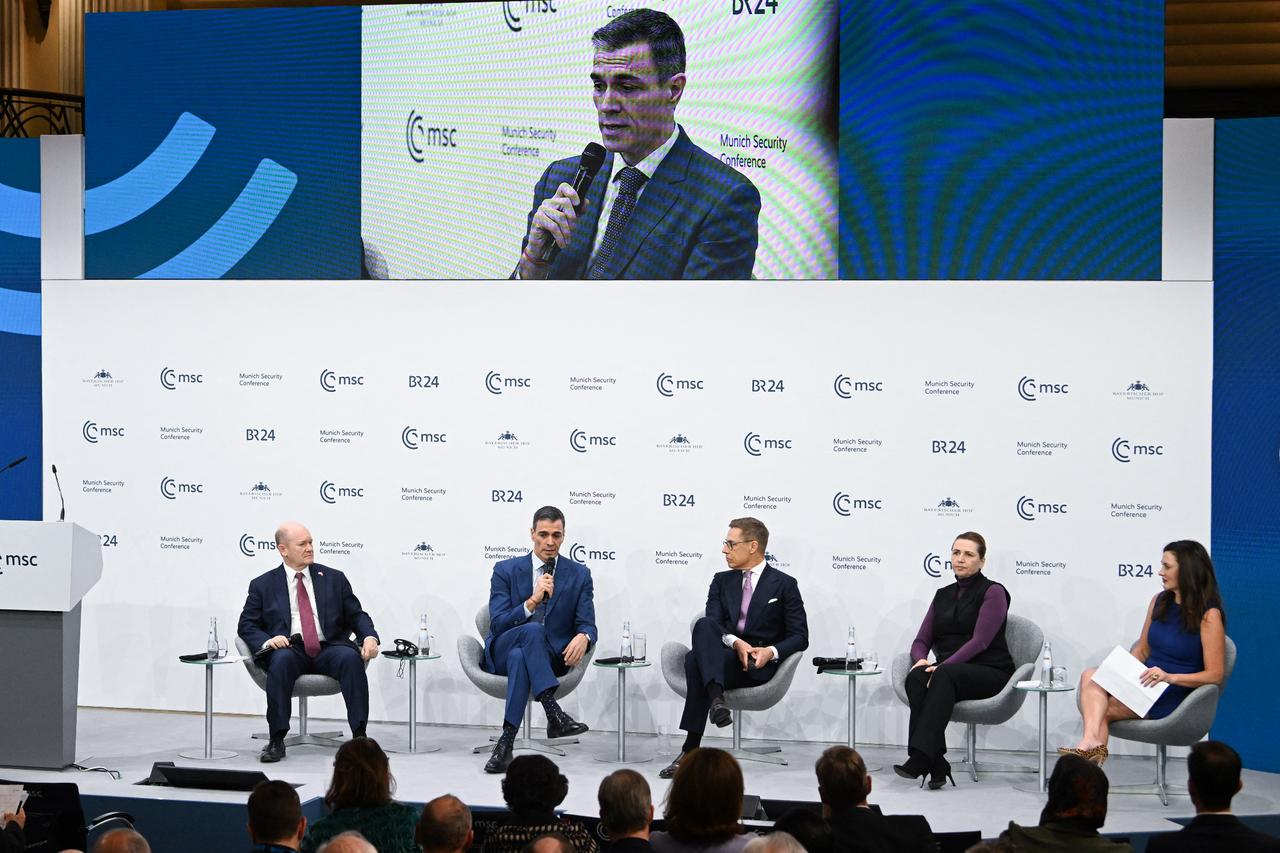


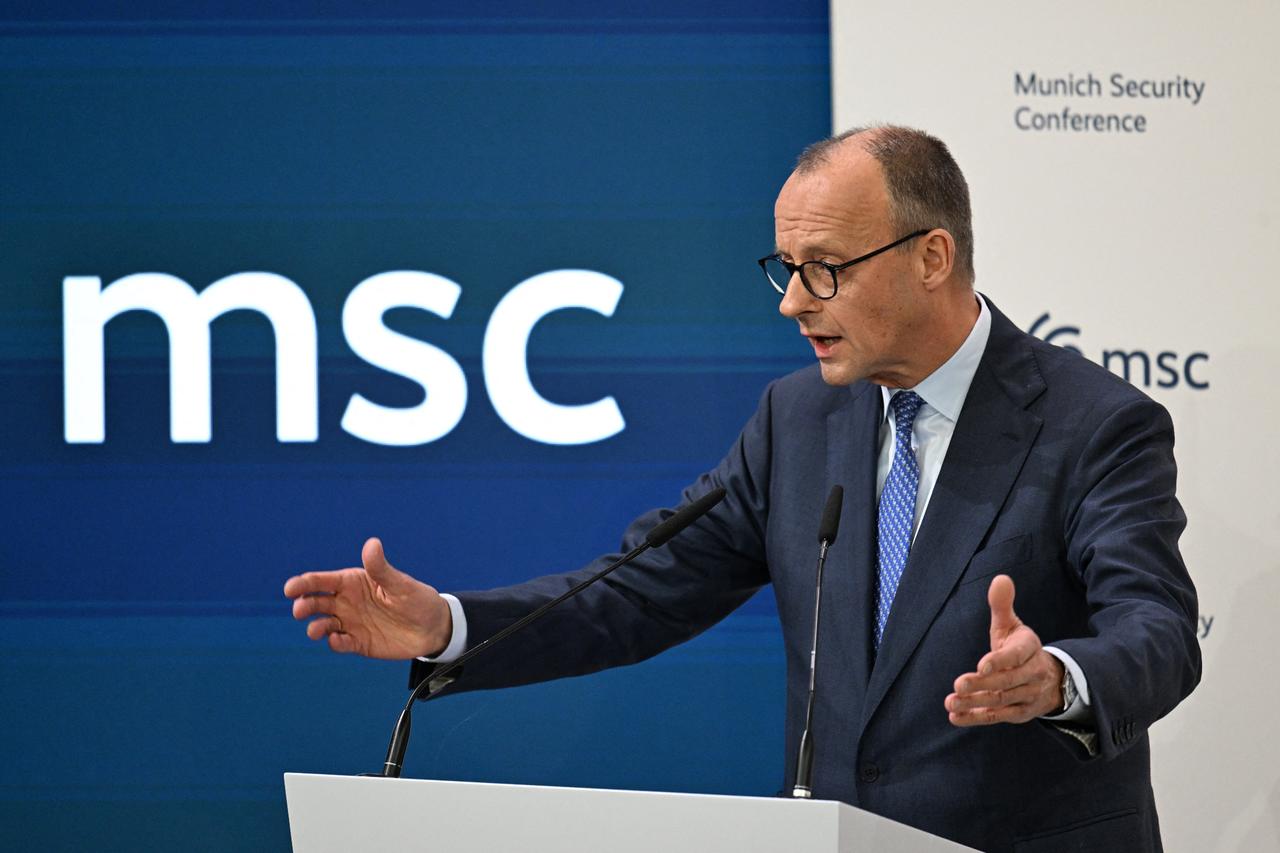
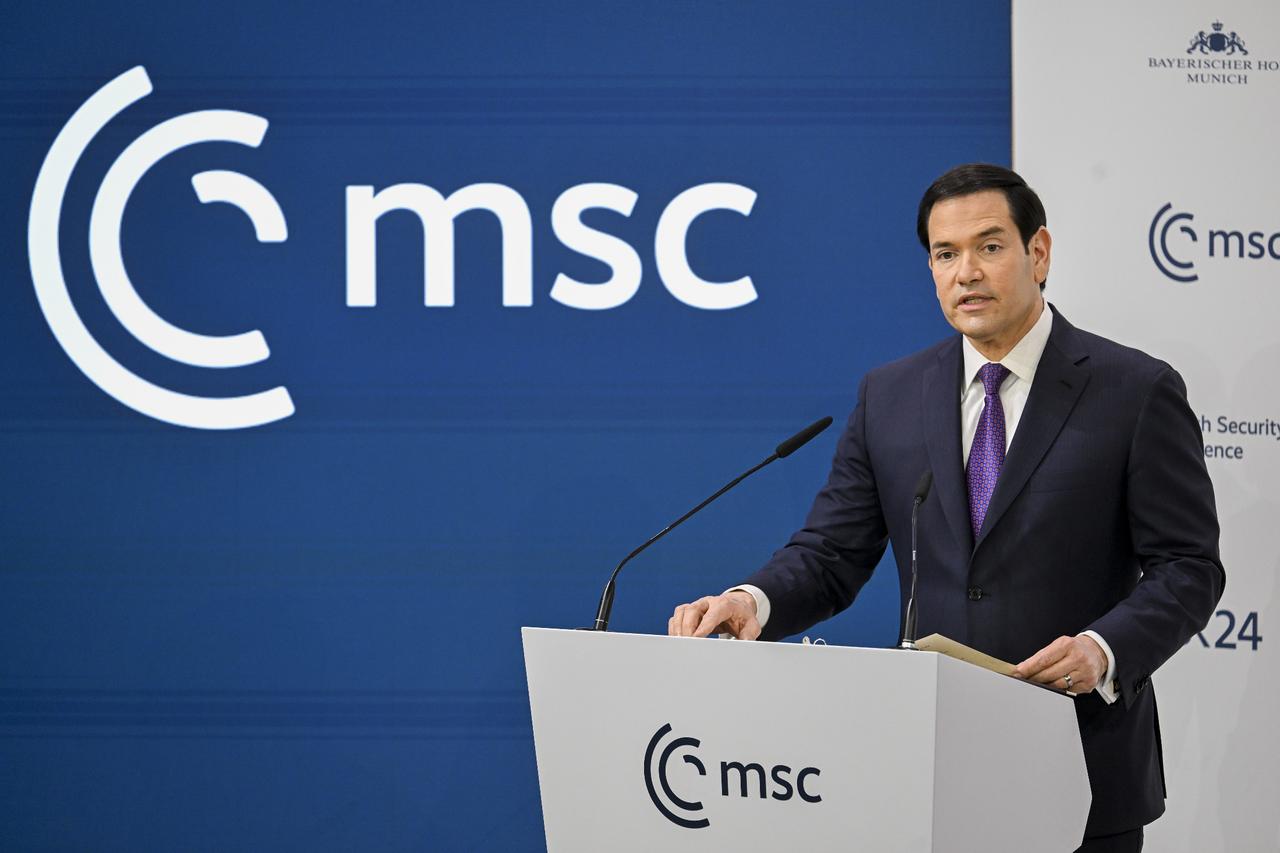
The last day of the Munich Security Conference began Sunday with discussions focused on Europe’s role in an increasingly unstable global environment, as leaders turned their attention to security coordination, economic competitiveness, and the defense of democratic values.
More than 1,000 leaders, diplomats, and security experts from over 115 countries have gathered in Munich for the conference, including around 60 heads of state and government.
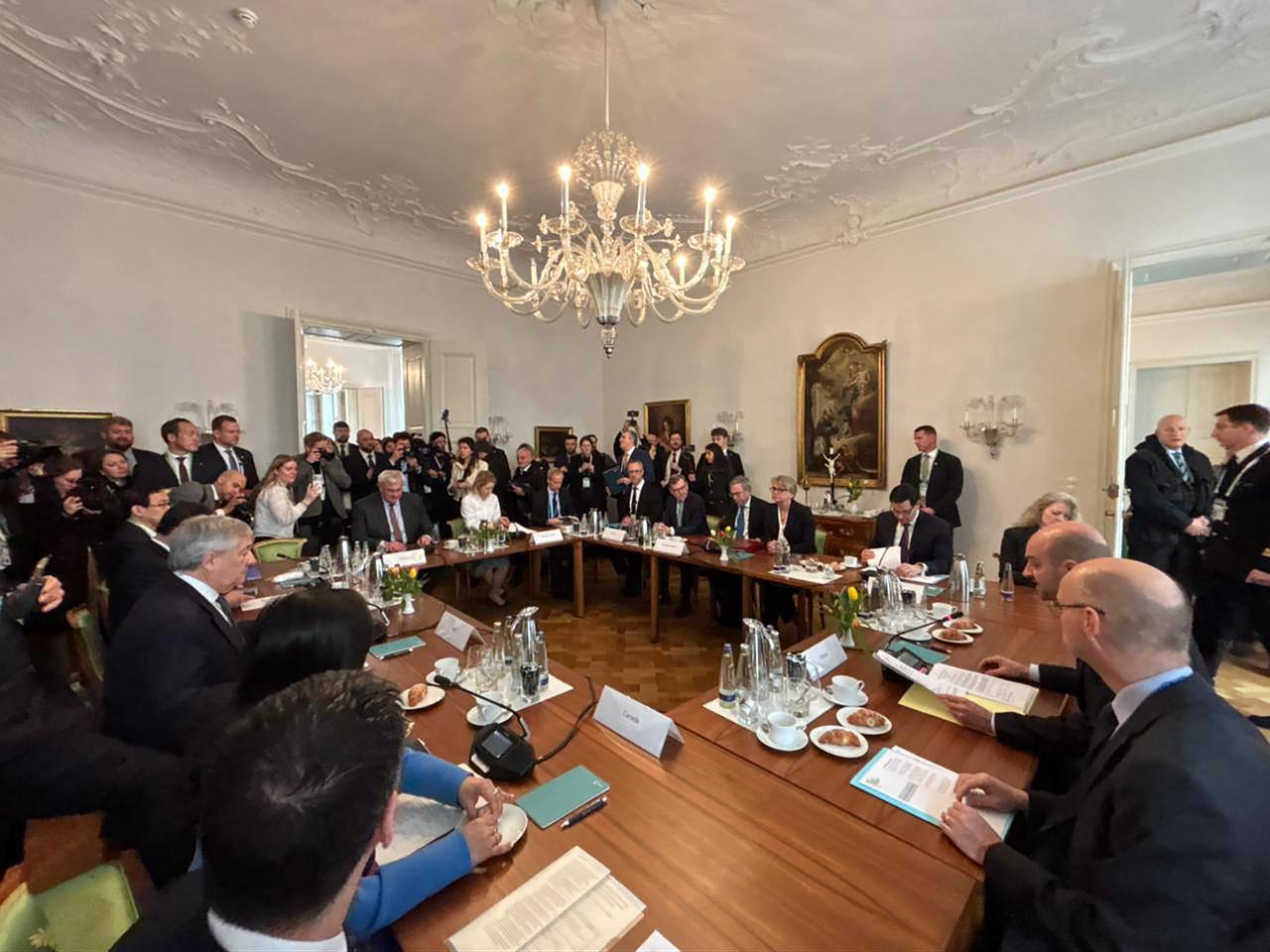

The day opened with a panel titled “Europeans Assemble! Reclaiming Agency in a Rougher World,” bringing together EU foreign policy chief Kaja Kallas, Latvian President Edgars Rinkevics, NATO Deputy Secretary General Radmila Sekerinska and French Armed Forces Minister Delegate Alice Rufo.
Participants were expected to discuss Europe’s strategic positioning and role in a more challenging global environment.
A subsequent session focused on economic resilience and competitiveness, featuring European Central Bank President Christine Lagarde and Estonian Prime Minister Kristen Michal among the speakers.
Later in the day, Croatian Prime Minister Andrej Plenkovic, Norway’s Finance Minister Jens Stoltenberg, and U.K. Shadow Foreign Secretary Priti Patel were scheduled to address pressures on democratic values and political cohesion in Europe.
The conference’s final discussion was set to examine the future of the global order and the role of the next generation of policymakers.
The event will conclude with closing remarks by Munich Security Conference Chairman Wolfgang Ischinger.


 Set as preferred source
 Set as preferred source


 1 min read
 1 min read