Newsletters


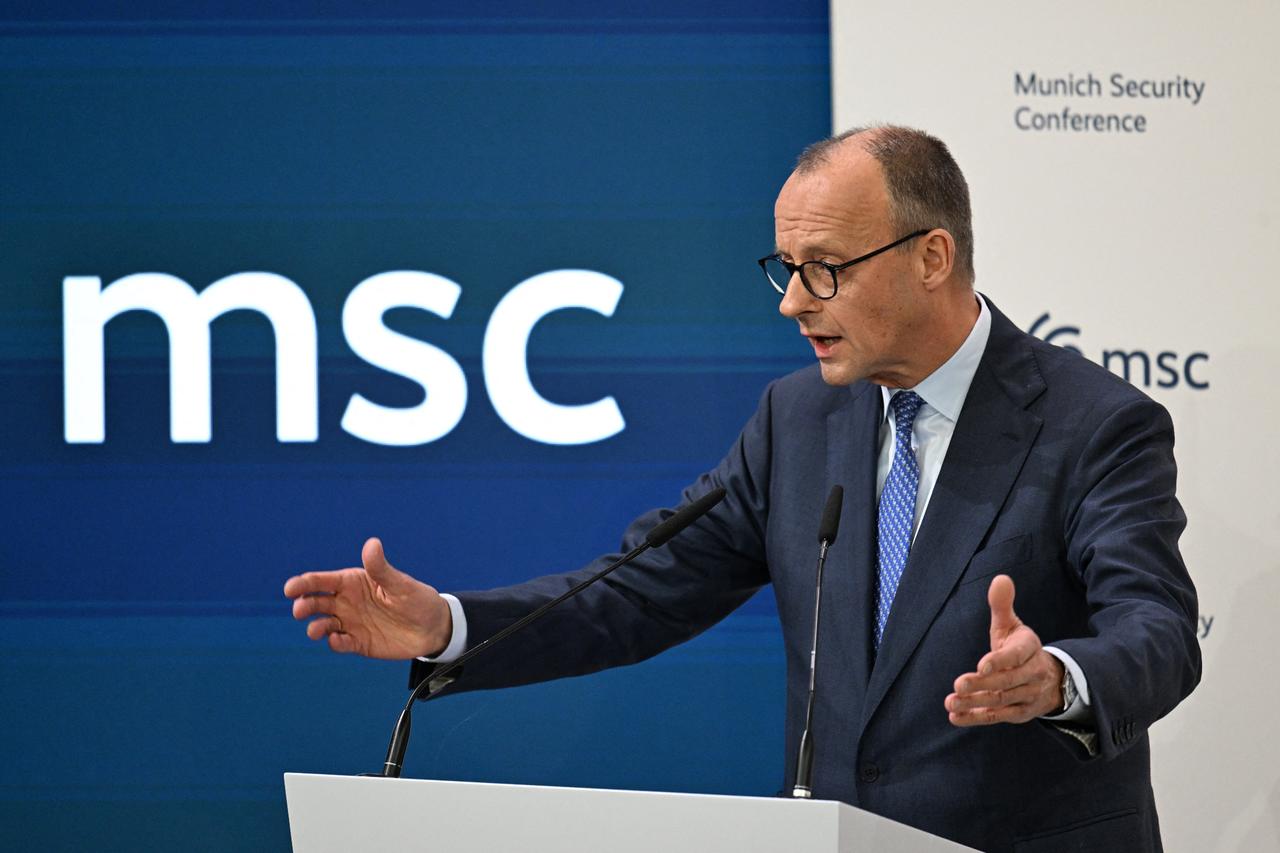


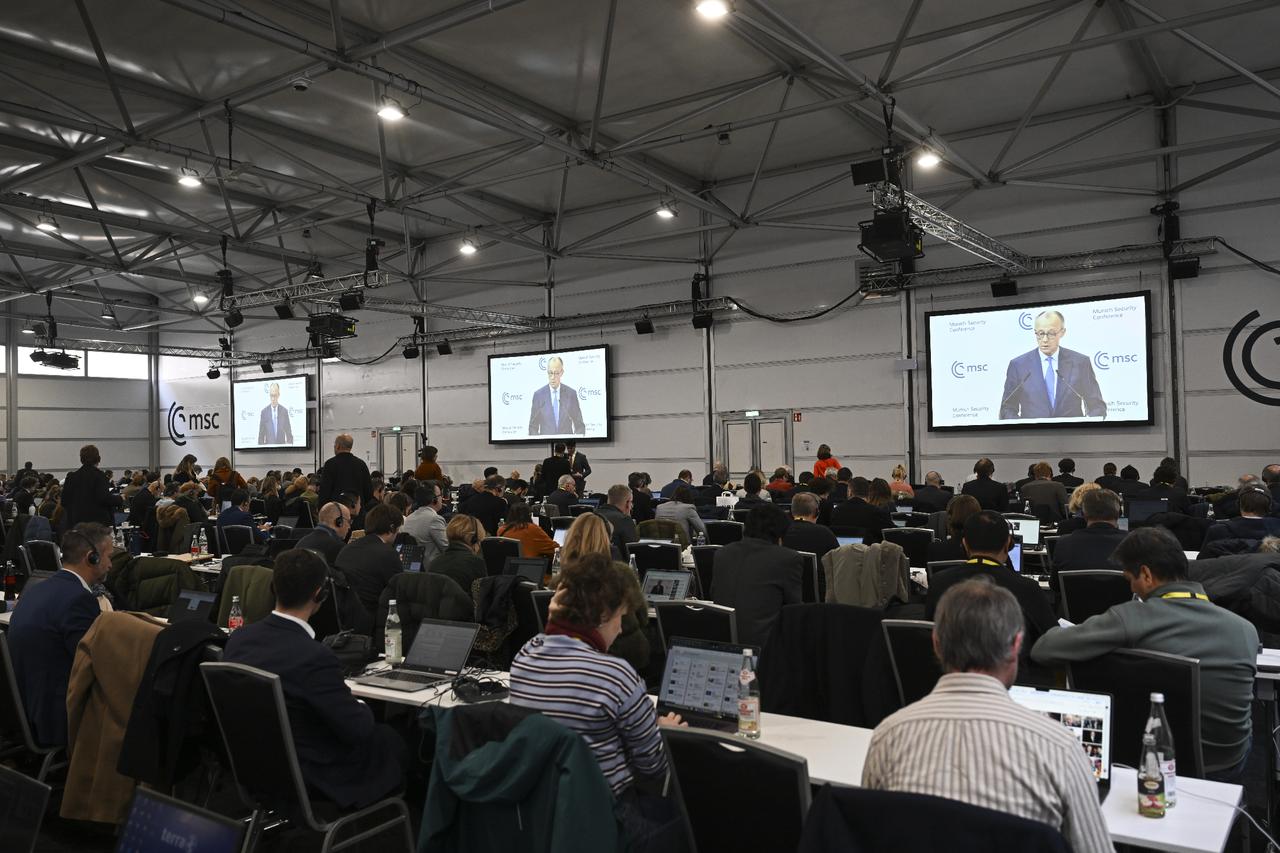
German Chancellor Friedrich Merz said the European Union must build strong global partnerships with countries such as Türkiye, India and Brazil to address mounting economic and security challenges.
Speaking at the 62nd Munich Security Conference, Merz said closer integration within the EU and ties with the U.S., while important, are no longer sufficient on their own.
“We need to establish a strong network of global partnerships,” Merz said. “Canada and Japan, Türkiye, India, and Brazil will play a key role in this, as will South Africa, the Gulf States, and others.”
He emphasized that cooperation should be based on mutual respect and a long-term perspective, focusing on shared concerns.
“This would avoid dependencies and risks, and at the same time, open up opportunities and possibilities for both sides,” he said, adding that there is a fundamental interest in a political order based on trust in agreements and joint efforts to tackle global problems.
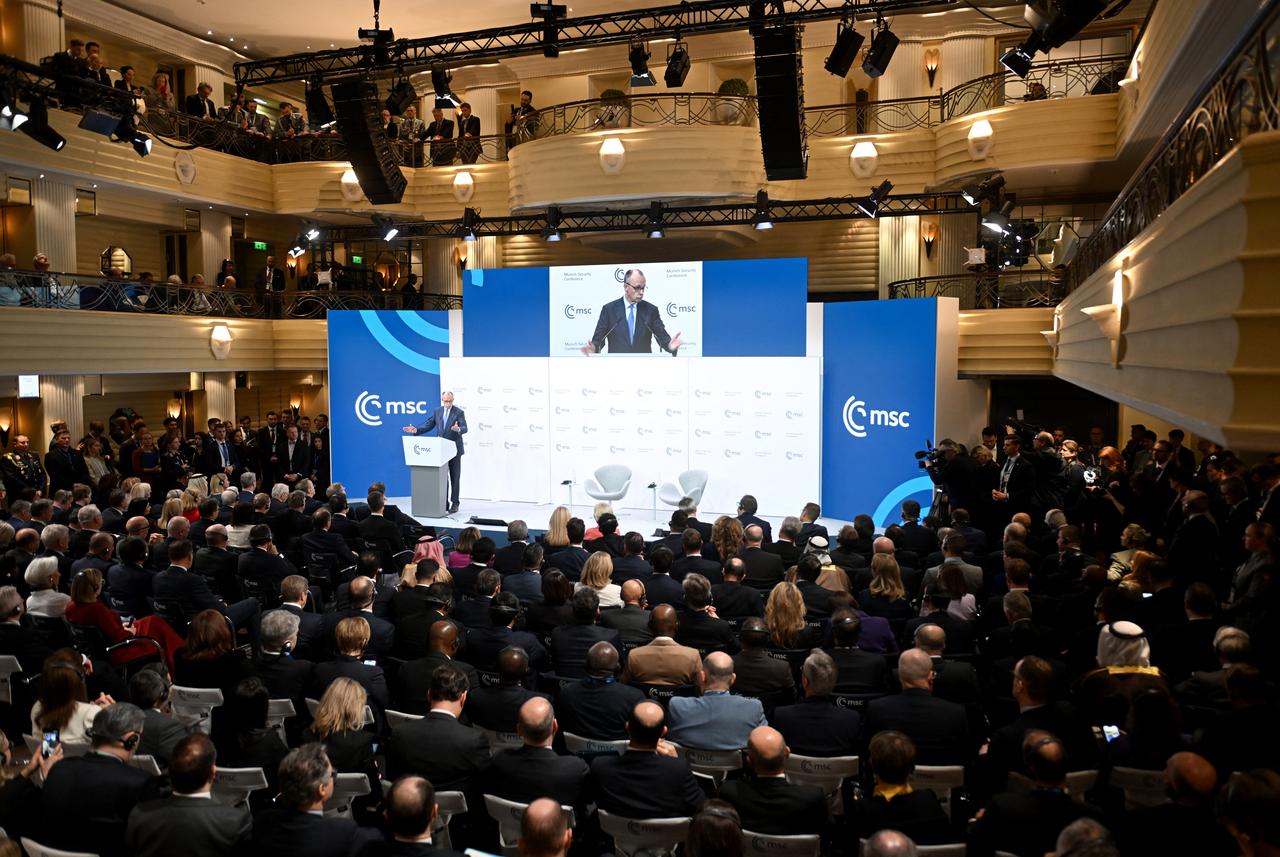

Opening the conference, Merz acknowledged that “a rift, a deep divide has opened between Europe and the United States,” referring to tensions that have intensified in recent months.
U.S. Secretary of State Marco Rubio was among senior officials attending the gathering, which brings together more than 60 heads of state and government and around 100 foreign and defense ministers.
Switching to English during his speech, Merz called for a “new transatlantic partnership,” saying: “In the era of great power rivalry, even the United States will not be powerful enough to go it alone.”
“Being a part of NATO is not only Europe’s competitive advantage. It’s also the United States’s competitive advantage. So let’s repair and revive transatlantic trust together,” he said.
Merz warned that geopolitical tensions are worsening and said Europe must bolster its defenses.
He revealed that he had held “confidential talks” with French President Emmanuel Macron about nuclear deterrence. Germany, which cannot acquire atomic weapons due to treaty obligations, has traditionally relied on the U.S. nuclear umbrella through NATO.
He also stressed that Europe must be prepared “for change, for upheaval; and, yes, even for sacrifice.”
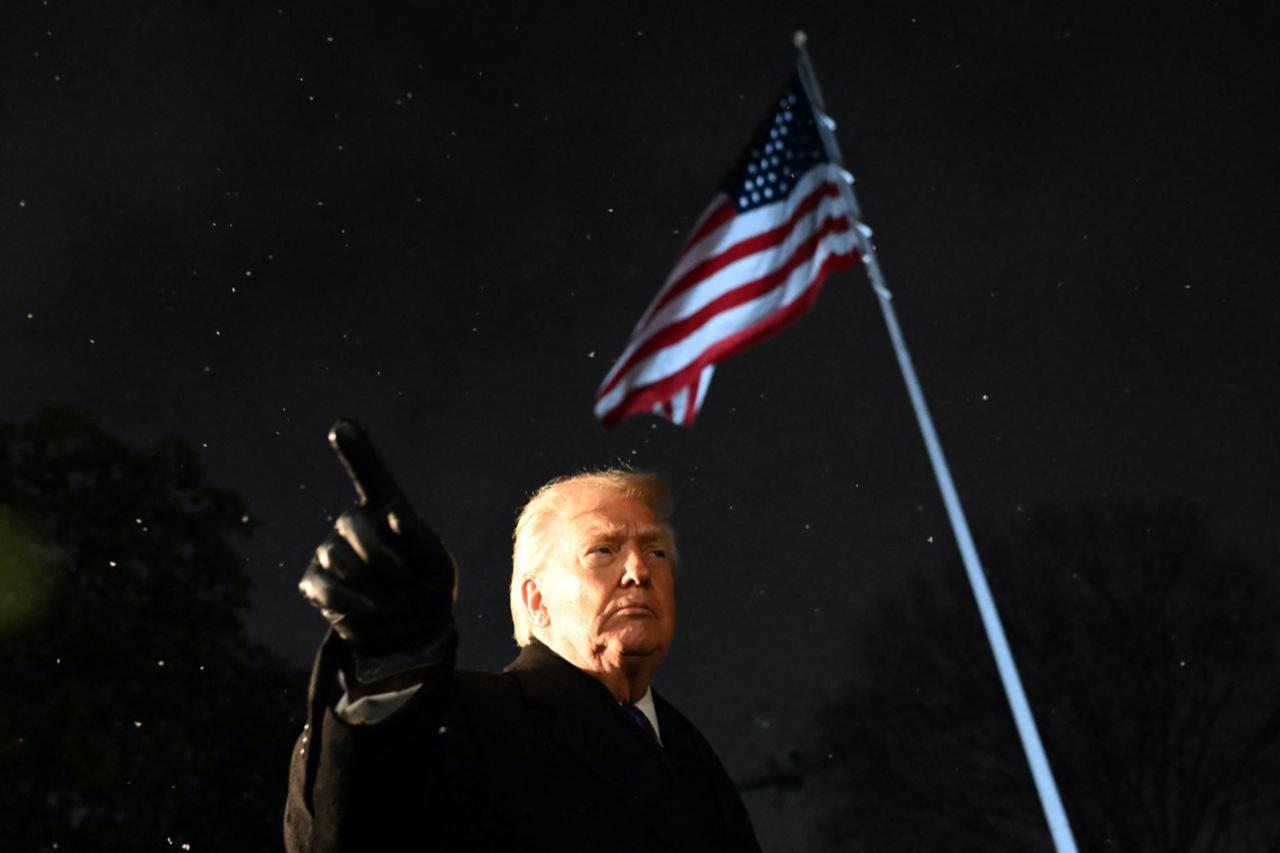
U.S.-Europe relations have come under strain following President Donald Trump’s criticism of European defense spending, threats to annex Greenland, and tariff measures.
Ahead of the conference, former U.S. ambassadors and military commanders called for Washington to maintain its support for NATO, describing the alliance as a “force-multiplier.”
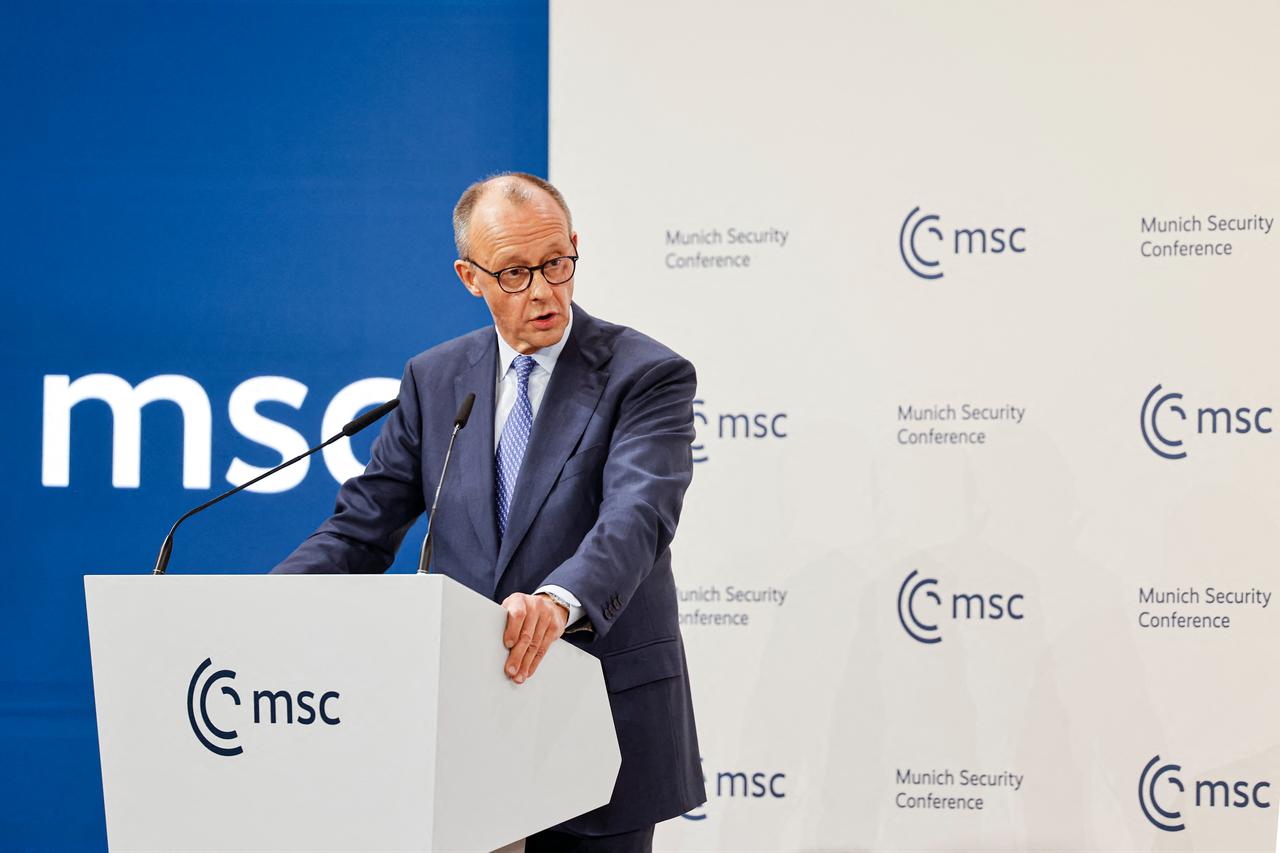
The war in Ukraine, tensions with China and discussions on a potential nuclear deal with Iran were high on the conference agenda.
Merz, Macron and UK Prime Minister Keir Starmer were scheduled to meet Ukrainian President Volodymyr Zelensky for talks, with Rubio also set to attend.
Zelensky said Europe needs “an independent defense industry, very strong,” adding that Europe must be “independent with strong security guarantees.”
NATO Secretary General Mark Rutte said Europe is “stepping up… taking more of a leadership role within NATO” and assuming greater responsibility for its own defense.
Meanwhile, German Foreign Minister Johann Wadephul said NATO has strengthened and expanded in recent years and pointed to the upcoming NATO Summit in Ankara in early July, where Europe’s evolving defense role is expected to become clearer.
Wadephul said European allies must increase defense spending in light of U.S. demands, adding: “Now is Europe’s time.” He reiterated Germany’s commitment to allocating 5% of its gross domestic product to defense and said this target would be advanced further at the Ankara summit.
Rubio, who described the current period as a “new era” in geopolitics, said the world is changing rapidly and that all parties must reassess their roles.
More than 5,000 police were deployed in Munich as leaders discussed European security, NATO’s future and the shape of transatlantic cooperation at a time of heightened uncertainty.


 Set as preferred source
 Set as preferred source


 1 min read
 1 min read