Newsletters


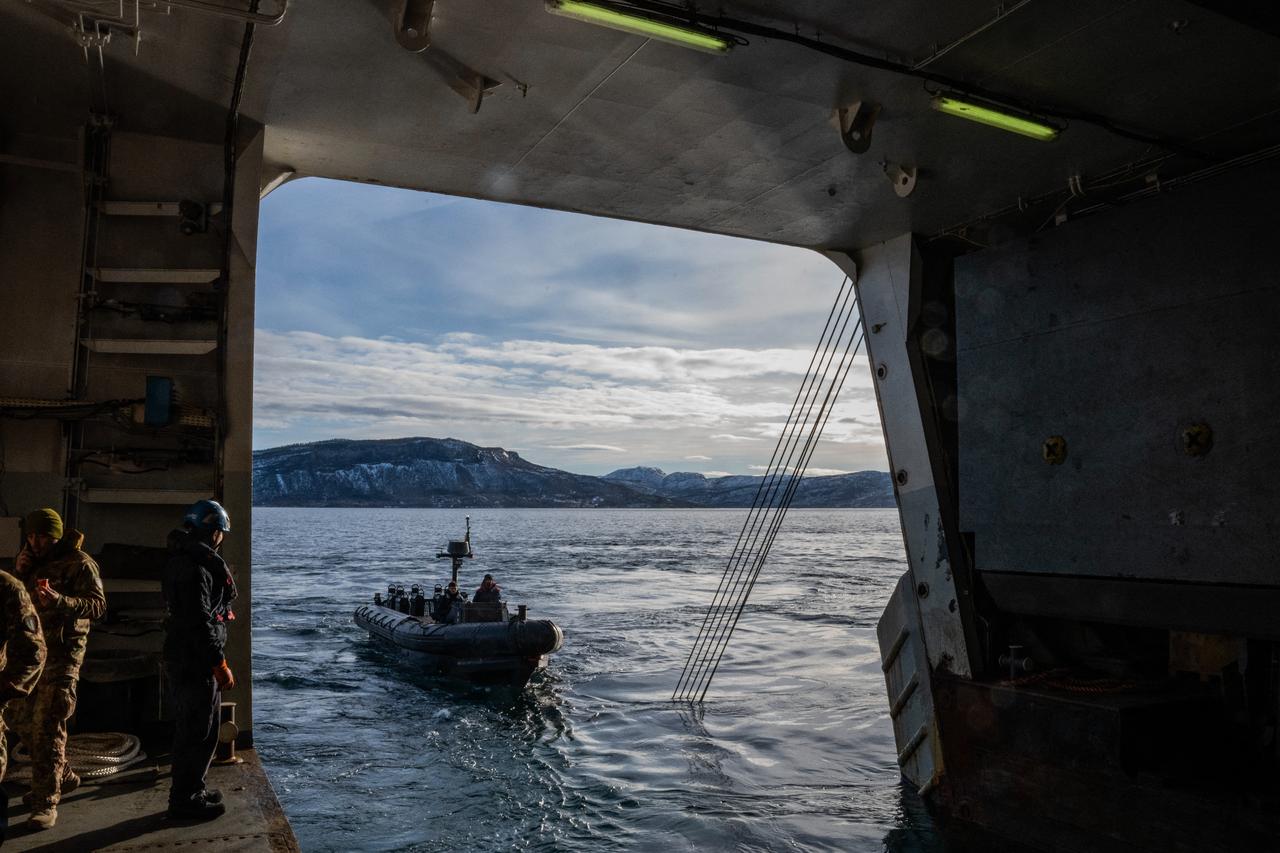


NATO said allies have already taken steps to increase security in the Mediterranean after U.S. President Donald Trump warned that failure by allied countries to ensure the security of the Strait of Hormuz would be “very bad for the future of NATO.”
A NATO official, speaking on condition of anonymity, responded in writing to a question from a Turkish news agency Anadolu correspondent about whether the alliance would play a role in securing the strategic waterway.
“Allies have already taken steps to provide additional security in the Mediterranean,” the official said.
The official added that NATO member states are also holding discussions with the United States and other partners on what more they can do individually, including within the context of security in the Strait of Hormuz.

Trump had warned in an interview that failure by NATO allies to ensure the security of the Strait of Hormuz would be “very bad for the future of NATO.”
Speaking to the Financial Times, the U.S. president said the alliance could face a difficult future if partners fail to assist in reopening the vital shipping route.
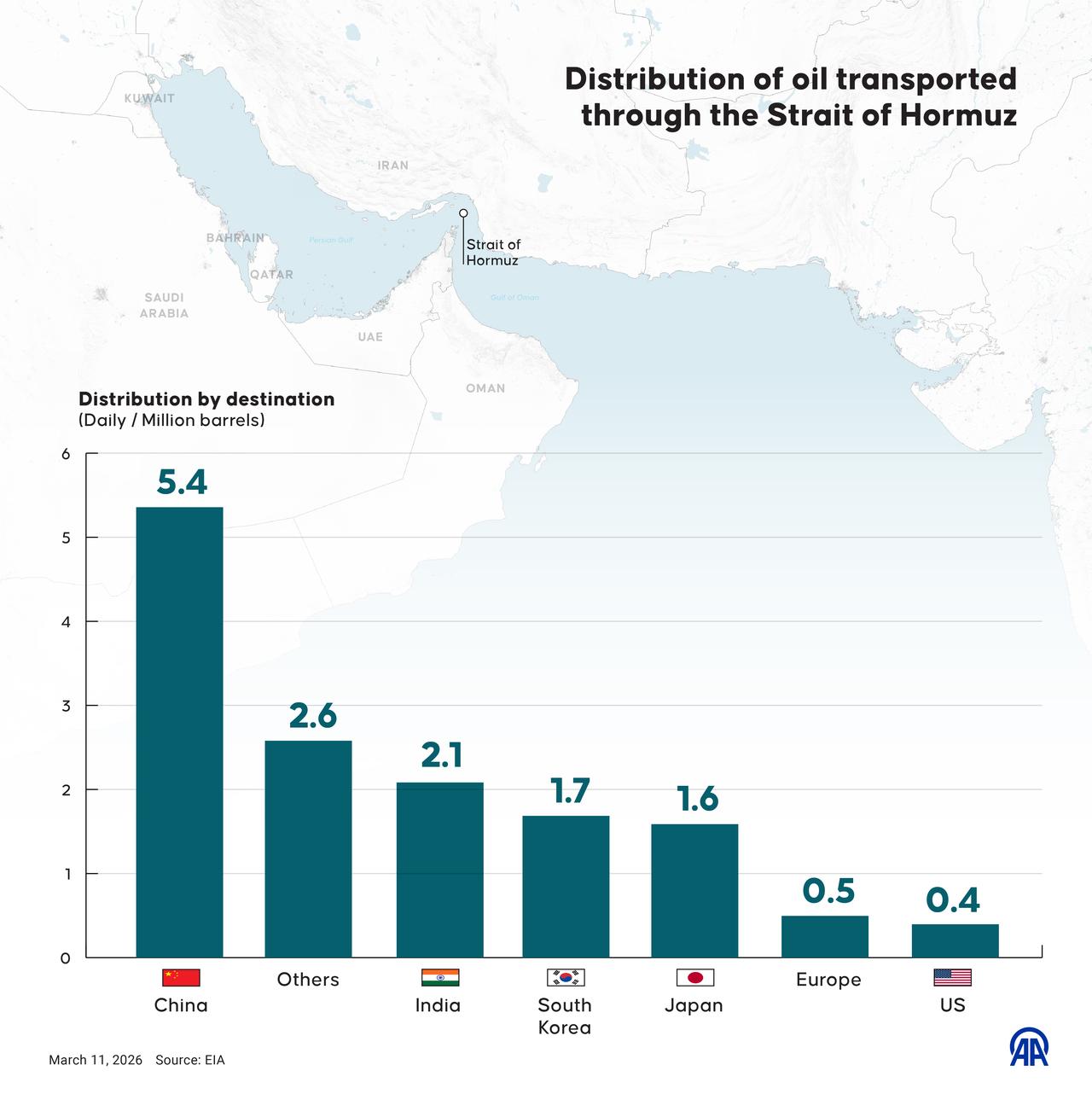
“It’s only appropriate that people who are the beneficiaries of the Strait will help to make sure that nothing bad happens there,” Trump said, arguing that Europe and China depend heavily on Gulf oil exports, unlike the United States.
“If there’s no response or if it’s a negative response I think it will be very bad for the future of NATO,” he added, according to the report.
Trump also said Sunday that Washington is currently in talks with seven countries on securing the Strait of Hormuz.
Speaking to reporters aboard Air Force One about Operation Epic Fury, he said the United States had discussed cooperation with other countries on policing the waterway.
He stressed that China, which he said receives up to 90% of its maritime crude oil shipments through the strait, had been invited to cooperate.
“They get most of their oil, they get a lot, about 90% from the strait. So I said ‘Would you like to come in?’ And we'll find out. Maybe they will, maybe they won't,” Trump said.
Trump also dismissed a video circulating on social media that appeared to show 250,000 people cheering Iran’s newly appointed Supreme Leader Mojtaba Khamenei.
“Totally AI generated. It never took place. The media knew it didn't take place, but they built it up like they have great support. They don't have support,” he said.
He added that oil prices would decline once the war ends, saying the conflict would end “pretty quickly.”
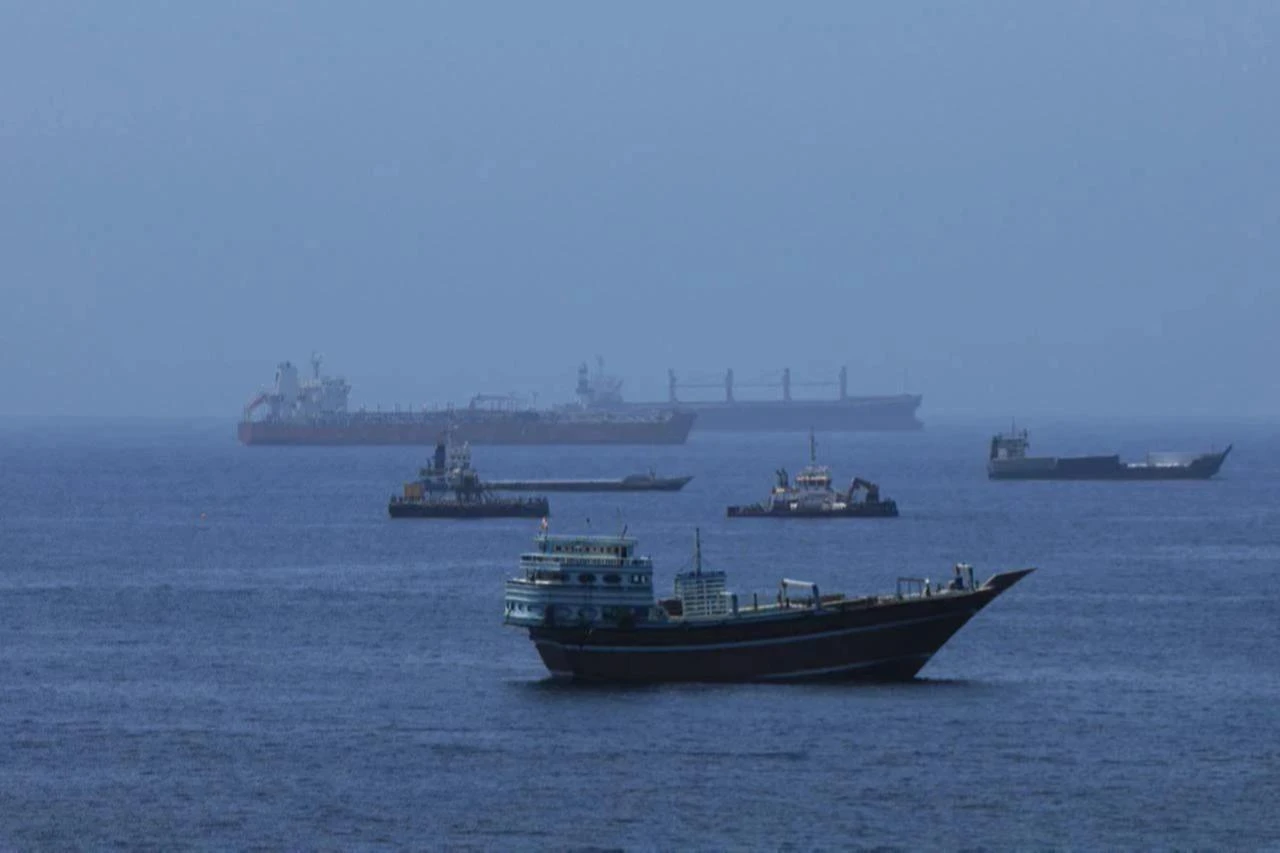
The Strait of Hormuz, a critical maritime chokepoint between Iran to the north and Oman’s Musandam Peninsula to the south, is one of the world’s most important shipping lanes for oil and gas.
Iran has effectively closed the strait since early March following joint attacks launched by Israel and the United States on Feb. 28.
The strikes have killed around 1,300 people, including then-Supreme Leader Ayatollah Ali Khamenei, according to Iranian authorities.
Disruptions to shipping through the strait have pushed up global oil and fertilizer prices, raising concerns about energy supplies and food costs.
Trump said Saturday that countries receiving oil through the strategic waterway should take responsibility for securing the passage, adding that the United States would assist. Earlier, he said U.S. Navy escorts for oil tankers transiting the strait could begin “soon.”


 Set as preferred source
 Set as preferred source


 1 min read
 1 min read