Newsletters


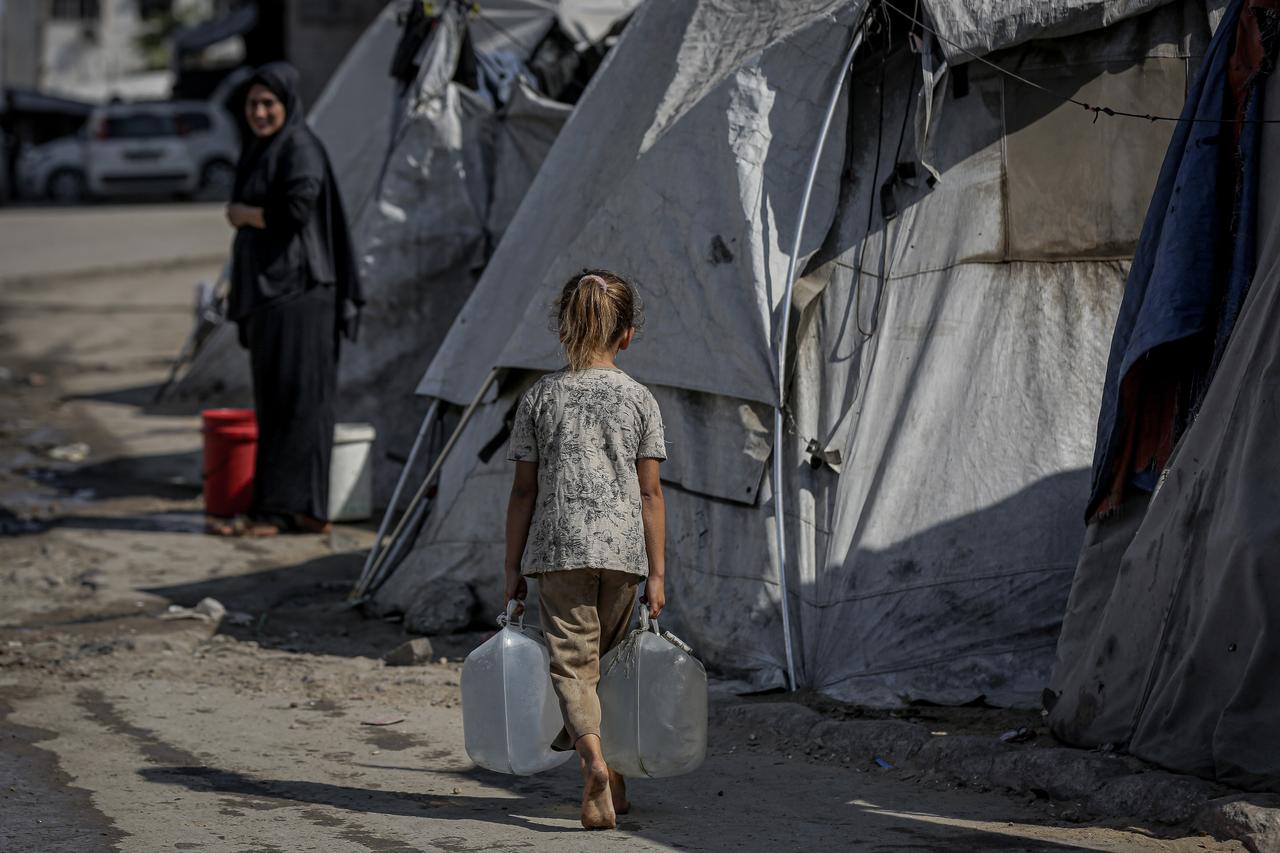


Nearly 2 million Palestinians in Gaza face worsening shelter conditions as winter approaches, with repeated displacement, Israeli restrictions and funding shortages preventing humanitarian agencies from providing adequate protection, a senior U.N. migration official warned Friday.
Karl Baker, regional crisis coordinator for the Gaza response at the International Organization for Migration (IOM), said three years of Israel's military campaign had left many displaced families living in increasingly deteriorated tents and makeshift shelters.
Speaking to U.N. News, Baker said some Palestinians had been forced to relocate as many as eight times, with each displacement resulting in further damage to or loss of their temporary shelters and essential belongings.
“When they move, all those goods that they currently have or did have either get destroyed, or they have to seek new shelter,” Baker said.
Even basic shelter materials, including tarpaulins, need to be replaced approximately every six months, but humanitarian agencies have struggled to bring sufficient quantities into Gaza.
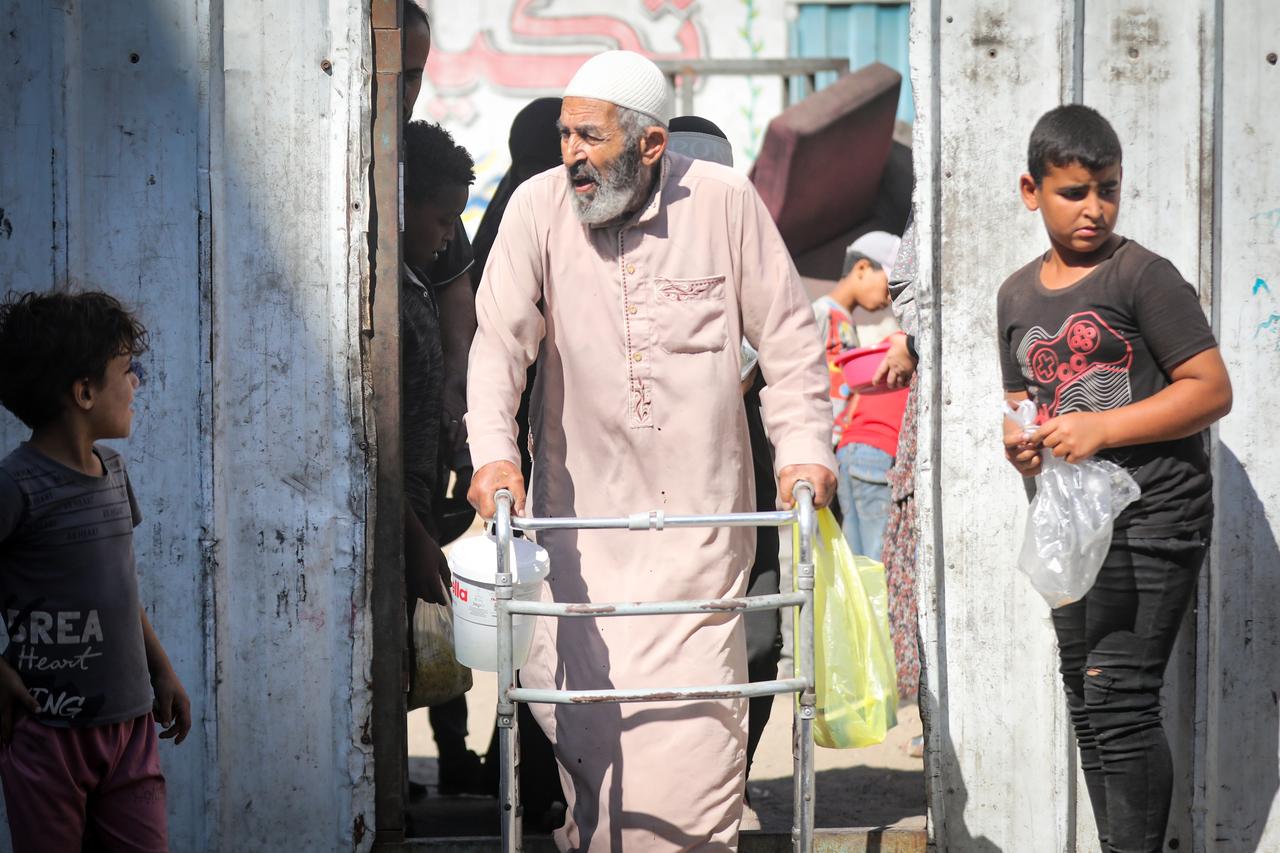

Baker said humanitarian organizations needed to move beyond temporary tents and tarpaulins toward more durable transitional shelters capable of providing better protection against harsh weather conditions.
“After three years of war, we do need to improve the level of shelter which is inside, and move further away from temporary and more toward transitional type of shelter,” he said.
However, materials needed to construct stronger roofs, concrete floors and more substantial walls remain subject to Israeli restrictions on so-called dual-use goods, which authorities say could have civilian and military applications.
Baker said IOM maintained regular contact with Israeli authorities, but some essential construction materials continued to be denied entry on security grounds.
The restrictions have complicated efforts to replace deteriorating shelters with structures better suited to protecting displaced families from winter rains and flooding.
Baker said an estimated 1.8 million to 1.9 million Palestinians currently required shelter assistance, while humanitarian agencies lacked the resources and access needed to meet those demands.
He warned that only around 30% of Gaza was accessible to most of the population, forcing displaced families into increasingly crowded areas, many of which are vulnerable to flooding.
“The 30% in which they currently live is a very large displacement camp,” Baker said.
The concentration of displaced residents in such a limited area has increased pressure on already inadequate shelter infrastructure.
With winter rains beginning, aid agencies are working to identify flood-prone locations and deploy water pumps to reduce the risk of inundation.
However, Baker warned that helping displaced Palestinians survive the winter would be the most significant challenge facing humanitarian organizations.
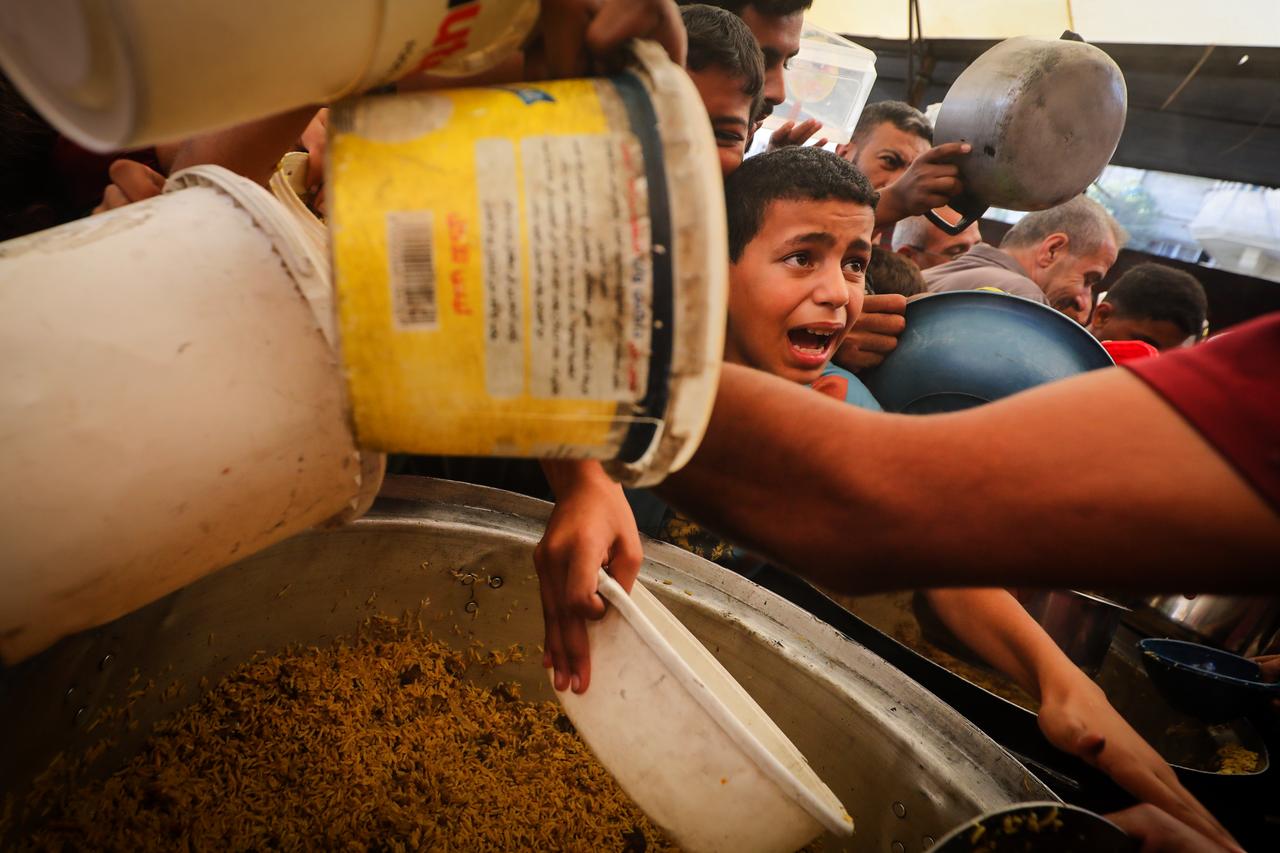
Earlier this month, IOM warned that available and incoming shelter supplies covered only 17% of Gaza's estimated winter requirements.
The agency also reported that more than half of the territory's tents and makeshift shelters were in poor condition.
Baker said funding shortages and disruptions to international shipping were further complicating the humanitarian response.
IOM relies on suppliers in several countries, including China, India and Pakistan, to obtain shelter materials and other essential equipment.
Although additional funding has begun to arrive, Baker said available resources remained far below the level required to assist the estimated 1.8 million to 1.9 million people in need.
The continuing shortages have left humanitarian organizations struggling to replace damaged tents and provide more durable alternatives ahead of worsening winter weather.
 1 min read
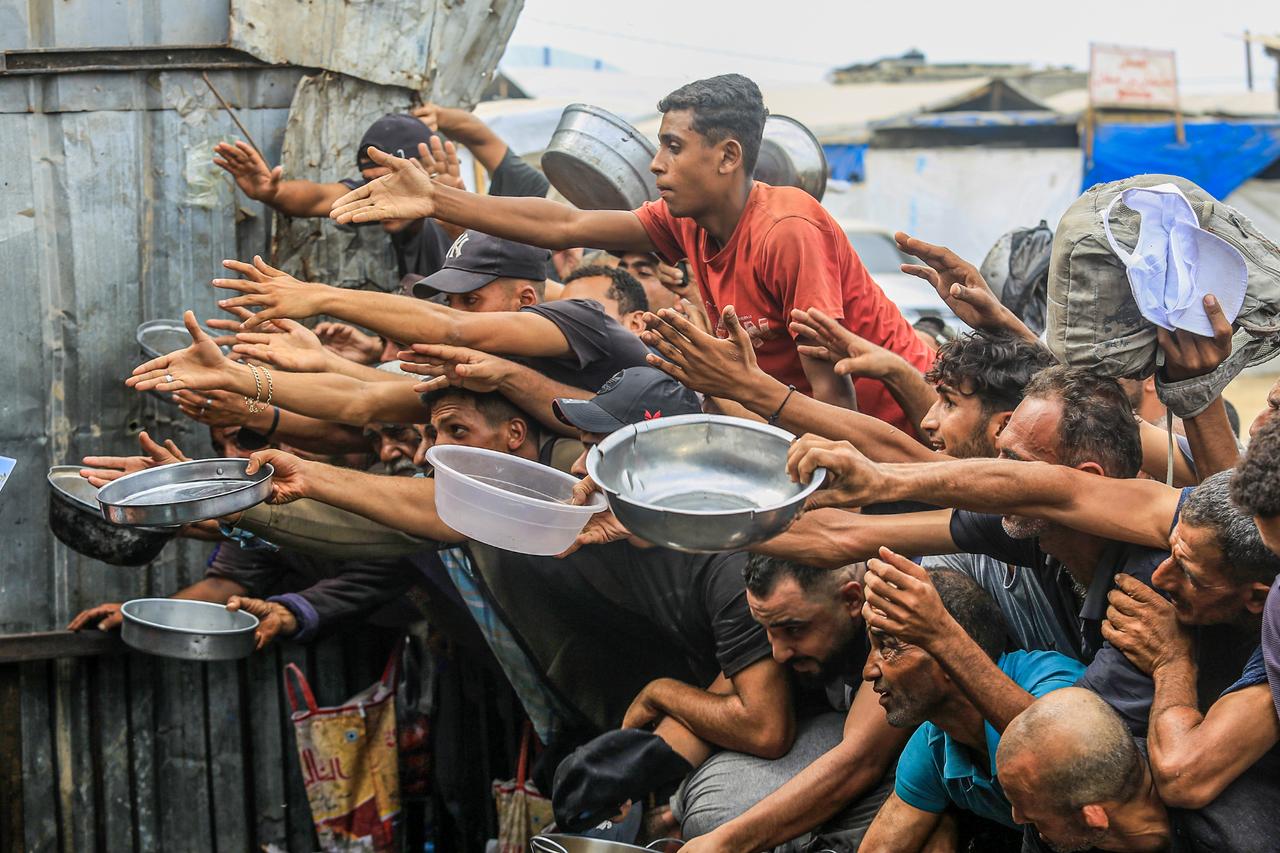
The shelter crisis continues despite a ceasefire that took effect Oct. 10, 2025.
Israeli attacks and restrictions on the entry of humanitarian assistance and shelter materials have continued since the agreement, limiting efforts to improve conditions for displaced Palestinians.
Three years of war have caused widespread destruction of homes and civilian infrastructure across Gaza, leaving large parts of the population dependent on temporary accommodation.
Baker warned that without greater access to durable shelter materials, sufficient funding and sustained humanitarian deliveries, displaced families would remain exposed to flooding, deteriorating living conditions and the risks associated with winter weather.


 Set as preferred source
 Set as preferred source


 1 min read