Newsletters




This article was originally written for Türkiye Today’s weekly newsletter, Saturday's Wrap-up, in its March 21, 2025, issue. Please make sure you subscribe to the newsletter by clicking here.
The U.S. and Israel now appear to be shifting their strategic objectives in the middle of the war. Initially, the goals were regime change, removing enriched uranium from the country, and limiting Iran’s ballistic missile program. But in reality, only regime change would naturally lead to achieving the other two objectives. From the beginning, the objectives were almost contradictory, as the last two totally depend on the first.
Israel does not allow any metal to enter into Gaza whatsoever. That means even something like prefabricated housing can’t realistically be built, because of fears that steel will be repurposed into rockets. In Israel’s eyes, the ecosystem and technical expertise are probably still there, despite all the killings and relentless air bombardment. You can restrict inputs, but you can’t erase know-how that has already taken root. The same goes for Iran. A thousand times larger knowledge base and military ecosystem exist there, and they can’t simply disappear into thin air.
Now, take the idea of hitting all missile launchers in a country as vast as Iran—1.6 million square kilometers. Was that really a realistic objective? Or is the assumption that Iran might simply run out of missiles if hit frequently enough? This is a country with significant manufacturing capacity and strategic and ideological depth. Even sustained strikes don’t necessarily translate into strategic exhaustion. Sinking Iran’s navy does not offer any meaningful gain; the country’s defense has never depended on its already ailing ships.
Targeting commanders and political figures also has a limited long-term impact. These individuals are replaced—often by people who may have less political experience but are more ideologically driven and less risk-averse. In some cases, that actually makes the situation more volatile, not less. They step in knowing they may be next. And frankly, they don’t care.
Look at Hezbollah. They quietly rebuilt themselves under constant Israeli surveillance. Despite losing Nasrallah and suffering blows like the pager explosions, they remain operational. Israel still struggles to capture even small villages from them. Hezbollah’s expertise didn’t completely disappear with assassinations—it adapted. They still produce rockets, and they remain capable fighters, especially in mountainous terrain that favors defensive warfare.
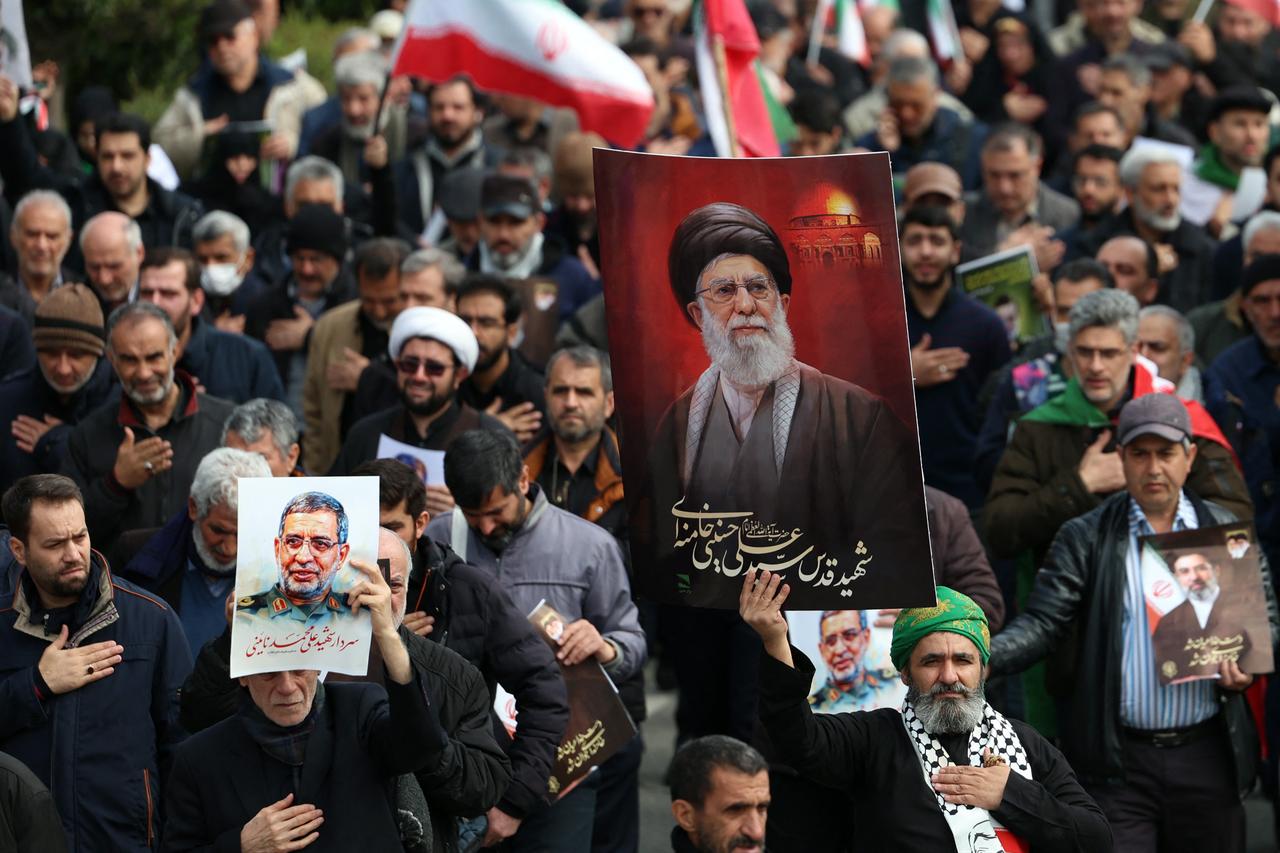
At the same time, very few people are talking about the kind of respect Iran is gaining on the Arab street. And to be clear, this doesn’t mean people in Arab countries suddenly like Iran—they don’t. Syrians largely despise Iran, and for good reason. Iranians and Hezbollah have killed thousands of innocent civilians. Many Lebanese, especially in white-collar circles, see Iran as a major contributor to their country’s dysfunction. Gulf populations aren’t fond of Iran either.
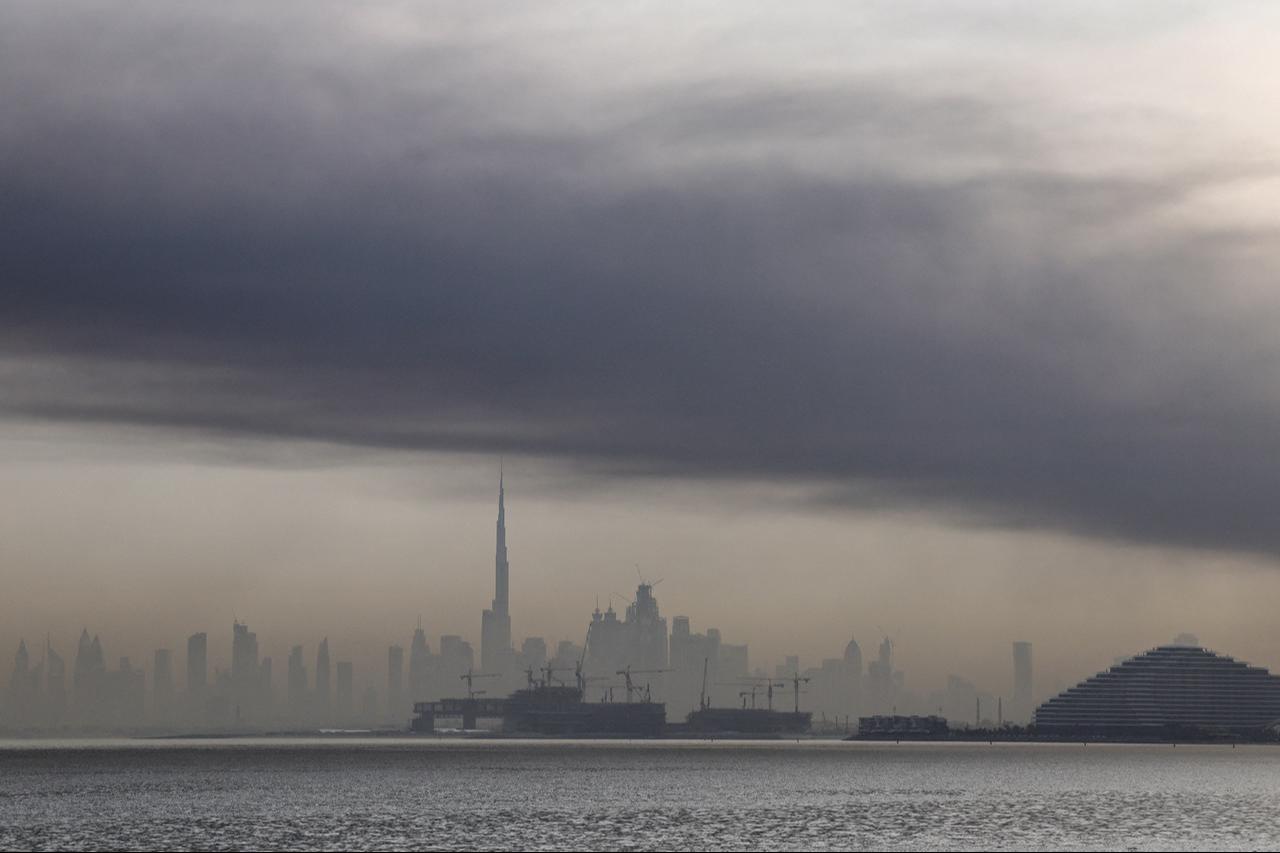

The Arab street captures public opinion across the region. It’s the same kind of dynamic that once amplified Nasser’s influence. Gulf leaders, on the other hand, look increasingly weak. At the consultative meeting in Riyadh, they avoided explicitly mentioning Israel’s responsibility in the official statement. According to Turkish sources, Türkiye pushed to include Israel and its “expansionist” policies at the end of the official statement. That hesitation matters, and it further angers Iran. Naming Iran as the cause of everything bad without mentioning Israel only alienates Iran more and more.
If you understand general perception in the Arab world, you know that both Israel and the U.S. have deeply negative perceptions—Tel Aviv because of its colonization policies toward Palestinian land and Washington for a long list of reasons that don’t need elaboration.
It would be far-fetched to say that Iran will gain sympathy in the Arab world, but it may certainly gain respect for being “resistant” to U.S. and Israeli demands. Whether this will have long-term effects is unknown. Yet history has taught us how the Iranian revolution changed everything in the Middle East. An Iran that survives a U.S.-Israeli attack with its regime intact might create long-term effects among Middle Eastern populations already furious and galvanized because of the Gaza genocide.
Altogether, given the resilience and the limited effect of airstrikes on the stated military and political objectives, it seems like Iran will have the final word on when to end the war.


 Set as preferred source
 Set as preferred source



 4 min read