Newsletters


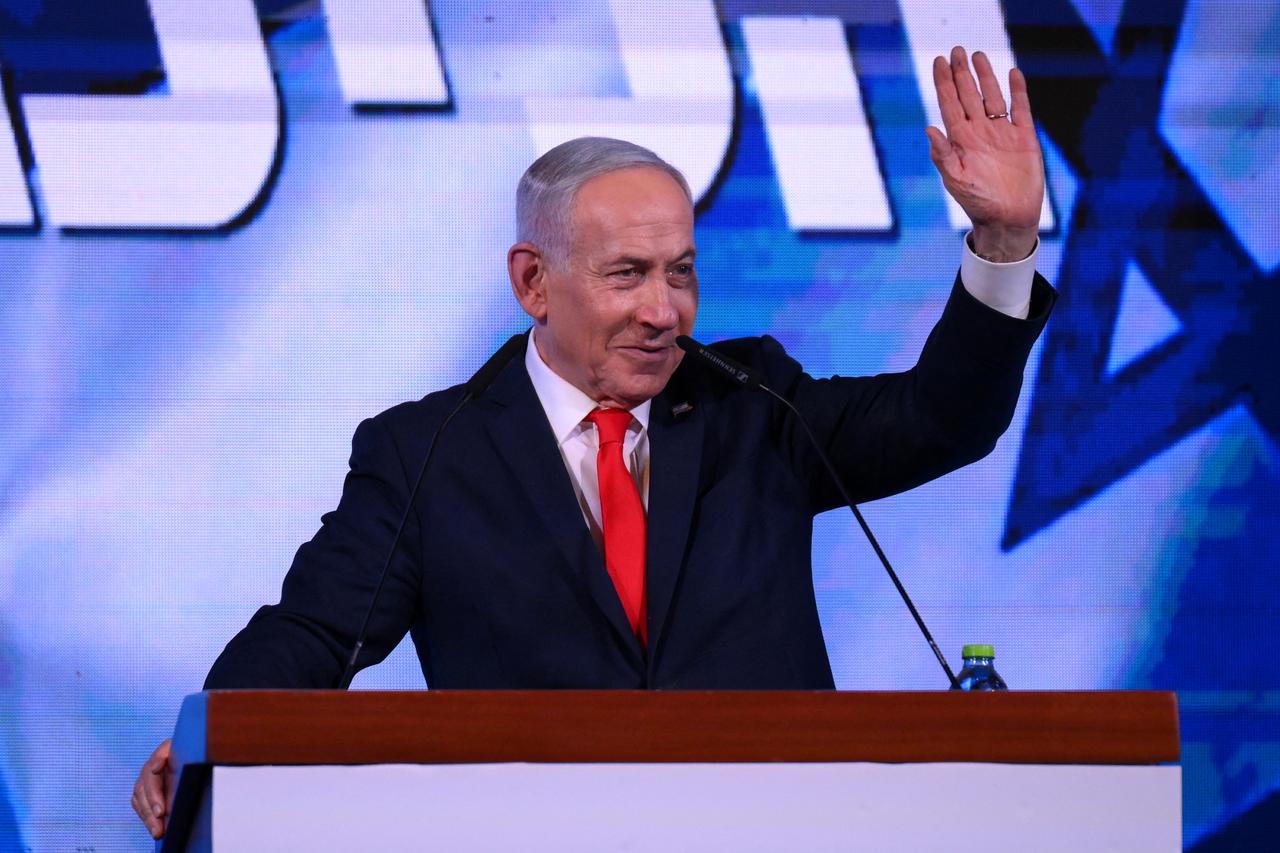


Israeli Prime Minister Benjamin Netanyahu claimed his right-wing bloc had a mandate to govern, while opposition leader Gadi Eisenkot called on him to leave politics as partial election results put opposition parties ahead.
Speaking to Likud supporters in Jerusalem early Wednesday, Netanyahu acknowledged that the final results were still pending but maintained that his party was on track to remain the largest in the Knesset, Israel's parliament.
"We are still waiting for the actual results," Netanyahu said, claiming that the right-wing bloc held a "decisive majority" among the "Zionist public." He urged Jewish and Zionist parties to unite behind a strong right-wing government.
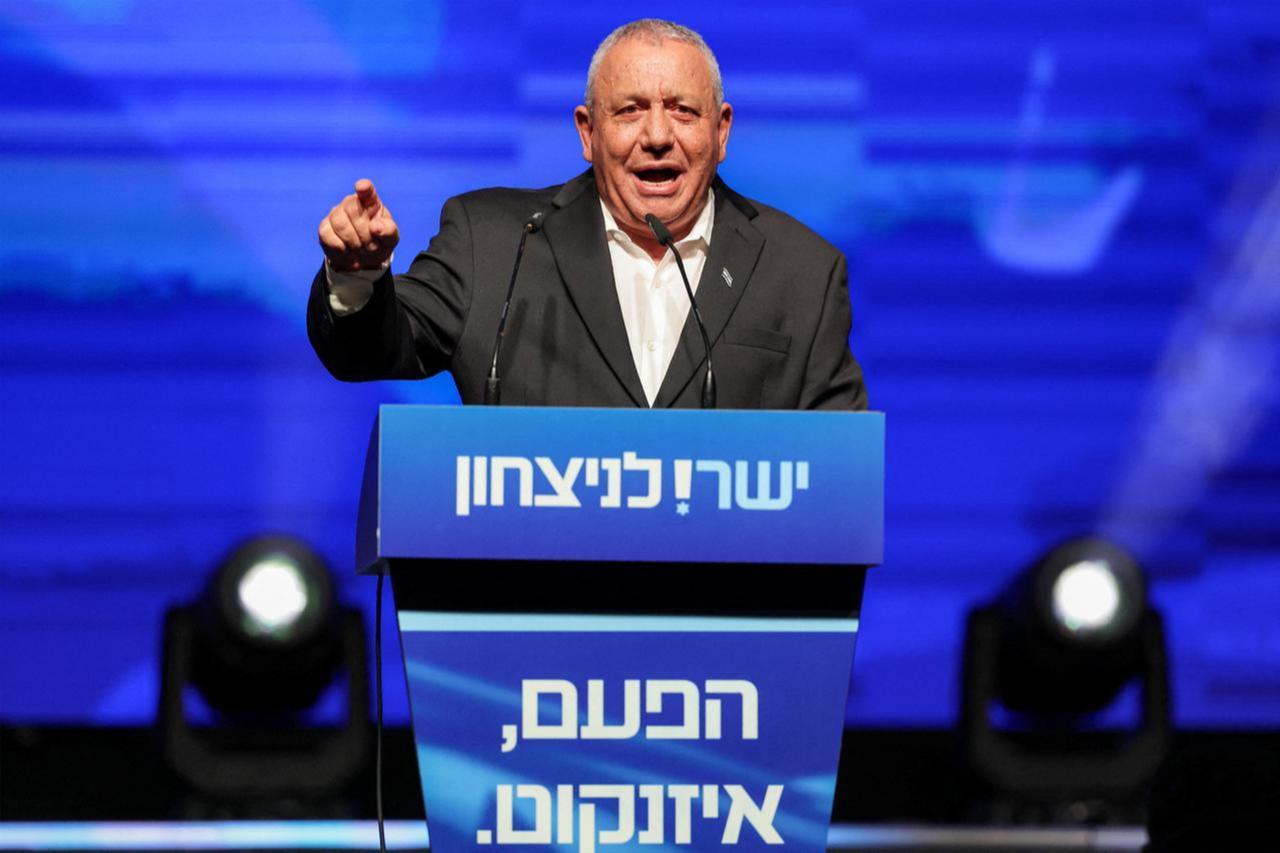
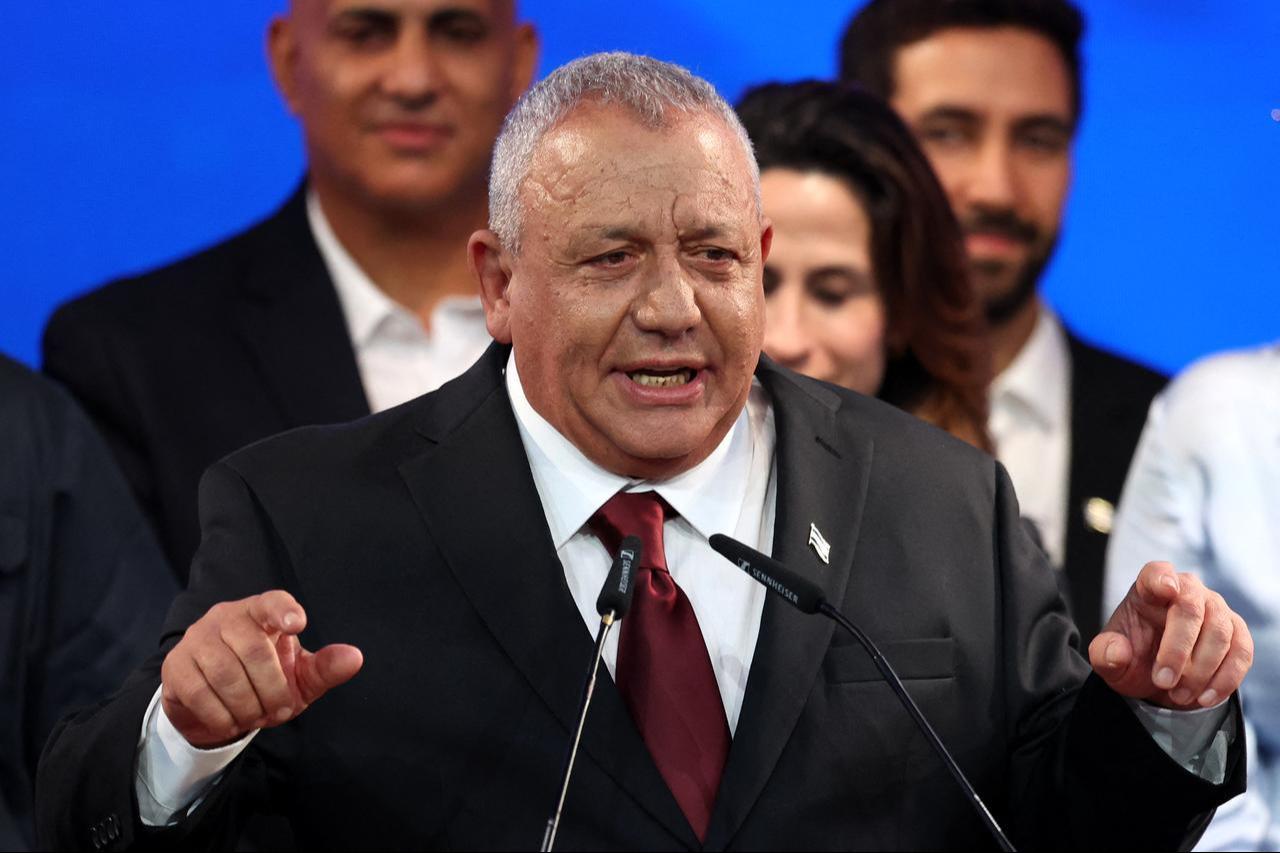
Eisenkot, speaking at his Yashar party's headquarters in Tel Aviv, urged Netanyahu to retire from politics and pledged to work with his partners to form a government representing all sections of Israeli society.
"It would be a mistake to hold another election, and it is my duty to do everything possible to carry out the will of the people," he said.
Netanyahu opposed efforts to establish a government with the support of Arab parties, describing them as anti-Zionist and accusing them of opposing Israel's existence. He warned that such an arrangement would endanger the country.
He also defended his military record, claiming Israeli operations had reshaped the Middle East and weakened Iran. Netanyahu maintained that the confrontation with Tehran would continue as long as its current leadership remained in power, accusing it of seeking Israel's destruction.
Eisenkot, meanwhile, warned the prime minister against using national security for political purposes. "Do not dare use Israel’s security for your political needs," he told Netanyahu.
He also reminded Israeli security chiefs that Netanyahu headed a caretaker government and that their responsibility was to serve the public.
"Remember that you serve only the interests of Israel’s citizens," Eisenkot said, urging officials to resist political pressure and offering them his support. He pledged to establish a Zionist government focused on military conscription, declaring an end to what he described as an era of division and incitement.

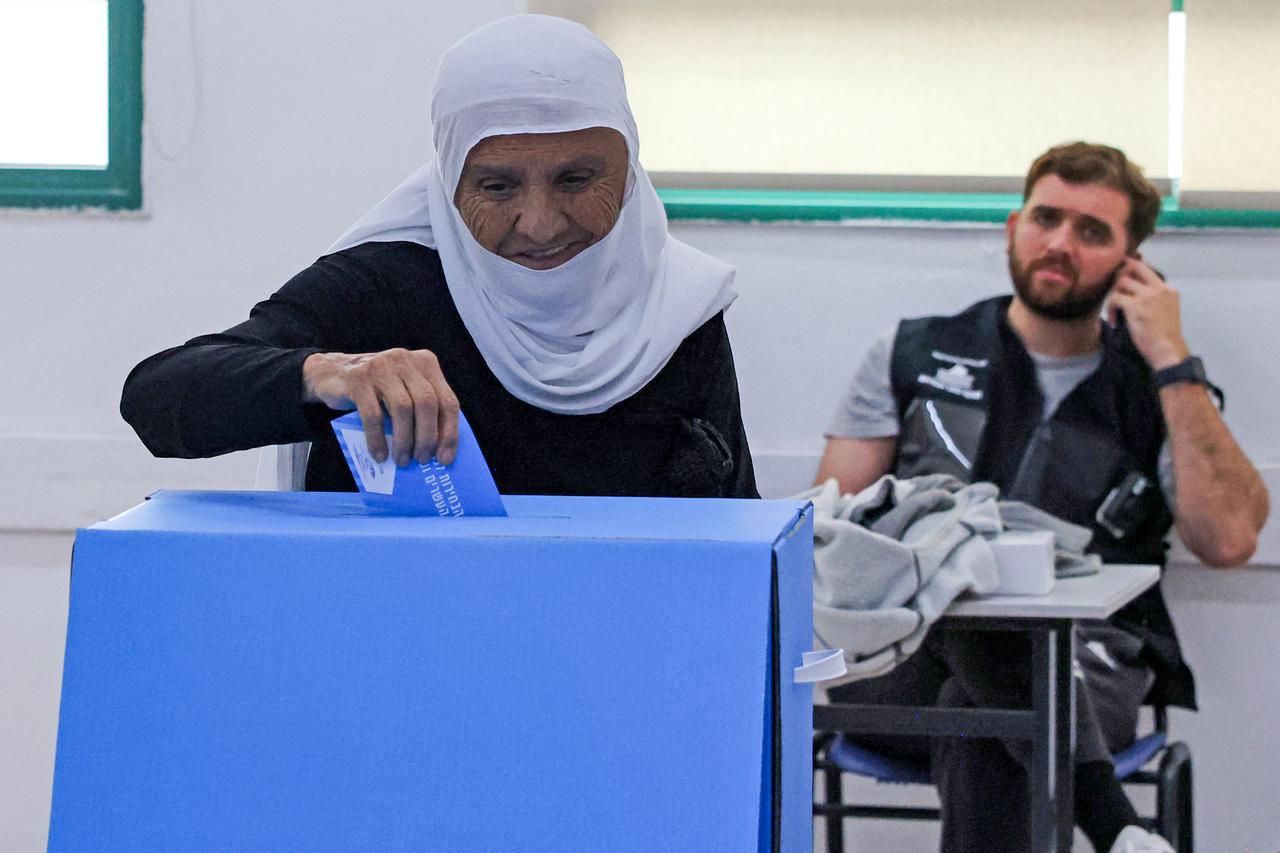
Voter turnout reached 77.7%, the highest level since 1999, according to the Central Elections Committee, marking a 7.1-percentage-point increase from the 2022 election. Polls closed at 10:00 p.m. local time Tuesday (08:00 p.m. GMT), and vote counting began shortly afterward. Official results were expected on Nov. 4.
Exit polls gave neither main bloc the 61 seats needed for a parliamentary majority, leaving the formation of the next government uncertain.
Partial results released after more than 28% of votes had been counted put opposition parties, including Arab parties representing Palestinian citizens of Israel, at 51.3% of the vote, ahead of Netanyahu's bloc at 48.7%.
The figures translated into approximately 819,500 votes for the opposition parties, compared with 778,400 for Netanyahu's bloc, according to Israeli newspaper Yedioth Ahronoth.
Likud led the party-level results with 22.2%, followed by Eisenkot's Yashar party at 15.4%. The Joint Arab List secured 8.3%, narrowly ahead of former Israeli Prime Minister Naftali Bennett's Together List at 8.2%.
United Torah Judaism received 6.7%, Israel Beiteinu 6.4%, Jewish Power 6% and the Democrats 5.9%. Shas and the Religious Zionism Party each garnered 5.7%, while Ra'am won 3.7%. The Reserves and Economy Party received 2.7%, and Amha Yisrael secured 1.8%.
Meanwhile, Channel 12 reported that Israeli President Isaac Herzog was expected to ask Eisenkot to form the next government. The decision, however, depended on the final results and recommendations submitted by parliamentary parties.


 Set as preferred source
 Set as preferred source


 1 min read
 1 min read