

 Newsletters


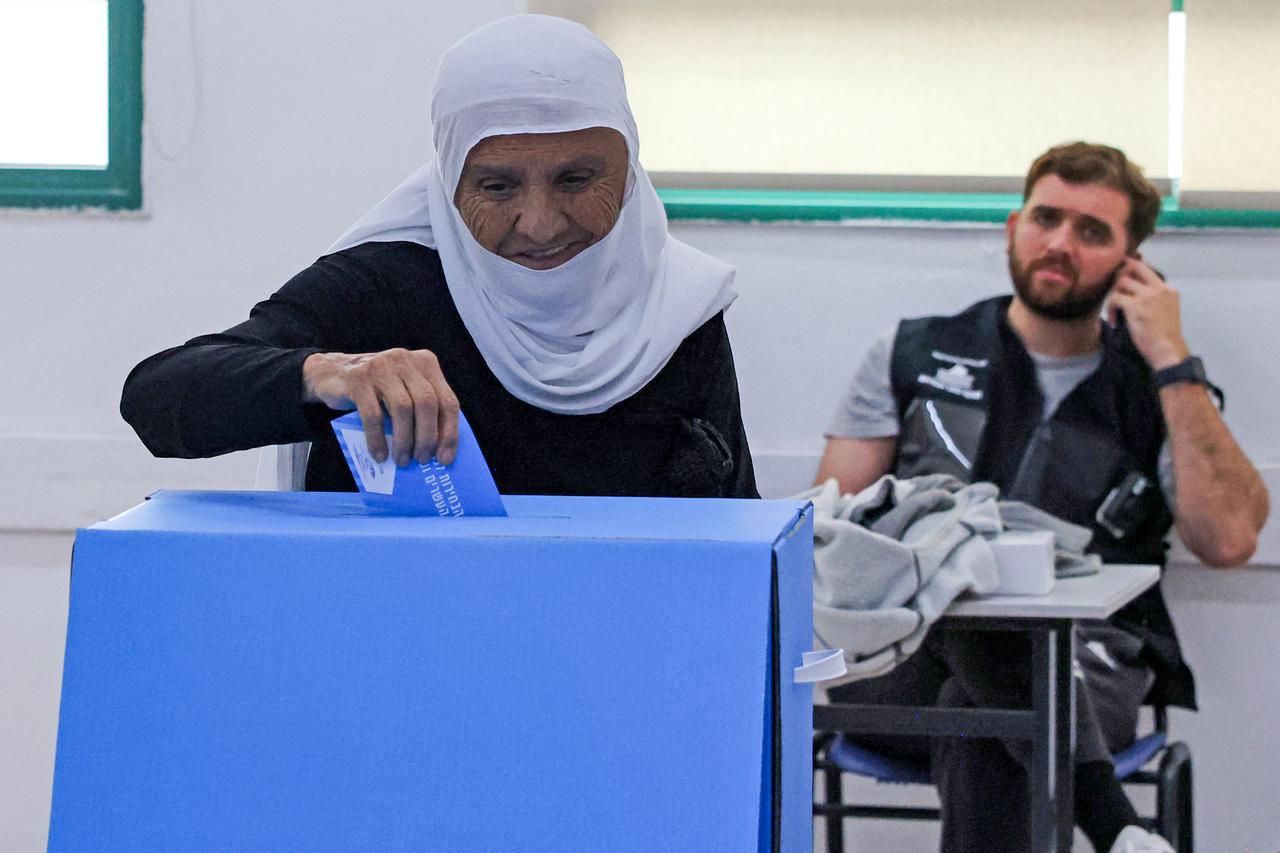


The leader of the United Arab List, Mansour Abbas, accused Prime Minister Benjamin Netanyahu on Tuesday of lying and inciting against his party to drive right-wing voters to the polls, as Israelis voted in parliamentary elections.
In a video message, Abbas said Netanyahu was using the party as a “scare tactic” to rally his base. The accusation came as Netanyahu and other right-wing figures publicly pointed to heavy turnout in Arab communities, and as a rights group reported delays and missing Arabic ballot slips in Palestinian towns.
Netanyahu urged his supporters to vote, warning of high participation among Palestinian citizens of Israel.
“Buses are heading to the polling stations, and huge lines are being reported in Arab communities,” he wrote on X, sharing a picture first posted by lawmaker Ahmad Tibi that showed Tibi with a bus in the background. He also reposted an image of voting in the Bedouin city of Rahat, adding, “We are in a war for our home!”
National Security Minister Itamar Ben-Gvir released a video from the city of Kafr Qassem in which he urged right-wing voters to counter the “crazy voting rate” in Palestinian communities “if you want this country to stay Jewish and Zionist.”
He also warned that if Netanyahu and his allies fail to win, “it will be Mansour Abbas’ government.”
Gilad Kariv, a lawmaker from the opposition Democrats party, said election day marked “the beginning of four years of hope.”
He cautioned that Netanyahu and his associates would try to undermine the vote with misinformation, and called for a “massive turnout” as the response.
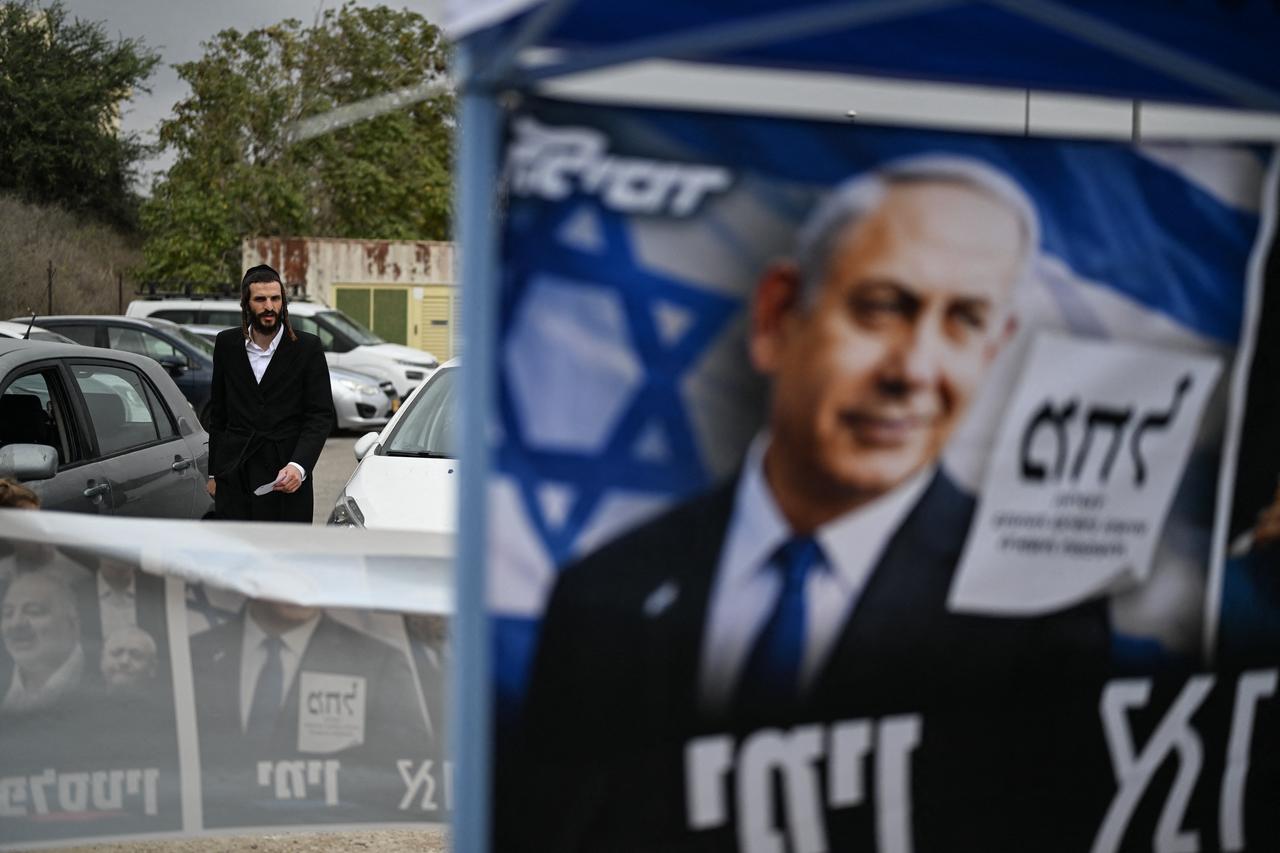

Adalah, a Haifa-based legal center, said it had received “numerous reports” from Palestinian citizens of obstacles in their towns. These included the slowing or stopping of admission into polling stations and a lack of ballot slips printed in Arabic.
The group cited a polling station in Kafr Qara, in central Israel, where only one person had reportedly voted by 10 a.m., three hours after polls opened at 7 a.m. In Segev Shalom, in the Naqab, a polling station was reportedly closed for a significant period, with at least 150 voters waiting outside at one point.
Adalah said it had raised the matters with the Central Elections Committee and relevant regional officials. It also said senior government officials had been inciting against Palestinian citizens exercising their right to vote throughout the day.
The group said the reports raise serious concern that the cases are “not isolated irregularities but a wider, recurring pattern.” It added that when delays are concentrated in Arab towns, the damage extends to “the principle of equal participation in the electoral process.”
 1 min read
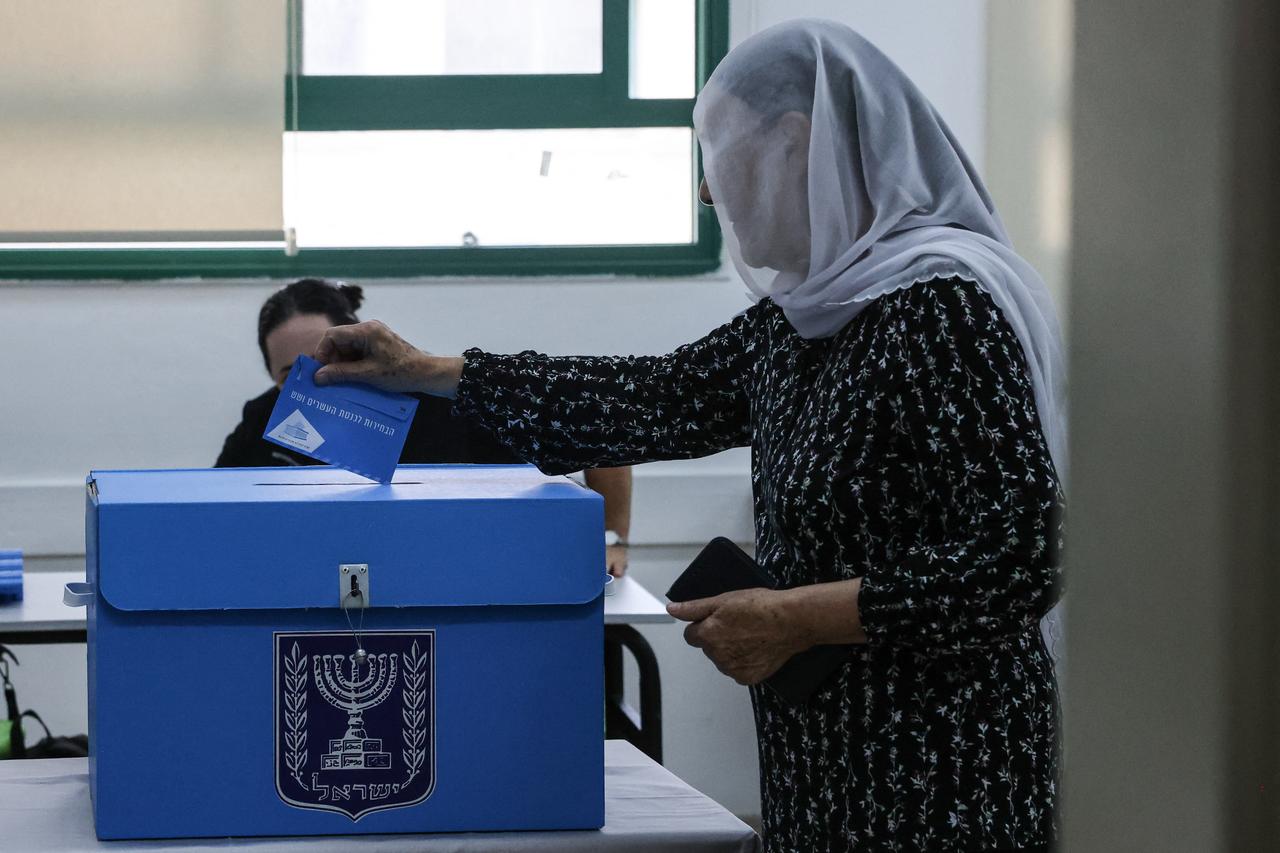
Orly Noy, a candidate for the left-leaning Balad party, told Al Jazeera that “things are looking pretty optimistic.” She said turnout among Arab citizens was “significantly higher than average.”
Noy acknowledged “a few bumps,” including Arab towns where ballot slips lacked the Joint List letters in Arabic, as well as reports of intimidation attempts by right-wing activists. “However, I haven’t heard of anything major going wrong,” she said.
Arab citizens make up about 20% of Israel’s population. Abbas, who heads the Islamist Ra’am party, said while voting that “our vote will change the government.” He said he hoped turnout in Arab communities would exceed 70%.
No single party has ever won an outright majority in Israel’s fragmented parliament, where a governing coalition needs the support of at least 61 of 120 lawmakers.
Neither Netanyahu’s religious and ultranationalist coalition nor the group of parties seeking to remove him may secure enough support, which could set off weeks of negotiations before a leader is declared.
Arab-led parties could emerge as kingmakers if other parties agree to join forces with them.


 Set as preferred source
 Set as preferred source



 1 min read


