Newsletters


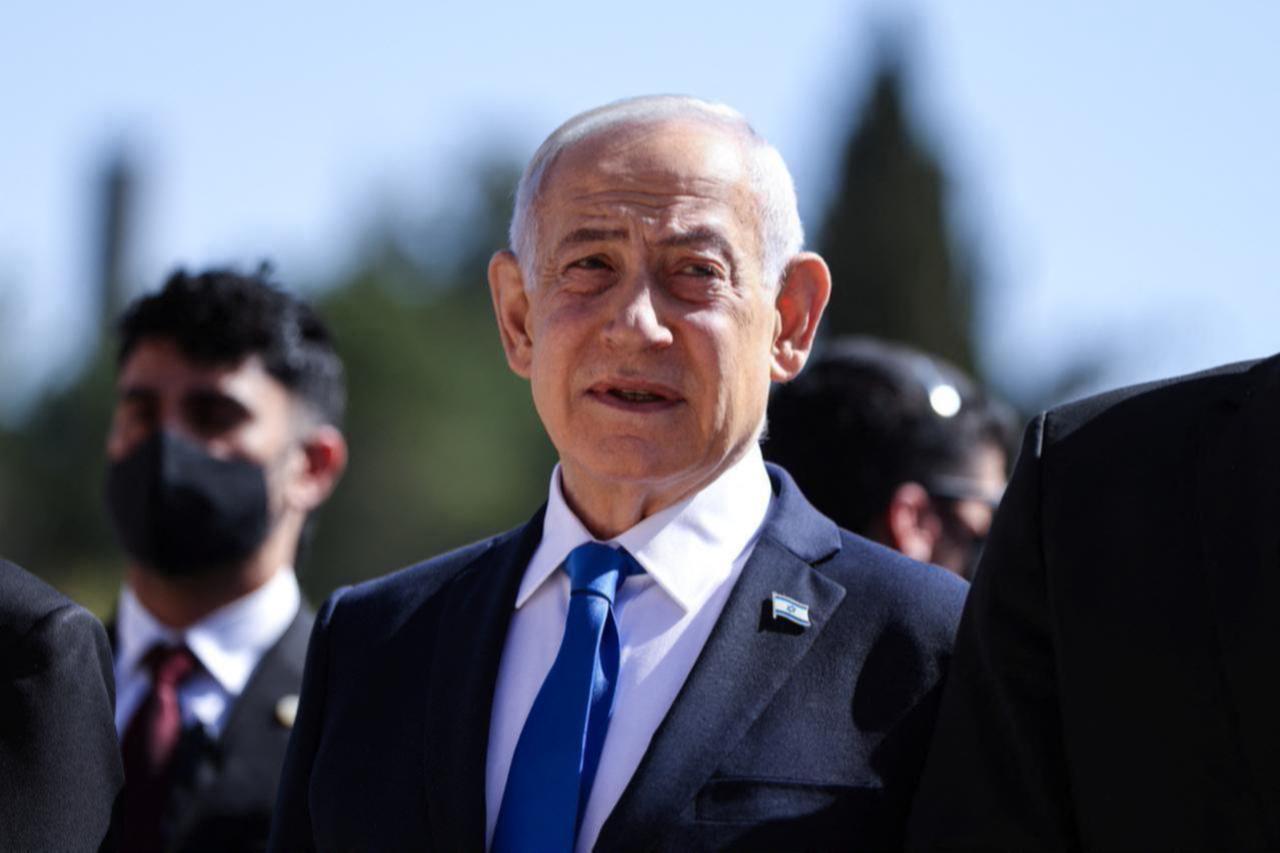


Israeli Prime Minister Benjamin Netanyahu said Monday that military operations in southern Lebanon would continue regardless of a ceasefire announcement by U.S. President Donald Trump, widening a visible gap between Washington and Tel Aviv over the direction of the conflict.
Speaking after a phone call with Trump, Netanyahu warned that Israel would escalate further if Hezbollah did not relent. "If Hezbollah does not stop attacking our cities and citizens, Israel will strike terror targets in Beirut," he said, in remarks carried by the Israeli daily Yedioth Ahronoth. "Our position remains unchanged. At the same time, the army will continue to operate as planned in southern Lebanon."
Trump, writing on social media earlier Monday, declared that Israel and Hezbollah had reached an understanding to cease attacks against each other, saying he had spoken with Netanyahu and communicated with the Lebanese militant group through intermediaries.
Israeli media confirmed the two leaders had spoken by phone to discuss Lebanon and Iran. Israel's public broadcaster KAN reported separately that Israel had originally planned to strike Beirut's southern suburbs on Monday morning but postponed the bombardment following U.S. intervention.
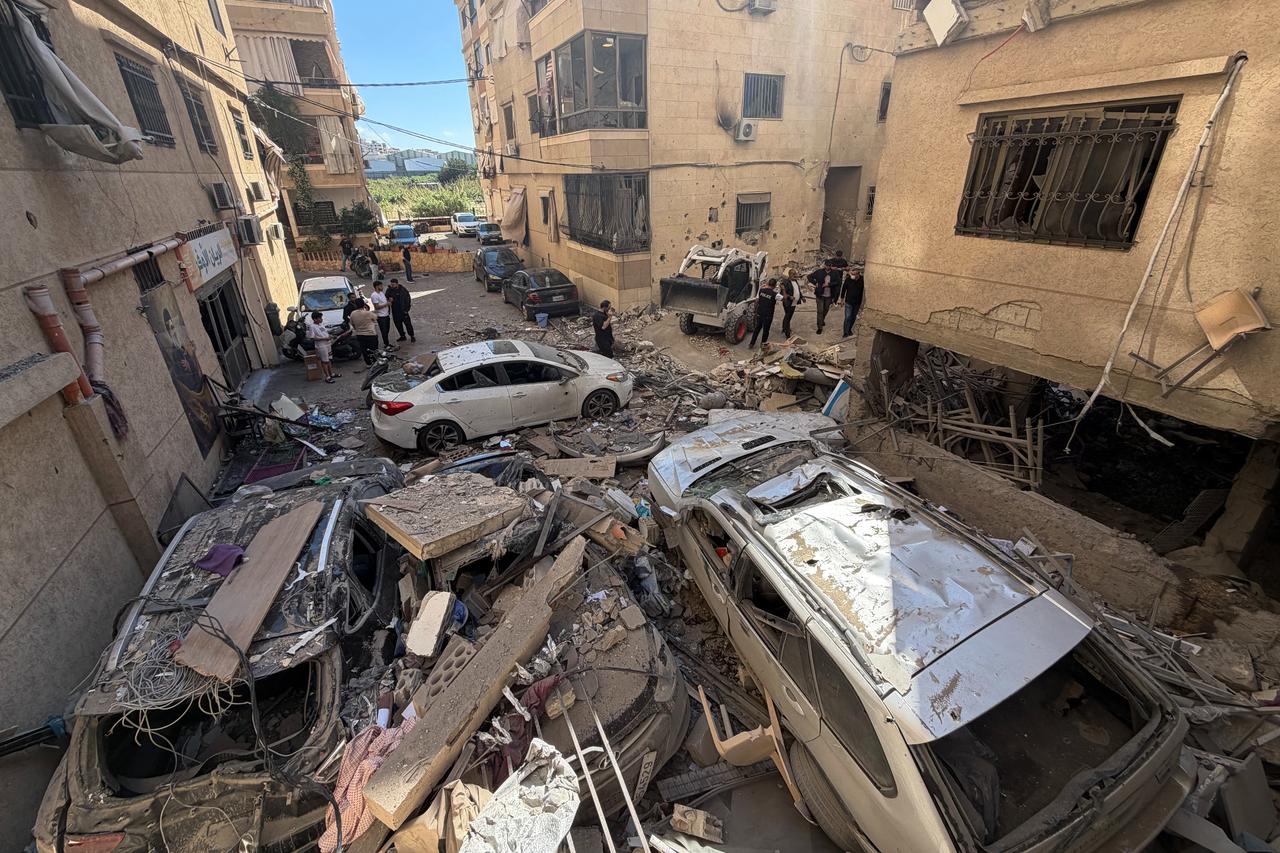

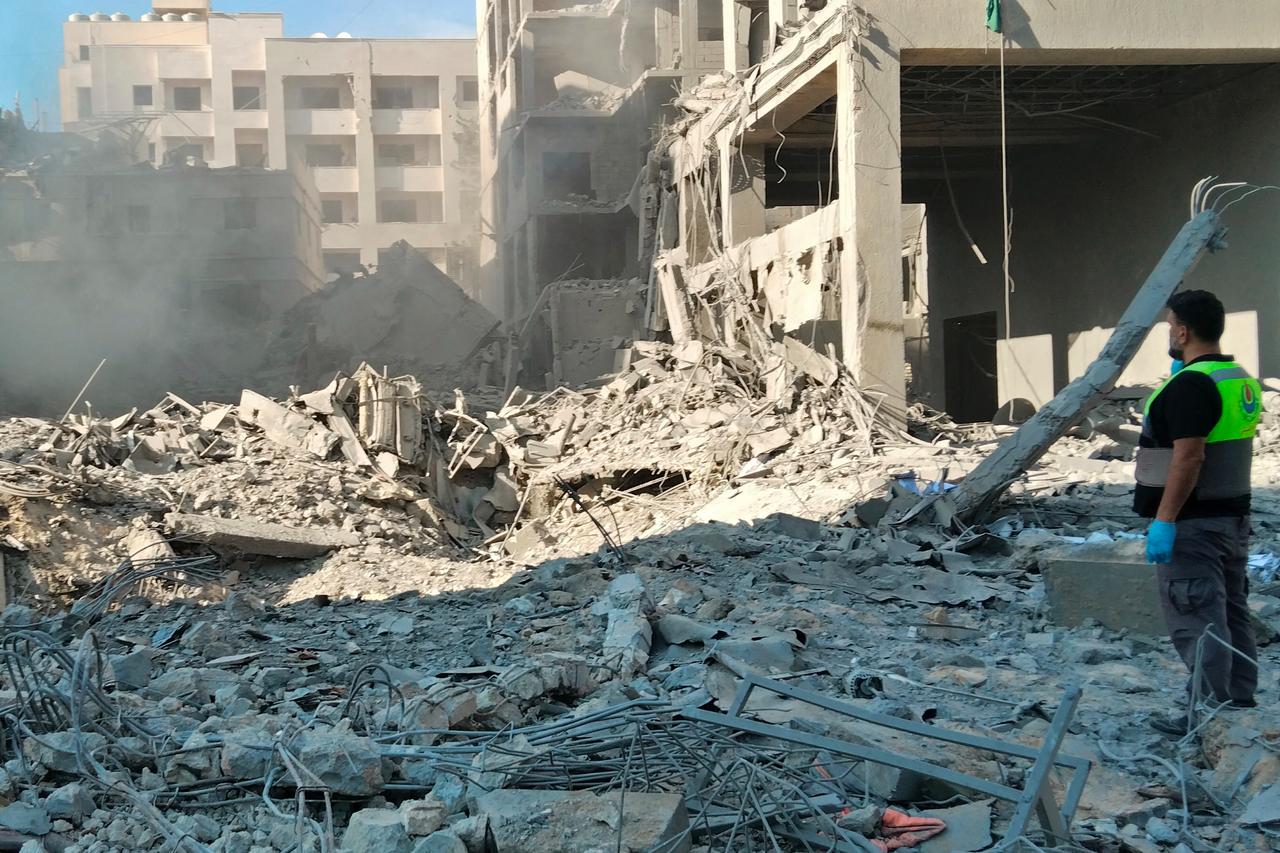
The standoff unfolded hours after Netanyahu ordered the Israeli military to carry out airstrikes on the Lebanese capital, triggering mass displacement as residents of Beirut's southern Dahiyeh district, a Hezbollah stronghold, fled their homes.
The Israeli military's Arabic-language spokesman had posted a warning on social media urging residents to evacuate, with the threatened bombardment sending cars jamming roads out of the suburb.
Netanyahu and Defense Minister Israel Katz issued a joint statement saying the orders to strike Dahiyeh followed what they characterized as repeated ceasefire violations by Hezbollah and continued attacks on Israeli communities. Hezbollah, for its part, had resumed rocket fire toward northern Israel, including the outskirts of Haifa, in what it described as a response to Israeli strikes it considered acts of aggression.
The crisis deepened on the diplomatic front as Iranian media reported that Tehran had suspended its exchanges of messages with Washington, citing the Israeli military escalation in Lebanon as the reason. The move threatens to complicate the fragile broader regional diplomacy that has sought, fitfully, to contain the wider conflict between Israel and Iran.
Tensions across the Middle East have been sharply elevated since the United States and Israel launched strikes on Iran in February.
Tehran responded with retaliatory attacks on Israel and U.S. allies in the Gulf and closed the Strait of Hormuz, a critical artery for global oil shipments. A ceasefire mediated by Pakistan took effect on April 8, but subsequent talks held in Islamabad failed to produce a durable agreement. Diplomatic efforts have continued since, though without a lasting breakthrough.
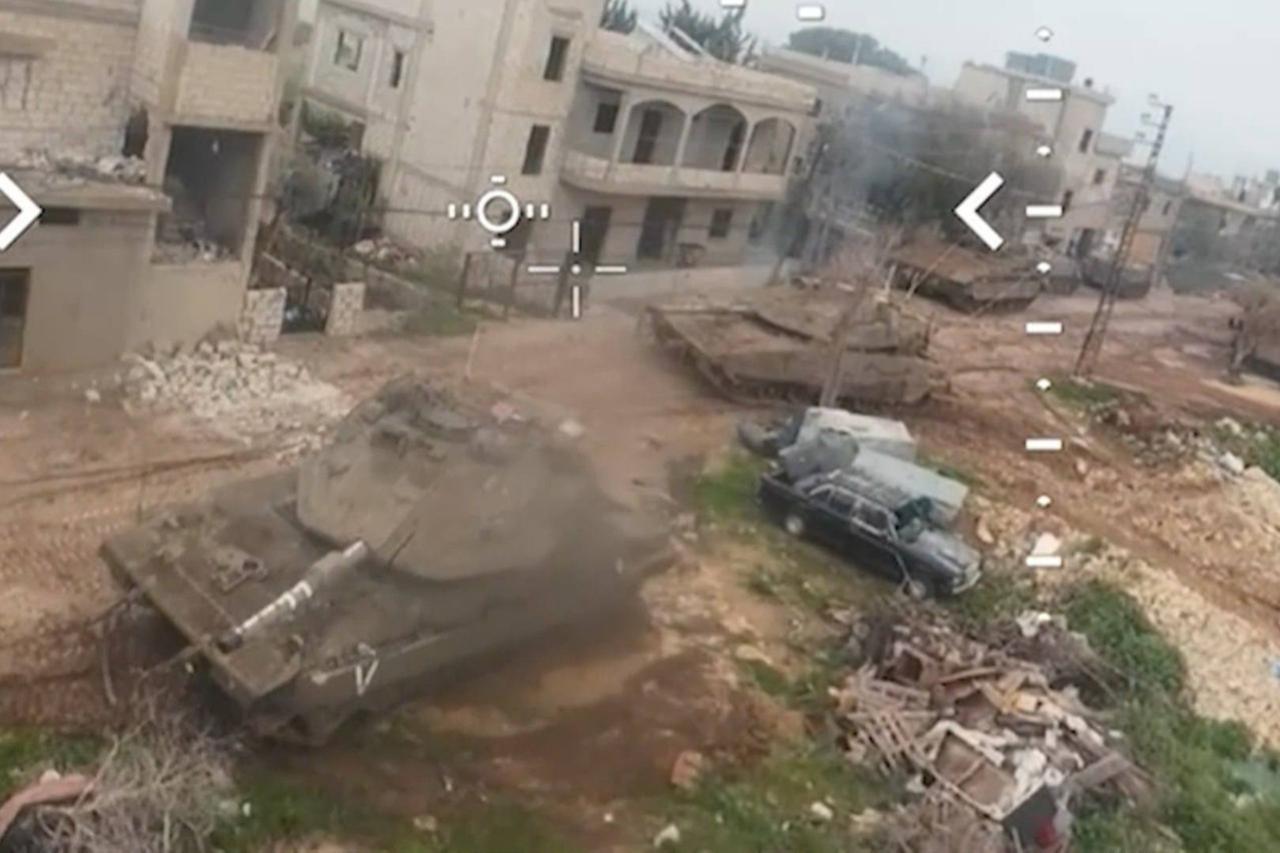
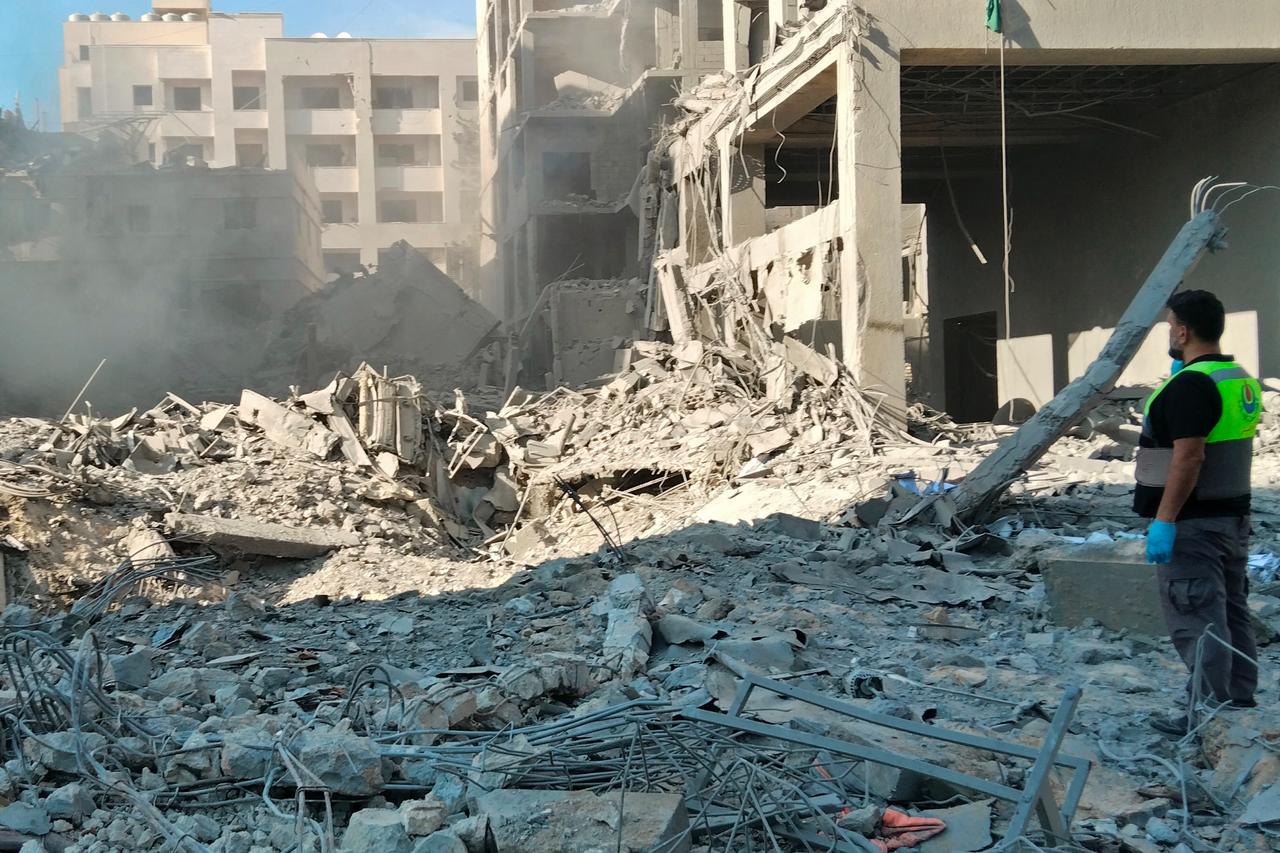
Israel's military push in Lebanon has been widening in scope. Military have pressed deeper into Lebanese territory while airstrikes have targeted areas throughout the south and the capital region.
Secretary of State Marco Rubio held separate calls with Lebanese President Joseph Aoun and Netanyahu in the preceding 48 hours to present a de-escalation proposal, according to reports, underscoring Washington's urgent interest in containing the conflict.
More than one million people have been forcibly displaced across Lebanon since fighting between Israel and Hezbollah escalated significantly in early March, according to displacement tracking data.
An earlier ceasefire announced in April had never been consistently observed, with both sides accusing the other of violations. Tehran has also conditioned any extension of the broader Iran ceasefire on a resolution to the Lebanon front, inserting the two conflicts into the same diplomatic framework and raising the stakes for all parties.


 Set as preferred source
 Set as preferred source


 1 min read
 1 min read