Newsletters


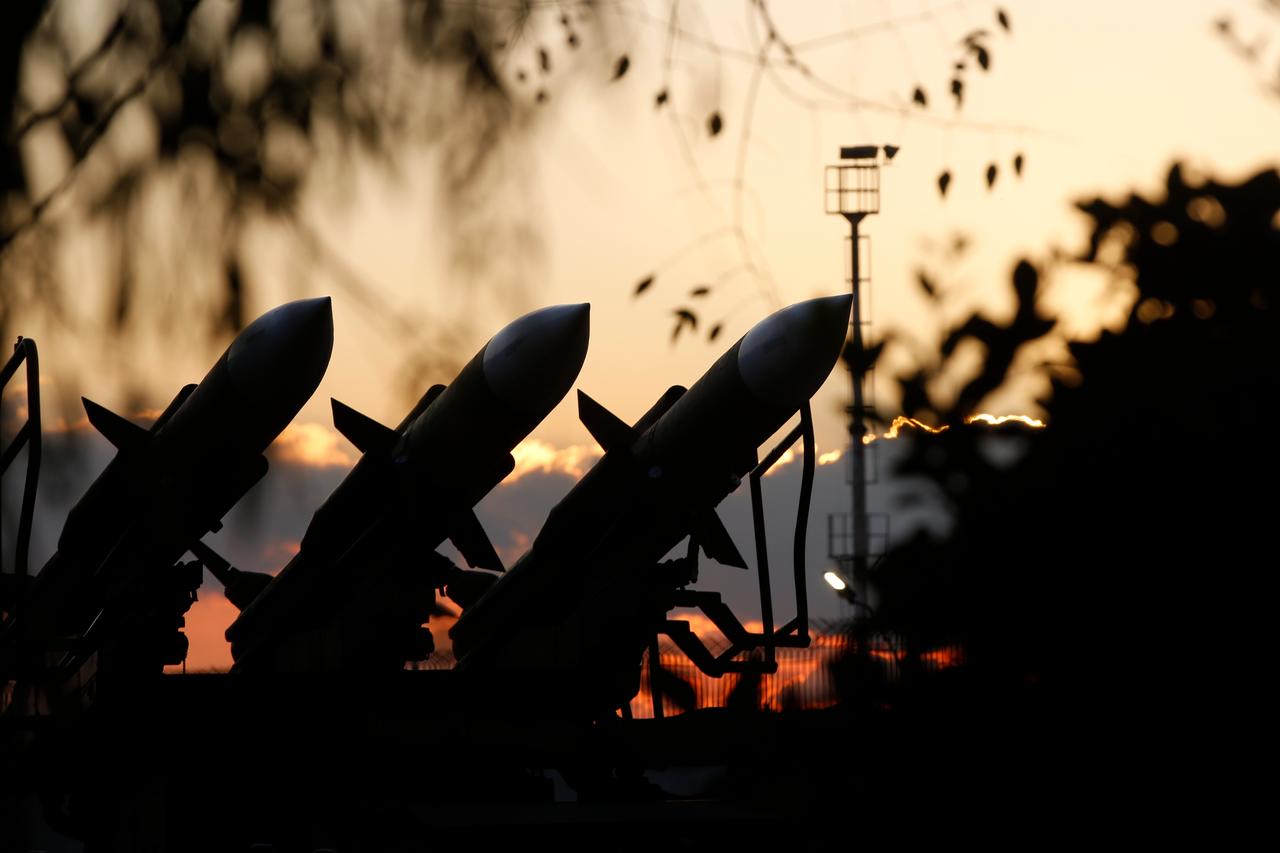


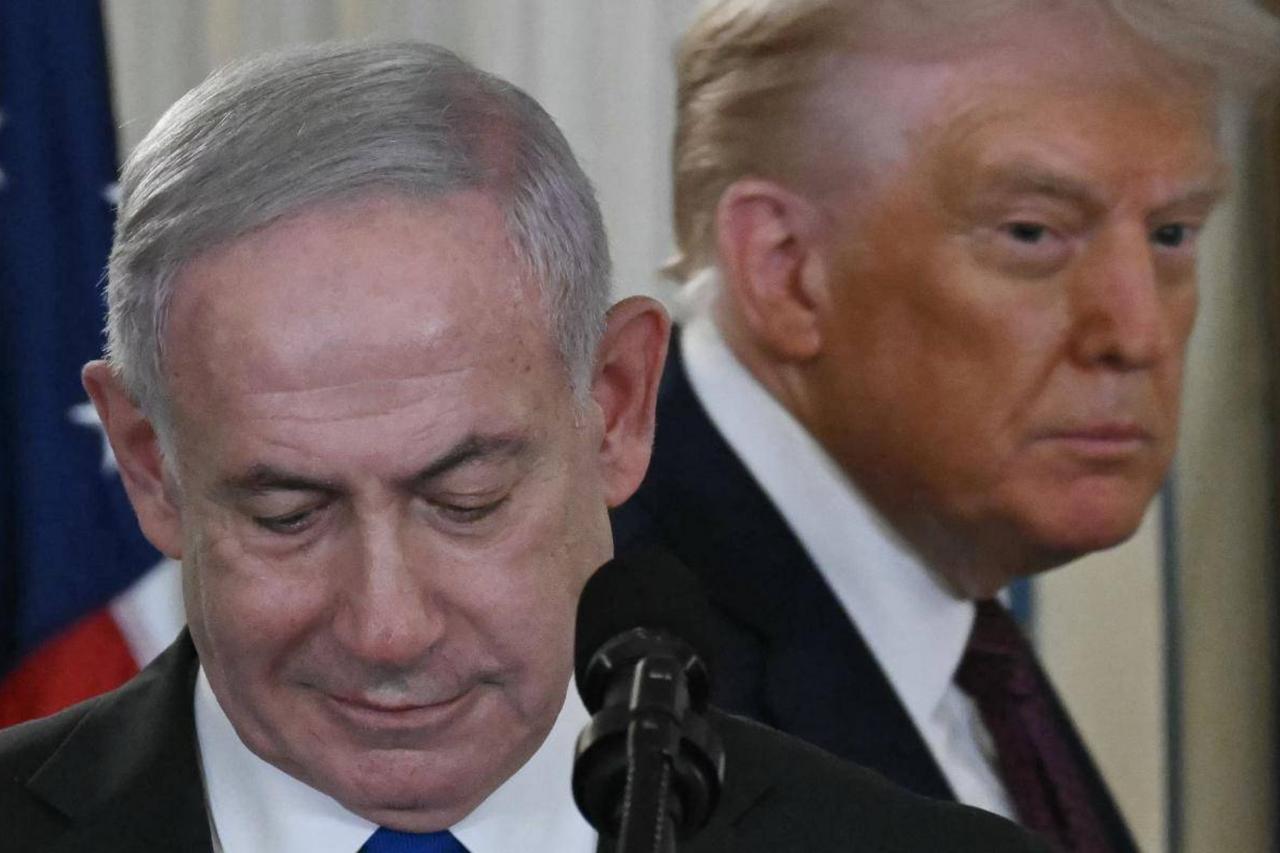
Israeli caretaker Prime Minister Benjamin Netanyahu discussed the possibility of renewed military strikes against Iran with opposition leader Gadi Eisenkot, who has been tasked with forming the next government, as U.S. President Donald Trump reportedly remains reluctant to resume the war, according to media reports Friday.
Israeli Channel 12 reported that Netanyahu met Eisenkot on Thursday and sought to share intelligence concerning Iran that could influence his assessment of a potential new military operation.
Citing an informed source, the broadcaster said the intelligence “could change his view” of Netanyahu's motives for resuming attacks.
The meeting came amid Israel's political transition following the Oct. 27 parliamentary elections, in which Netanyahu's bloc lost its majority.
Eisenkot has previously warned Netanyahu against launching unnecessary military operations before a new government takes office.
Channel 12 also reported that Eisenkot had not been informed of Mossad chief Roman Gofman's visit to Washington to discuss Iran.
The broadcaster did not establish whether Eisenkot had deliberately been kept unaware of the visit.
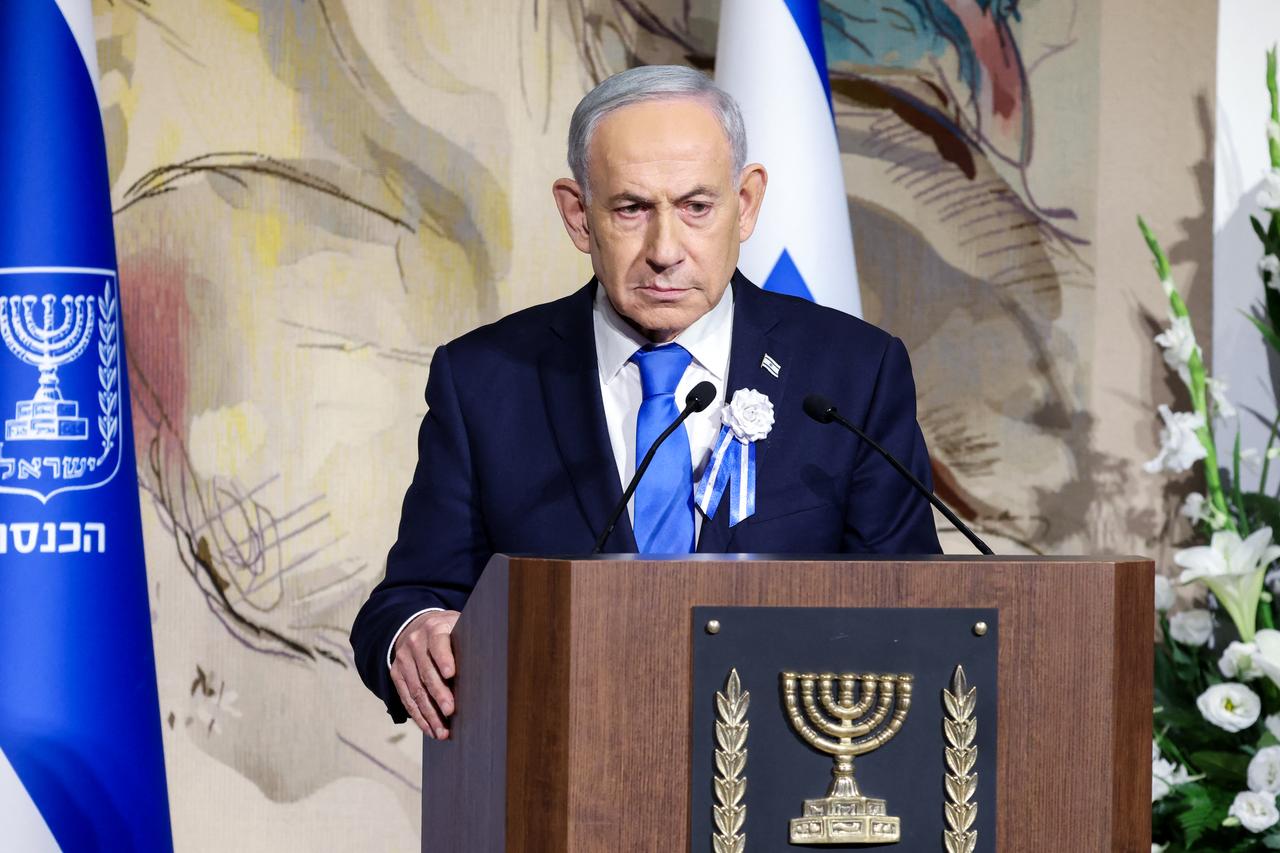

Israeli public broadcaster KAN reported that military Chief of Staff Eyal Zamir supported the possibility of another operation against Iran but considered the current timing inappropriate.
According to the broadcaster, Zamir favored coordinating with the United States and selecting suitable conditions before undertaking further military action.
KAN cited an unnamed security source who said the Israeli military had identified no immediate threat from Iran requiring a new attack.
The source also warned against becoming involved in a prolonged war of attrition and ruled out a resumption of hostilities in the coming weeks.
Channel 12 previously reported disagreements between Netanyahu and Zamir over decisions that could trigger another confrontation with Tehran.
Netanyahu's office denied that report.
Meanwhile, Israeli newspaper Haaretz reported Friday that Mossad chief Roman Gofman had met CIA Director John Ratcliffe in Washington and was expected to meet U.S. envoy Steve Witkoff.
The visit was part of Israeli efforts to secure American support for renewed military action against Iran, according to the report.
Separately, Channel 13 reported that Gofman was expected to present intelligence concerning Iran's nuclear program and long-range missile development, along with Israeli allegations that Tehran had violated agreements with Washington.
Haaretz said relevant U.S. and Israeli authorities had not commented on the details of the visit.
The diplomatic contacts come amid reported Israeli concerns that Washington could reach an agreement with Tehran that eases pressure on Iran without adequately addressing its nuclear activities or missile capabilities.
The discussions also coincide with concerns among parts of Israel's opposition that major military decisions during the transition of power could affect efforts to form a new government.
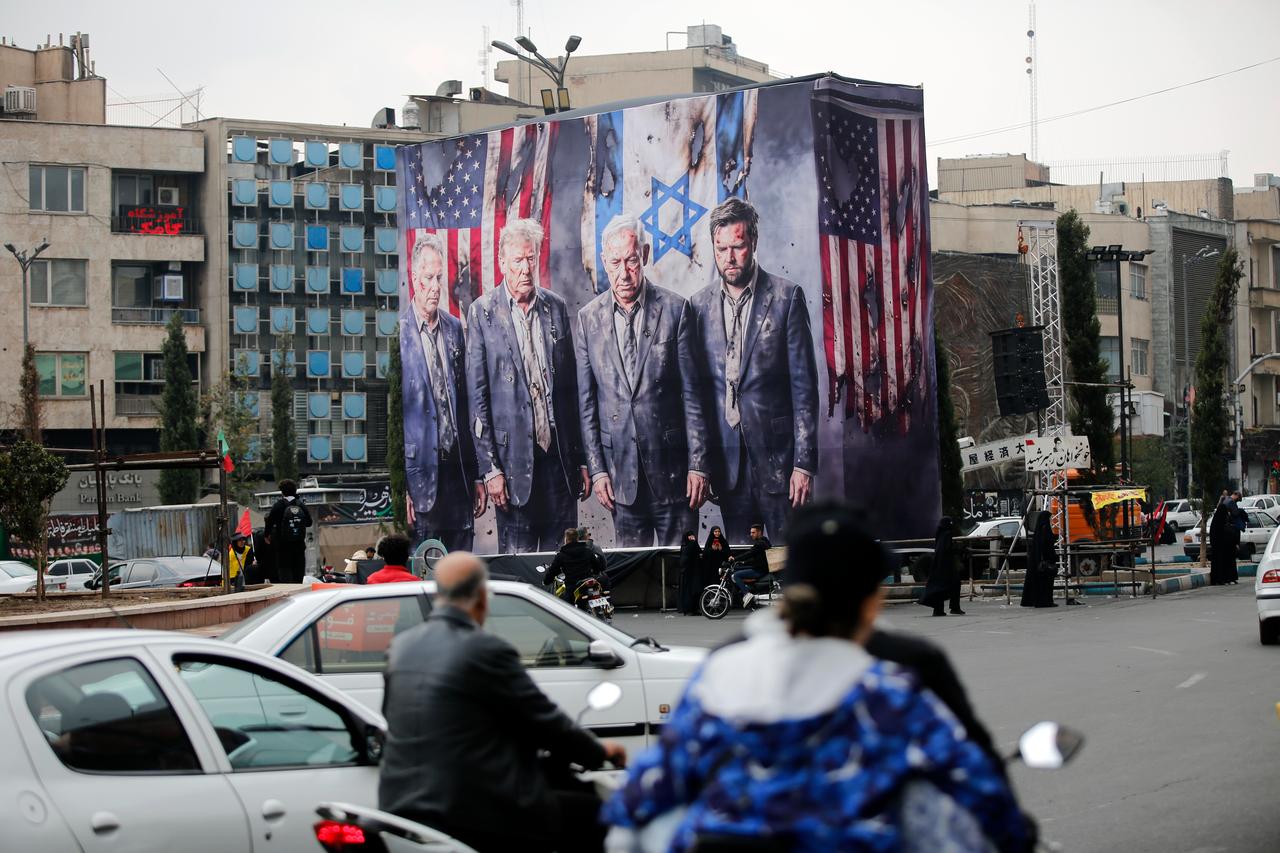
Despite the Israeli discussions, Trump does not want to resume military operations against Iran "for now," The Washington Post reported Friday, citing a U.S. official.
The official said Trump had received several intelligence briefings daily since the midterm elections.
"It's become pretty clear that Trump does not want to go back to war for now," the official said.
According to the newspaper, the administration has adopted an approach that avoids both renewed large-scale fighting and fresh negotiations while maintaining economic and military pressure on Tehran.
Trump previously announced on Truth Social that Washington no longer needed an agreement with Iran and instructed Vice President JD Vance to focus on domestic issues instead of negotiations with Tehran.
Following a meeting Monday with Qatari Prime Minister Mohammed bin Abdulrahman Al Thani at the White House, Trump indicated that Washington intended to maintain its current approach.
"We're just keeping it the status quo," he told reporters.
U.S. Secretary of State Marco Rubio rejected suggestions that the administration's approach represented a diplomatic stalemate, arguing that Washington's economic pressure campaign was producing results.
"The pressure and the devastation that our economic campaign is having on the Iranian regime is working so well that the president really doesn't have any need to conduct major combat operations," Rubio said on the sidelines of the Group of Seven foreign ministers' meeting in Paris.
Rubio also described Iran's demands as "absurd."
The United States and Israel launched military attacks against Iran on Feb. 28, prompting Tehran to retaliate with missile and drone strikes across the region and effectively close the Strait of Hormuz, a major route for global energy shipments.
A memorandum of understanding signed in June was intended to establish a framework for a final peace agreement, but subsequent disagreements, including over maritime navigation in the strait, prevented a lasting settlement.


 Set as preferred source
 Set as preferred source


 1 min read


 1 min read