Newsletters


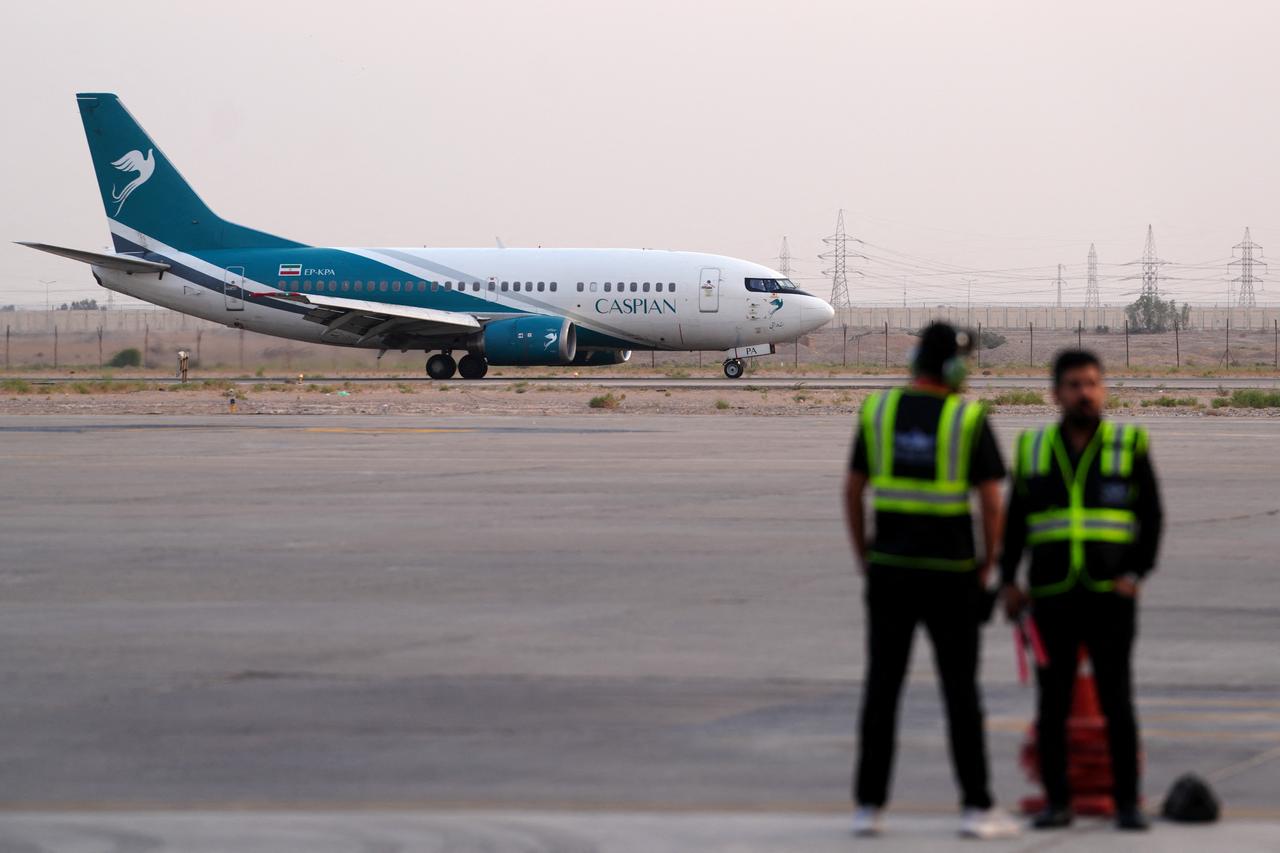


Washington is pressing Ankara to cut off Iran’s "financial lifelines" and halt Iranian flights, continuing a broad strategy of economic pressure that seeks to achieve what military deterrence has not—at a direct economic cost to neighboring countries like Türkiye.
The U.S. Treasury told Türkiye Today it expects Ankara to end Iranian flights, but it would not say whether Washington wants Turkish border crossings closed under Task Force Iron Gate.
Türkiye remains one of the few major regional hubs maintaining flights to Iran despite U.S. sanctions and diplomatic pressure aimed at restricting Iran's aviation sector.
The Treasury official said a senior Treasury official traveled to Türkiye in September and that Treasury experts are on the ground in the country this week, focusing on the issue.
"Türkiye is aware of our expectations: it should cut off financial lifelines to the Iranian regime, with exceptions limited to humanitarian purposes," a Treasury official told Türkiye Today.
Türkiye, however, cautions against the dangers of isolating Iran. Turkish President Erdogan warned on Nov. 9 that escalating pressure and military action risk pushing the region into a wider war, emphasizing that Ankara favors resolving disputes through negotiation rather than confrontation.
The war on Iran, started by the United States and Israel on Feb. 28, resulted in extensive damage to Gulf energy and trade infrastructure.
Asked about Treasury’s role, the official placed the task force within Washington’s wider economic campaign against Tehran. "Task Force Iron Gate is a critical component of Operation Economic Outcast, and Treasury is working in close coordination with the effort," the official said.
The official did not say whether the Office of Foreign Assets Control (OFAC), Treasury’s sanctions arm, is formally part of the task force.
"Treasury has engaged at the highest levels of the Turkish government on shared national security and financial integrity concerns," the official said. "The Secretary of the Treasury has directly raised these issues with both the Turkish foreign and finance ministers."

Türkiye Today asked whether the United States had asked Türkiye to close or restrict border crossings with Iran. It also asked what Washington wants specifically: new inspection regimes, restrictions on particular goods, closures or something else.
The response addressed finance and aviation but not the land border.
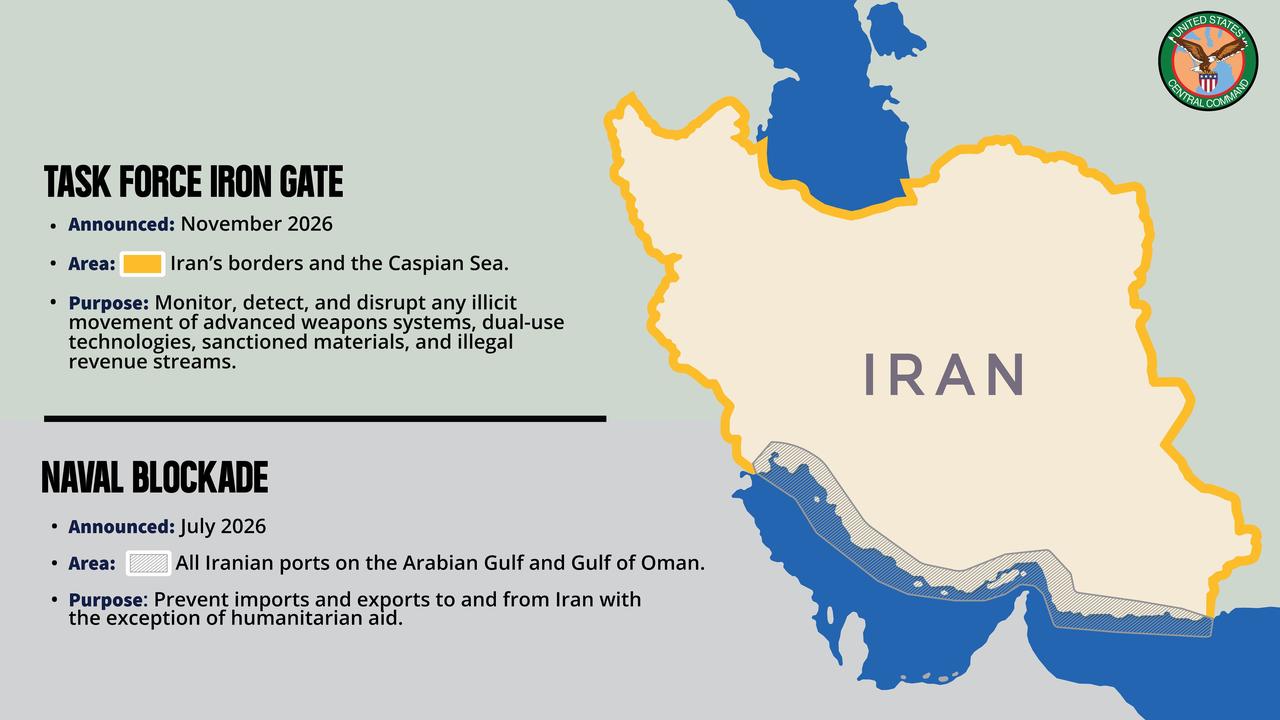
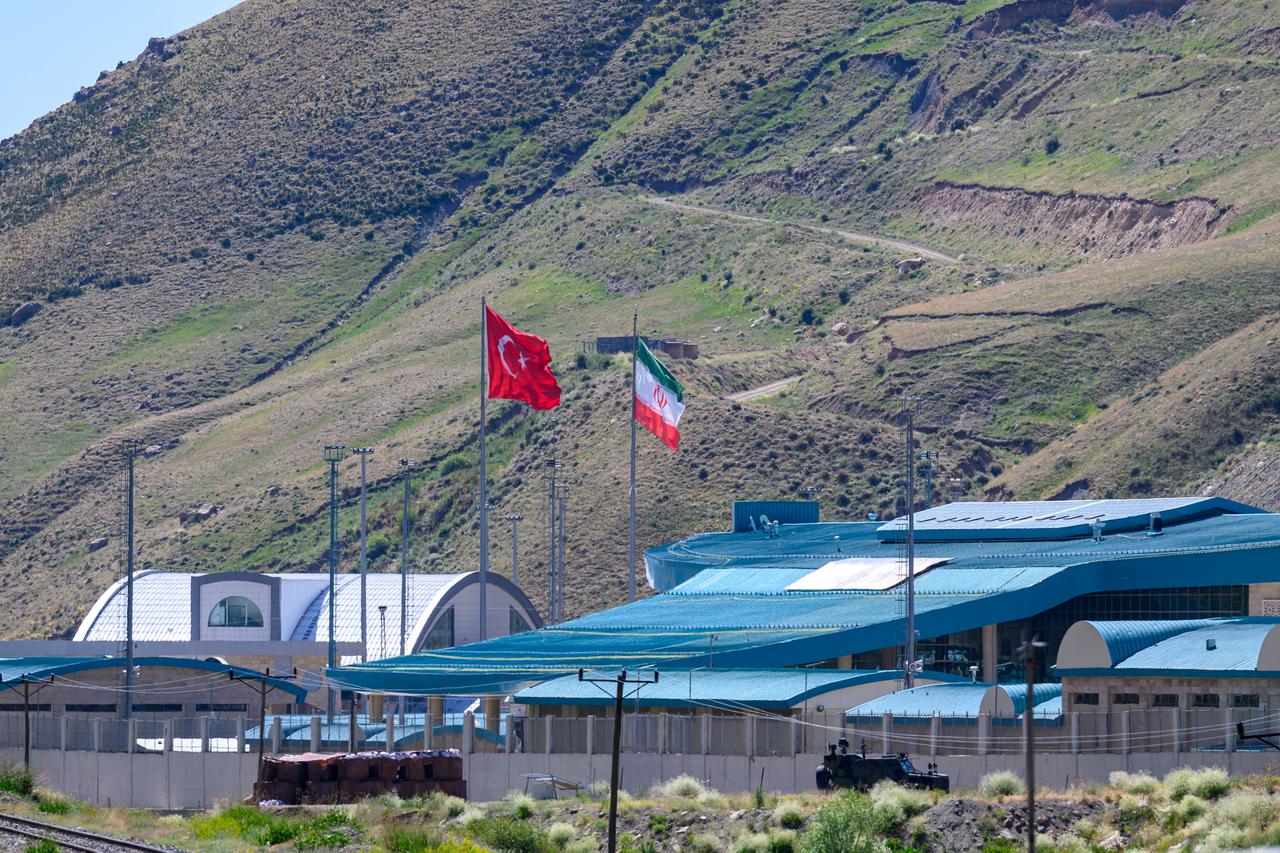
U.S. Central Command (CENTCOM) said Iron Gate would coordinate with other U.S. agencies on "preventing the movement of advanced weapons systems, dual-use technologies, sanctioned materials, and illegal revenue streams across Iran’s land borders and the Caspian Sea."
It also stands out against Treasury Secretary Scott Bessent’s own words. "UAE has been a good partner. Oman has been a good partner. We’re working with Pakistan and Türkiye to cut off all the land routes," Bessent said in an October interview with Newsmax.
Treasury official said Washington is working with Türkiye to ensure Iran cannot move money, weapons, dual-use goods or militant personnel across its air, sea or land borders.
Ankara has already moved against Iran-linked finance. On Sept. 16, Türkiye’s Banking Regulation and Supervision Agency (BRSA) handed the Savings Deposit Insurance Fund (TMSF) shareholder rights covering nearly all of Golden Global Investment Bank, less than two weeks after the U.S. sanctions.
The bank rejected the U.S. allegations and said it would take legal action.
The Treasury official said the Turkish government moved to take control of the bank and wind down its operations. The official tied that step to Treasury’s designation and to what the official called "revelations about the bank’s support for terrorism."
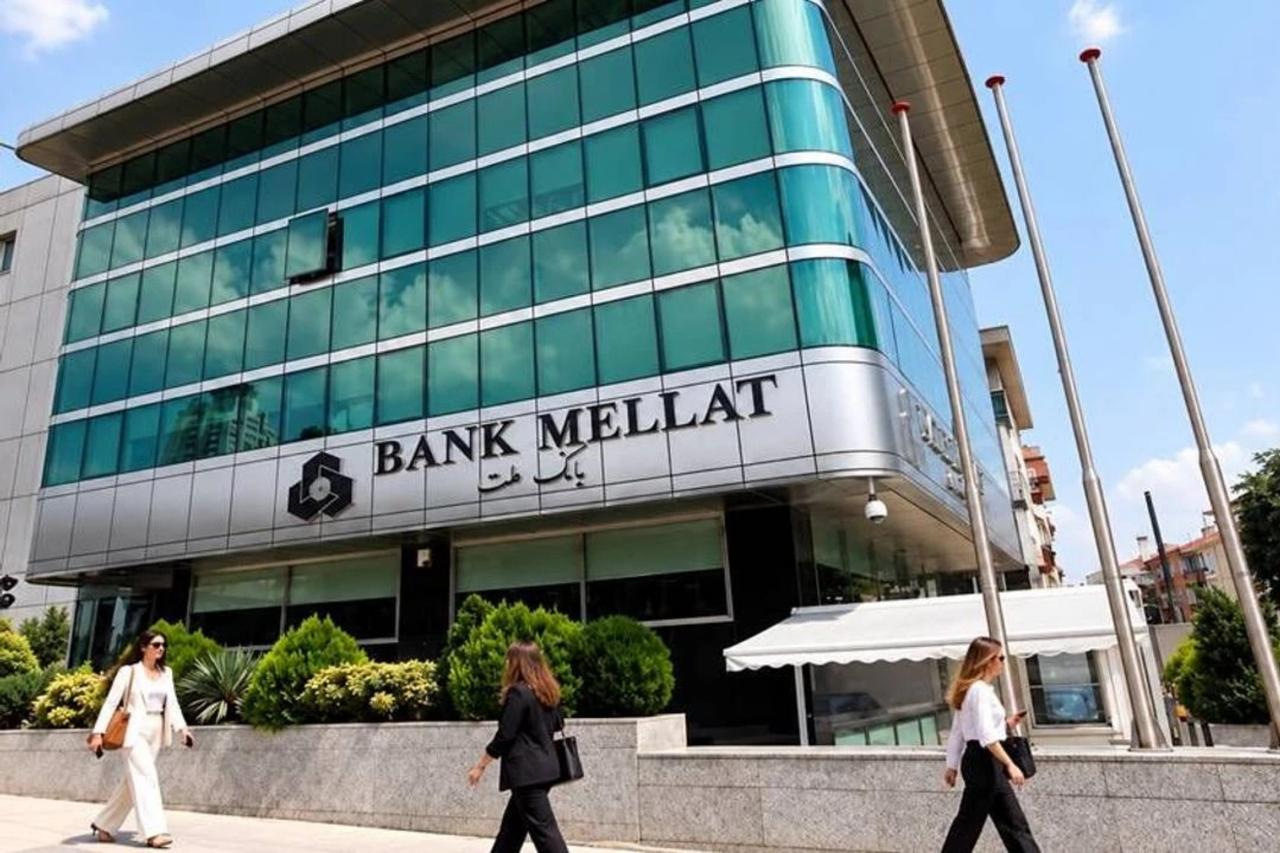
The BRSA also revoked the operating license of Iranian Bank Mellat’s Istanbul branch in September, citing risks to depositors and financial stability.
In September, Simsek said Ankara had taken note of recent U.S. Treasury announcements on sanctions and on business dealings with Iran.
"Treasury has also raised aviation directly with Türkiye and made clear that flights by Iranian carriers should end," the official told Türkiye Today, adding that "Last week, Treasury sanctioned Türkiye-based Fugo Ground Services Inc. for providing ongoing operational and ground-handling services in support of Iran’s aviation sector."
Treasury designated the Istanbul company on Nov. 4, saying the blacklisted Iranian airlines it serves still fly to Türkiye. Fugo has direct service agreements with six sanctioned Iranian carriers, according to Treasury.
CENTCOM commander Adm. Brad Cooper directed the formation of Task Force Iron Gate on Nov. 7.
It is an internal staff of approximately 20 civilian and military personnel based in Tampa, Florida.
"The establishment of Task Force Iron Gate reinforces the success of our ironclad blockade against Iran at sea," Cooper said, adding, "Strengthening CENTCOM’s collaboration with U.S. interagency partners will further constrain Iran’s ability to finance terrorism, rebuild weapons factories and replenish their military."
CENTCOM said the naval blockade of Iranian ports, which a CENTCOM graphic dates to July, has prevented Iran from exporting more than $25 billion in crude oil.


 Set as preferred source
 Set as preferred source


 2 min read
 1 min read