Newsletters


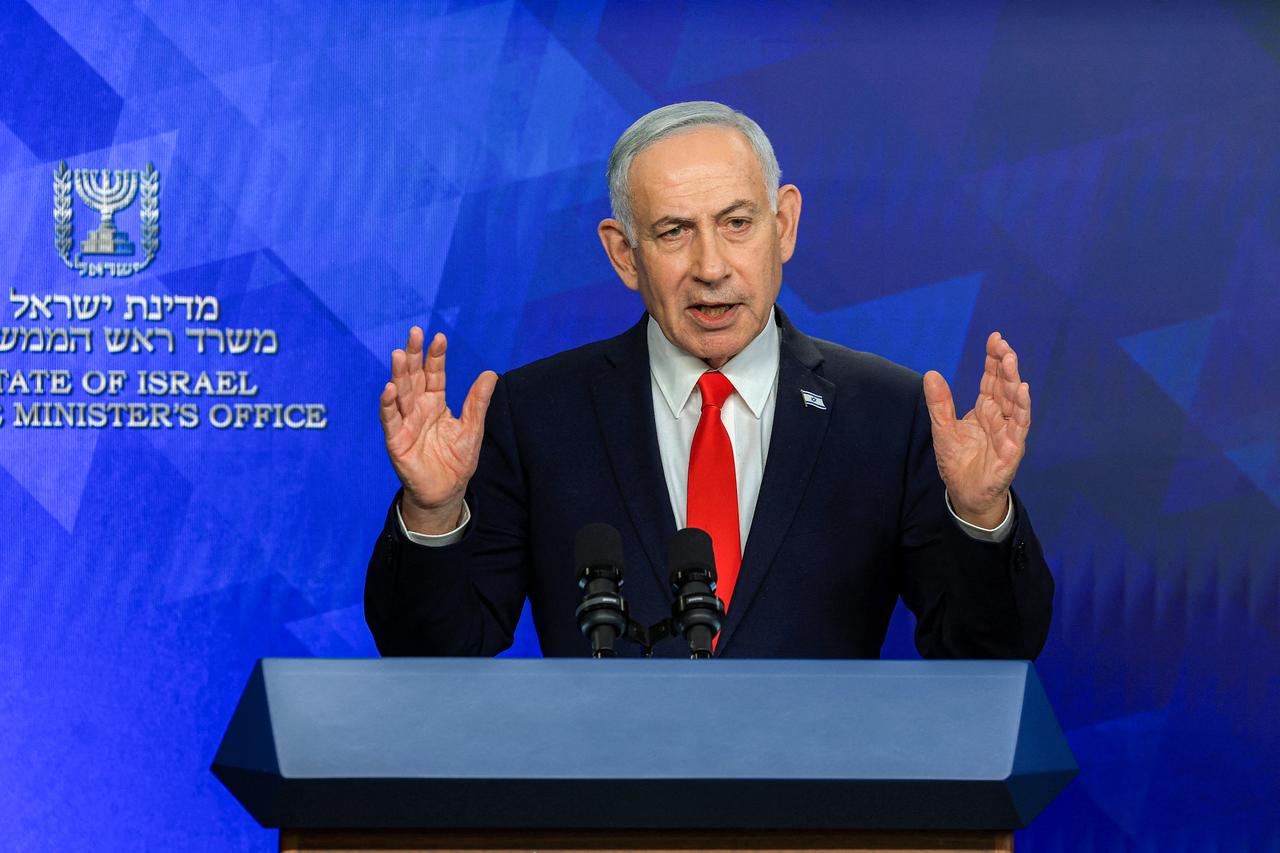


Israeli Prime Minister Benjamin Netanyahu faces growing political pressure ahead of elections expected by October after the interim U.S.-Iran agreement ended the wars in Iran and Lebanon before Israel achieved its stated objectives, Reuters reported.
Netanyahu, 76, confirmed this week that he intends to seek another term despite opinion polls showing his right-wing coalition on course to lose its parliamentary majority.
The Israeli leader had declared in March that his government was “changing the face of the Middle East.” However, U.S. President Donald Trump’s decision to move toward ending the conflicts has left several Israeli goals unmet.
Netanyahu will now face voters’ judgment over his handling of the wars, Israel’s relationship with the U.S. and the security failures surrounding the Hamas-led attack on Israel on Oct. 7, 2023.
He is also facing corruption allegations and domestic political disputes.
Although polls indicate that his coalition could lose, Netanyahu has dominated Israeli politics for much of the period since the 1990s and has repeatedly built governing coalitions after difficult elections.
Netanyahu’s Likud party has portrayed him as a security-focused leader who resisted international pressure for a Palestinian state and called for military action against Iran and its regional allies.
“There will be no Palestinian state to the west of the Jordan River,” Netanyahu said in 2025.
“For years, I have prevented the creation of that terror state, against tremendous pressure,” he added.
His security credentials, however, were damaged by the failures preceding the Oct. 7 attack, for which he has not accepted responsibility.
Israel’s subsequent wars produced significant military achievements but no lasting victories.
Tens of thousands of people have been killed in Israeli attacks in Gaza and Lebanon, while Israel’s military death toll has reached its highest level in decades.
Domestic critics have accused Netanyahu of shifting security attention away from the Gaza border and underestimating the threat posed by Hamas.
Although most Israelis initially supported the war in Gaza, many later criticized Netanyahu’s management of the conflict.
Some senior former military officials and families of Israeli hostages said his government lacked a clear strategic plan.
The killings of Hezbollah leader Hassan Nasrallah and Iranian Supreme Leader Ayatollah Ali Khamenei were celebrated in Israel.
However, Hamas continues to control much of Gaza, Iran remains under clerical rule and Hezbollah has survived in Lebanon.
“Netanyahu lost the war. Netanyahu did not deliver—at the moment of truth, he collapsed,” opposition leader Yair Lapid said after Trump imposed a new Israel-Hezbollah truce as part of the agreement with Iran.
Netanyahu has rejected such criticism, describing it as an attempt to minimize Israel’s military achievements.
“If we had not acted in time and with overwhelming force, we would not be here today,” Netanyahu said, citing what he described as Iran’s potential nuclear threat.
 2 min read
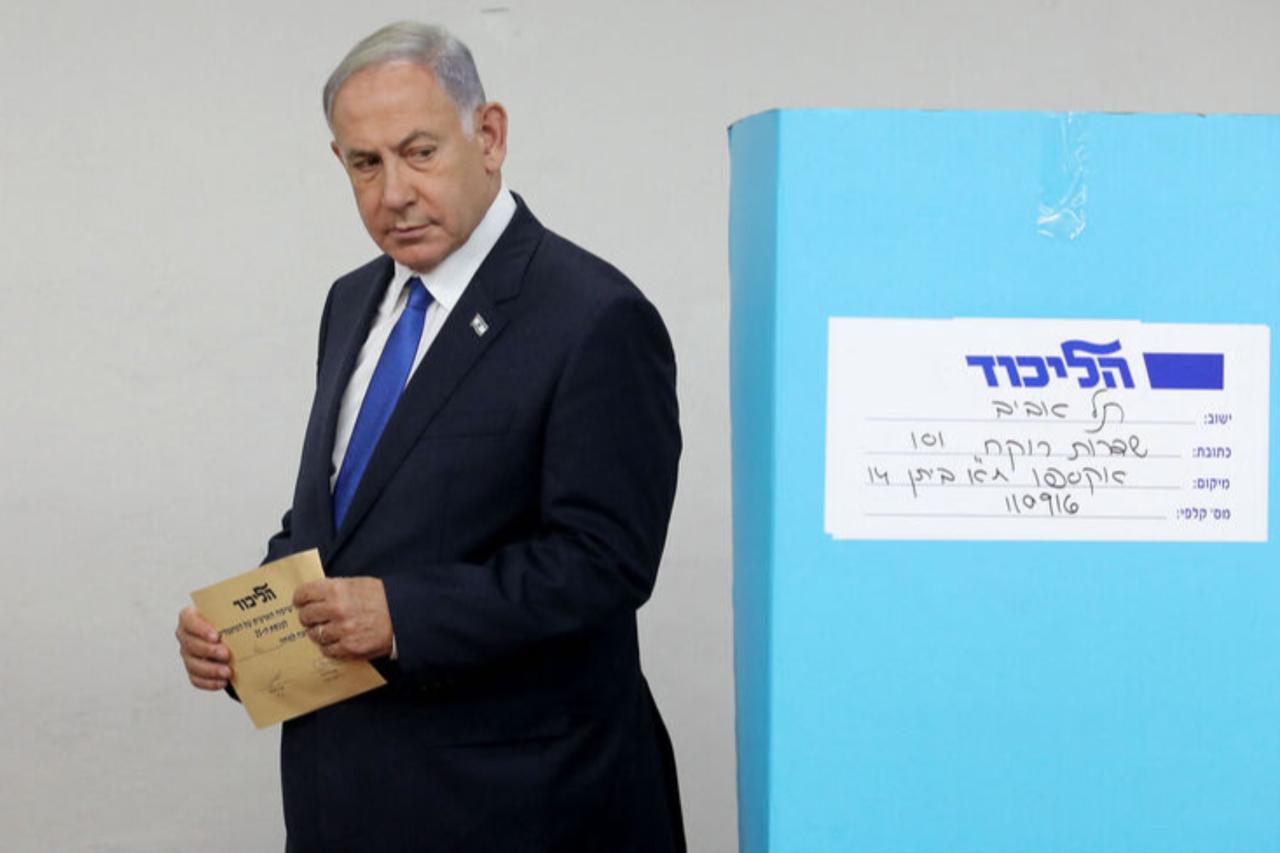
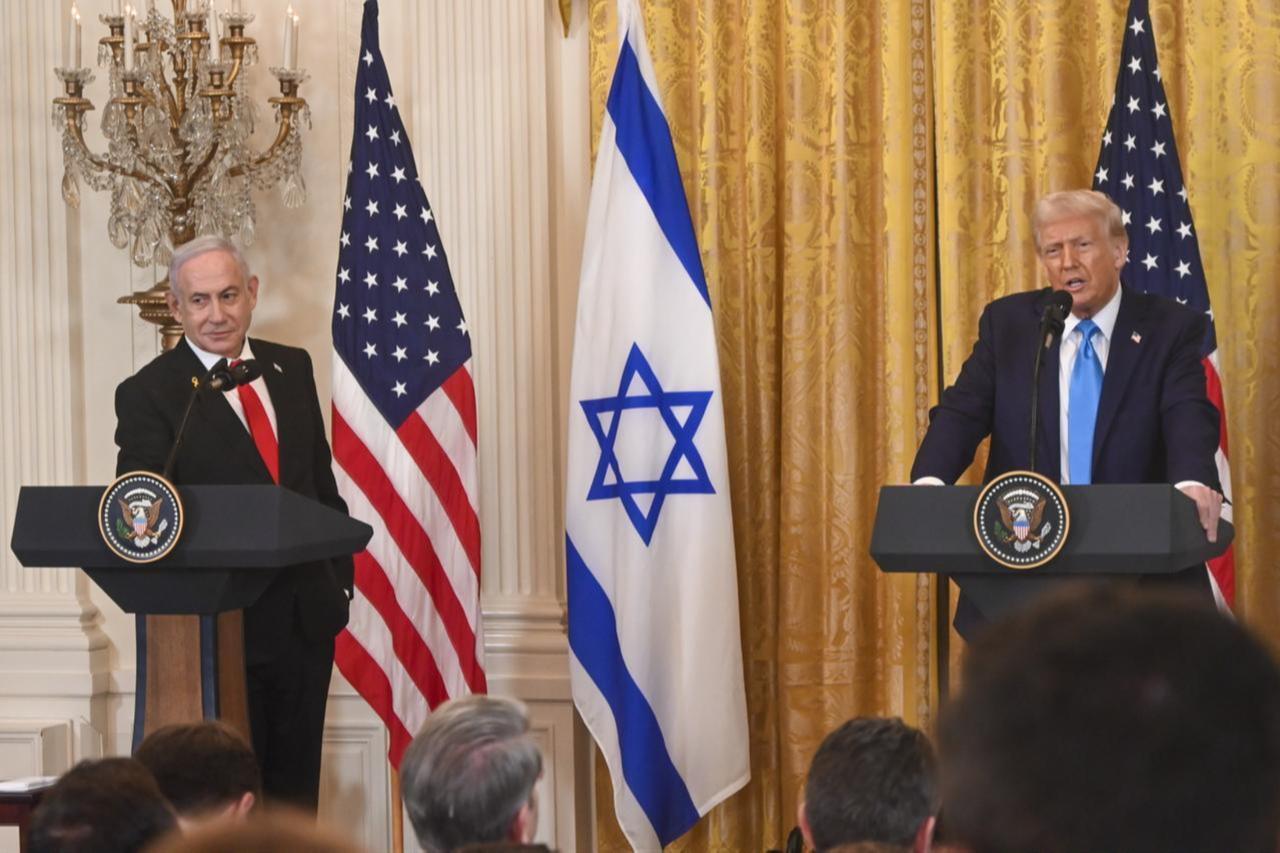
Netanyahu has long presented himself as the Israeli leader best able to manage the country’s relationship with the U.S., its most important ally.
He has also repeatedly clashed with American presidents and other Western leaders.
A biographer quoted former U.S. President Joe Biden as privately using insulting language to describe Netanyahu.
Trump, the U.S. president with whom Netanyahu has had the closest relationship, also called him “f****** crazy” during a phone conversation in June.
Netanyahu’s close ties with the Republican Party and his attacks on Democrats have weakened decades of bipartisan political support for Israel in the U.S.
Public backing for Israel has also fallen among voters from both major American parties.
Within Israel, rival politicians have accused Netanyahu of yielding to U.S. pressure, while many Israelis believe Western criticism of the Gaza campaign following the Hamas attack was unfair.
The interim agreement with Iran has further complicated Netanyahu’s claim that his relationship with Trump protects Israel’s interests.
Trump chose to end the wars in Iran and Lebanon before Israel had toppled Iran’s leadership, eliminated Hezbollah or fully achieved its other stated military goals.
The destruction in Gaza prompted international allegations of genocide, which Israel rejects.
The International Criminal Court issued an arrest warrant for Netanyahu over alleged war crimes, accusations he described as absurd.
Israeli settlement expansion and attacks against Palestinians in the occupied West Bank have also increased international calls to restart efforts toward a political settlement.
Netanyahu has continued to reject the establishment of a Palestinian state.
His government includes nationalist parties that support territorial expansion and oppose Palestinian self-determination.
The election campaign is expected to focus heavily on the Oct. 7 security failures, the outcome of the wars, the hostages still held in Gaza and the government’s relations with Washington.
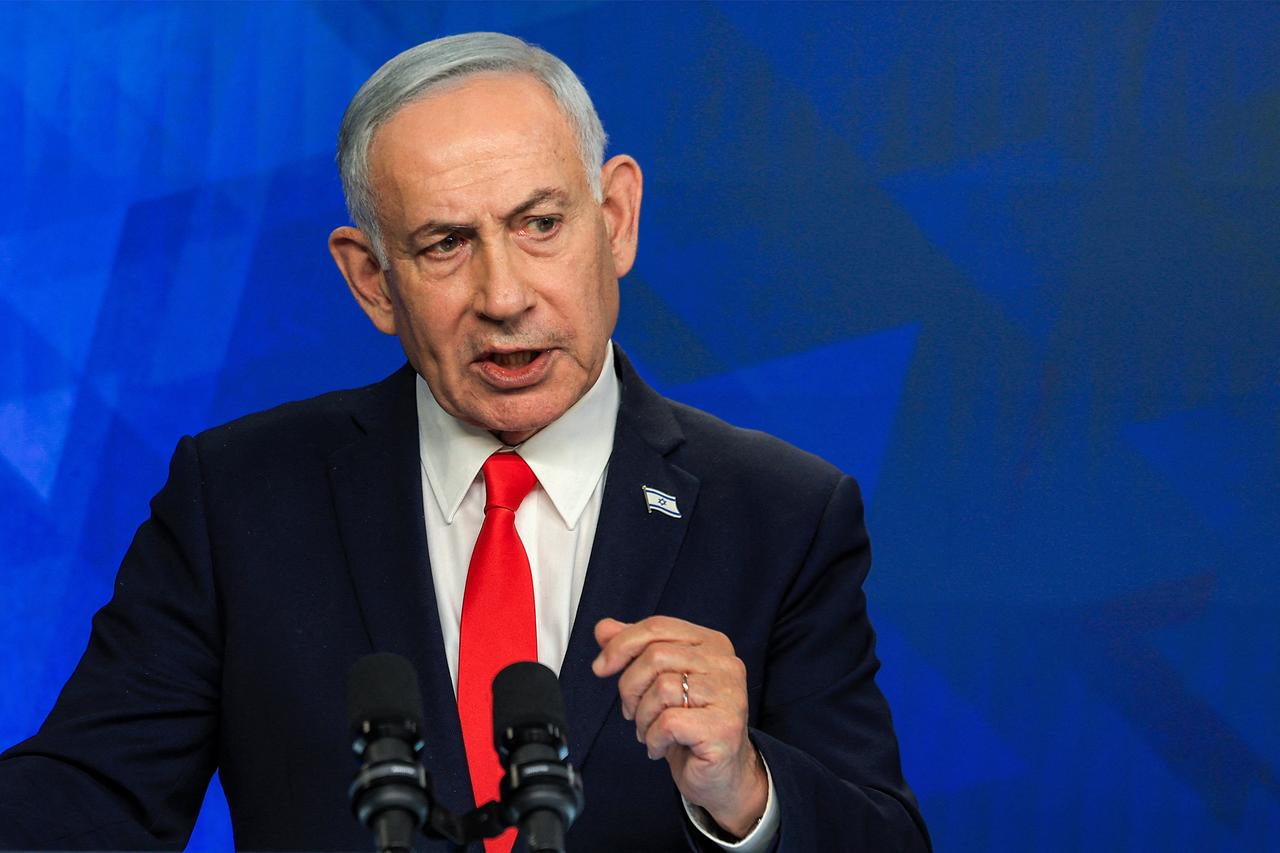

Netanyahu was born into the family of a prominent historian and attended school in the U.S.
He later joined the same elite military commando unit as his elder brother, Yoni Netanyahu, who was killed while leading the 1976 rescue of passengers from a hijacked aircraft in Entebbe, Uganda.
Netanyahu has said his brother’s death changed his life.
He became Israel’s youngest prime minister in 1996 and built a political coalition bringing together settlers, security conservatives, ultra-Orthodox parties and pro-business voters.
Over several decades, he defeated numerous political rivals, formed successive governing coalitions and abandoned former allies when political circumstances changed.
Netanyahu won an unprecedented sixth term in 2022 while facing a corruption trial.
His coalition included nationalist parties with openly expansionist policies.
Government efforts to limit the powers of the Supreme Court led to the largest protests in Israel’s history in 2023.
Netanyahu had hoped the Abraham Accords would form a central part of his political legacy.
The agreements reached in 2020 normalized or expanded Israel’s diplomatic relations with four Arab countries.
Netanyahu sought to establish relations with the wider Arab world without accepting Palestinian self-determination.
The Oct. 7 attack and the war in Gaza disrupted that strategy.
Israel’s standing in Western countries has also been significantly damaged by the conflict.
Netanyahu remains the most consequential Israeli political leader of recent decades and a deeply divisive figure.
His supporters continue to view him as a defender of Israeli security, while his critics blame him for the Oct. 7 failures, the absence of decisive wartime outcomes and Israel’s growing international isolation.
His political legacy and continued hold on power will now be tested in an election that must take place by October.


 Set as preferred source
 Set as preferred source


 1 min read