Newsletters


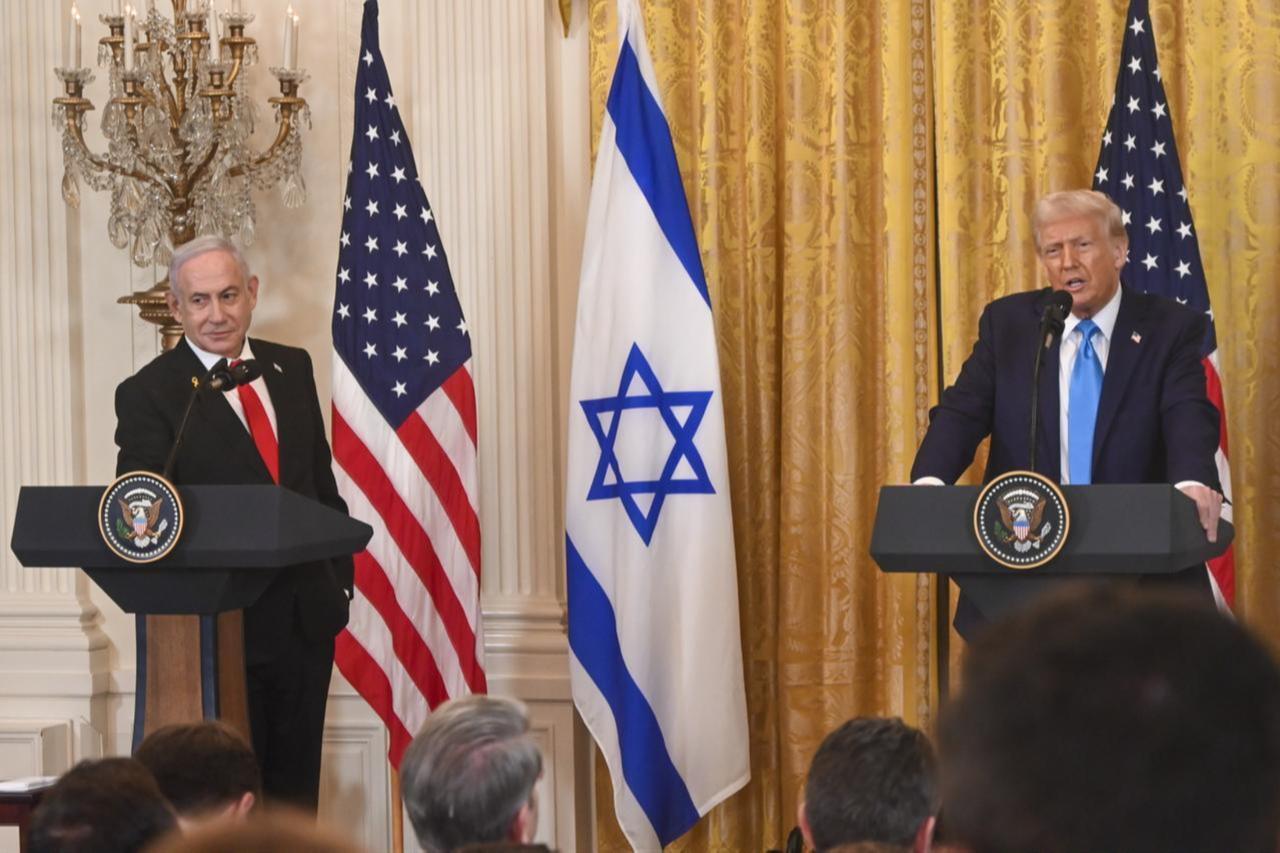


Israeli Prime Minister Benjamin Netanyahu and U.S. President Donald Trump are moving toward a confrontation after Washington and Tehran reached a preliminary agreement to halt their war, Reuters reported.
Netanyahu had entered the joint U.S.-Israeli campaign expecting it to weaken or topple Iran’s leadership and strengthen his political position before Israeli elections.
Instead, Trump is seeking to end the conflict while Israel remains engaged in military operations in Lebanon and continues to raise concerns about Iran’s nuclear and missile capabilities.
Israeli officials have avoided publicly confronting Washington, but one senior official described the preliminary agreement as “terrible for Israel.”
“There is no one in the Israeli leadership who views it otherwise, from the prime minister to the chief of staff,” the official told Reuters on condition of anonymity.
The U.S. says the 60-day ceasefire period will be used to negotiate a broader agreement addressing concerns about Iran’s nuclear program.
Israeli officials, however, fear that the negotiation period could be extended while Israel remains constrained from taking military action and its main concerns remain unresolved.
Trump and Netanyahu have repeatedly clashed over Israel’s military campaign against Hezbollah in Lebanon.
Ending the fighting in Lebanon is a central Iranian demand under the preliminary agreement.
At the beginning of the month, Trump angrily told Netanyahu not to strike Beirut while Washington was negotiating with Tehran, according to the report.
Netanyahu canceled planned attacks that day but ordered strikes on Beirut’s southern suburbs about a week later.
The attack prompted Iranian missile strikes against Israel and a public rebuke from Trump directed at both sides.
Hours before the U.S. and Iran announced the interim agreement, Israel again struck Beirut on Sunday after rockets were launched from Lebanon toward Israel.
Trump described the rocket fire as “small and meaningless.”
Dan Shapiro, a former U.S. ambassador to Israel and a member of the Atlantic Council, said the developments represented a clear divergence between Israeli and American interests.
“This is a pretty stark moment of divergence of interests,” Shapiro said.
He said Netanyahu would probably avoid openly opposing the agreement to prevent a direct confrontation with Trump.
“But he will indicate Israel is not bound by it, and Israel reserves its rights,” Shapiro said.

The memorandum of understanding between the U.S. and Iran is expected to be signed Friday in Switzerland.
The exact terms were not immediately known, but mediator Pakistan said the agreement called for a permanent halt to military operations on all fronts, including Lebanon.
Israeli Defense Minister Israel Katz said Monday that Israeli forces would remain indefinitely in buffer zones seized in Lebanon, Syria and Gaza.
He said the deployments would continue as part of efforts to eliminate perceived security threats.
“If Iran attacks Israel due to the events in Lebanon, we will attack it with all our might,” Katz said.
The interim agreement would reopen the Strait of Hormuz while postponing decisions on Iran’s nuclear program until negotiations toward a final deal.
Israeli officials said two other issues cited by Israel and the U.S. at the beginning of the war—Iran’s missile program and its support for regional armed groups—were not expected to be addressed during the initial talks.
Three Israeli officials said they believed the 60-day agreement would probably be extended to 90 days.
They said the U.S. was expected to maintain its military assets in the region while negotiating a broader agreement.
Two Israeli officials said Israel was surprised when Trump announced last week that an agreement with Iran was close.
They acknowledged that Israel had achieved little success in influencing the negotiations.
The officials spoke on condition of anonymity because they were not authorized to discuss the matter publicly.
The U.S.-Iran agreement has left Israeli officials concerned that Tehran’s nuclear and ballistic missile programs may not be sufficiently restricted.
Israeli Energy Minister Eli Cohen said Israel would be prepared to act alone if Iran rebuilt those capabilities.
“If Iran tries to renew its nuclear and ballistic missile programs, we will be there and act,” Cohen told Israel’s public broadcaster Kan.
Cohen said he believed the likelihood of Tehran taking such a step during Trump’s presidency was low.
The preliminary agreement would give Washington and Tehran 60 days to negotiate the terms of a final settlement.
The future of Iran’s nuclear program is expected to be addressed during those negotiations, while Israel continues to insist that it reserves the right to act independently.
Netanyahu faces elections in the fall and is projected to lose, according to the report.
The agreement could weaken his long-standing claim that his close relationship with Trump gives him a unique ability to protect Israel’s interests in Washington.
Netanyahu frequently clashed with the administrations of former Democratic presidents Barack Obama and Joe Biden but portrayed his relationship with Trump as a major political advantage.
During Trump’s first term, Washington moved the U.S. Embassy to Jerusalem, supported the Abraham Accords establishing Israeli diplomatic relations with the United Arab Emirates and Bahrain, and withdrew from the Iran nuclear agreement negotiated under Obama.
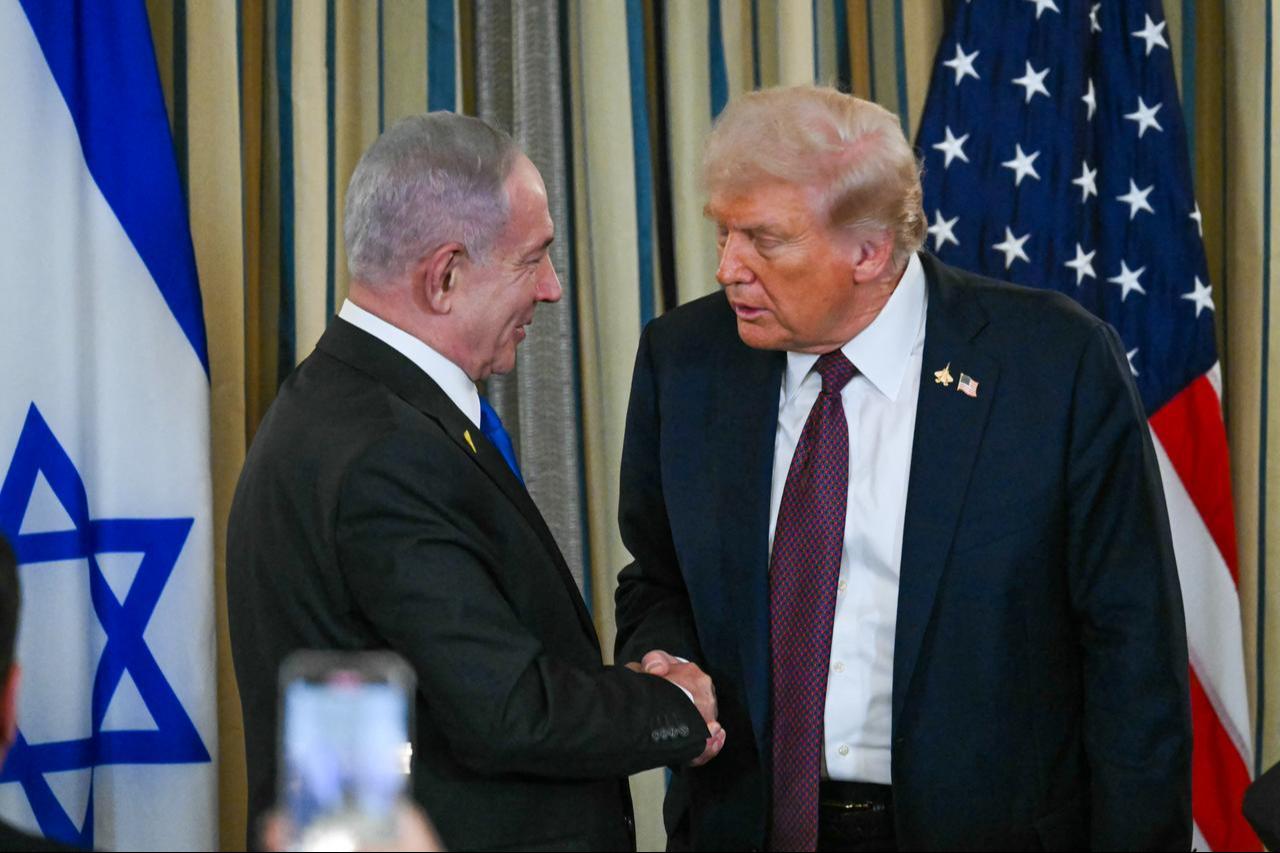
During Israel’s 2019 election campaign, Netanyahu displayed large billboards showing himself smiling and shaking hands with Trump.
Jonathan Rynhold, a political scientist at Bar-Ilan University, said the new U.S.-Iran agreement undermined Netanyahu’s political argument.
“Netanyahu will be unable to sell this agreement to the Israeli public,” Rynhold said.
“The best that he can hope for is that they fail to reach an agreement and the war restarts to Israel’s advantage in 60 days.”
A poll released Friday by the Israel Democracy Institute found that 41% of Jewish Israelis believed their security was a central consideration for Trump, down from 64% in March.
Netanyahu may become more willing to challenge Trump as public skepticism grows over Washington’s commitment to Israeli security, according to the report.


 Set as preferred source
 Set as preferred source


 1 min read
 1 min read