Newsletters


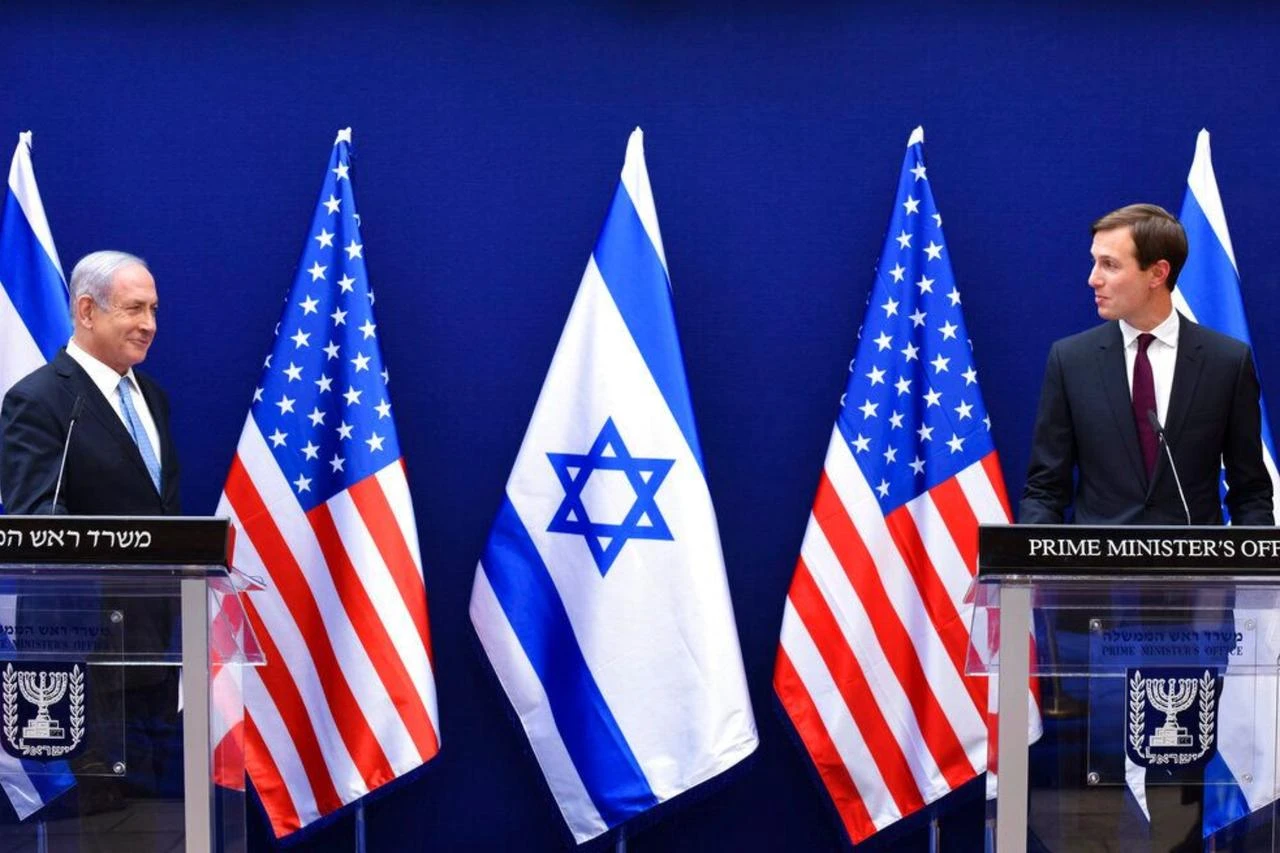


Israeli Prime Minister Benjamin Netanyahu and U.S. envoy Jared Kushner discussed placing an American general in charge of verifying Hamas’ disarmament on Monday, an Israeli official said, as Netanyahu insisted there would be no Israeli pullout from Gaza before the group is disarmed.
Kushner, U.S. President Donald Trump’s son-in-law and adviser, traveled to the region after Netanyahu publicly rejected the latest part of a U.S.-backed plan aimed at ending the Gaza war.
Kushner met Netanyahu in Jerusalem a day after holding rare direct talks in Egypt with Hamas, which has publicly committed to the plan and to disarmament, drawing praise from Trump but skepticism in Israel.
The two sides “agreed that no redeployment or reconstruction would take place in the Gaza Strip before Hamas is disarmed throughout Gaza,” a senior Israeli official told Agence France-Presse (AFP).
“It was also agreed that the first step toward the demilitarization of the Strip would be to require Hamas to hand over its weapons for decommissioning under the supervision of an American general,” the official said.
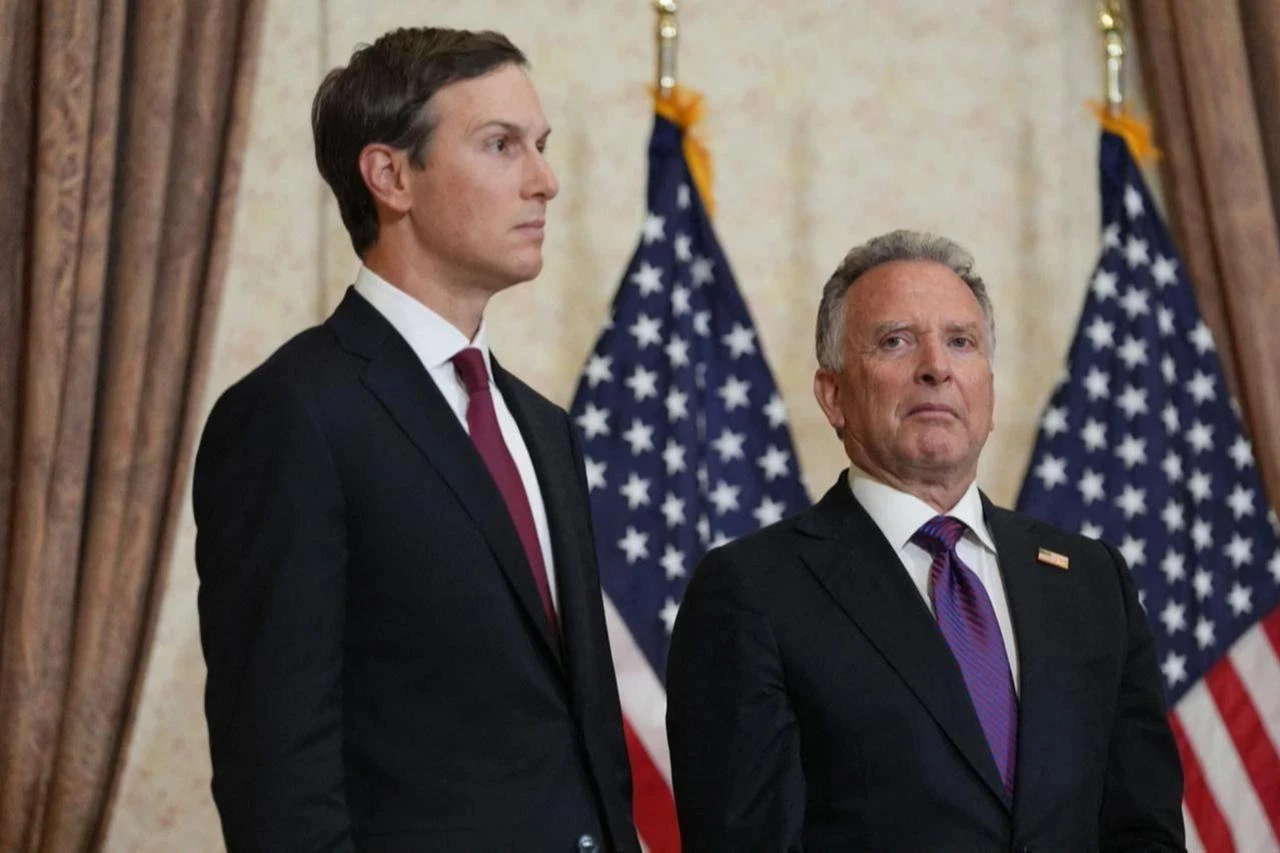
Kushner was joined in the talks by other members of Trump’s Board of Peace on Gaza, including former British Prime Minister Tony Blair.
The Palestinian resistance group did not immediately comment on the meeting.
The Israeli Prime Minister’s Office said talks between Netanyahu and Board of Peace officials were “constructive.”
It said the parties agreed to establish two working groups on Gaza.
The first will focus on Gaza’s disarmament, the office said, adding that both Israel and the Board of Peace were determined that the process should be carried out urgently and completed before any reconstruction work begins in Gaza.
The second working group will focus on hygiene, clean water and other public health issues for the people of Gaza, the statement said.
The Trump administration has already given a role to the U.S. military and allied foreign forces in supervising an October cease-fire in Gaza that has reduced, but not ended, Israeli strikes in the Palestinian territory.


Israeli media reported that no agreement was reached on several issues during the meeting, which was aimed at advancing the transition to the second phase of the Gaza agreement.
Israeli public broadcaster KAN said the meeting between Kushner and Netanyahu lasted four hours.
The Jerusalem Post, citing an unnamed source, reported that Kushner, Board of Peace High Representative Nikolay Mladenov and Blair attended on behalf of the board.
Shin Bet Director David Zini and Israeli military intelligence chief Shlomi Binder also attended on the Israeli side, according to the report.
The Jerusalem Post said the sides agreed that Hamas would hand over its weapons to the International Stabilization Force headed by U.S. commander Jasper Jeffers, instead of the National Committee for Gaza Administration (NCAG), which is expected to consist of Palestinian technocrats.
However, the report said no agreement was reached on many other issues.
Officials familiar with the details said the Israeli side demanded that reconstruction work in Gaza not begin until Hamas is disarmed.
Netanyahu also refused to stop attacks in Gaza and insisted on continuing strikes against individuals Israel targets, according to the report.
No decision was made on the withdrawal of the Israeli army from Gaza, and the number of Israeli soldiers in the enclave is not expected to be reduced, the report said.
Israeli officials said the army would continue attacks against “threats” and that Hamas “must immediately begin showing its commitment to the disarmament process.”
They linked the advancement of the process to “the complete elimination of Hamas’ military capacity.”
Kushner’s talks in Israel followed meetings Sunday in Cairo with Egyptian President Abdel Fattah el-Sisi and a Hamas delegation.
Kushner was accompanied by Mladenov and Blair during the Cairo visit, according to Israeli media.
A Hamas official said the group, represented by its new leader Khalil al-Hayya, told Kushner it was committed to the Gaza plan and wanted pressure placed on Netanyahu.
Sources said Kushner had demanded that Hamas verify it is giving up its weapons and renounce any future role in governing Gaza.
The first phase of the cease-fire agreement in Gaza entered into force on Oct. 10, 2025.
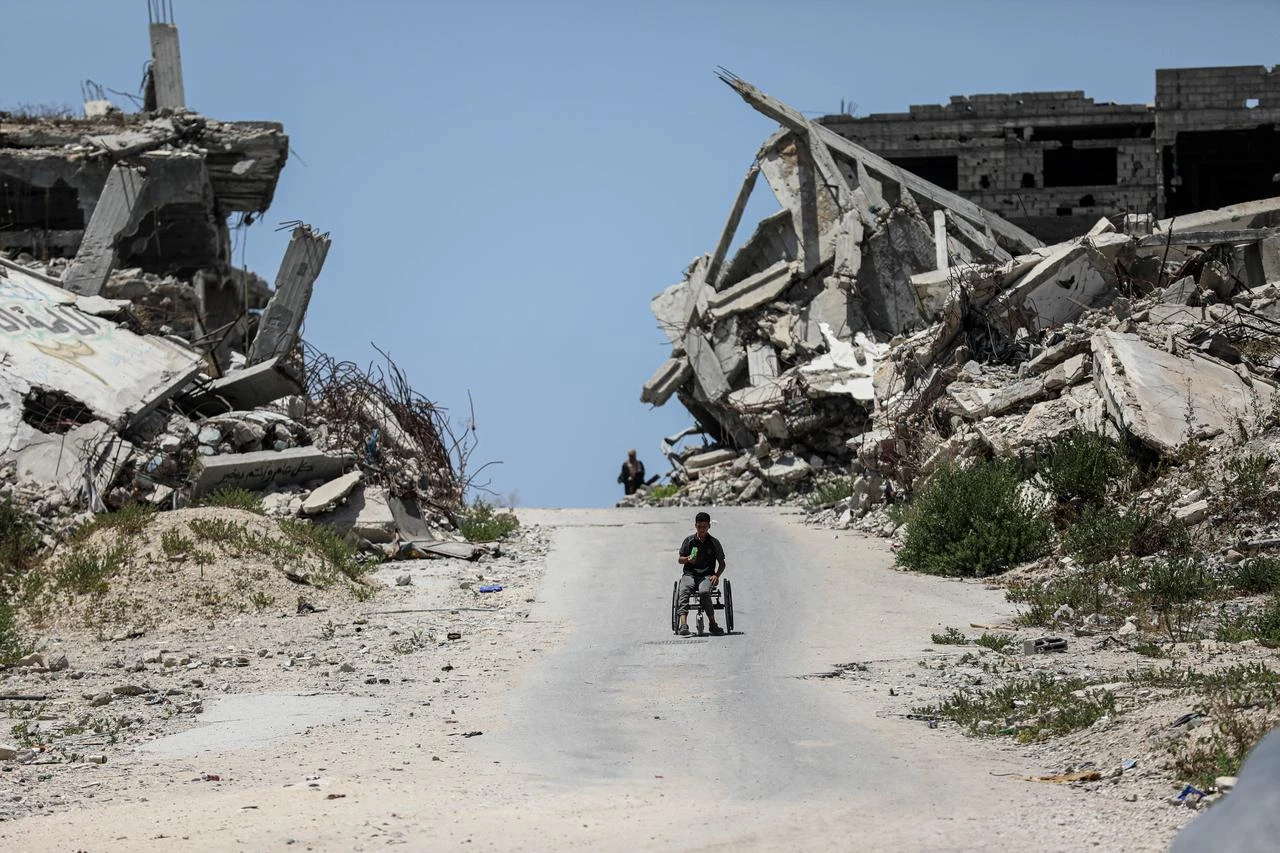
Despite the agreement, which envisaged a cease-fire, a prisoner exchange and an increase in humanitarian aid, Israeli attacks and restrictions on aid entry have continued.
Mladenov previously said Hamas had accepted a detailed road map for implementing the second phase of the cease-fire agreement.
Netanyahu, however, said Israel rejected the Board of Peace’s 15-point plan for the second phase.
The second phase of Trump’s plan envisages transferring Gaza’s administration to a Palestinian technocratic committee, deploying an international stabilization force and placing weapons under the responsibility of the NCAG under international supervision.
It also includes a phased Israeli withdrawal and reconstruction efforts.
Netanyahu, Israel’s longest-serving prime minister, faces elections on Oct. 27 and has increasingly voiced objections to elements of the U.S.-backed Gaza plan.
After initially offering muted criticism, Netanyahu told his Cabinet last week that he rejected the plan.
His position came even after Mladenov assured Israel that it would not need to withdraw until Hamas was fully disarmed, a shift from the board’s earlier calls for Israel to begin a phased withdrawal.
Far-right National Security Minister Itamar Ben-Gvir, a member of Netanyahu’s Cabinet, called in an interview for mass killings in Gaza.
“I think targeted eliminations should be carried out in Gaza every night. Take out 30 or 40,” Ben-Gvir said on a podcast with a former Gaza hostage.
“Not only those who endanger you right now. These are people who shouldn’t be alive,” he said. “I’m paying them a compliment by calling them humans.”
On Sunday, eight Muslim-majority countries, including Saudi Arabia, Egypt and the United Arab Emirates (UAE), condemned Israel’s rejection of the Gaza plan in a joint statement.
Israel has resumed airstrikes in Gaza after a brief lull following Trump’s promotion of the peace plan.
Israeli operations have killed at least 1,265 Palestinians since the cease-fire came into effect Oct. 10, according to Gaza’s Health Ministry. Its figures are considered reliable by the United Nations (U.N.).
The Israeli army has reported five deaths in its ranks during Gaza operations over the same period.
Since October 2023, Israel’s war in Gaza has killed more than 73,000 Palestinians and wounded more than 174,000 others, according to Gaza’s Health Ministry.


 Set as preferred source
 Set as preferred source


 1 min read

 1 min read