Newsletters




Former Israeli deputy national security adviser Eran Etzion said in an exclusive interview with Al-Monitor that Israeli Prime Minister Benjamin Netanyahu is determined to prolong the military campaign against Iran and Hezbollah for as long as possible, potentially even after U.S. President Donald Trump halts American strikes.
He also warned that the war on Iran is "spiraling out of control" with serious global consequences, as Netanyahu himself visited Arad and called on Western leaders to "join the fight."
Meanwhile, the former Israeli Prime Minister Naftali Bennett claimed Israel is "fighting the battle to protect all of the West."
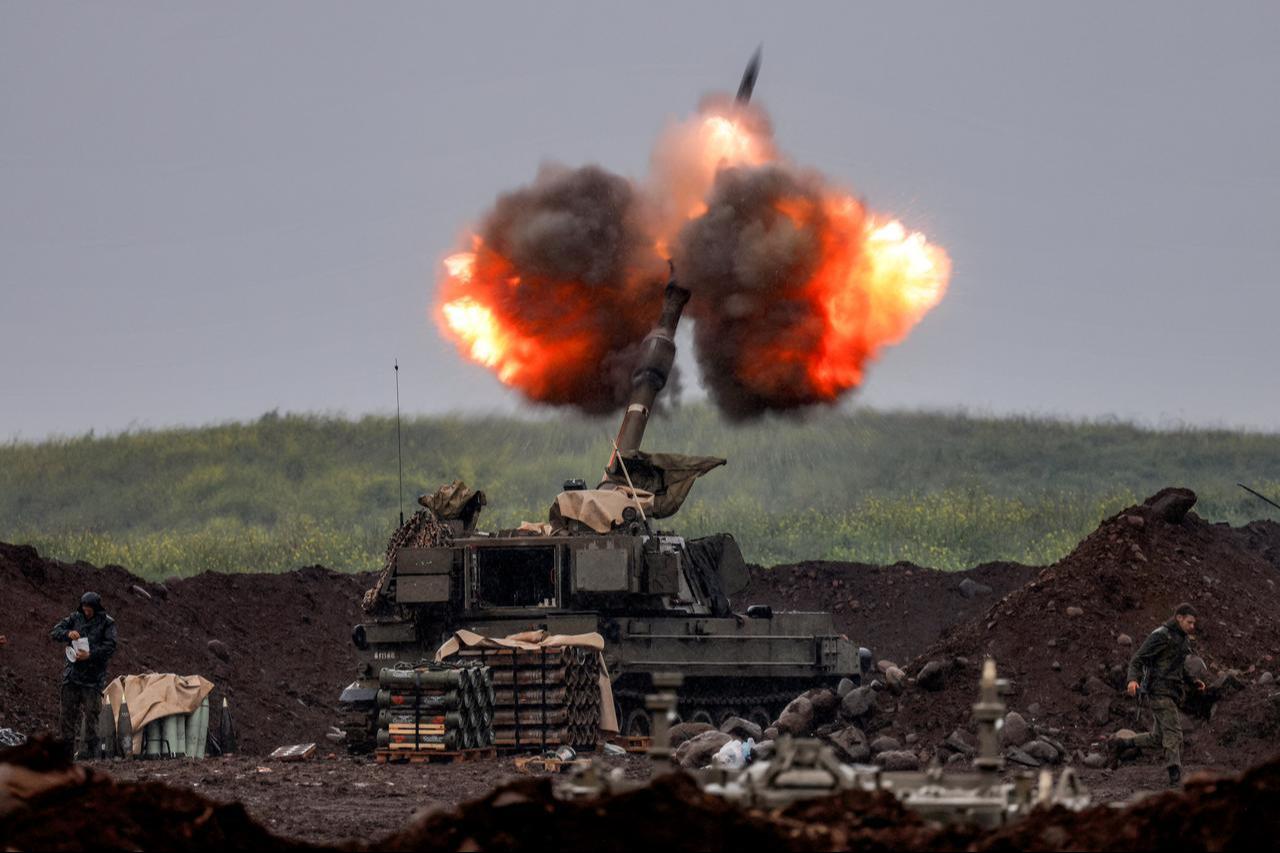

Etzion, who served as deputy national security adviser from 2005 to 2008 under Prime Minister Ehud Olmert and now heads the Iran program at the Israeli think tank Mitvim, stated that Netanyahu launched the war based on an assumption that the Iranian regime would collapse relatively quickly, an assumption that has not materialized.
"Netanyahu launched a war based on an assumption that the regime would be toppled rather quickly, but that did not happen," Etzion stated.
He noted that Netanyahu may continue military operations after the U.S. exits.
"Once Trump decides to stop the Iran operation, Netanyahu might decide to prolong not only the campaign against Hezbollah but also the campaign against the Iranian regime," Etzion said.
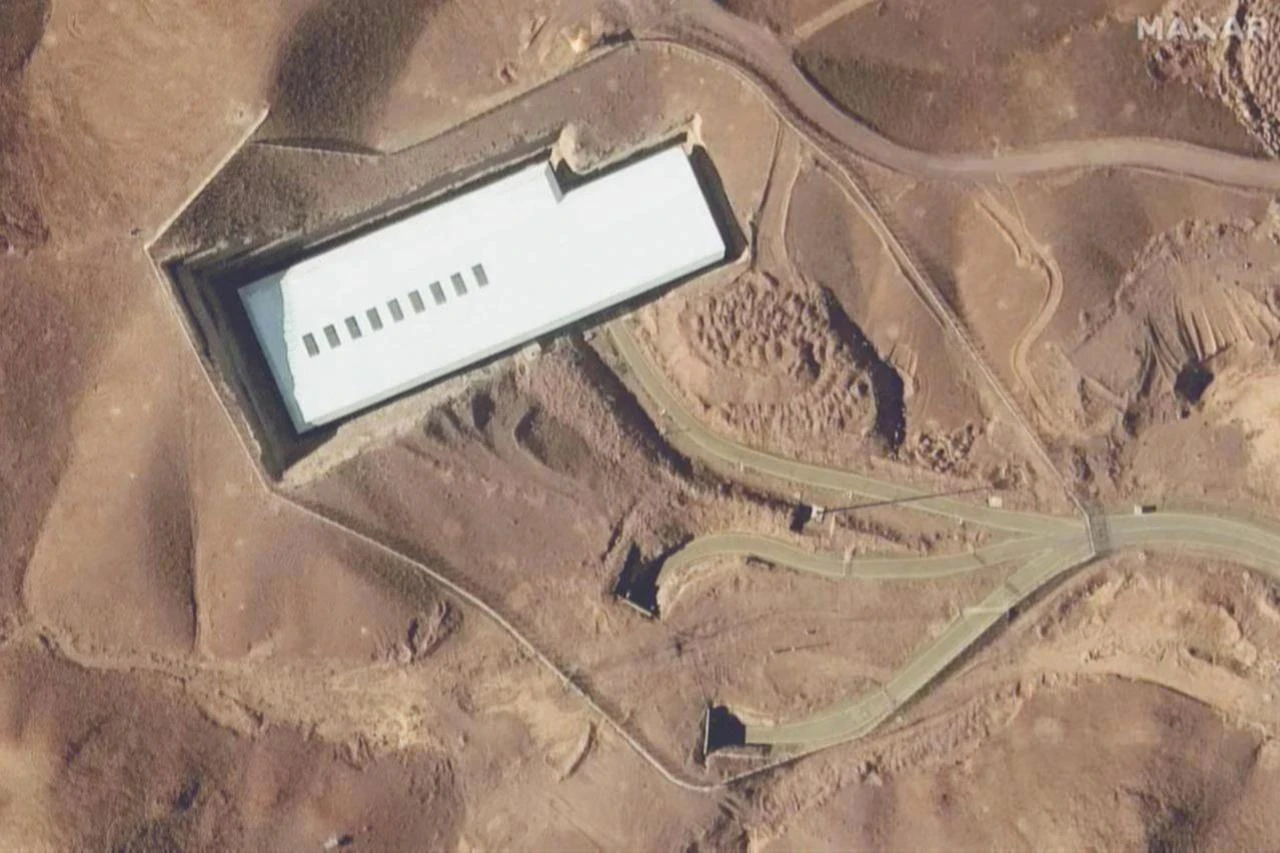
He pointed to Trump's Truth Social post distancing the U.S. from the Israeli attack on South Pars as an early sign of diverging interests.
"The American administration realizes that U.S. interests are not identical to the Israeli ones," he said.
He noted, however, that it was "highly unlikely" Israel struck South Pars without prior American approval, given the unprecedented coordination between the two militaries since the war began.
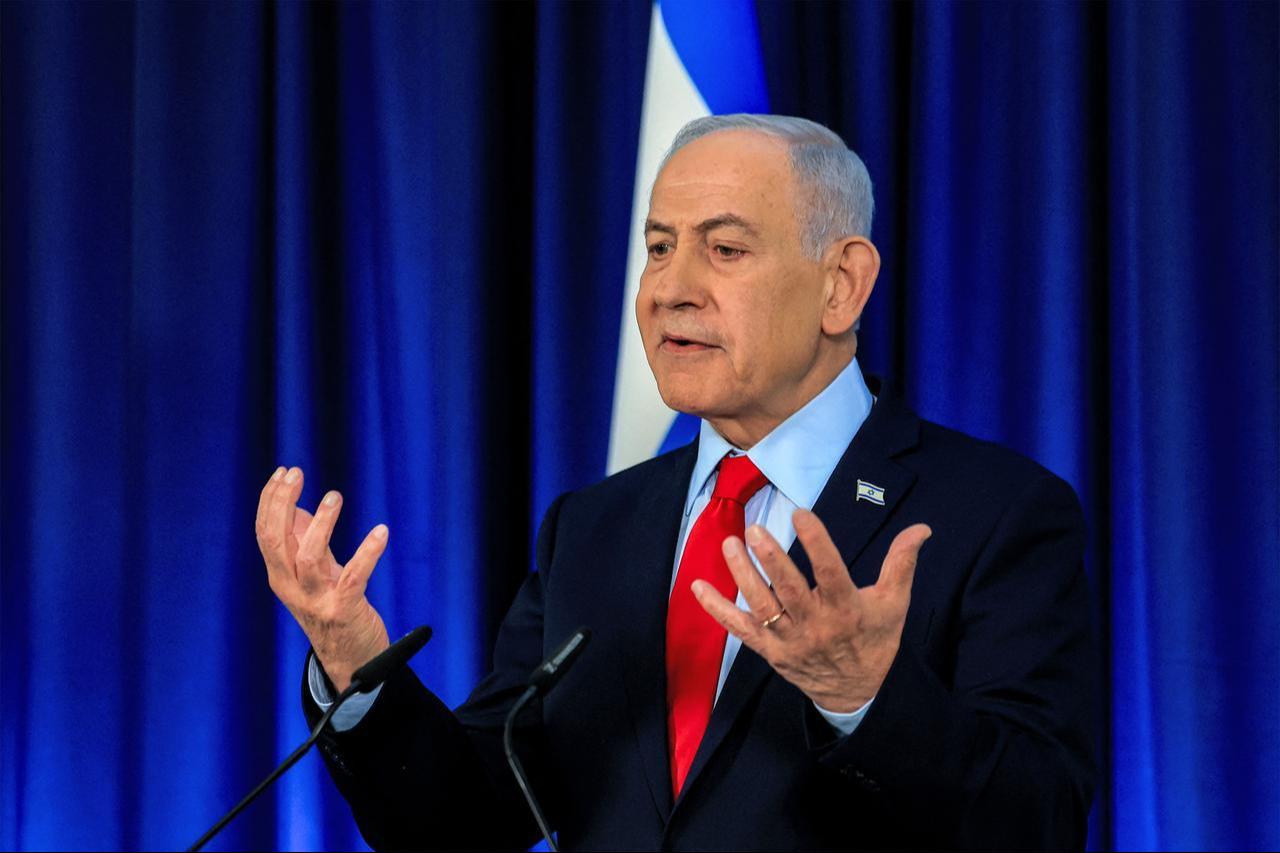
Etzion said Netanyahu and Trump overstated the imminence of Iran's nuclear threat to justify the war.
"Israeli authorities communicated very little about their assessments of the situation in Iran before the Feb. 28 attack," he said.
He also warned that the war could have the opposite of its intended nuclear effect.
"The war is erasing the very reasons that held them back from striving to become a nuclear threshold country.
Worse still, the temptation for the Iranians to turn to North Korea and strike a quick deal to acquire some sort of nuclear facility might be even stronger now than before," Etzion stated.
 1 min read
Etzion outlined several scenarios for how the war could end. He said a collapse of the Iranian regime has "very low probability, though not impossible."
He noted that Trump could declare victory despite the Hormuz blockade remaining in place, cutting U.S. losses and leaving regional players to manage the fallout.
A third scenario is a protracted conflict lasting several more weeks, keeping oil prices high and impacting domestic American politics.
Etzion identified two wildcards: the depletion of missile interceptor stockpiles in Israel and Gulf countries, which could force a strategic recalculation; and the possible introduction of nuclear deterrence by Trump.
"Trump might decide to threaten the Iranians with American nuclear power. His threat could be just verbal, or it could take the form of a nuclear test somewhere in the United States or elsewhere, just to show that he is serious. Once Trump introduces the nuclear threat into the equation, it will force the other nuclear countries, including Russia and China, to take positions," Etzion said.
Etzion described the broader trajectory as alarming.
"The Iran war is spiraling out of control, becoming a regional conflict with very serious global consequences, changing the balance of power in the Gulf region, and even threatening NATO's cohesion," he said.
He added that despite a statement by senior Emirati official Anwar Gargash suggesting the war was bringing the UAE closer to Israel, most Gulf countries view Israel as "an irresponsible and dangerous actor."
On Israeli public opinion, Etzion said 40 years of Netanyahu's narrative on the Iranian threat, combined with the trauma of Hamas's Oct. 7 assault, have made Israelis broadly supportive of the war for now, but he warned: "Even when the war ends, the Iranian nuclear threat is unlikely to fully disappear."
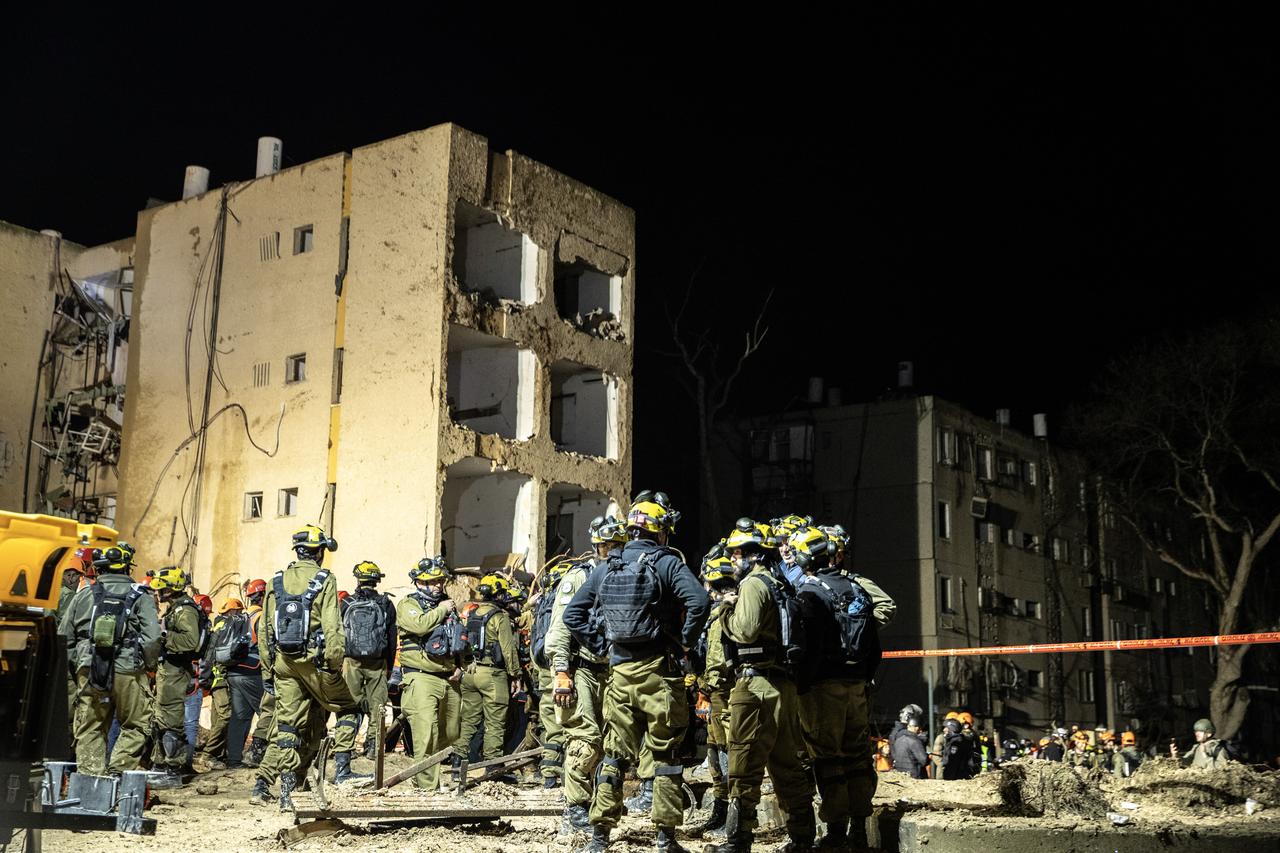
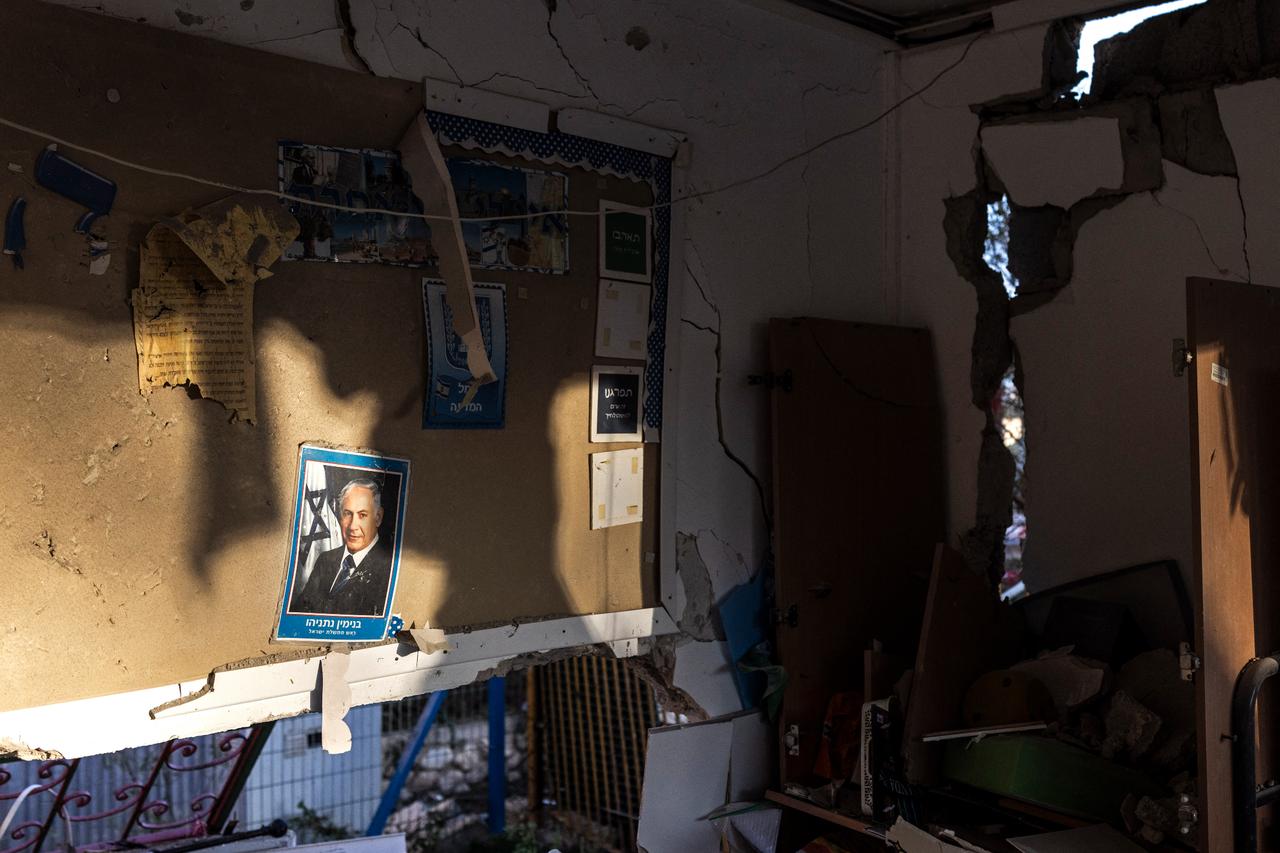
Netanyahu visited Arad, which was struck by an Iranian missile, and told foreign journalists that missile attacks on Israeli cities, strikes near Jerusalem's holy sites, and the attempted attack on a U.K. military base in the Indian Ocean "all prove Iran is a threat to the entire world."
"Israel and the United States are working together for the entire world. It's time to see the leaders of the rest of the countries join us," he said, adding some were "beginning to move in that direction."
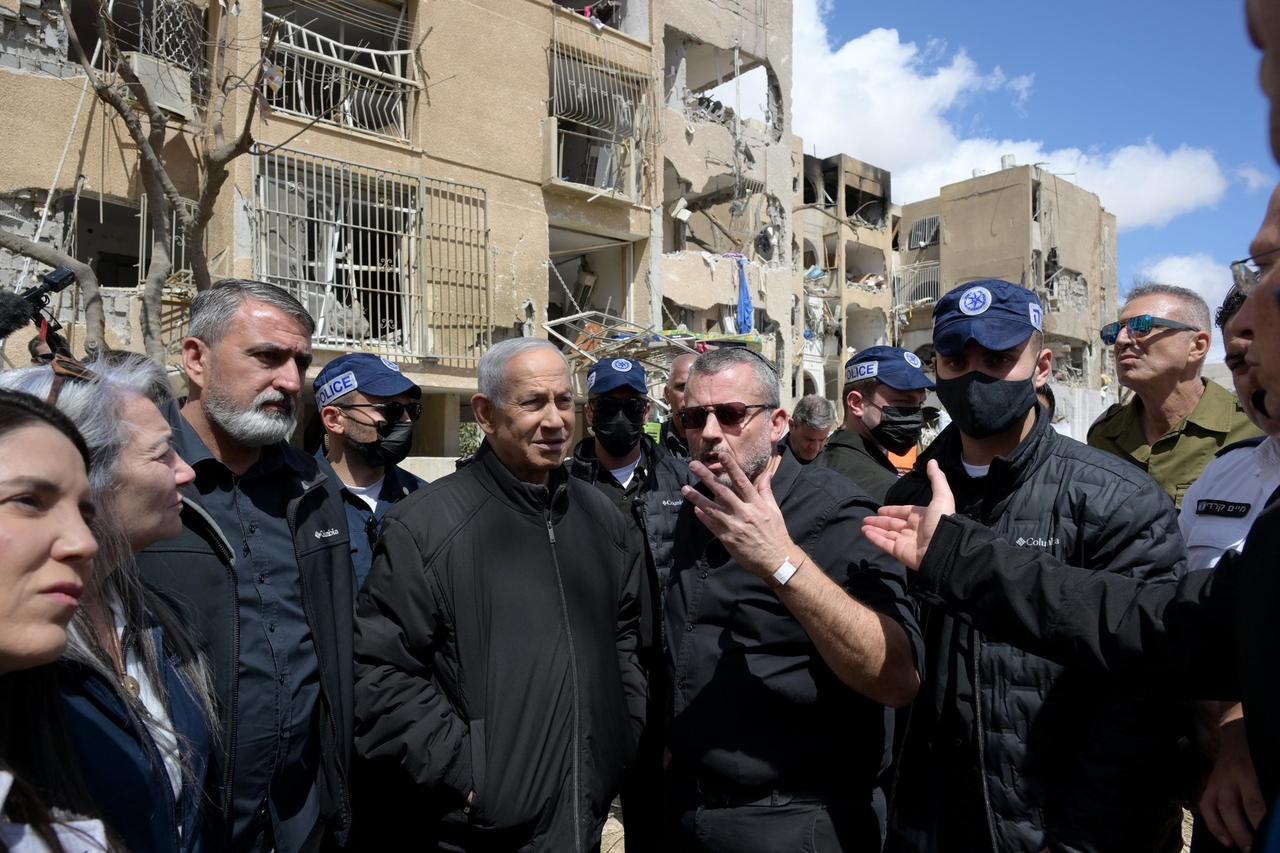
Former Prime Minister Naftali Bennett, speaking from Dimona, which was also struck by Iranian missiles, told Sky News presenter Matt Barbet that Israel is effectively defending the West.
"The real big news is, as of yesterday, Europe now understands Iran can hit Europe. We, in essence, are fighting the battle to protect all of the West, especially Europe, from the Iranian menace," Bennett claimed.
Bennett alleged that Iran had been "lying for decades" about its missile capability.
He added that if he were prime minister, he would "follow through" with the war until Iran's nuclear and ballistic missile threat was destroyed.
"When we know Iran can no longer pursue nuclear weapons, that's when we know we've reached our goals," he said.


 Set as preferred source
 Set as preferred source


 1 min read