Newsletters





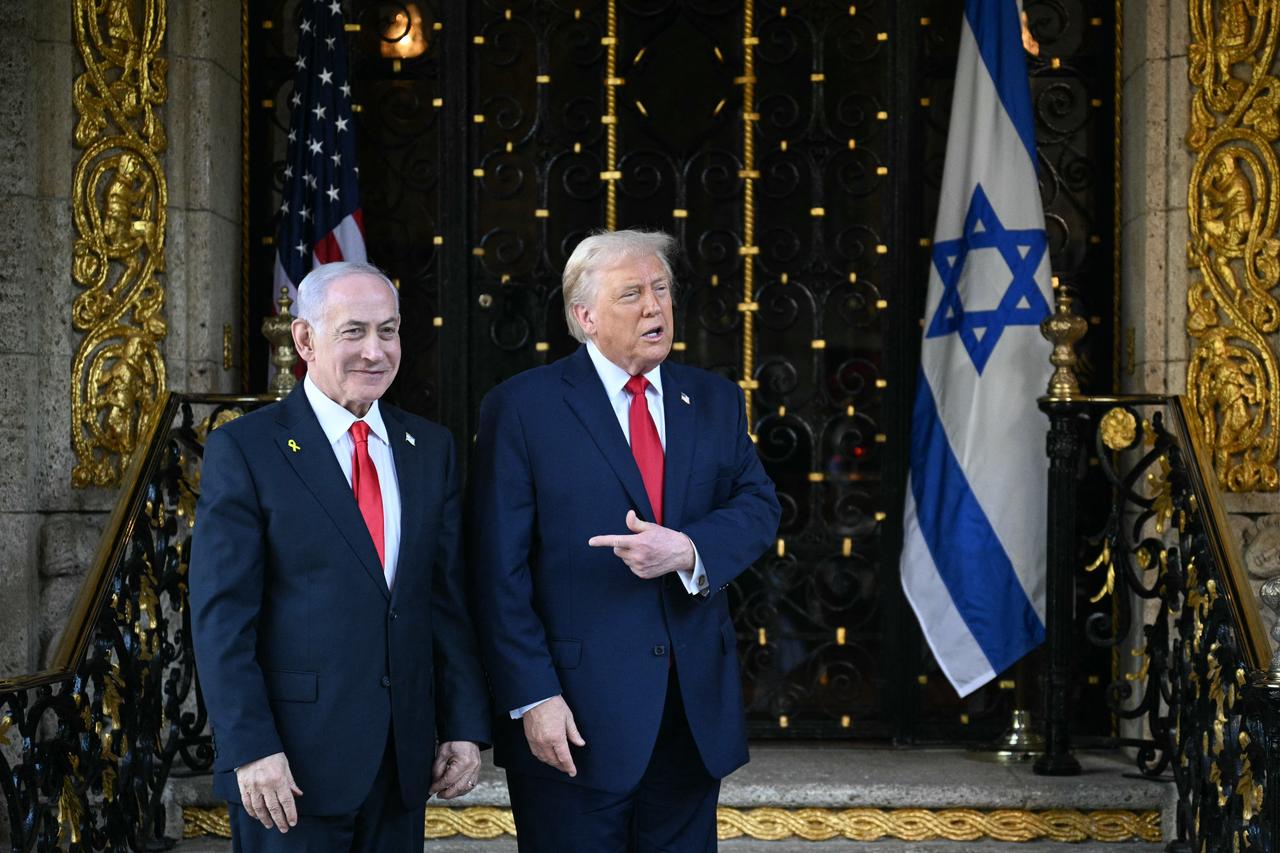
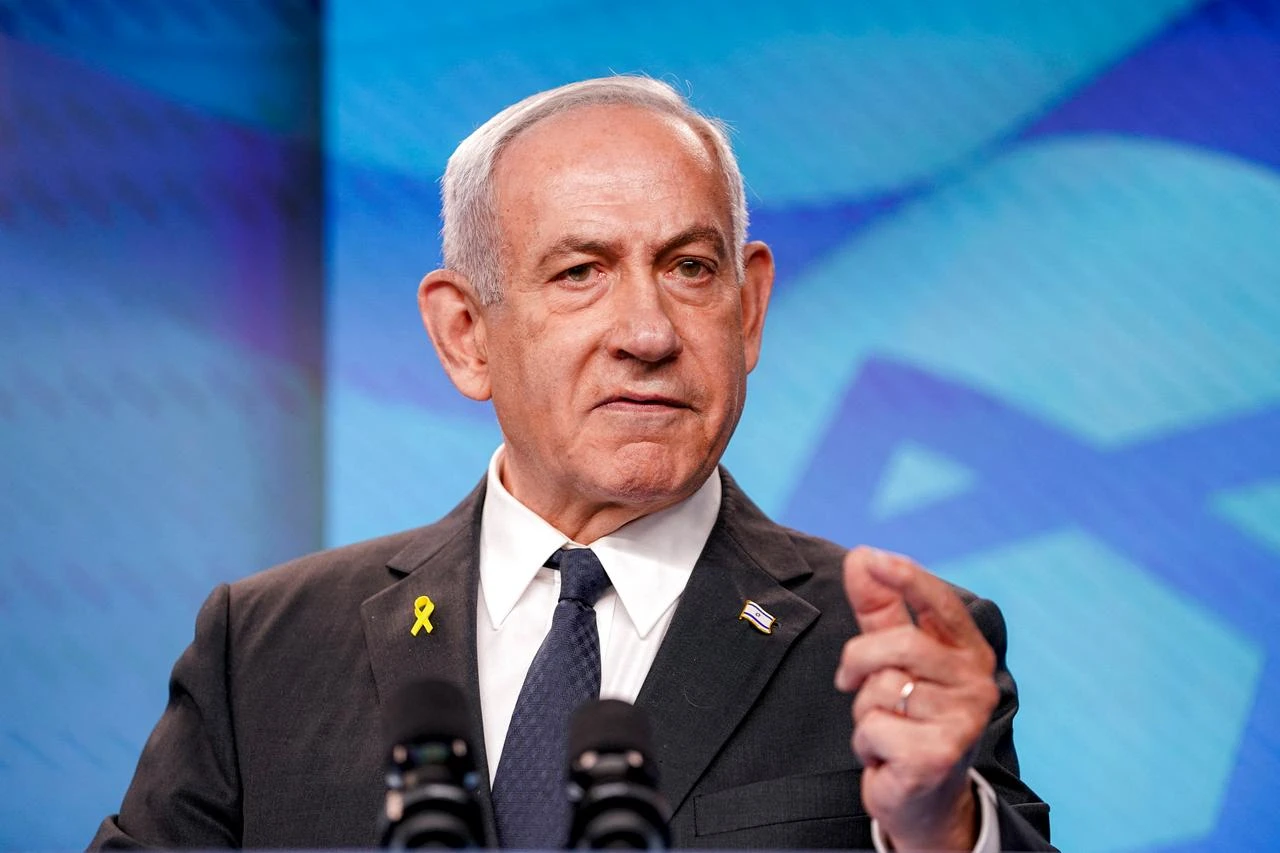
Senior Israeli military officials believe Prime Minister Benjamin Netanyahu may seek to reignite one of Israel’s active fronts, likely Gaza, to disrupt or postpone elections, Israeli media outlet Maariv reported.
According to Maariv military commentator Alon Ben David, senior officers said they would not support entering a new and unnecessary war. He wrote that such a confrontation would be a major test for Israeli military chief Eyal Zamir.
The warning comes as the Israeli military faces mounting human, operational and financial strain after nearly three years of war while maintaining forces in Gaza, Lebanon, Syria and the West Bank.
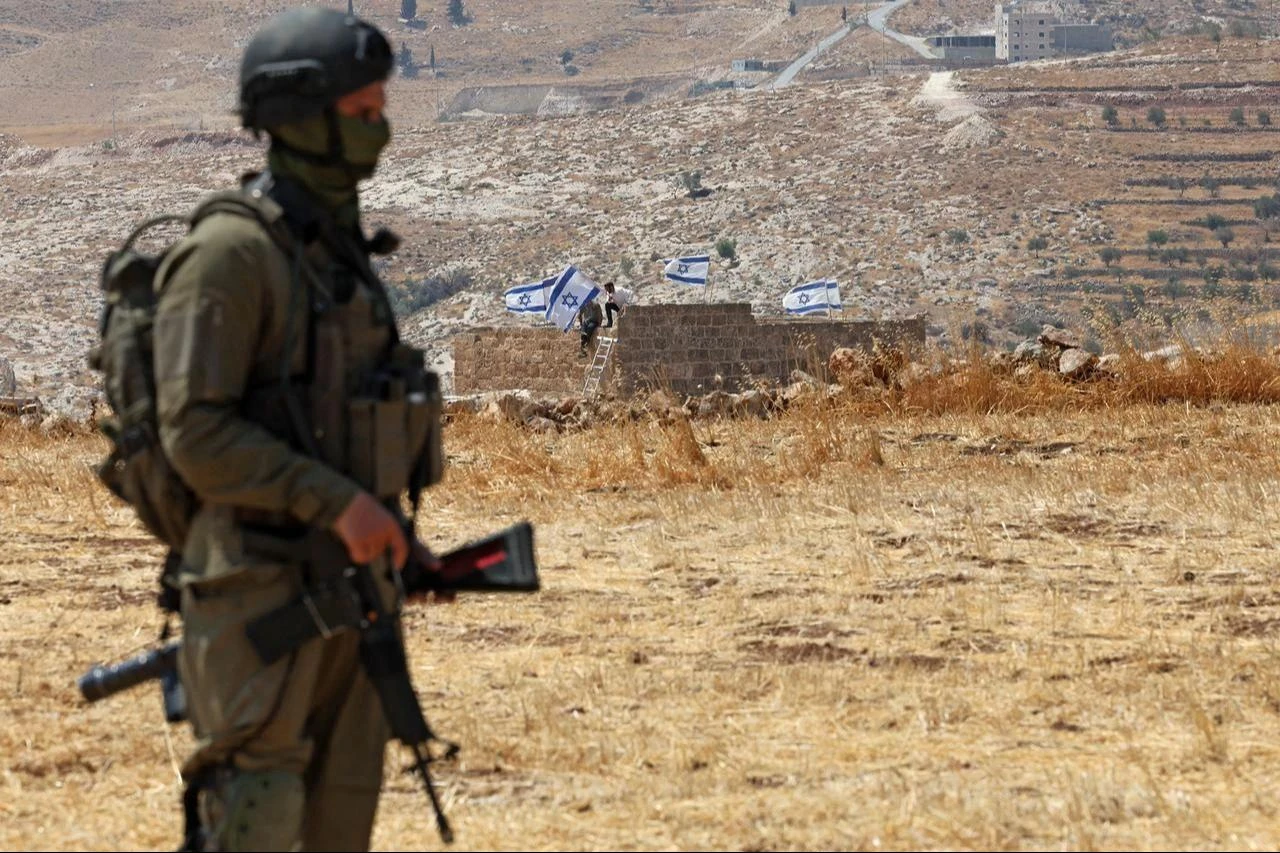

The Israeli military this week ordered troops to resume wearing formal uniforms at ceremonies, which Ben David described as part of an effort to restore discipline and norms eroded during the war.
Over three years, the Israeli Air Force has flown the equivalent of about nine years of normal operations, tanks and armored vehicles have gone through thousands of engines, and the military has used as much ammunition as in the previous 30 years.
The military has lost 1,138 personnel, while 11,730 have been officially recognized with physical or psychological injuries. Thousands more are expected to be added.
A military survey found that service disrupted daily life in 75% of military families. More than half of partners still supported continued service, but only 10% said their partner’s service allowed them to invest adequately in their own careers.
Some career officers who offered prestigious command positions are instead seeking less demanding posts or retirement, Ben David wrote.
The military currently keeps an average of about 53,000 reservists on active duty each day across Gaza, Lebanon, Syria and the West Bank.
A month of reserve service costs about 2.1 billion shekels, equivalent to seven F-35 fighter jets or 70 Merkava tanks.
In Gaza, five brigades hold the “yellow line,” covering about 60% of the territory, while two reinforced brigades are stationed along the border, alongside local security units and reservists.
The government and most opposition leaders say Israel will need to maintain security zones in Gaza, Syria and Lebanon, though Ben David said it remains unclear how this will be financed.
Israel received about $33 billion in U.S. military assistance over the past decade under an agreement that expires in 2028.
Ben David reported that senior Israeli officials working with the Trump administration believed Washington could have approved another decade-long package at a similar level. Netanyahu, however, announced last year that Israel would seek about half as much, leaving Israel to cover the difference.
The column also linked current tensions with Türkiye and Syria to earlier Israeli decisions.
Nearly a year ago, the military recommended pursuing a security arrangement with Syria because Syrian President Ahmed al-Sharaa was seeking access to Washington, Ben David wrote. Netanyahu rejected the recommendation.
Sharaa later found that Turkish President Recep Tayyip Erdogan also had strong access in Washington, while Türkiye began helping rebuild Syria’s military and seeking to establish its own capabilities there.
Ben David said Israel’s strike this week on Syria’s Abu al-Duhur air base increased the risk of friction with Türkiye, although neither side wants a confrontation. He also cited U.S. envoy Tom Barrack’s calls for a direct communication channel between Israel and Türkiye.
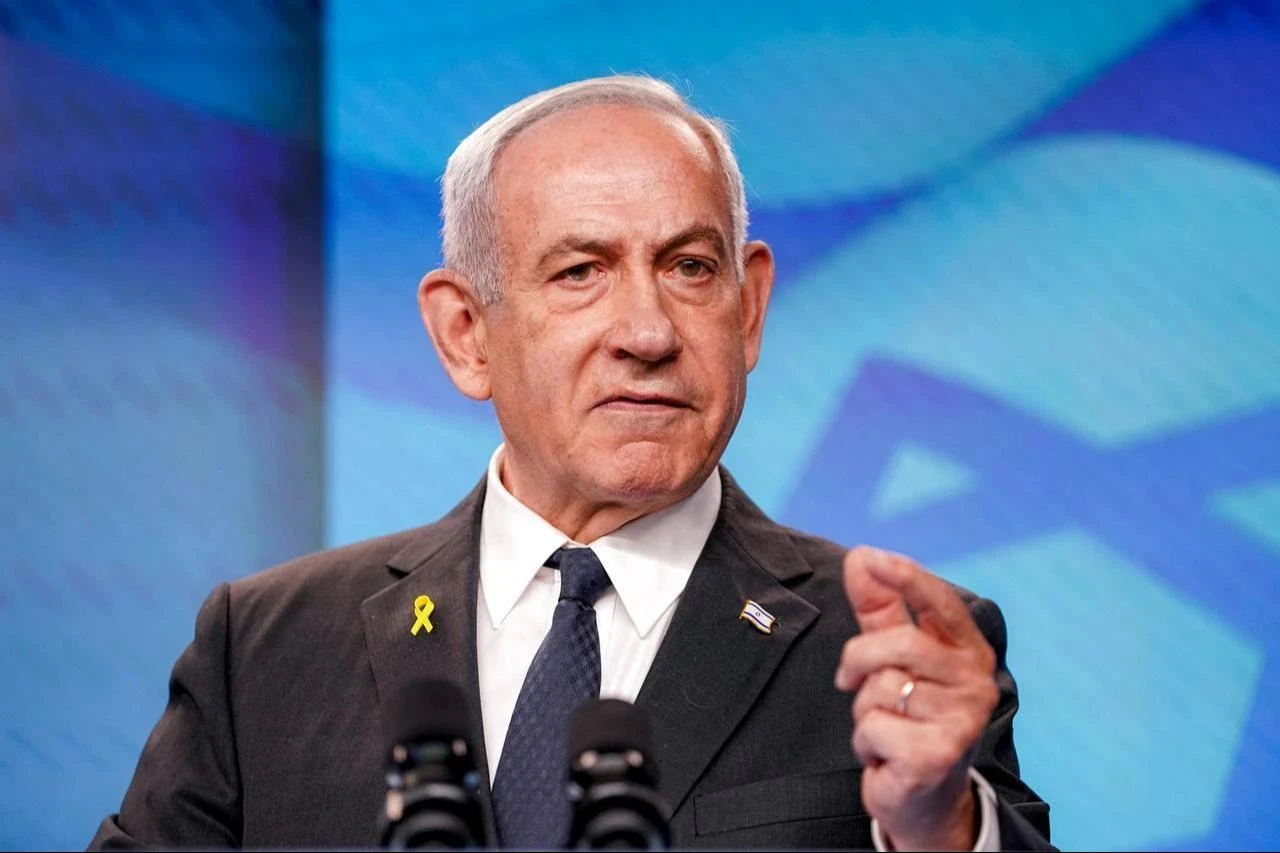
Ben David wrote that Israeli military officials believe Netanyahu does not want to close the remaining fronts and could try to reignite one, most likely Gaza, to interfere with the election timetable.
The officers said they would not support a new and unnecessary war.
Ben David added that Israel’s diplomatic policy over the past three years had failed to convert military achievements against Iran, Hezbollah and Hamas into lasting political outcomes.


 Set as preferred source
 Set as preferred source


 1 min read
 1 min read