Newsletters


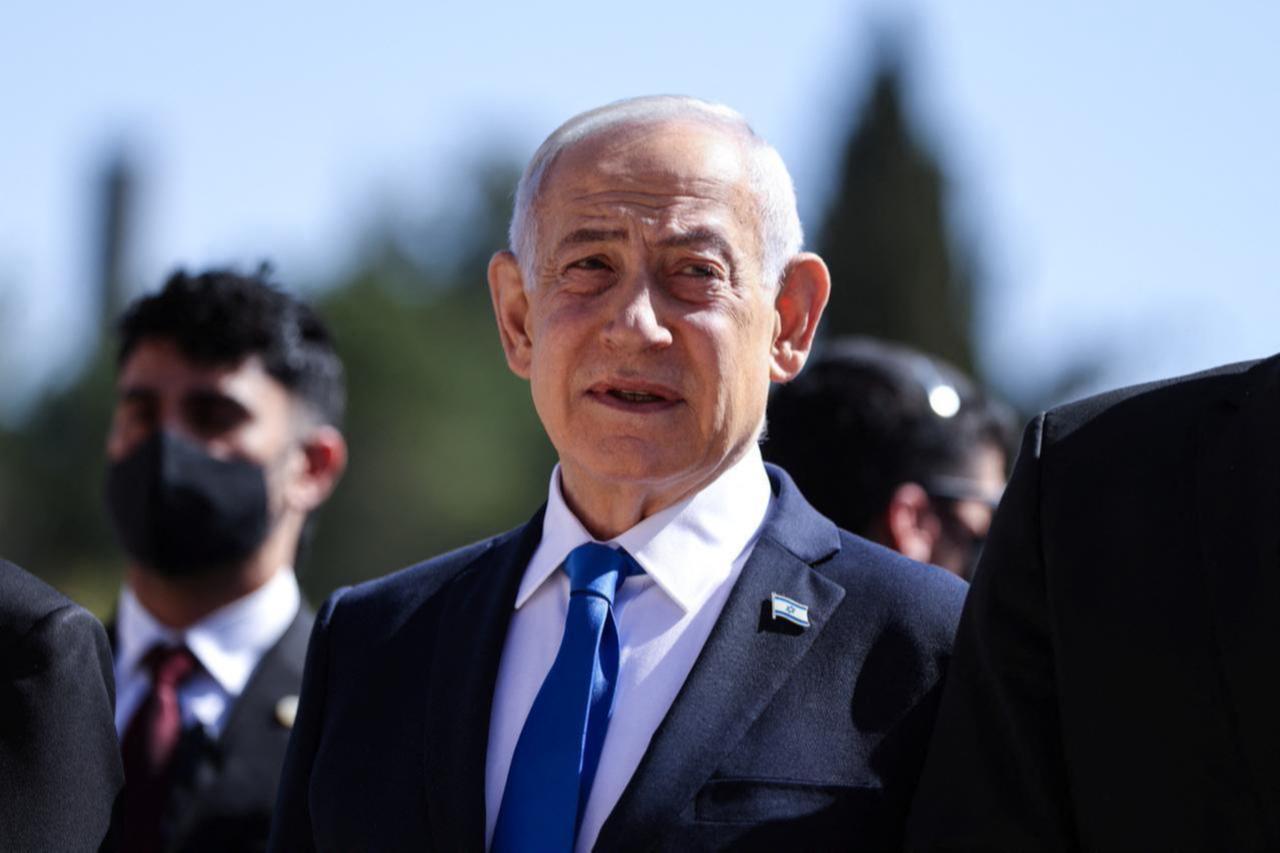


Israeli Prime Minister Benjamin Netanyahu said Thursday that tensions surrounding the Strait of Hormuz could accelerate a global shift toward alternative energy and transportation routes, suggesting Israel could become part of a future corridor linking the region to the Mediterranean.
Speaking at a seminar in the Jordan Valley, Netanyahu said global powers have historically responded to energy crises by diversifying supply routes and reducing dependence on unstable transit corridors, according to the Israeli government’s press office.
“This is what will happen here as well,” Netanyahu said.
“We have an opportunity here to be part of this route toward the Mediterranean,” he added.
Netanyahu did not provide details about the project or corridor he was referring to, nor did he identify which countries could be involved.
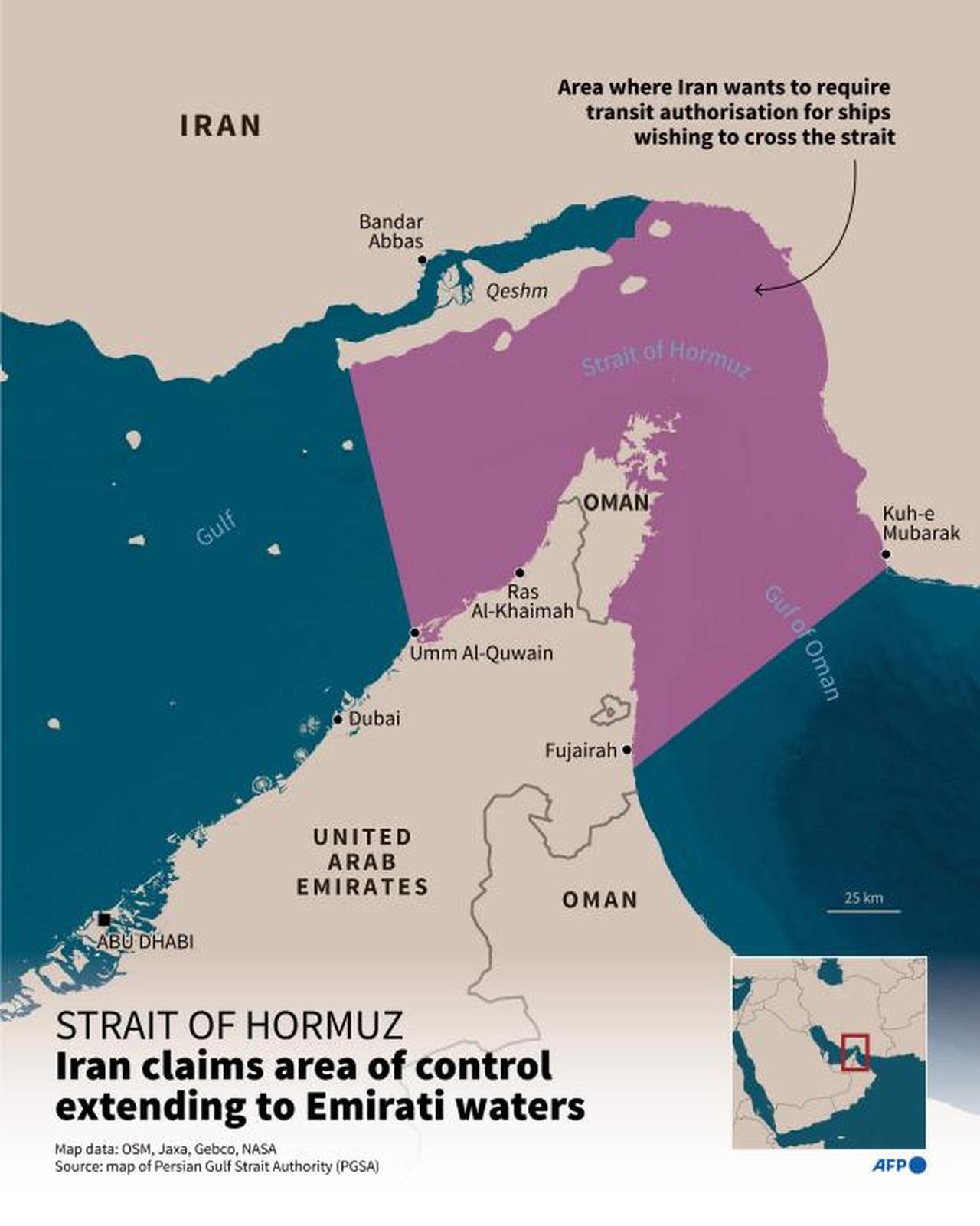

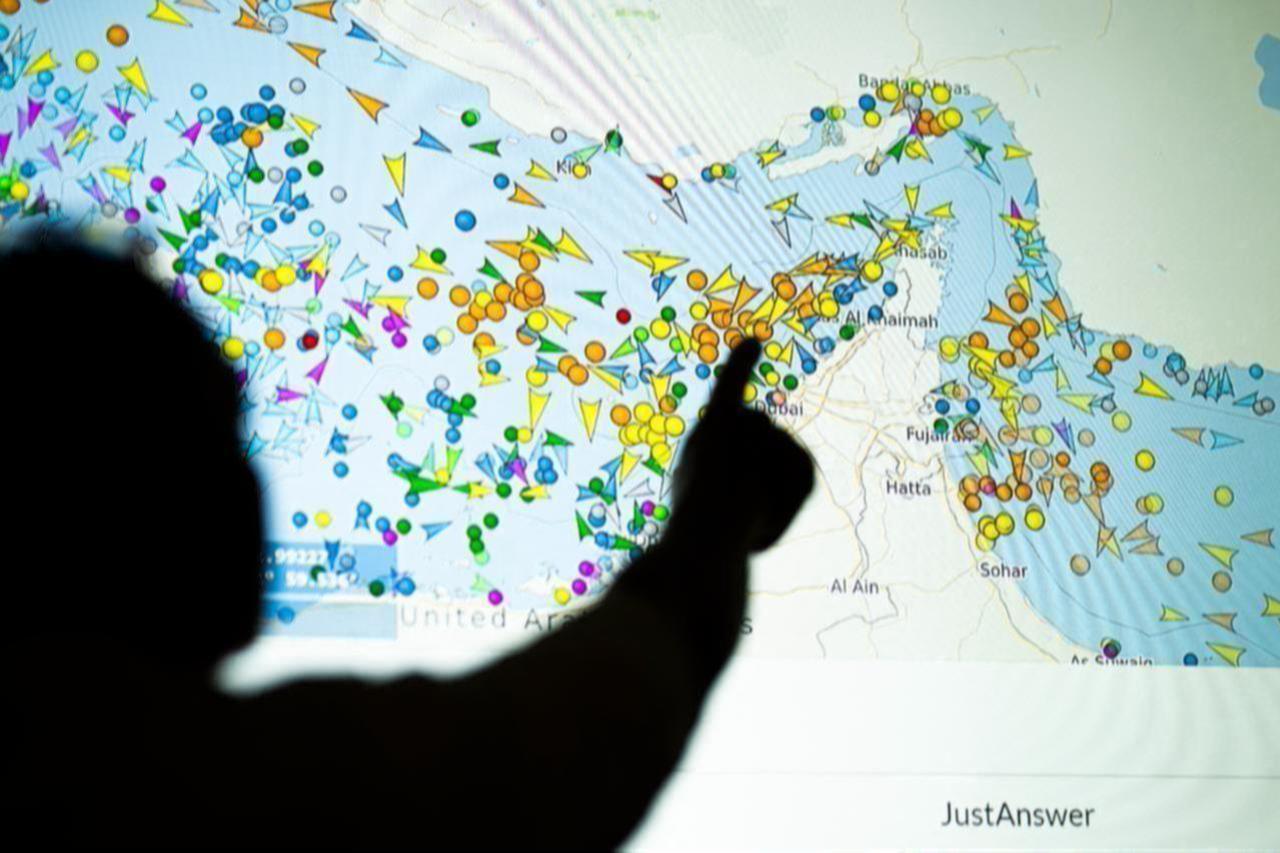
Netanyahu’s comments came as concerns persist over the security of maritime trade and energy supplies linked to the Strait of Hormuz, a strategic waterway through which a significant portion of global oil shipments passes.
Regional tensions have remained high since the United States and Israel launched strikes on Iran in late February.
Tehran responded with attacks targeting Israel and U.S. allies in the Gulf while also closing the Strait of Hormuz to maritime traffic.
A ceasefire took effect on April 8 through Pakistani mediation, but subsequent talks in Islamabad failed to produce a lasting agreement.
U.S. President Donald Trump later extended the truce indefinitely.
The parties have since continued to exchange proposals and counterproposals in an effort to resume direct talks and reach a permanent settlement of the conflict.


 Set as preferred source
 Set as preferred source


 1 min read

 1 min read