Newsletters


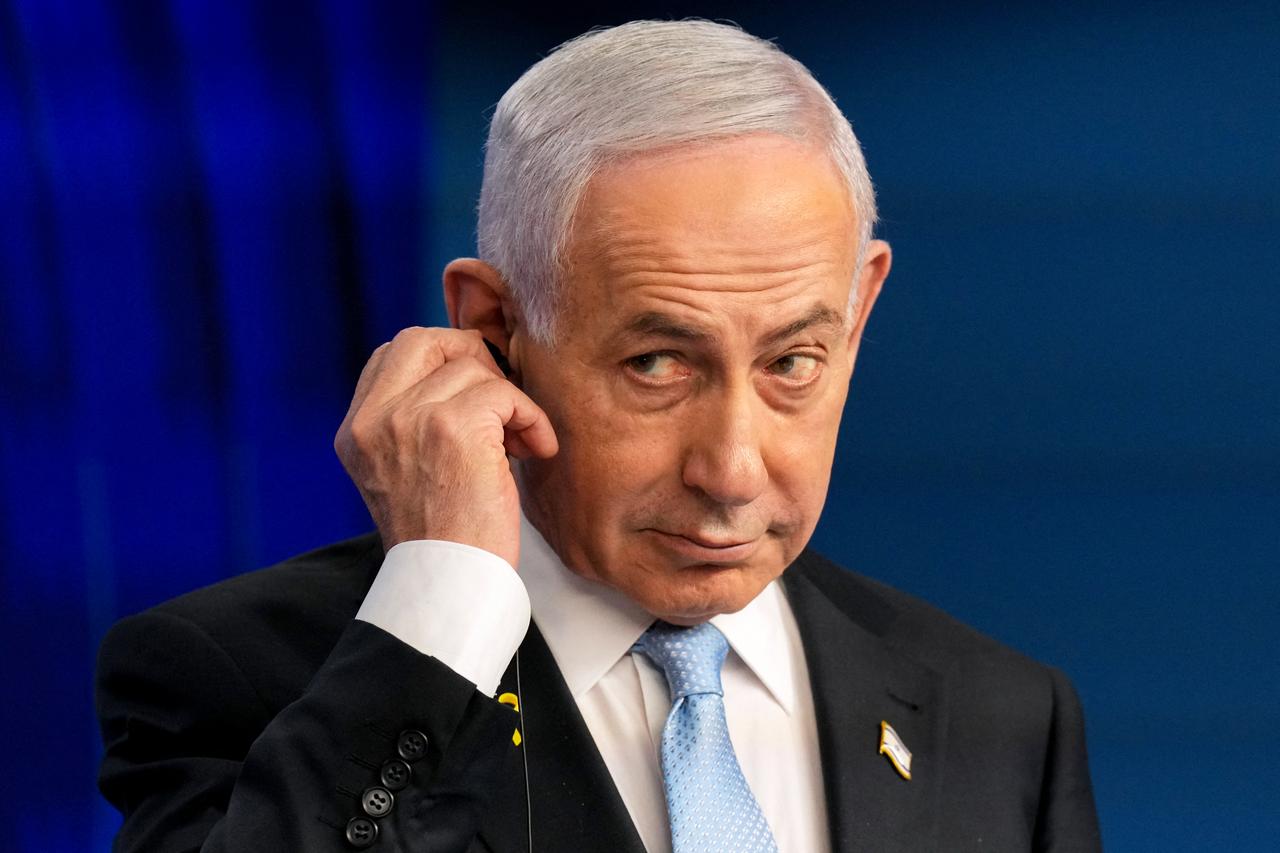


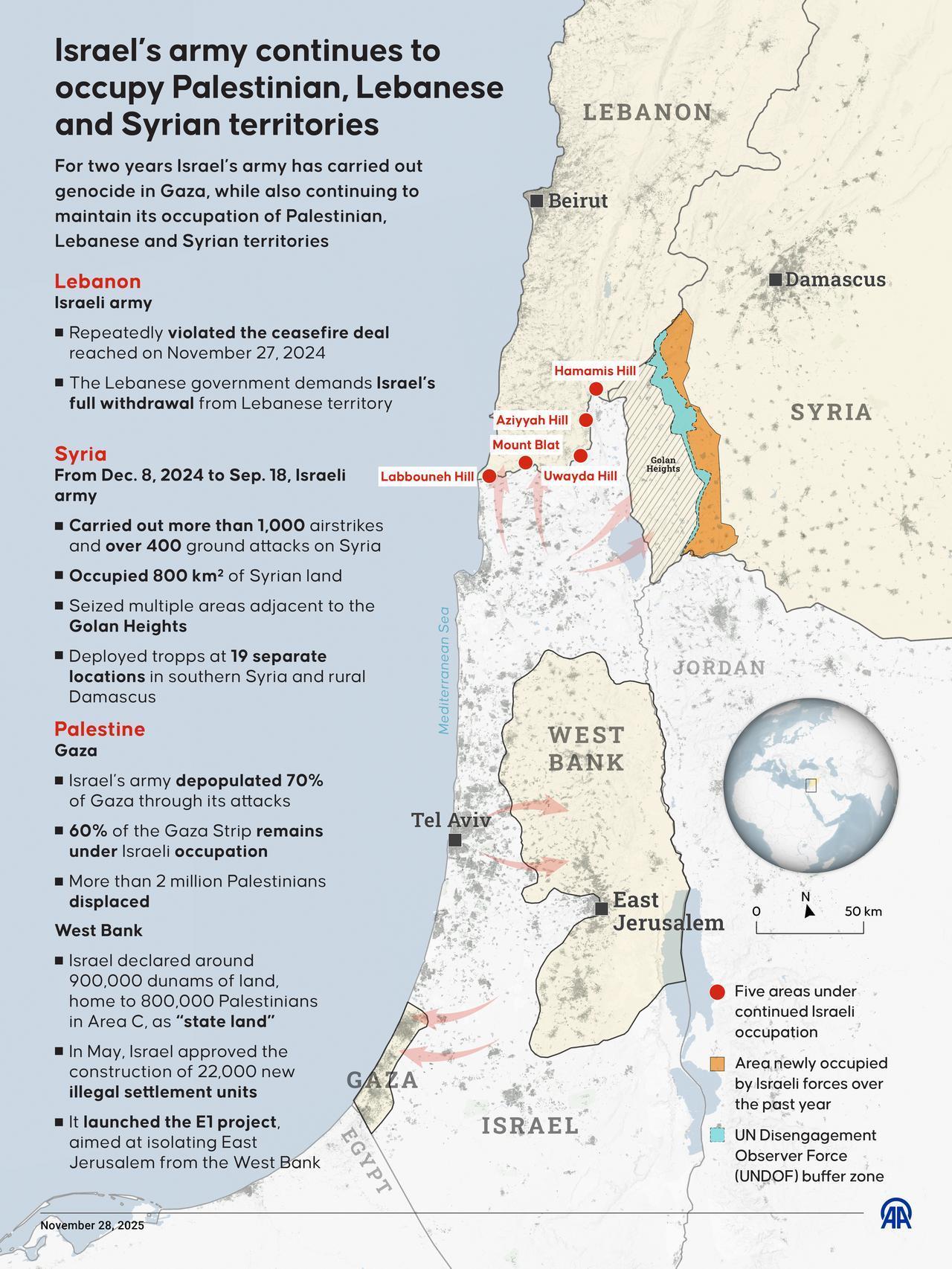
Israeli Prime Minister Benjamin Netanyahu said that Israeli forces will not withdraw from territories occupied in southern Syria, reiterating Israel's intention to maintain control over the region following the collapse of the Baath regime.
Speaking at a conference attended by Israeli ambassadors, mission chiefs, and Foreign Ministry officials, Netanyahu stated that Israel will not leave the areas it has occupied in Syria following the fall of the Baath regime. Regarding Mount Hermon (Jabal al-Sheikh) and the buffer zone adjacent to the Golan Heights, which Israel has occupied since 1967, Netanyahu said: "We want to protect these assets."
Netanyahu argued that Israel could potentially reach an agreement with the Damascus administration regarding the demilitarization of southern Syria and enabling Druze communities to "take care of themselves." He expressed hopes that such negotiations could occur with the new Syrian government.
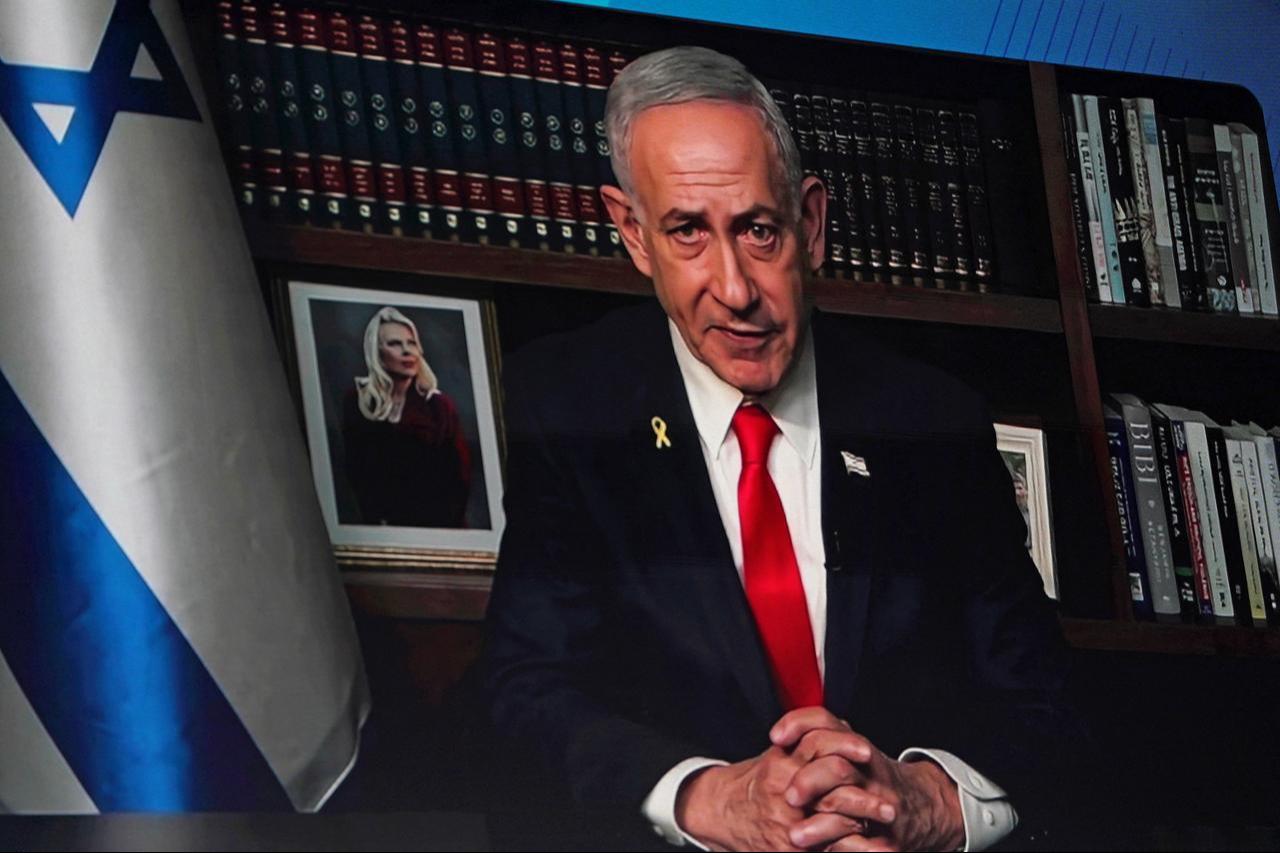

Syria's Foreign Minister Asaad al-Shaibani announced that there will be no agreement with Israel until it withdraws its forces from Syrian territory.
"There will be no agreement unless Israel withdraws from Syrian territory. There must be a bilateral, just, and equitable approach that takes into account both Syrian and Israeli sides," Shaibani said.
Shaibani emphasized that Israeli withdrawal from Syrian territory constitutes unchangeable red lines. He stated that any agreement must be just and fair to both parties.
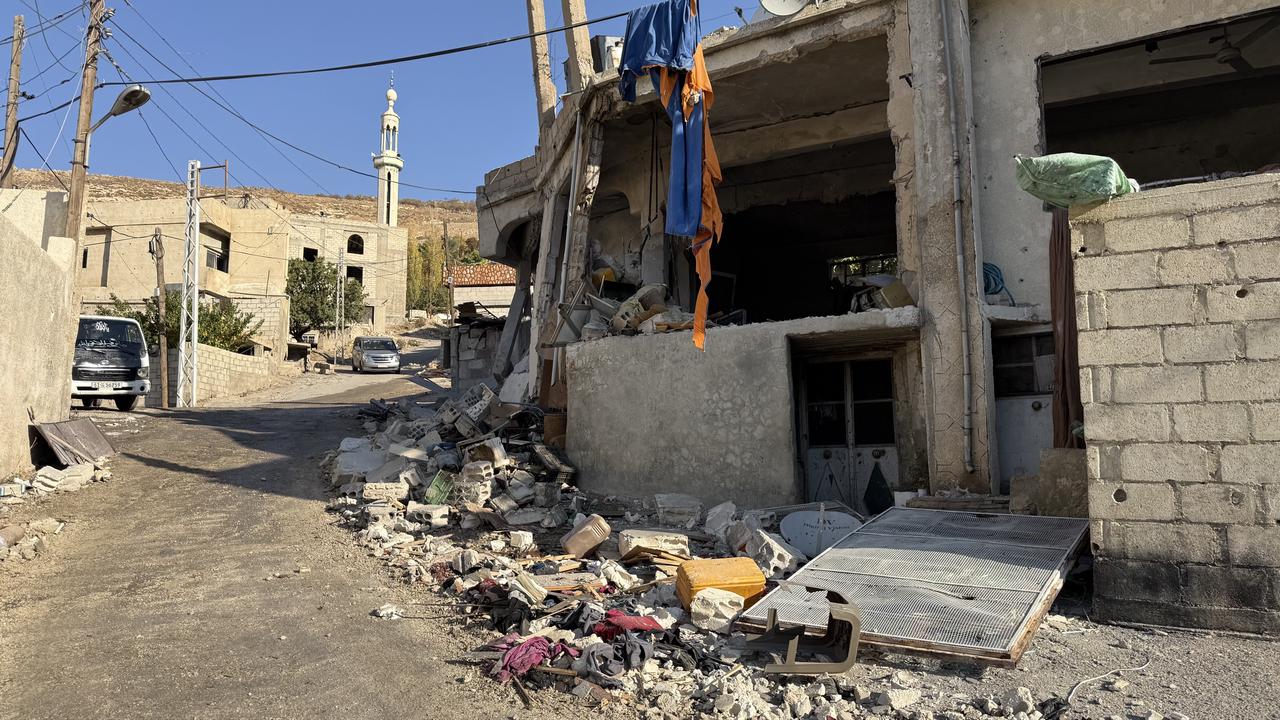
Following the intensification of fighting on Nov. 27, 2024, and coinciding with the collapse of the 61-year-old Baath regime on Dec. 8, 2024, Israeli military attacks on Syria increased significantly.
Israeli forces began destroying military infrastructure and capabilities belonging to the remnant regime forces while expanding its occupation of the Golan Heights, Syrian territory it has occupied since 1967.
Israeli forces entered the buffer zone near the Golan Heights, advancing further and approaching the capital Damascus to within 25 kilometers.
The 1974 Disengagement of Forces Agreement signed between Israel and Syria established the boundaries of the buffer zone and demilitarized areas between the two nations.
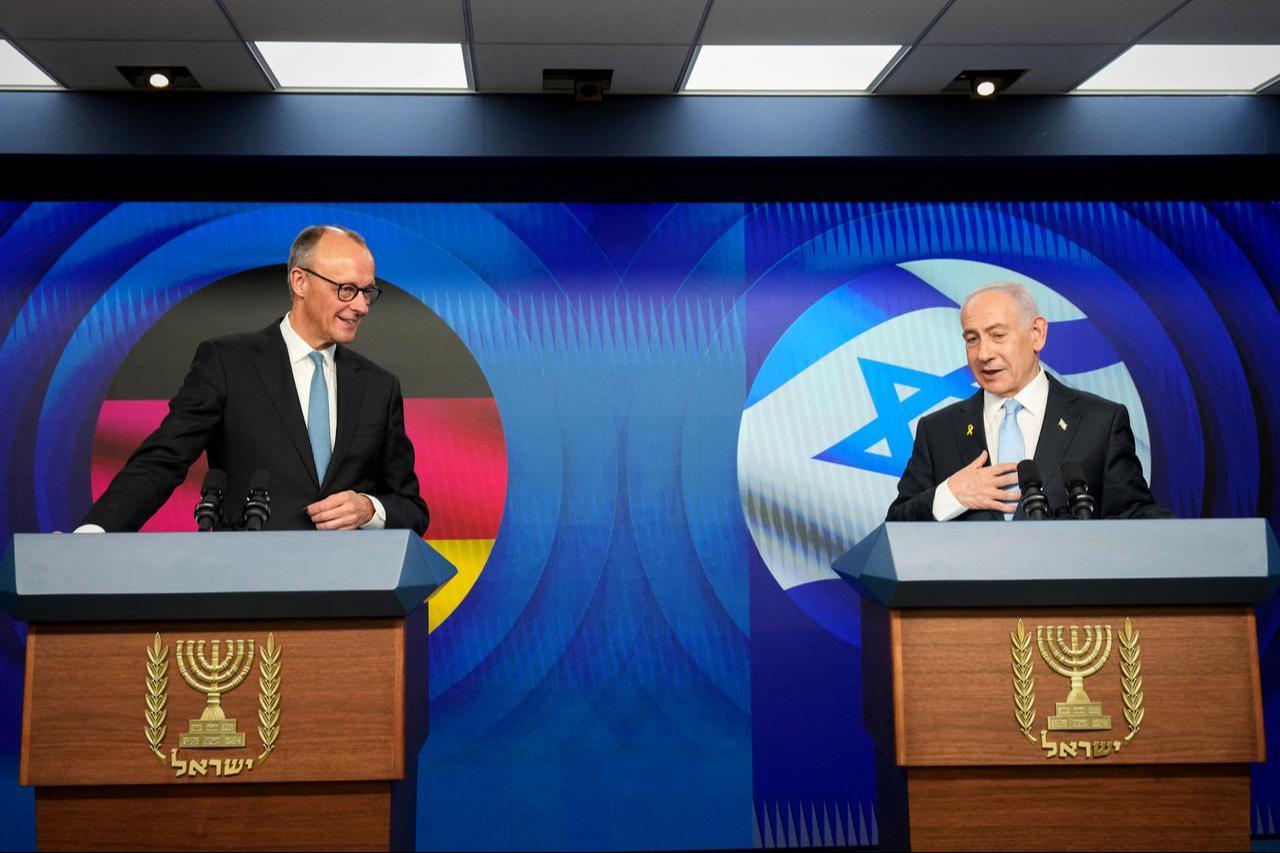
Netanyahu told visiting German Chancellor Friedrich Merz on Sunday that he expects the second phase of the Gaza ceasefire agreement to begin soon.
"The first phase of the ceasefire agreement in Gaza is nearly complete, and we expect to move to the second phase soon," Netanyahu said during a joint press conference in West Jerusalem.
Netanyahu stated that he will discuss the Gaza ceasefire when he meets with U.S. President Donald Trump later this month. He noted that the second phase will be more difficult than the first.
Netanyahu proposed that the third phase will be "deradicalization of Gaza," comparing the process to efforts conducted in Germany after World War II. "The third phase is the deradicalization of Gaza. This process was also carried out in Germany after World War II," Netanyahu said.
Responding to Merz's call for the establishment of a Palestinian state, Netanyahu said his government does not view the Palestinian Authority as "a legitimate peace partner."
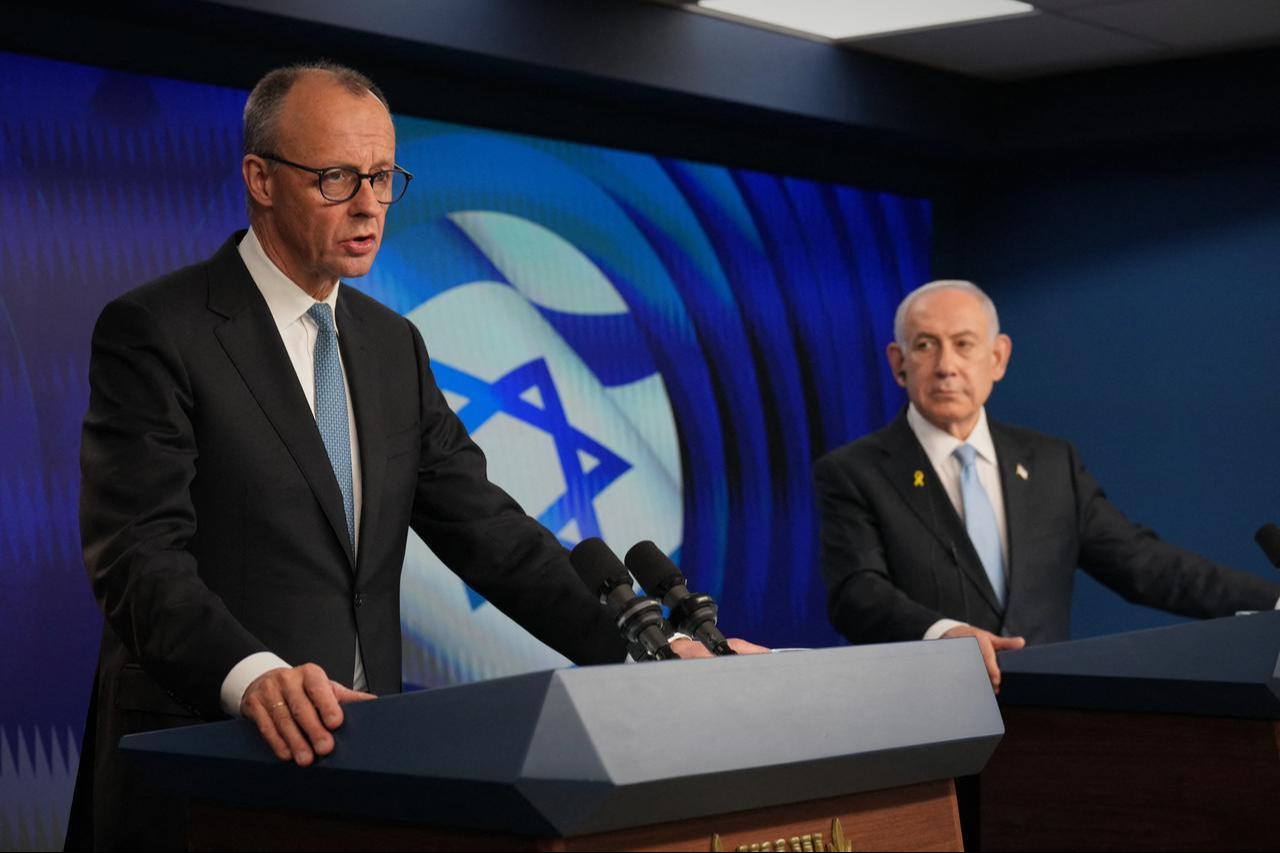
German Chancellor Friedrich Merz said that Israel's manner of conducting attacks on the Gaza Strip has left Germany "facing a dilemma."
"Germany must stand up for Israel's security, human dignity, and justice. Israel, as a country at war and a democratic constitutional state, should also be measured according to international law," Merz said.
Reiterating Berlin's commitment to a two-state solution, Merz argued that recognition of a Palestinian state could come at the "end" rather than the "beginning" of the peace process. He warned the Tel Aviv administration against political or structural actions that could amount to Israeli "annexation" of the occupied West Bank.
Regarding the ceasefire agreement in Gaza, Merz said: "Hamas cannot have a role in Gaza. It cannot pose a threat to Israel."
He continued: "Thanks to Trump, a peace agreement was signed and we need to implement the second phase of the peace plan. Lasting peace is possible. A Palestinian state and a two-state solution can only be realized through negotiations."
Merz emphasized that Hamas must be completely disarmed in Gaza. "I believe the Palestinian Authority is ready for reform, but so far no steps have been taken. I spoke with Mahmoud Abbas. Germany does not recognize a Palestinian state because no one knows what will happen in the end. The preconditions have not yet been created. It is important to be sure that there is a way to ensure Israel's security," Merz said.
Israeli Prime Minister Benjamin Netanyahu has reportedly ordered the evacuation of 14 illegal settlements built on Palestinian land in the occupied West Bank, according to Israeli Channel 12 television.
The report stated that Netanyahu called for the evacuation of the 14 illegal settlements, which the Tel Aviv administration itself considers unlawful, during a recent security meeting. The report indicated that 30 Israeli settlers in the illegal settlements, who have been identified as perpetrating severe violence against Palestinians, are to be forcibly removed from the area, with the number potentially rising to 70.
Israelis who seize Palestinian land first build barracks houses from various materials in targeted areas, erect fences around them, and construct roads. This preparation transforms the area into illegal settlements. Much of these illegal settlements, which the Israeli administration itself considers unlawful, are eventually converted into illegal Jewish settlement units.
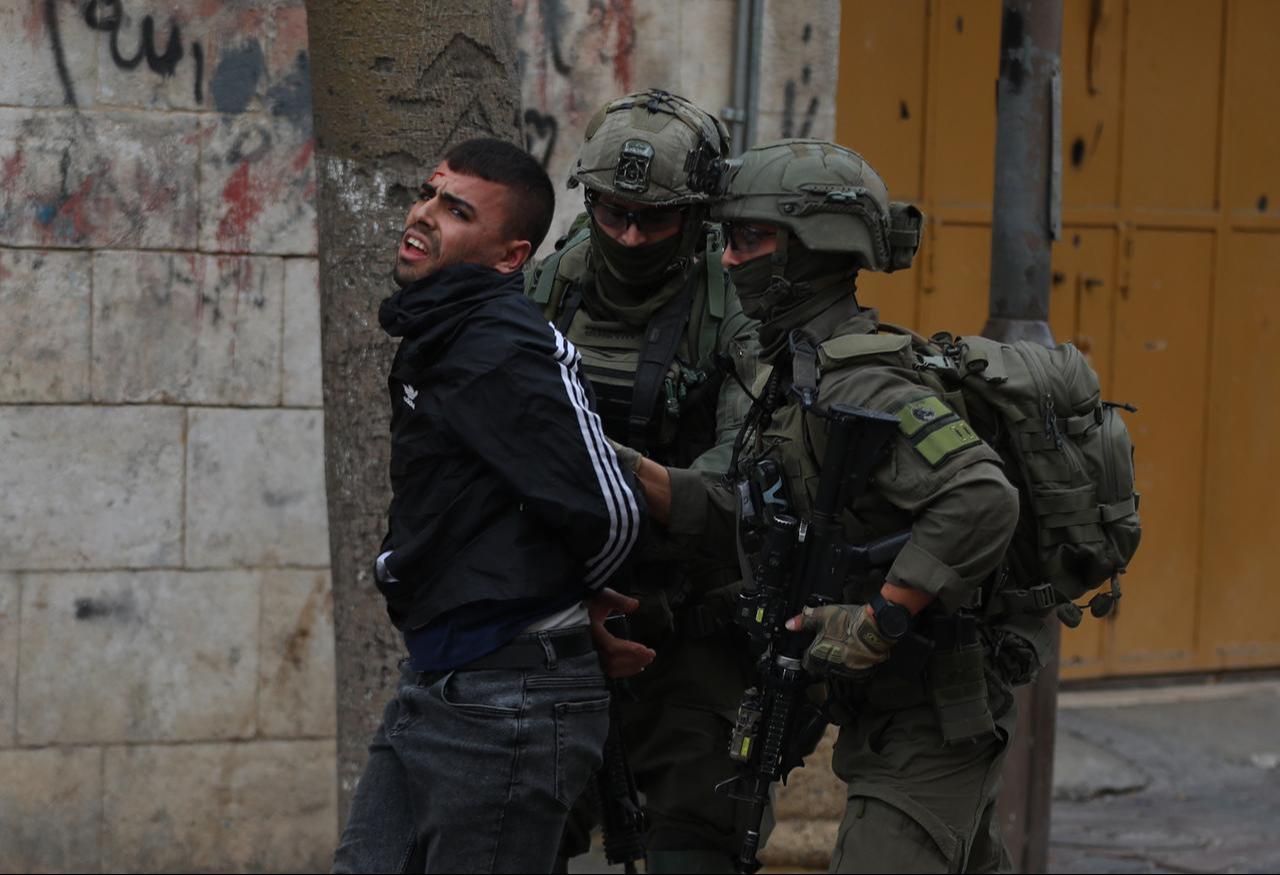
Attacks by Israelis who seize Palestinian lands against Palestinians in the occupied West Bank have reached the highest levels in the last 20 years for which the United Nations has recorded data.
Since Israel launched its attack on the Gaza Strip in October 2023, arrests, raids, and attacks against Palestinians in the occupied West Bank and East Jerusalem have increased.
According to data from the Apartheid Wall and Jewish Settlement Units Counter Council, Israelis who seize Palestinian lands have conducted 7,154 attacks in the occupied West Bank since October 2023, killed 33 Palestinians, and forcibly displaced 33 communities.
According to 2024 data from the Israeli civil society organization "Peace Now," which monitors Jewish settlements, approximately three million Palestinians live in the occupied West Bank, excluding East Jerusalem, while the Israeli settler population has exceeded 500,000.


 Set as preferred source
 Set as preferred source


 4 min read