

 Newsletters




Testimony from 24 Israeli military and intelligence insiders describes secret AI-based systems used to identify, track and attack targets in Gaza despite expected civilian deaths, according to a new documentary that premiered at the Venice International Film Festival on Thursday.
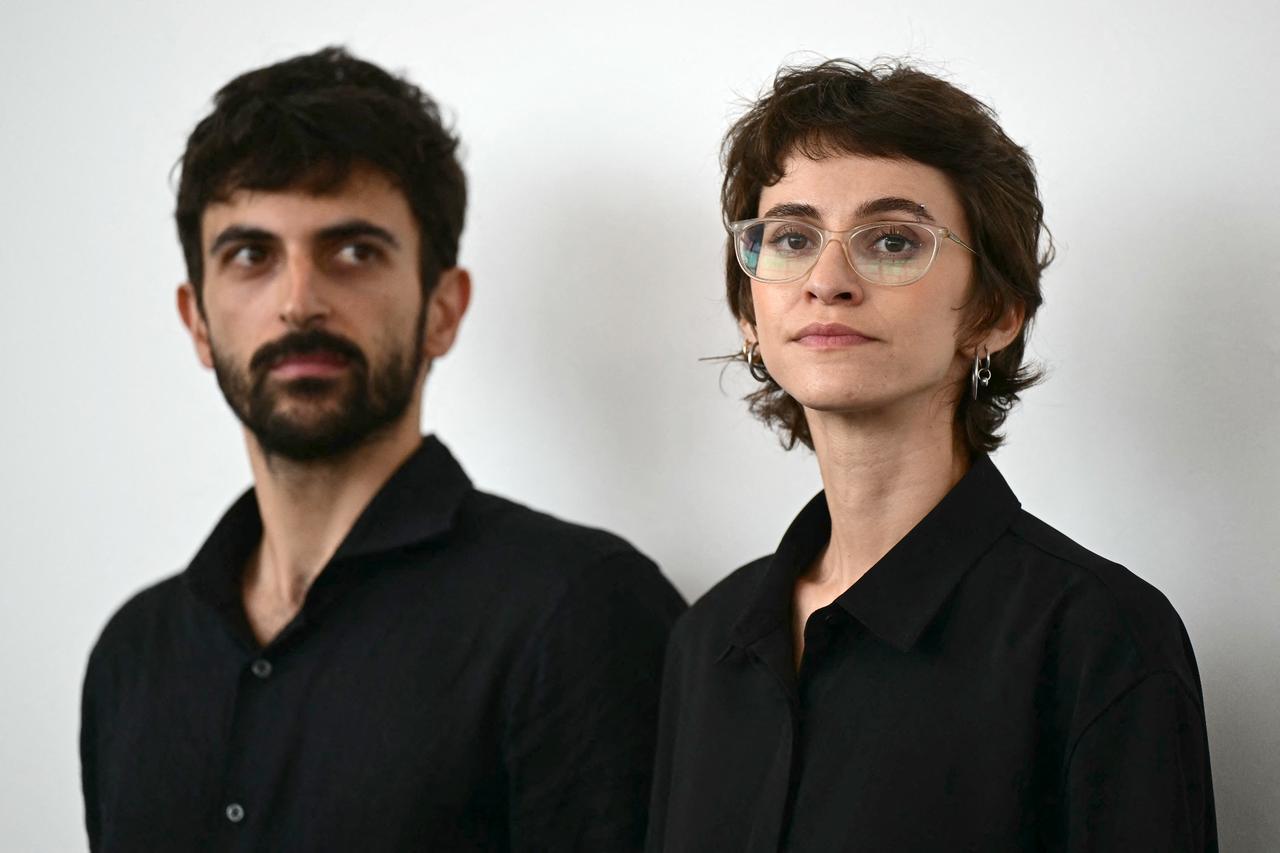
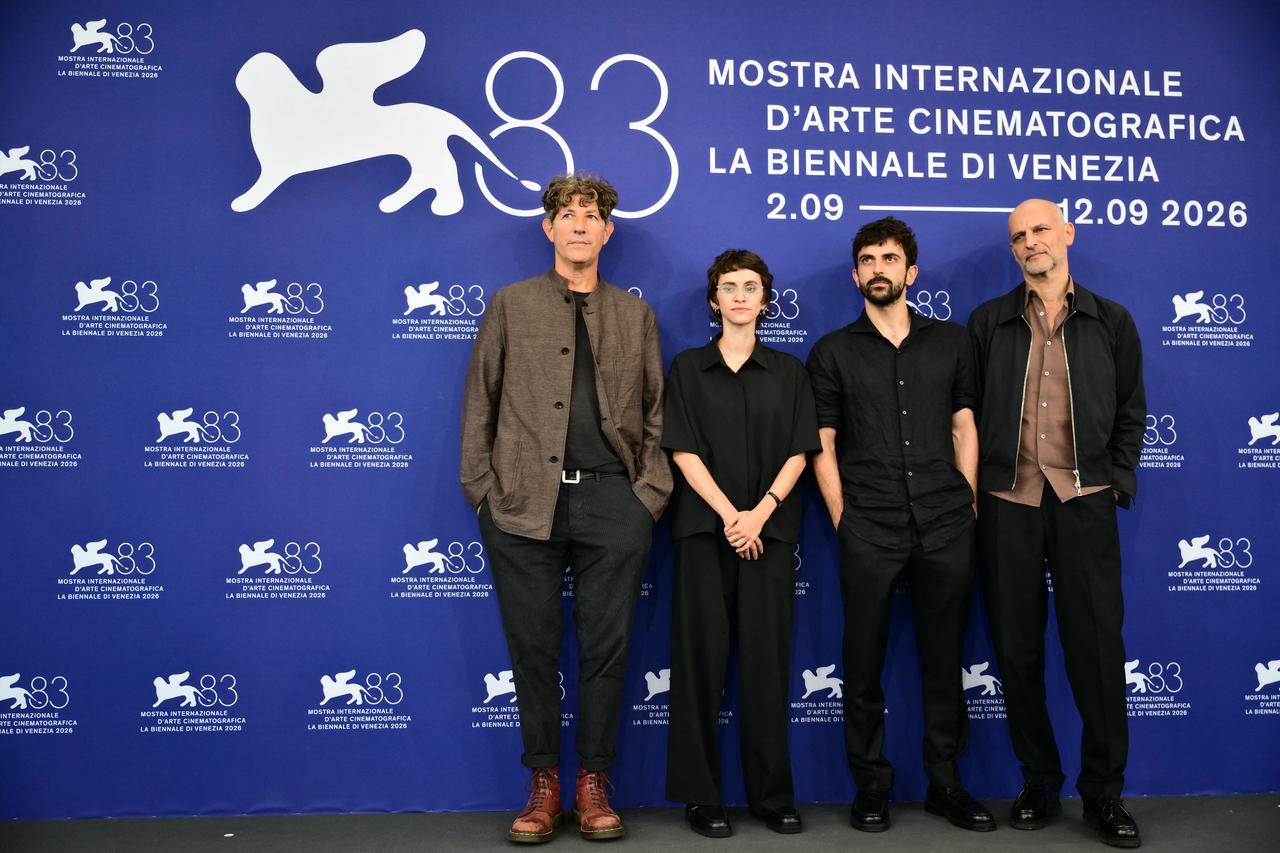
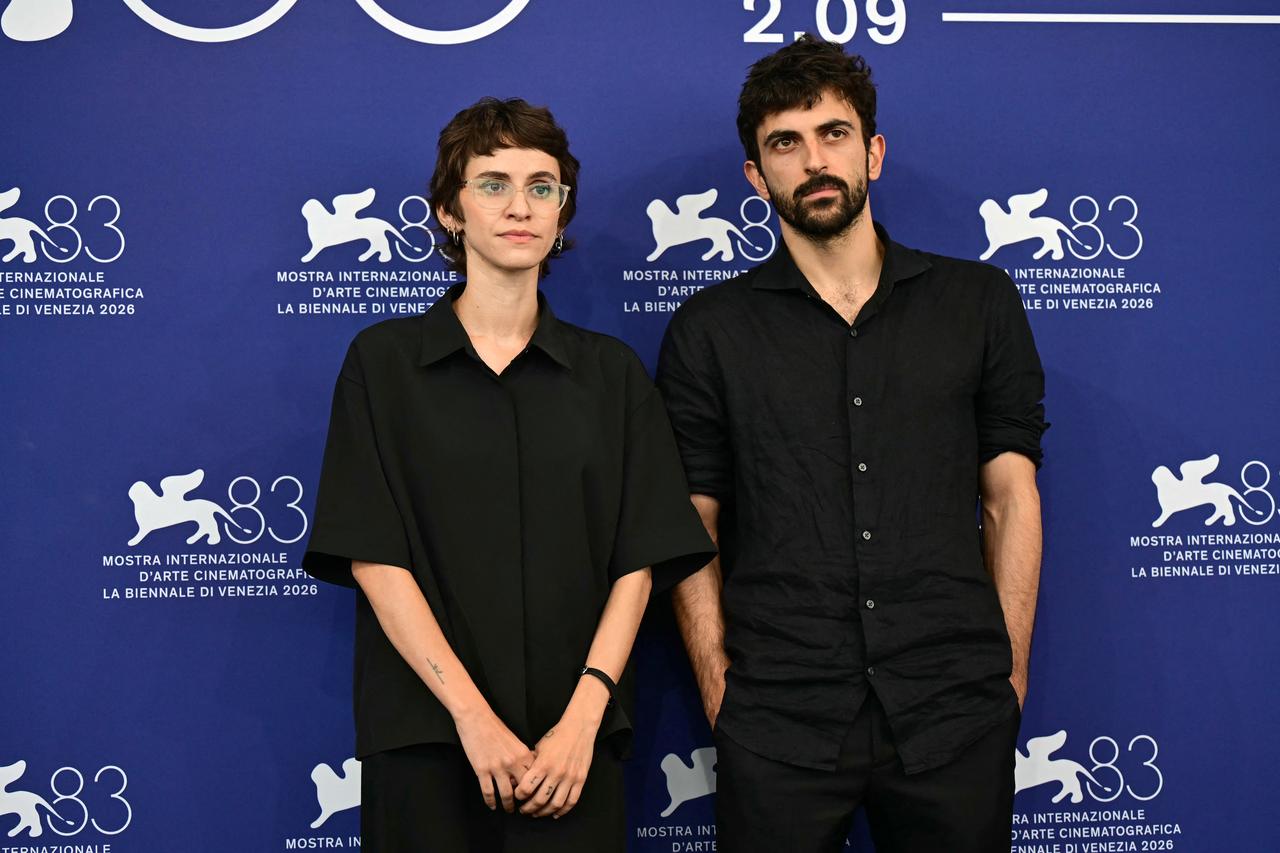
The film, titled "NAZA," was made by Oscar-winning Israeli filmmakers Yuval Abraham and Rachel Szor and produced by The Guardian. It screened in the main competition of the 83rd Venice International Film Festival, where it is the only documentary competing for the Golden Lion.
The title refers to a Hebrew military acronym meaning "collateral damage," used by Israeli intelligence to describe the number of civilians expected to be killed in an attack.
The 80-minute film was produced by The Guardian and James Wilson of JW Films, with Jonathan Glazer serving as executive producer.
Wilson and Glazer previously collaborated on the Oscar-winning film "The Zone of Interest." "NAZA" builds on investigations published between 2023 and 2025 by the Israeli-Palestinian outlet +972 Magazine, Hebrew-language publication Local Call and The Guardian.

Israeli intelligence officers and soldiers interviewed for the film describe AI-based systems used to identify large numbers of suspected low-ranking Hamas members as potential targets.
According to their testimony, those identified through the systems were bombed in their homes at night despite knowledge that the strikes would also kill family members.
The interviewees also describe hacking into the phones of people marked for attack to determine their locations.
According to the testimony, intelligence officers listened to conversations between targets and their wives and children, in some cases until shortly before attacks on their homes.
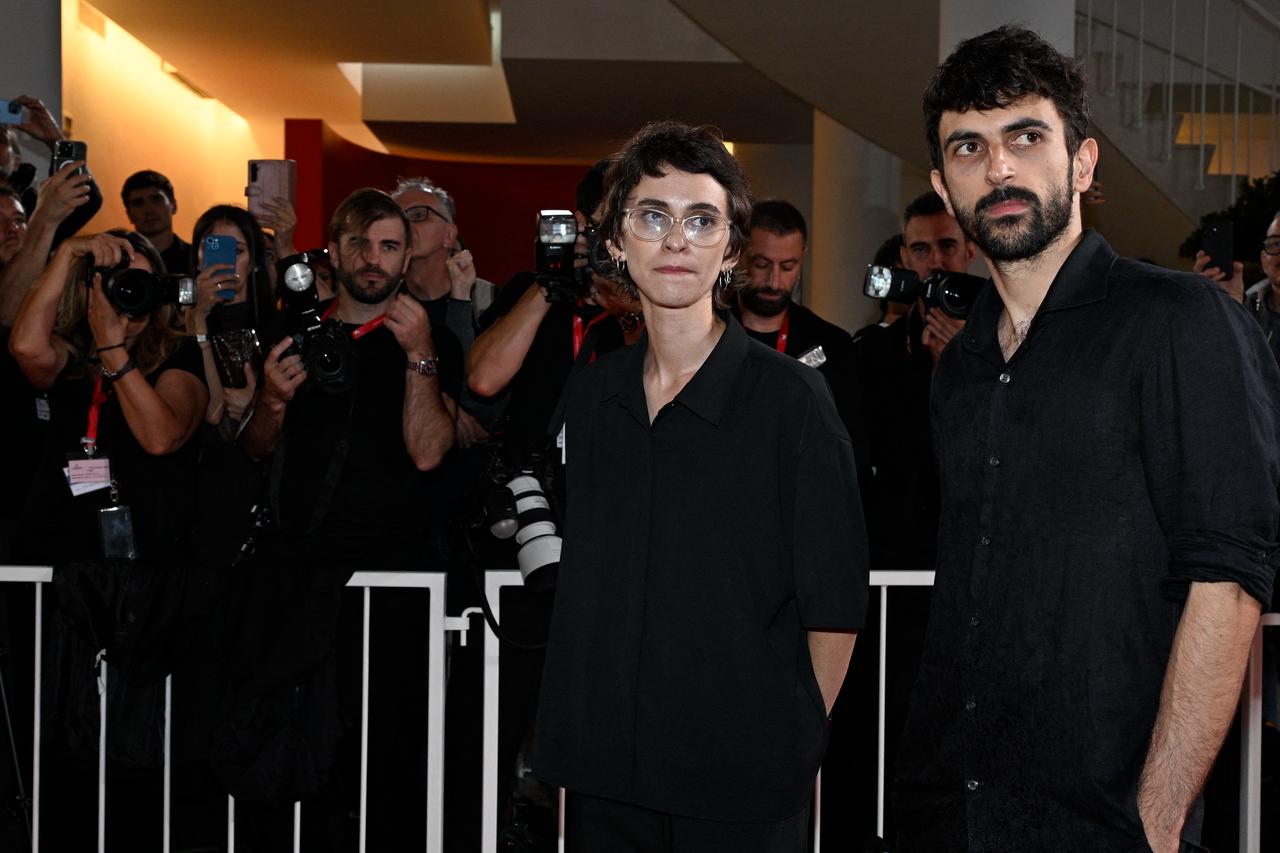
Speaking at a news conference in Venice, Abraham said the filmmakers asked the officers to describe their work in detail.
"We just told these officers: 'Please describe to us what you did. How do these systems work? Sketch it out for us.' Sometimes, in just asking the questions, you get the answers," he said.
"Some of them did not express remorse and some did. Some spoke out of indifference, some out of pride."
The 24 interviewees spoke anonymously because of the risks associated with publicly discussing Israeli military operations.
Interviews were filmed at night on rooftops in Tel Aviv, with appearances and voices digitally altered to conceal identities.
The testimony also includes accounts of the destruction of neighborhoods where the Israeli military estimated that as many as 25% of residents remained in their homes, along with the burning of civilian homes and the killing of civilians at a food distribution site.
Several interviewees worked in a secret intelligence unit reporting directly to the office of Israeli Prime Minister Benjamin Netanyahu, according to The Guardian. One interviewee said the unit's mission was to "thwart peace."
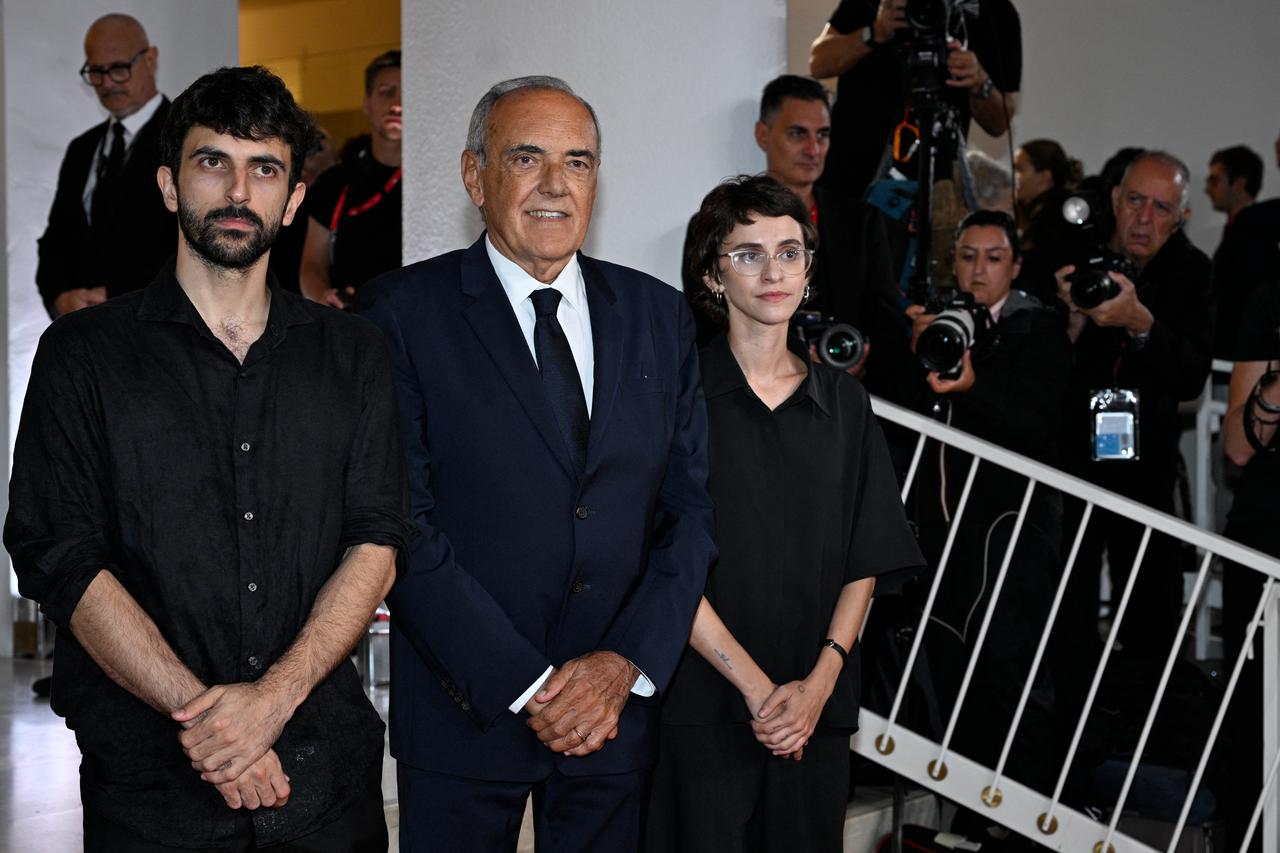
Abraham and Szor said the film focuses on military policies and practices rather than the actions of individual soldiers.
"Our focus is not on sporadic war crimes committed by rogue soldiers," they said, adding that their focus was on "the orders themselves, the policies, the accepted practices, the language and logic that make those practices possible, and the people who operate within them."
In an interview with French daily Le Monde, Abraham said it took months of discussion to persuade some sources to testify, while others declined out of fear of reprisals from the Israeli government.
"The film does not talk about individual soldiers who deviate from the protocol. It is not about mistakes, nor sporadic war crimes. It is about the policies themselves, the protocol, everything that was systemic in the assault against Gaza," he said.
Abraham said the testimonies included accounts of a policy in some areas of Gaza under which civilians could be killed regardless of whether they were armed.
"It is impressive to hear Israeli soldiers admit it in front of the camera. Yes, there is a policy in entire areas of Gaza according to which you kill everyone, every person you see, every person who goes there on foot. None of them is armed," he said.
Szor said the filmmakers also sought to contrast daily life in Tel Aviv with events in Gaza. "You can see Tel Aviv as a city that functions as usual, while 60 kilometers (37 miles) away, all these things are happening," she said.
She said traditional Israeli media had not fully revealed events in Gaza, adding that the surveillance systems and tools used by the military after October 7 predate that date.


 Set as preferred source
 Set as preferred source


 1 min read




 1 min read


