Newsletters


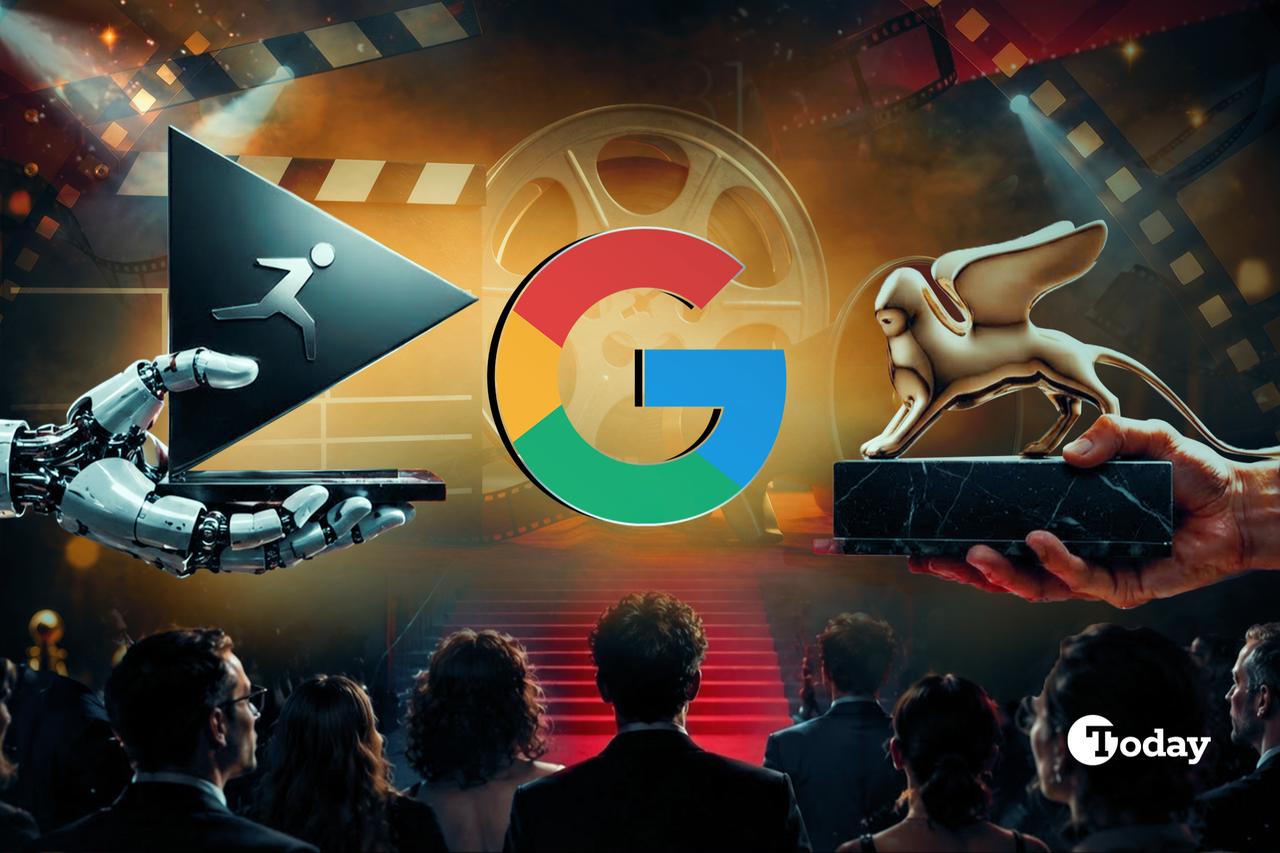


Somewhere between the glimmer of a Venice red carpet and the hush of a Mountain View boardroom, artificial intelligence slipped into the film industry, debate trailing in its wake. No one settled the terms. Still, three forces are staking their claim: the artist, the jury, and the rights holder, each certain the choice is theirs alone.
Venice is the stage where this question plays out in full view. Each September, for eleven days, the Venice Lido draws a line between what is and isn't cinema. Since 1932, the festival has never aimed to please all. It selects, it excludes, and it stands by those decisions. That is not a flaw; it is the very design.
Alberto Barbera built what he calls the festival's "most political" lineup in years—films on war, Gaza, immigration, and shrinking freedoms, judged by a jury led by Maggie Gyllenhaal.
Days before opening, Annie Ernaux, Roger Waters and others signed a letter demanding Venice take a firmer stand on Palestine. Barbera also had to defend the lineup's lack of women directors, insisting the festival holds "no prejudice against anyone anywhere in the world."
A festival willing to defend itself this publicly clearly still believes its choices matter. This year, one of those choices is about AI.
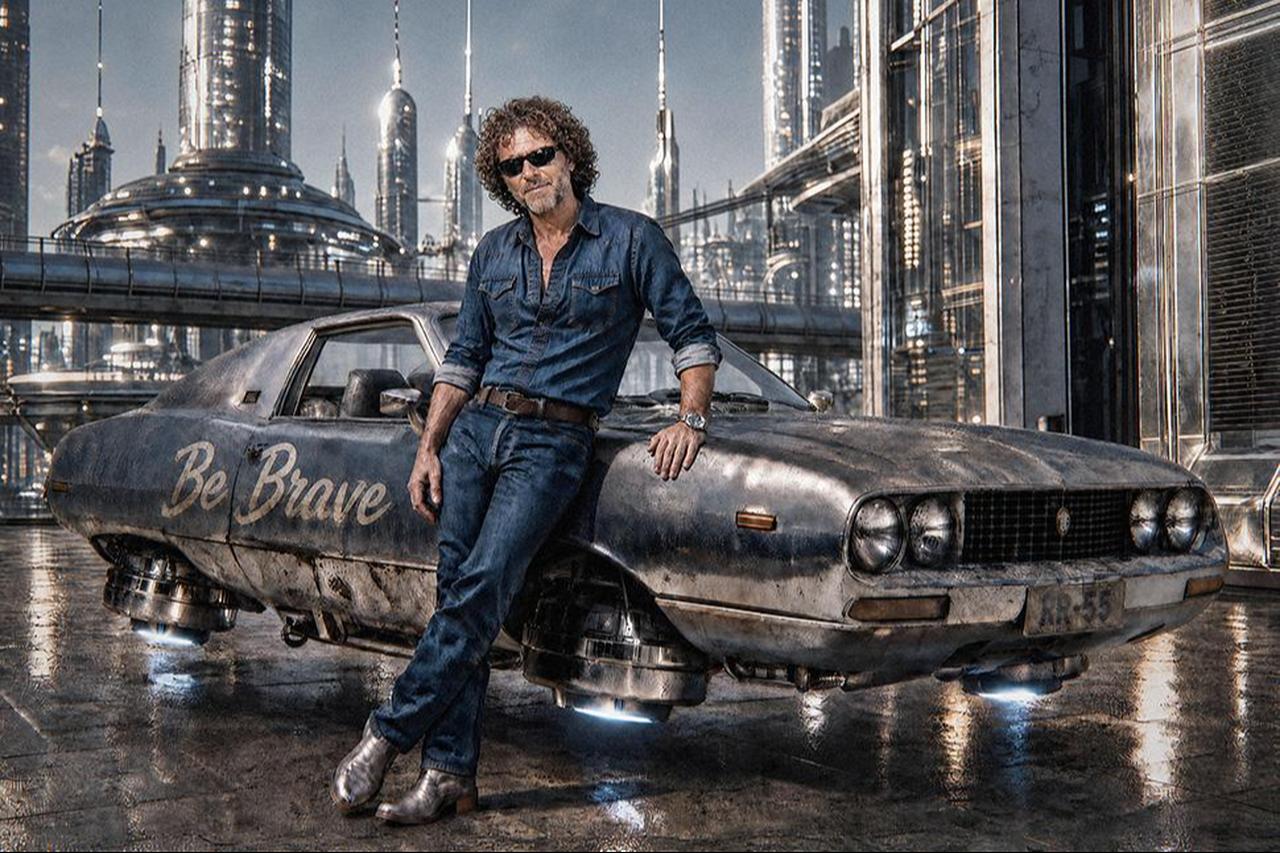

For the first time, Official Selection includes a film made entirely by AI. "Be Brave," a documentary about Diesel founder Renzo Rosso, took eighteen months to complete.
Barbera set one condition: AI is welcome, he told The Hollywood Reporter, but only "under the complete control of the artist." That's not a ban on AI. It's Venice's answer to the question—the human decides, not the tool.
That is one answer. It did not have to look far to find a rival.
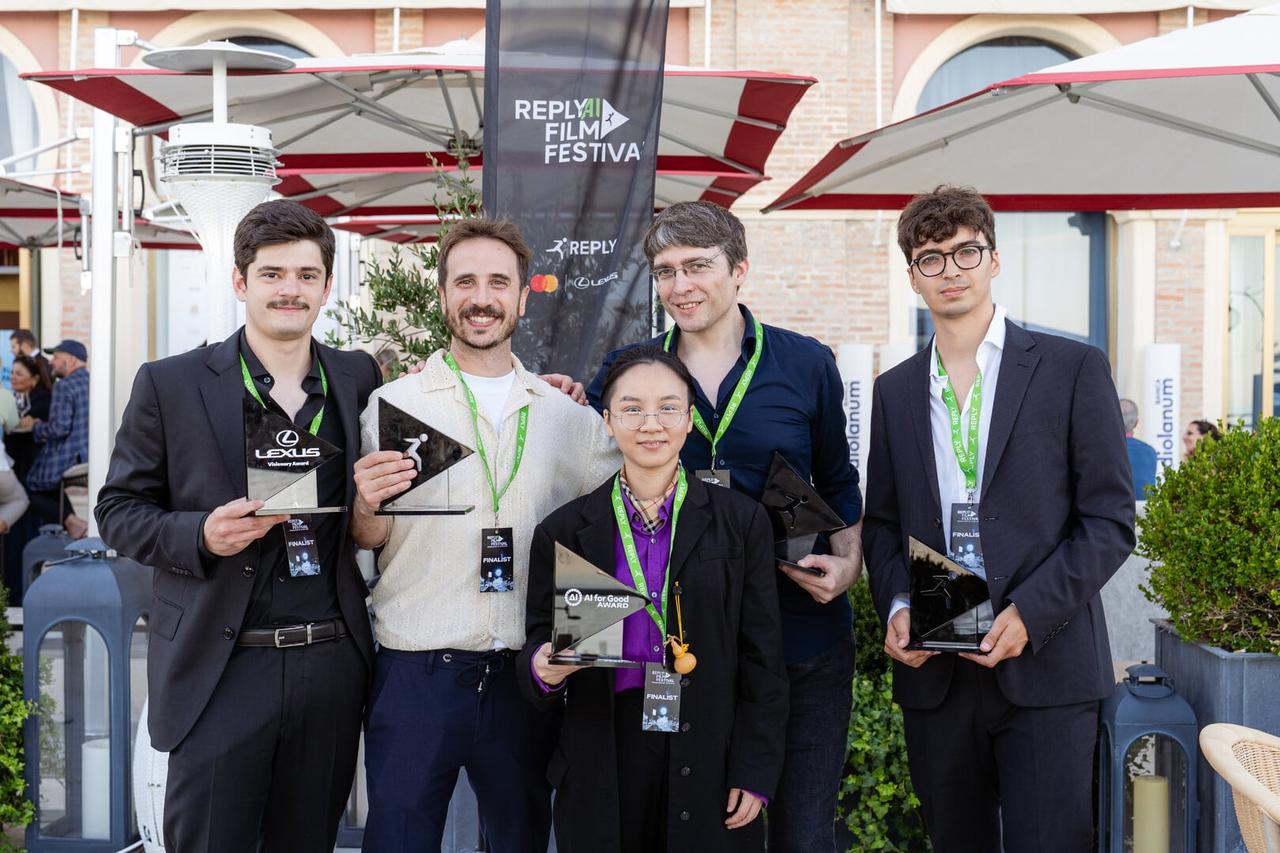
A few streets away, during the same eleven days, the Reply AI Film Festival held its third edition—ten finalists from three thousand submissions, judged by Gabriele Salvatores and Catherine Hardwicke, its ceremony held "on the fringes of" the main event.
Venice judges the process. Reply judges the result. Its jury evaluates the finished film, including AI origins, not excused.
Both are wrestling with the same dilemma from opposite sides: what does true authorship mean when a machine shares the credit? Neither has existed long enough to know which approach holds up.
Somewhere else, far from any red carpet, a much larger negotiation is underway.
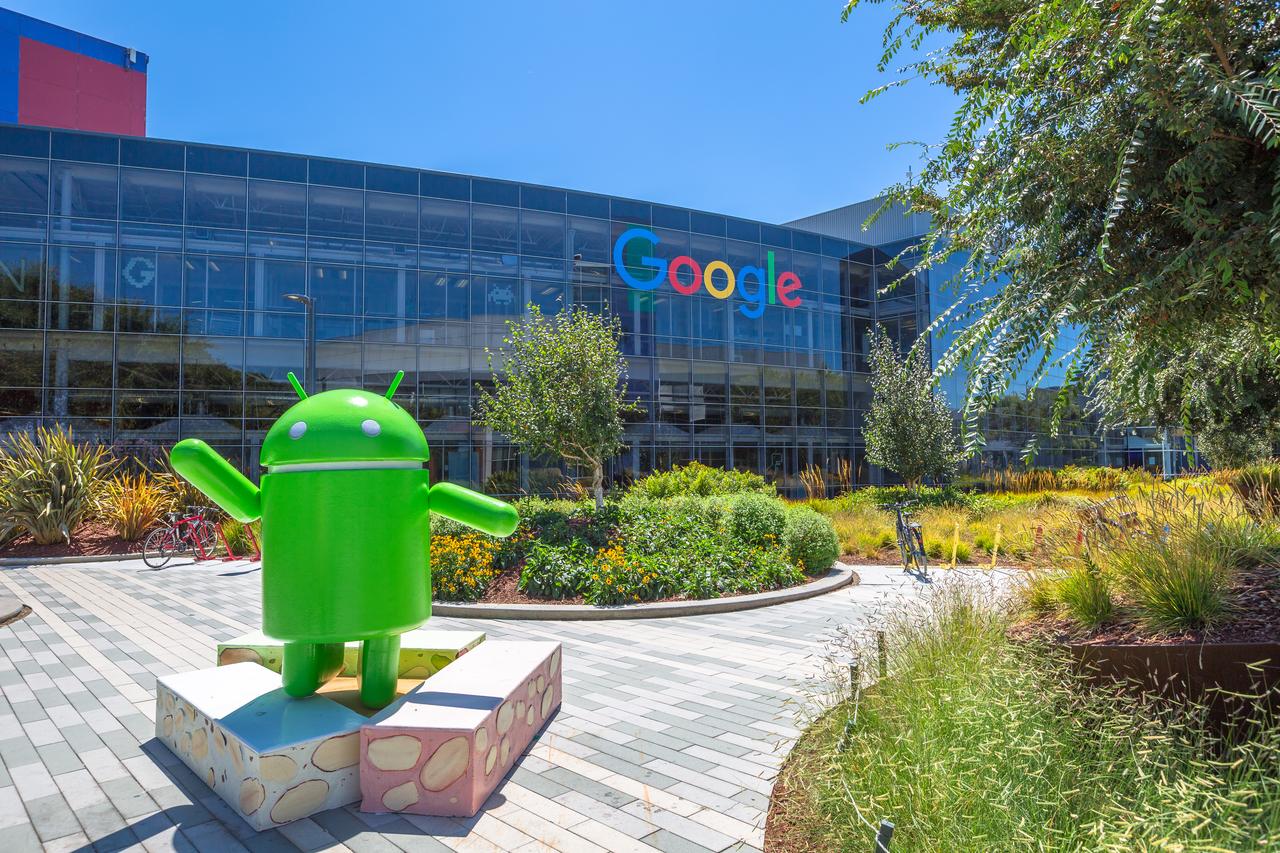
That's happening entirely off the island. According to the Los Angeles Times, Google has quietly approached studios—Disney, Universal, Warner Bros. Discovery—about licensing their IP for AI training, with figures as high as forty million dollars per character on the table.
No deals are signed. No studio has notified SAG-AFTRA of any agreement, though their contracts require it.
This is a third answer, forged in contracts rather than creativity or critique: who gets paid, who gives consent, who signs before a studio’s characters can be trained or generated.
One media executive said Google seeks not just acceptance but "appreciation" for what it calls the high road. In Google's version, the rights holder decides, and this time, the answer comes with a price.
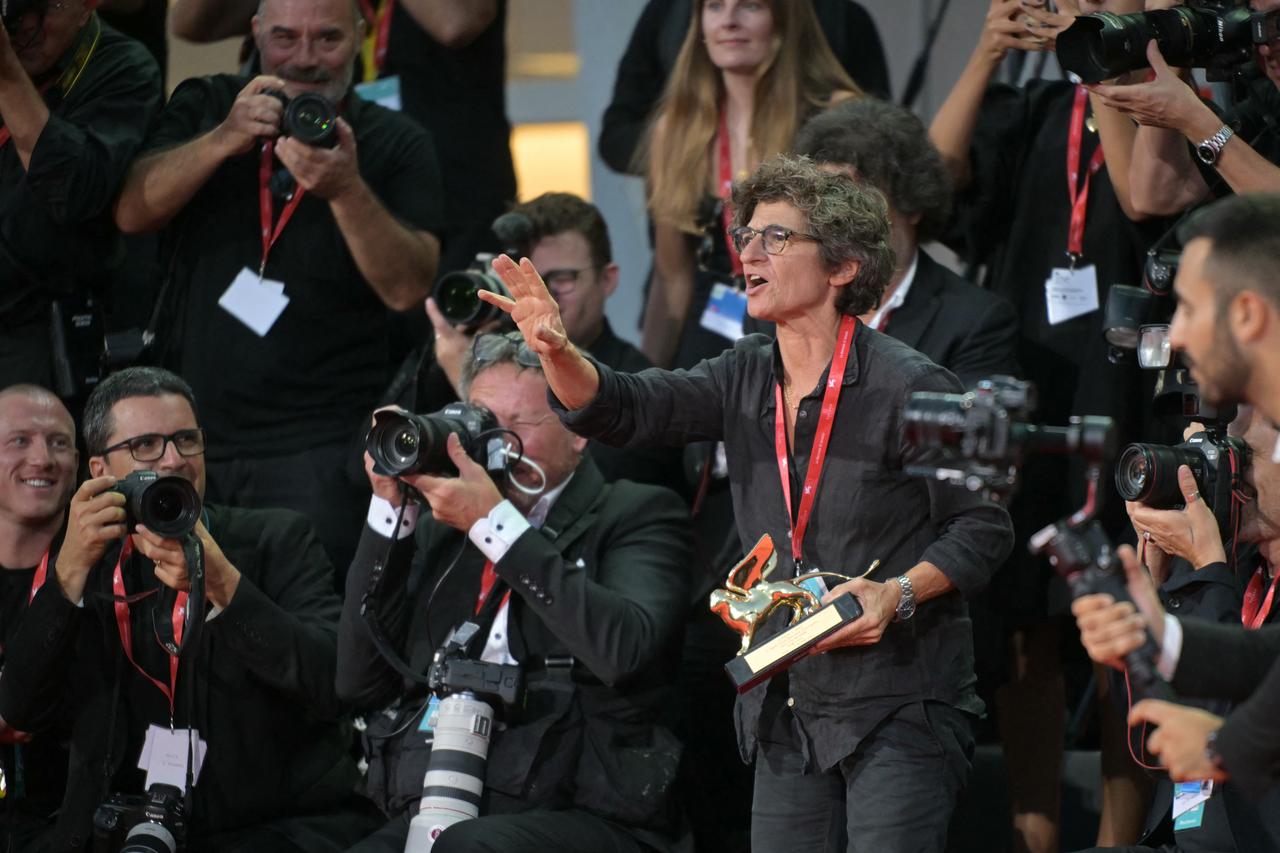
Venice's caution, Reply's acceptance, and Google's ambition might seem like different instincts.
One guards, one judges, and one chases profit.
Still, all three share the same goal: to set the rules before anyone else does. Right now, each side acts on its own, hoping the others will eventually follow.
So far, that hasn't worked out for any of them.
On this question, the artist has spoken. The jury has spoken. The rights holder has spoken. The only answer still unclaimed belongs to the people in the seats.


 Set as preferred source
 Set as preferred source


 1 min read