Newsletters


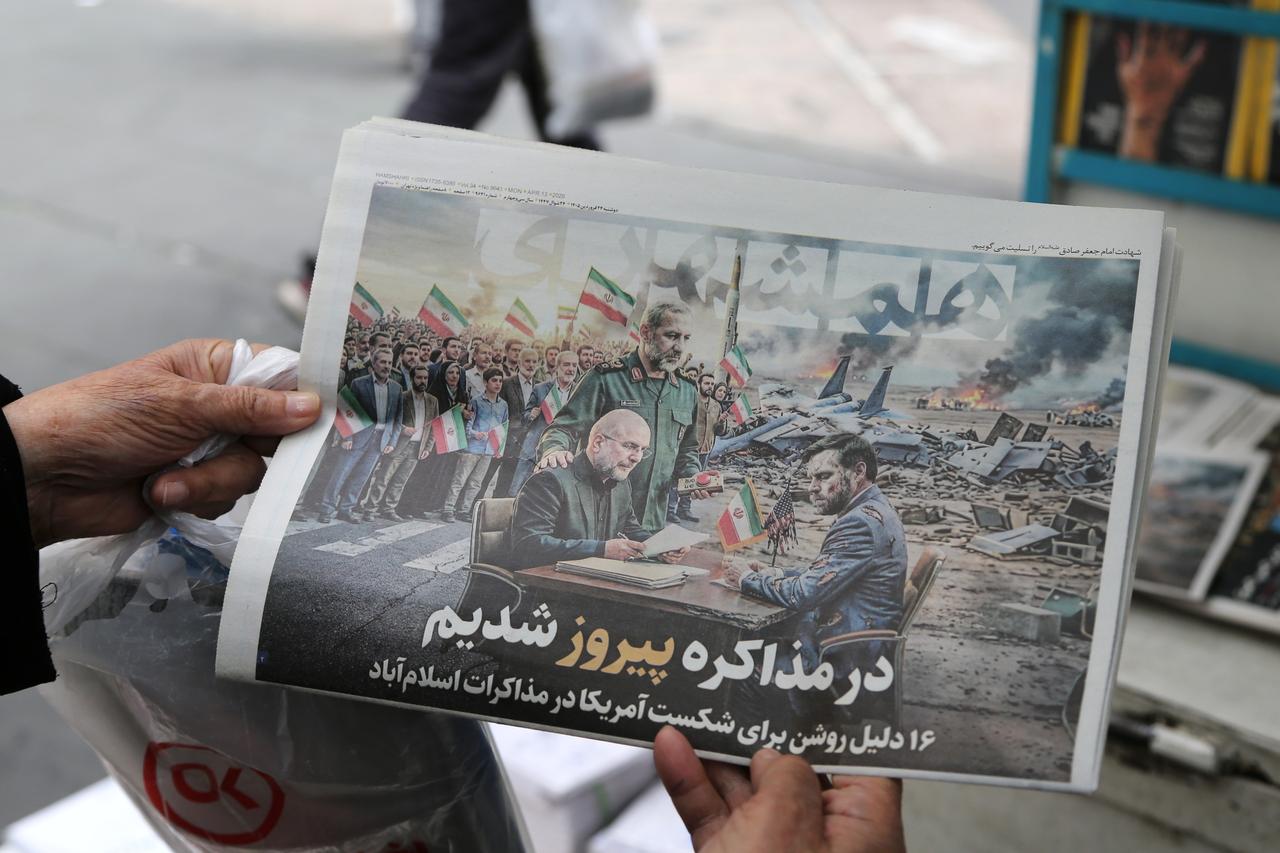


A new round of direct U.S.-Iran talks could take place as early as Thursday, according to two U.S. officials and a diplomat from one of the mediating countries.
Meanwhile, U.S. President Donald Trump stated that Iran had "called this morning" and wanted to work a deal, while a Reuters account based on 11 sources revealed the Islamabad talks were "80% there" before collapsing over the nuclear program, the Strait of Hormuz and frozen assets.
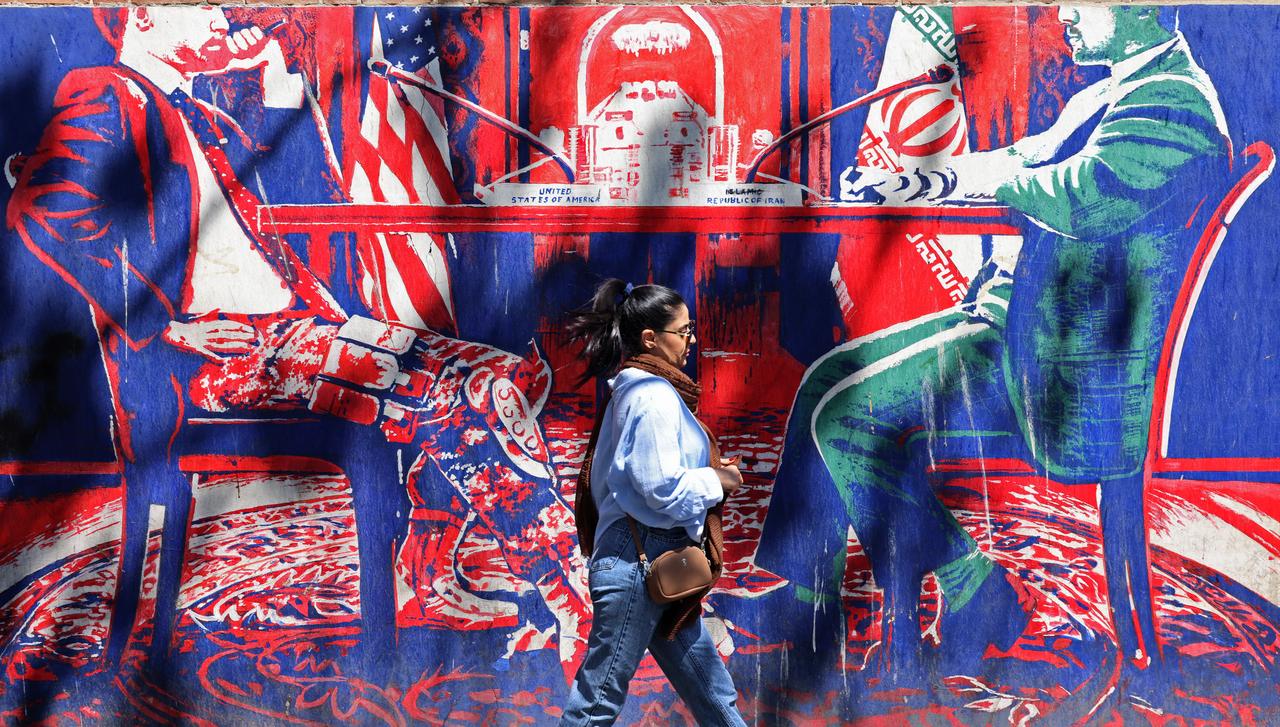

Two U.S. officials and a person familiar with the development told The Associated Press (AP) that both sides intend to hold a new round of face-to-face negotiations before the ceasefire expires next week.
A diplomat from one of the mediating countries went further, saying "Tehran and Washington have already agreed to a new round."
Islamabad was being discussed again as the host location, with Geneva also raised as a possibility.
"The timing has not been finalized but the talks could happen Thursday," the officials said. It was unclear whether the same level of delegation would attend.
Trump told reporters Monday that Iran had "called this morning" and that "they'd like to work a deal."
He added: "Iran and us have agreed on many points, but not nuclear, but I think they'll accept it. I'm sure of it. Iran cannot have a nuclear weapon. If they don't accept it, there will be no deal." Reuters could not immediately verify Trump's assertion about the call.
A U.S. official said there was "continued engagement between the U.S. and Iran and forward motion on trying to get to an agreement."
White House spokeswoman Olivia Wales said: "Iran can never have a nuclear weapon, and President Trump's negotiating team stuck to this red line and many others. Engagement continues toward an agreement."
Pakistan's Prime Minister Shehbaz Sharif said Monday: "I want to tell you that a full effort is still on to resolve the issues."
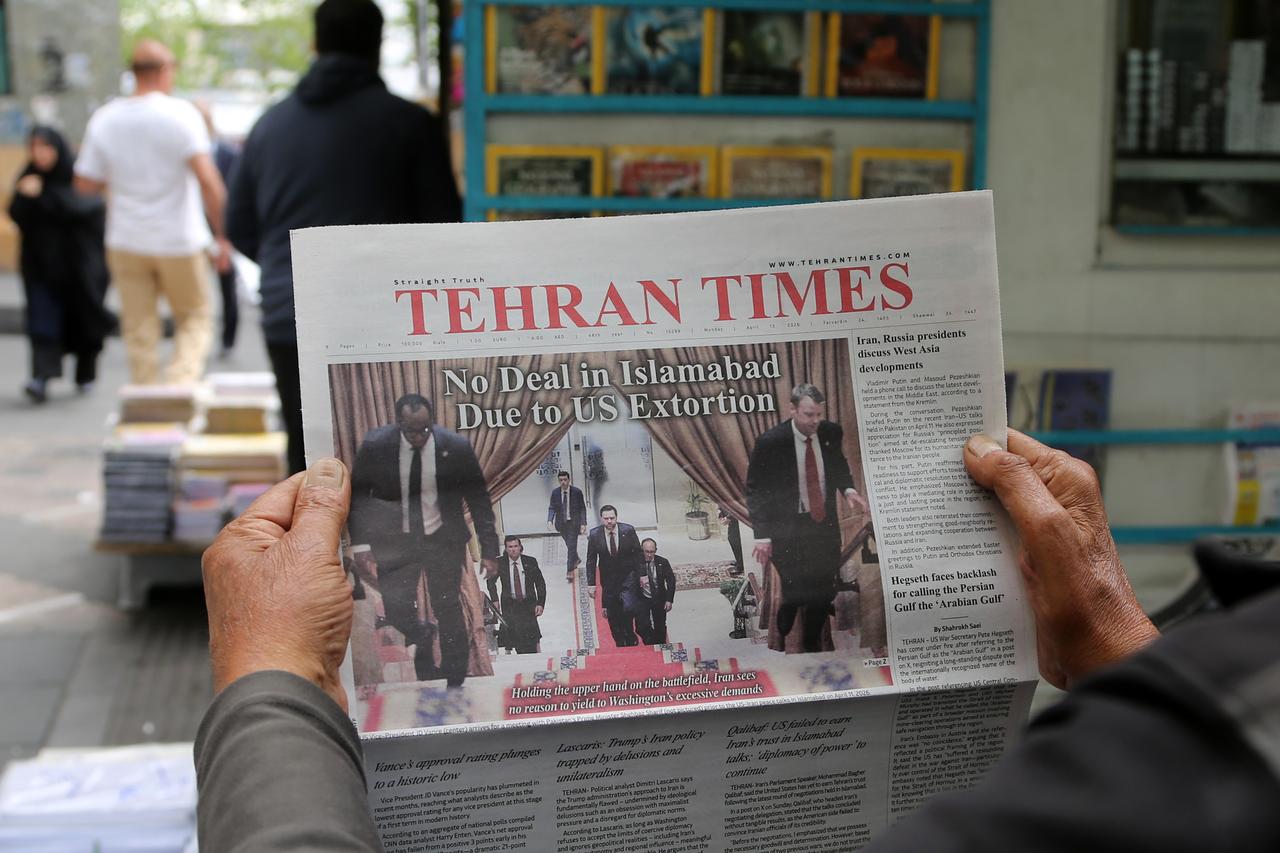
Reuters, citing 11 sources familiar with the negotiations, offered the most detailed account yet of what happened inside the Serena Hotel.
The talks unfolded across two separate wings and one common area, one for the U.S. side, one for the Iranians and one for trilateral meetings involving Pakistani mediators.
Phones were not allowed in the main room, forcing delegates, including JD Vance and Mohammad Bagher Ghalibaf, to step out during breaks to relay messages home.
"There was a strong hope in the middle of the talks that there would be a breakthrough and the two sides would reach an agreement. However, things changed within no time," a Pakistani government source told Reuters.
Another source involved in the talks said the parties came "very close" to an agreement and were "80% there" before running into decisions they could not settle on the spot.
Four of the 11 sources said at times the dialogue appeared close to producing at least a framework understanding, but unraveled over Iran's nuclear program, the Strait of Hormuz and the amount of frozen assets Tehran wanted access to.
"The most substantive exchanges in Islamabad were between Vance, Ghalibaf and Iranian Foreign Minister Abbas Araghchi," the Iranian sources said.
"There were ups and downs. There were tense moments. People left the room, and then came back," a security source said.
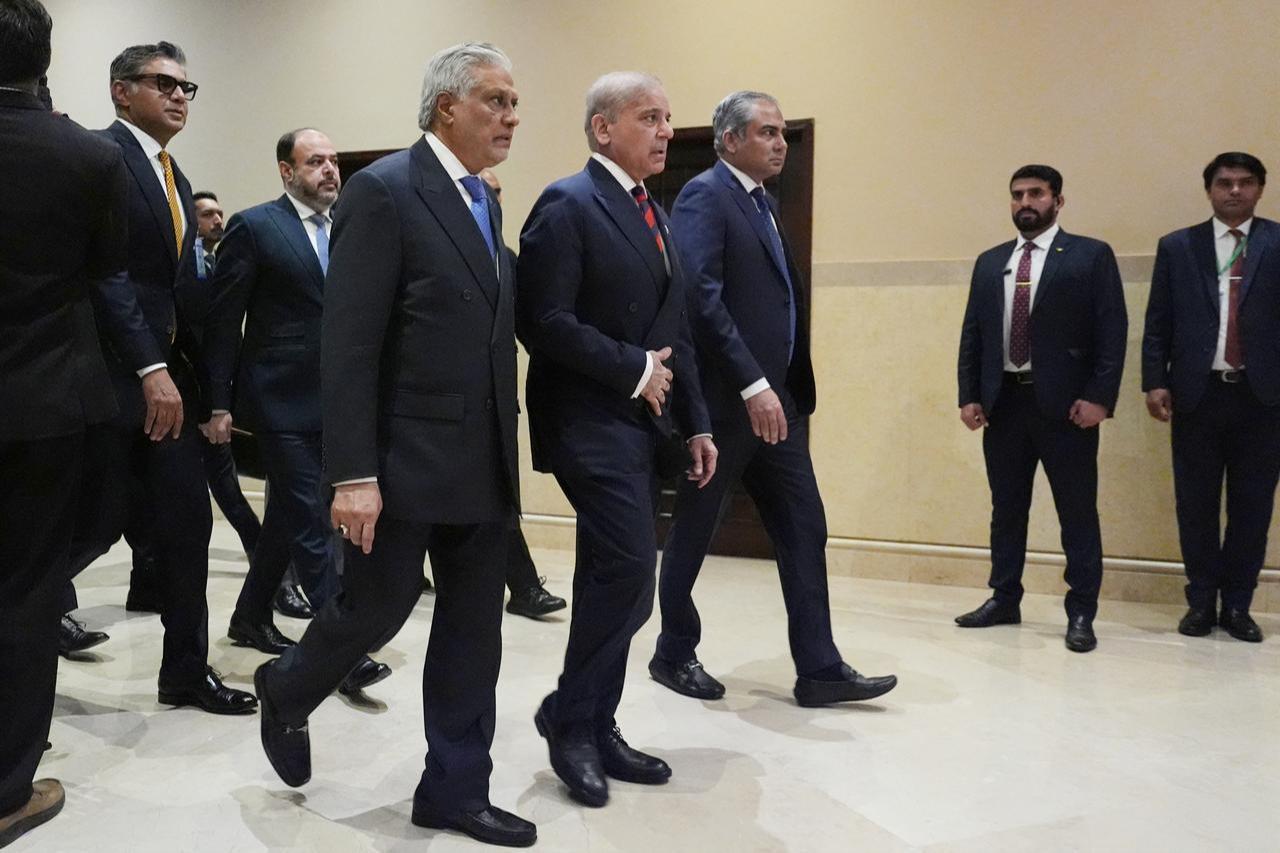
"When discussions moved to guarantees, non-aggression assurances and sanctions relief, the normally mild-mannered Araghchi's tone sharpened," the two Iranian sources who spoke to Reuters said.
The sources quoted him as saying: "How can we trust you when, in the last Geneva meeting, you said the U.S. would not attack while diplomacy was underway?"
The U.S.-Israeli attack on Iran began two days after the two sides held their previous round of talks in Geneva.
At one point, raised voices were heard outside the negotiating room before Pakistani Army Chief Asim Munir and Foreign Minister Ishaq Dar called a tea break and moved the two sides back into separate rooms.
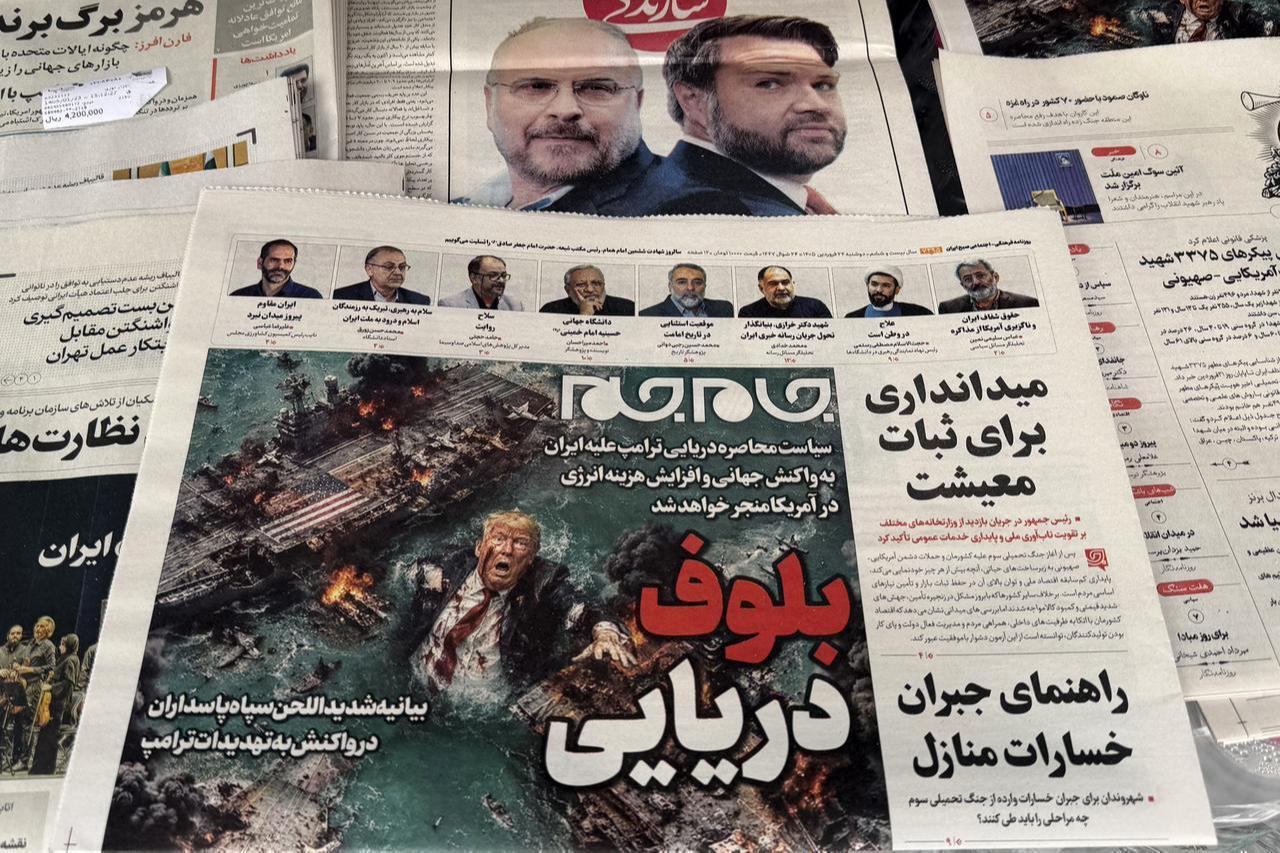
Reuters noted structural pressures on both sides.
U.S. strikes on Iran appear unpopular domestically and are unlikely to topple the Iranian government, while Tehran's choking of global energy supplies is pushing up inflation months before the U.S. midterm elections.
War damage to Iran's economy also risks weakening the leadership internally, just weeks after they suppressed protests with mass killings.
U.S. red lines articulated by a White House official include:
Iran's demands included a guaranteed permanent ceasefire, no future strikes on Iran or its allies, lifting of all primary and secondary sanctions, unfreezing of all assets, recognition of its enrichment rights and continued Hormuz control.
A Middle East-based diplomat said conversations between mediators and Washington continued after Vance left Islamabad, while Pakistan was still passing messages between the two capitals.


 Set as preferred source
 Set as preferred source


 4 min read