Newsletters




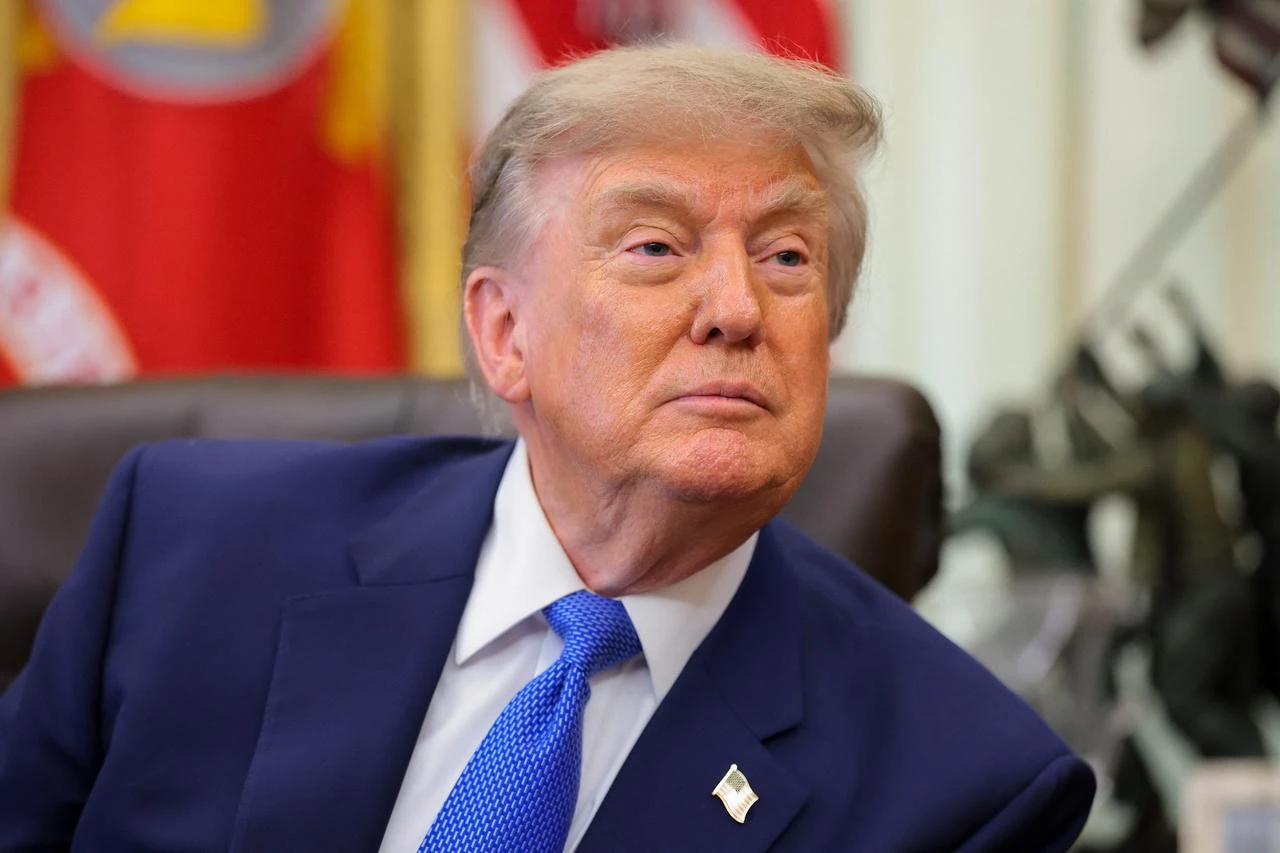
Pakistani government sources told Türkiye's state-run Anadolu Agency (AA) on Monday that mediators have not yet finalized a "date or venue" for the resumption of direct U.S.-Iran talks. That contradicts U.S. President Donald Trump, who said new negotiations would begin that afternoon.
"There is no meeting scheduled in Islamabad, at least in the next 24 hours," a senior Pakistani official told AA. The official was responding to Trump's statement that talks with Iran would start Monday afternoon.
Trump made the claim aboard Air Force One on Sunday.
He said he had decided to hold off on striking Iran, saying, "Would I rather make a deal? I'm not looking to kill people."
He did not name a venue or participants.
"Now what we're doing is talking to them, in the form of a negotiation. It begins tomorrow afternoon," he said.
Iran's Foreign Ministry rejected the claim.
Spokesperson Esmaeil Baghaei said Monday that Tehran is not in negotiations with the United States.
He said Iran had no meetings scheduled and no plans to host foreign delegations or send negotiators abroad. He added that all Iranian negotiators were in the country.
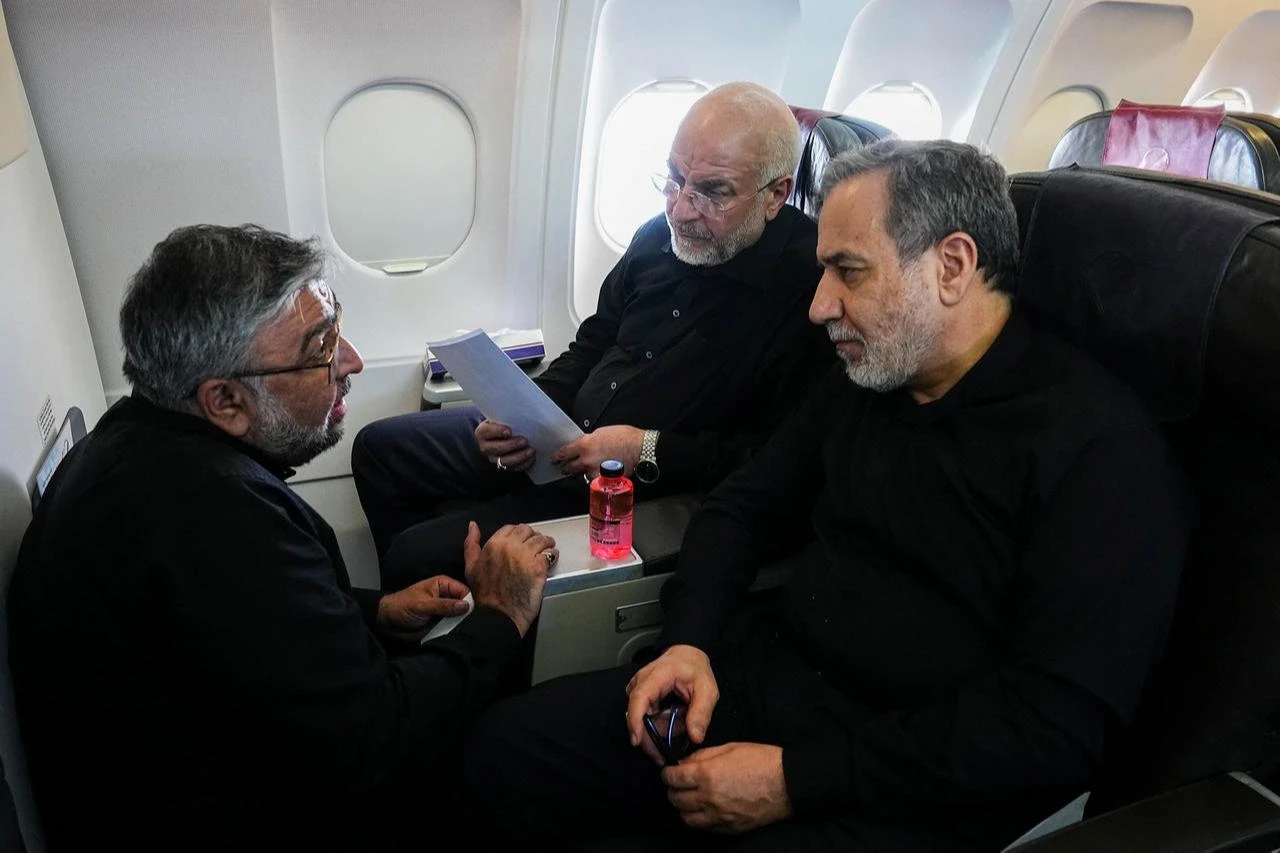
The exception is Foreign Minister Abbas Araghchi, who is on a religious pilgrimage in Iraq.
A senior Iranian source, who spoke to Reuters separately, said Iran is not planning any talks. The source said Araghchi would stay unavailable until at least the end of the week.
Pakistani and Qatari mediators are in contact with Washington and Tehran, the sources told Anadolu Agency. Their goal is to finalize a date and venue for direct talks.
"Islamabad and Doha are among the expected venues," the sources said.
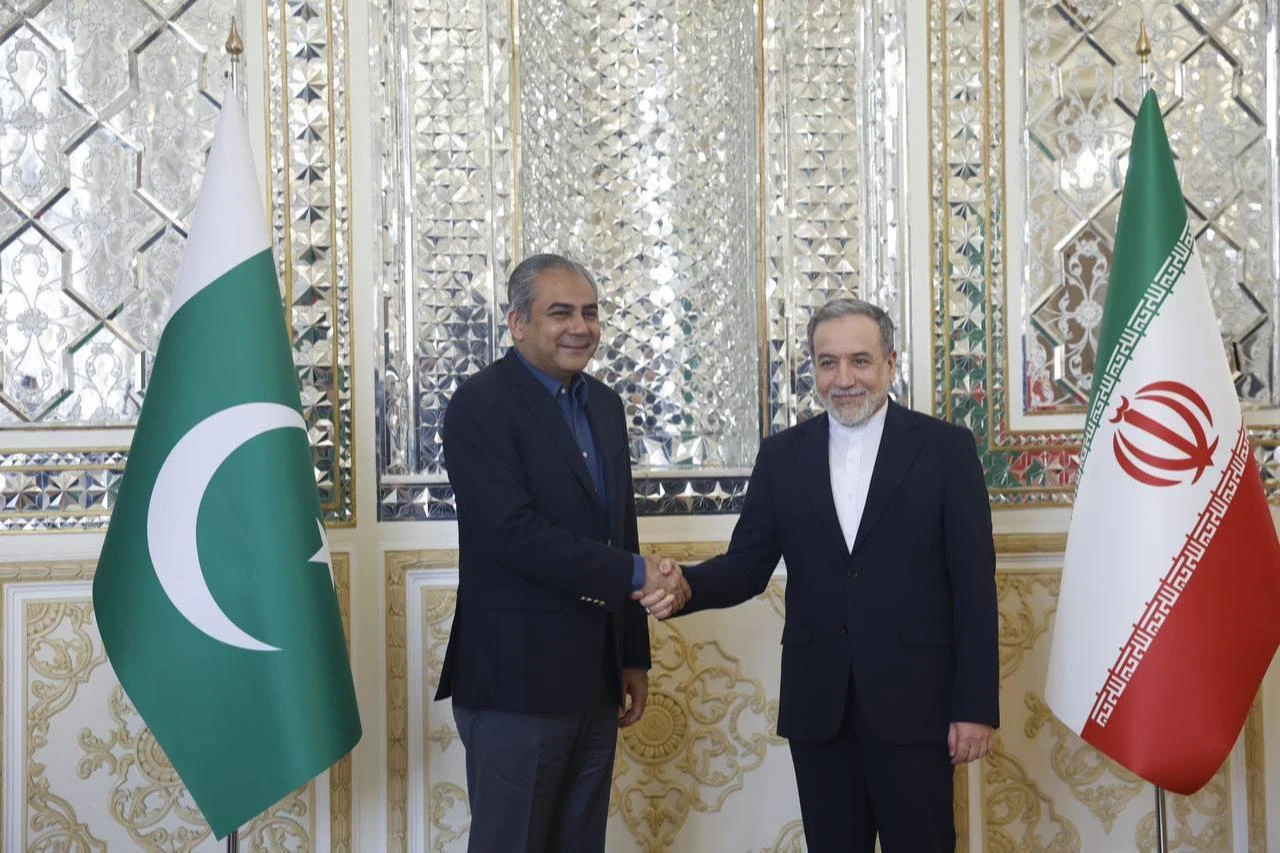
The sources said Pakistani Interior Minister Mohsin Naqvi would visit Tehran "in a day or two." The visit would discuss reviving the talks.
The sources said they expected "positive developments" this week. Both sides have exchanged messages through mediators, they said. The goal is to revive direct negotiations under the Islamabad Memorandum of Understanding (MoU).
The U.S. and Iran signed that memorandum on June 17. It set a 60-day window to negotiate a permanent settlement on issues including Iran's nuclear program.
Hostilities that began last month have clouded the agreement's future.

The sources cited by AA said the U.S. and Iran would hold indirect talks first.
The goal would be to reach a "minimum understanding" before direct talks resume.
"The nuclear issue would not be part of that first phase," the sources said.
"The prime focus will be on consolidating the latest pause in the hostilities and returning to the pre-July 9 position," one source said. That refers to a de-escalation formula. Pakistan and Qatar drafted it last month with input from regional partners.
Under that proposal, Iran would reopen the Strait of Hormuz. The strait handled one-fifth of global oil supplies before the war, the sources said. In return, Washington would lift its blockade of Iranian ports. No transit fee would apply to vessels using the strait until the sides reach a final agreement, the sources said. Implementing a ceasefire in southern Lebanon would also be high on the agenda, they added.
Speaking at a weekly press briefing Monday, Baghaei said Iran's only active talks are with Oman. Those talks cover management of the Strait of Hormuz.
"We are not currently negotiating with the United States. Our negotiations are with Oman to secure passage through the Strait of Hormuz," he said.
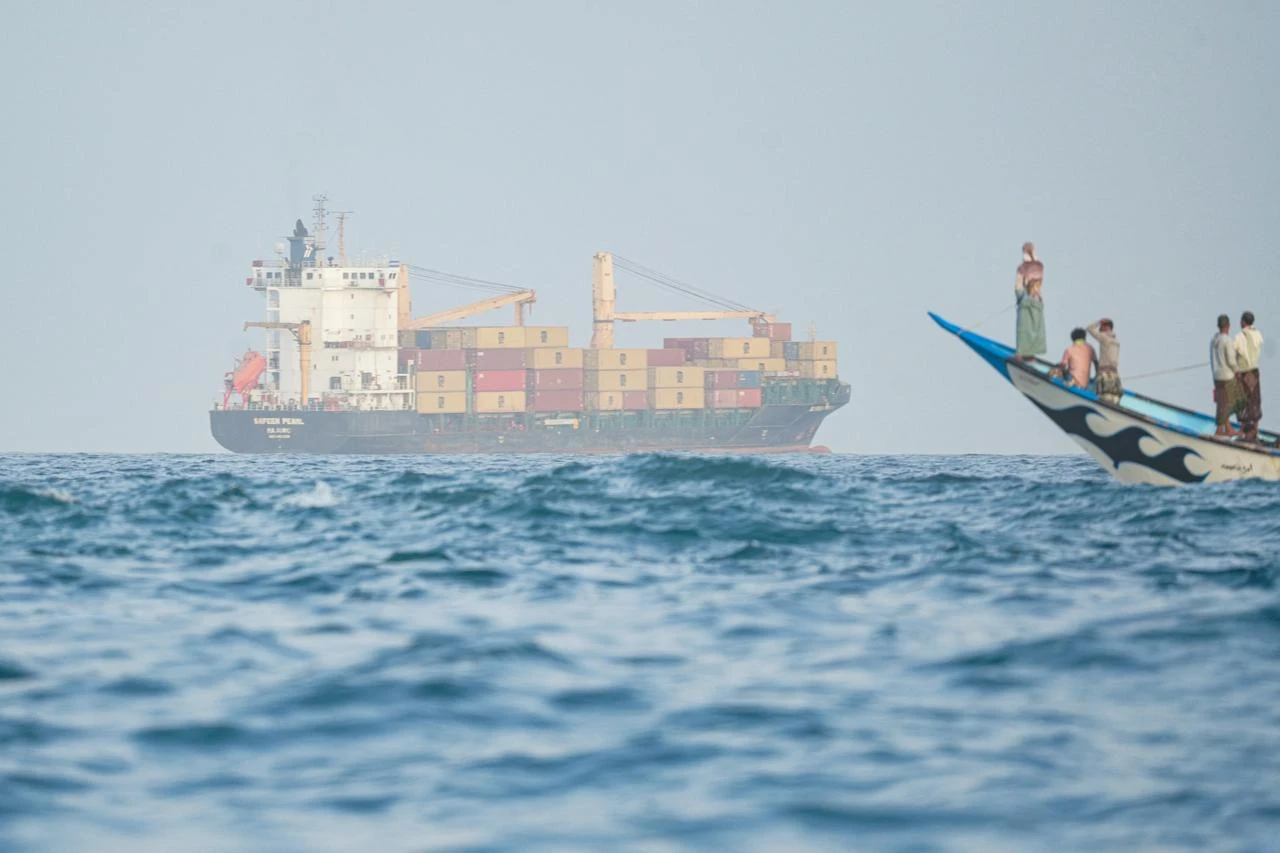
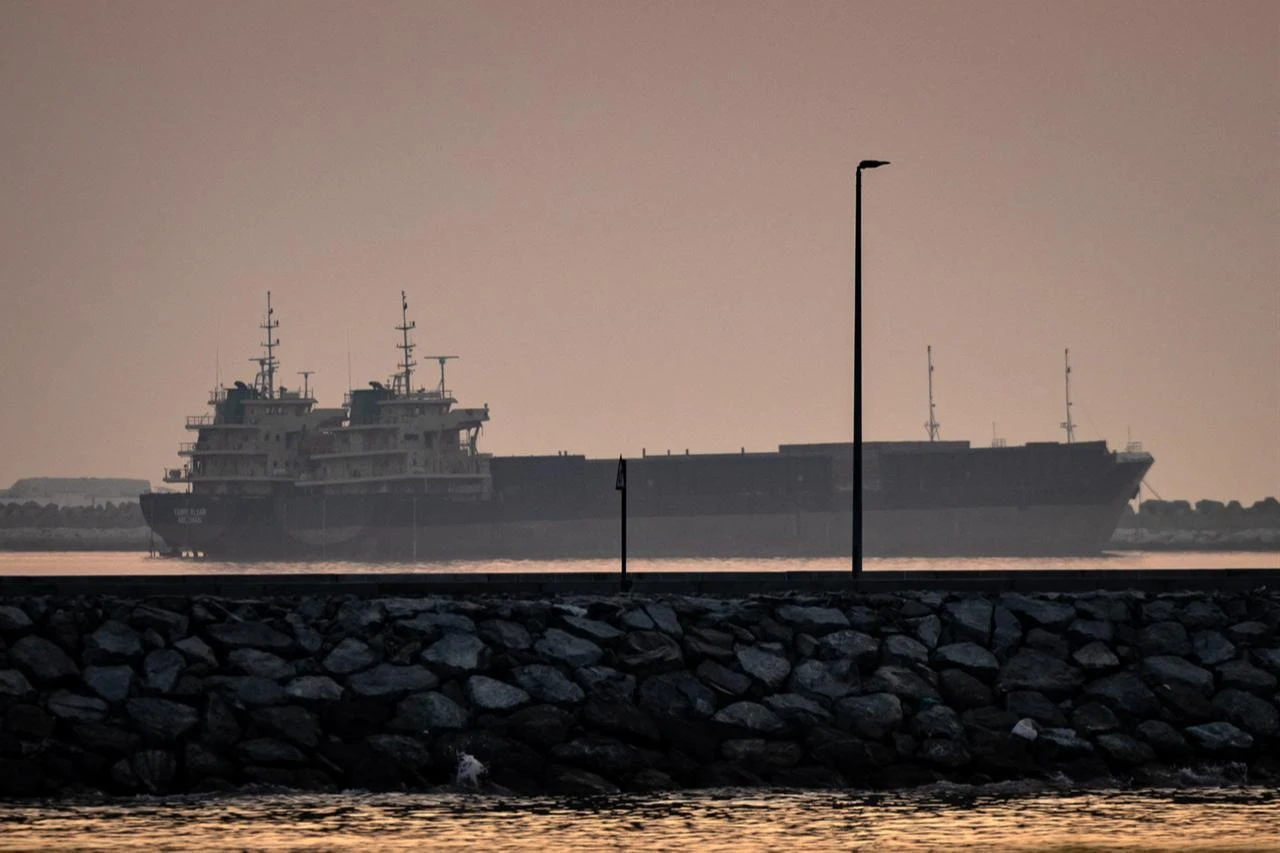
Iran has controlled the strait since the war began on February 28, according to the ministry. Tehran has required ships transiting the waterway to use an Iran-designated route. Vessels must request permission and pay service fees, the ministry said.
Baghaei called the talks with Oman "constructive."
He said they aim to reach an agreement on a new route, saying, "We hope that both regional and extra-regional actors will appreciate this responsible move by Iran and adopt a constructive approach."
He also repeated Iran's position that the situation in the strait will not change while the U.S. naval blockade on Iranian ports continues.
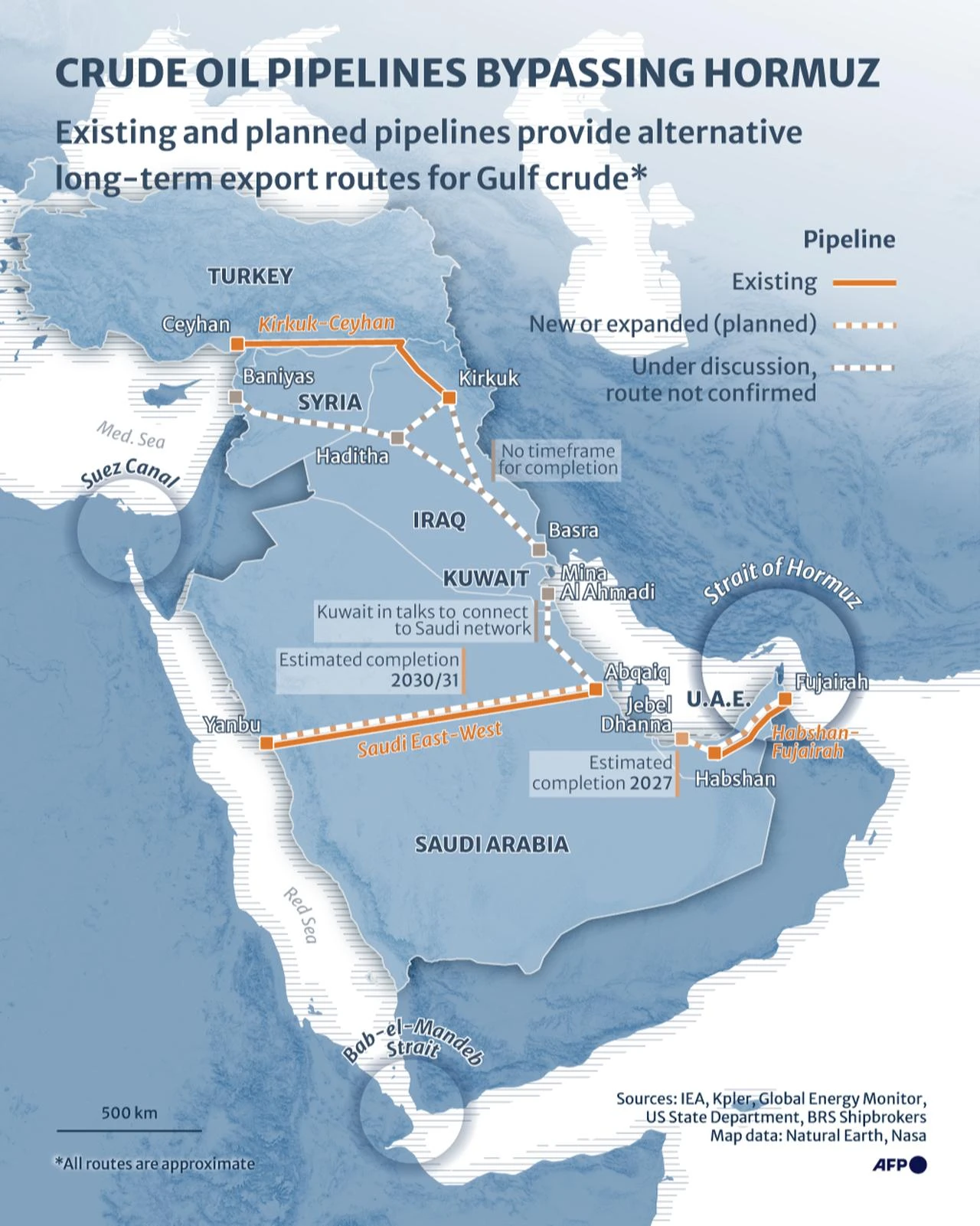
The dispute over Hormuz sits at the center of the broader talks.
Washington says the June memorandum required Iran to open the strait. Tehran says the text preserved its authority over shipping traffic there.
Under normal conditions, ships pass through Hormuz using a Traffic Separation Scheme.
That system uses two-mile-wide lanes for entering and leaving vessels, separated by a buffer zone, according to AA. The months-long conflict has disrupted that system and raised the stakes around any new arrangement.
Oman has proposed a joint mechanism modeled on the Strait of Malacca, where Indonesia, Malaysia and Singapore cooperate on safety without a shared authority.
Iran rejected an early 50-50 version of that plan.
Iranian Deputy Foreign Minister Kazem Gharibabadi said Tehran instead wants to manage its own side of the strait, while Oman would oversee only part of the opposite lane, giving Tehran a role in both inbound and outbound traffic.
Monday's developments fit a pattern seen since Trump launched "Operation Epic Fury" alongside Israel more than five months ago.
Trump has repeatedly threatened military action, only to later cite diplomatic contacts as a reason to step back.
Iran has publicly rejected talks with Washington since the June memorandum collapsed in early July.
Trump has yet to meet the objectives he set at the war's outset.
Dismantling Iran's nuclear program, limiting its ability to strike regional rivals, and creating conditions for Iranians to challenge their clerical government.
Each U.S. escalation has drawn an Iranian response against American forces, Gulf Arab allies and shipping, with Trump, as described by Reuters, stepping back each time. So far, the U.S. has not compelled Iran to give up control of the waterway, pushing global oil prices and U.S. gasoline prices higher.


 Set as preferred source
 Set as preferred source


 2 min read