Newsletters


Iran's parliament speaker and chief negotiator Mohammad Bagher Ghalibaf warned Tuesday that no infrastructure in the region would be safe if Iran's security is not guaranteed, as Tehran awaits Washington's response to its plan to reopen the Strait of Hormuz.
"In a region where we cannot sell oil, no one else will sell oil either; or if our security is not guaranteed, no infrastructure will remain safe," Ghalibaf said in a statement on his Telegram account.
The warning echoes recent statements by Iranian officials threatening regional trade and air travel if Iran is excluded, as a U.S. naval blockade chokes its oil exports and Qatari mediators shuttle proposals between Tehran and Washington.
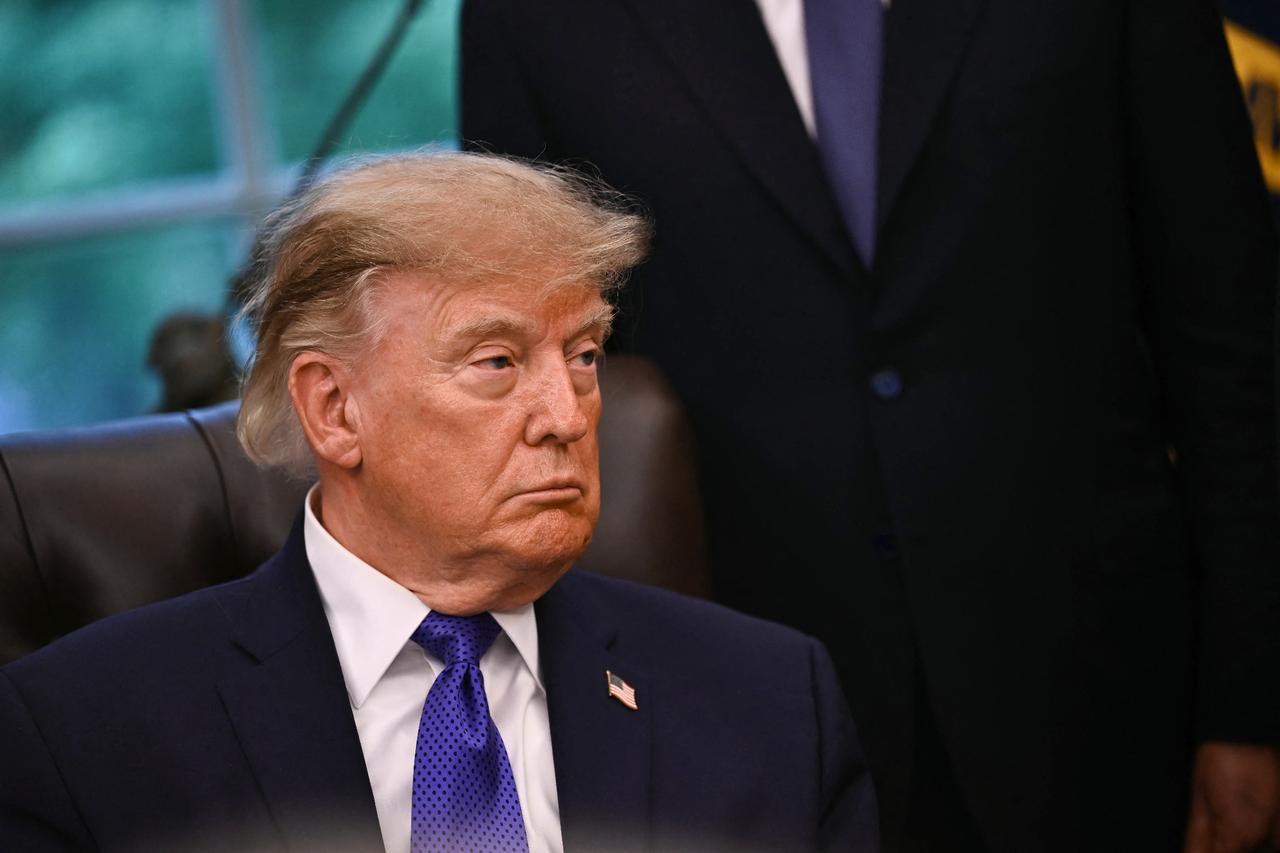
Speaking in an open session of parliament, Ghalibaf dismissed U.S. President Donald Trump's claims that Washington controls the Strait of Hormuz.
"The delusional U.S. president recently made rhetoric about the Strait of Hormuz and the passage of ships through this strait, which is a repetition of previous claims, and the truth of these baseless positions is known to all," he said.
"Both the Americans and other countries should know: as we said before, in a region where we do not sell oil, no one will sell oil, and if our security is not ensured, no infrastructure will be safe," the Iran's top negotiator stated.

"A nation that has such a brilliant and deep-rooted history must never be frightened by siege and threats," he said, adding, "If the calculating apparatus of the American enemy does not understand this fundamental truth, it will remain trapped in the cycle of receiving heavy slaps from the Iranian nation."
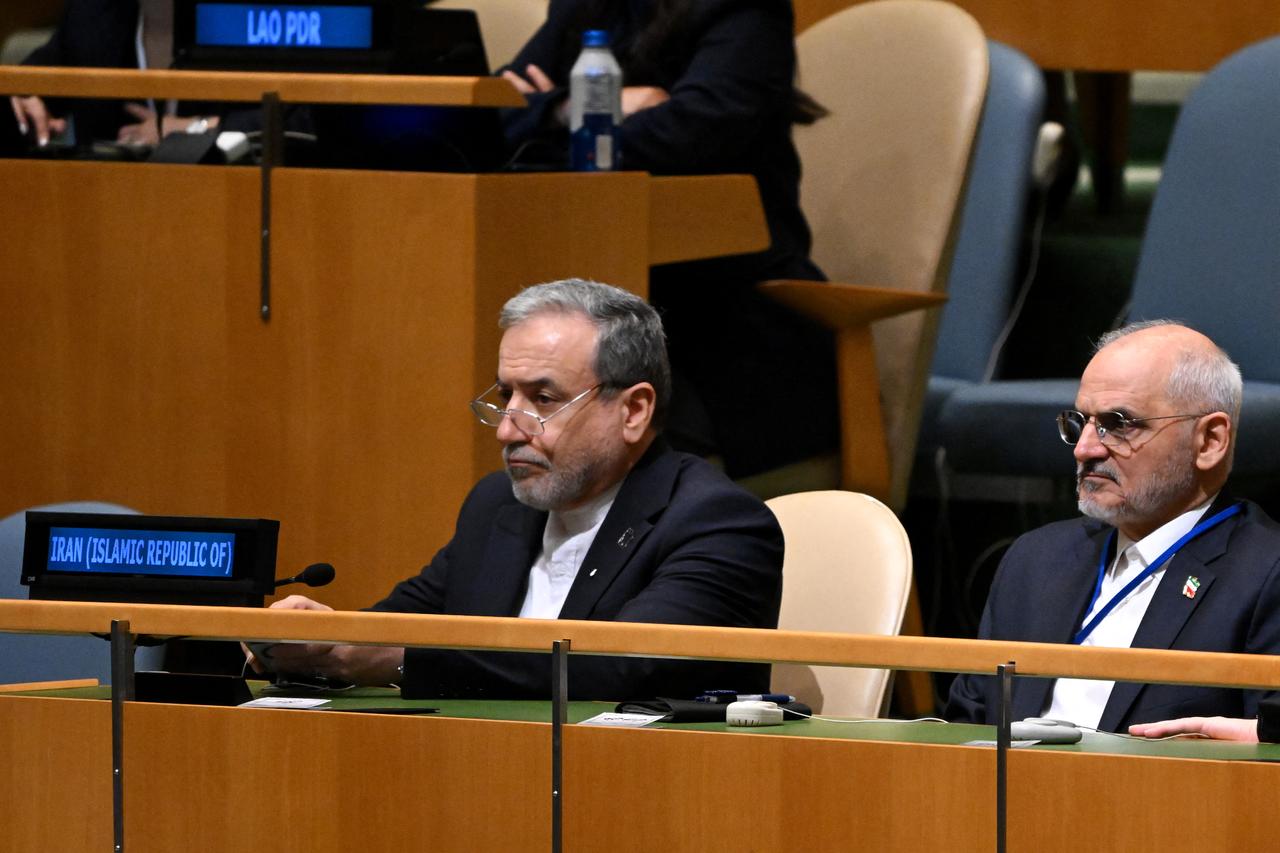
He said Trump's remarks at the U.N. General Assembly (UNGA) showed that Washington "has not yet changed its behavior."
Iran would respond in kind if the U.S. changed its hostile stance, he said, using the Persian expression "You turn, we turn."
"The Americans should know that the era of intimidation and threats to destroy this civilized nation is over," the Iranian official said, noting, "The Islamic Republic of Iran's response to any aggression and adventurism will be a response that is harsh, regret-inducing, precise and swift."
Foreign Minister Abbas Araghchi announced on Tuesday that Qatari mediators had presented ideas on meeting Iran's conditions and would raise them with Washington, with a final U.S. response expected on Tuesday.
"At the moment, the only issue is the Strait of Hormuz. The opening of the Strait of Hormuz is contingent on the fulfillment of a set of conditions that we have announced to the other side," Araghchi said.
"I firmly state that there has been no change in Iran's positions," he added.
Trump on Monday denied reports by Axios and CNN that he was willing to ease sanctions and release frozen Iranian funds in return for concrete nuclear steps.
"This is untrue. I offered them NOTHING!" he wrote on Truth Social.
Oil prices rose for a second straight session Tuesday amid lingering concern over Middle East supply, Reuters reported.
Ghalibaf's warning follows similar remarks by army chief Amir Hatami, who said Sunday that "if Iran cannot trade, if Iran cannot live, no one will be able to trade or live."
The U.S. and Israel launched large-scale attacks on Iran in February, targeting government buildings, military sites, missile infrastructure and air defenses, prompting Iranian missile and drone strikes against Israel and U.S. bases across the region.
The conflict has since expanded across the region, with diplomatic efforts continuing to end the hostilities.
The ongoing war with Iran, now in its seventh month, has claimed the lives of 18 U.S. service members and triggered sustained volatility across global energy routes.


 Set as preferred source
 Set as preferred source


 1 min read
 1 min read