

 Newsletters


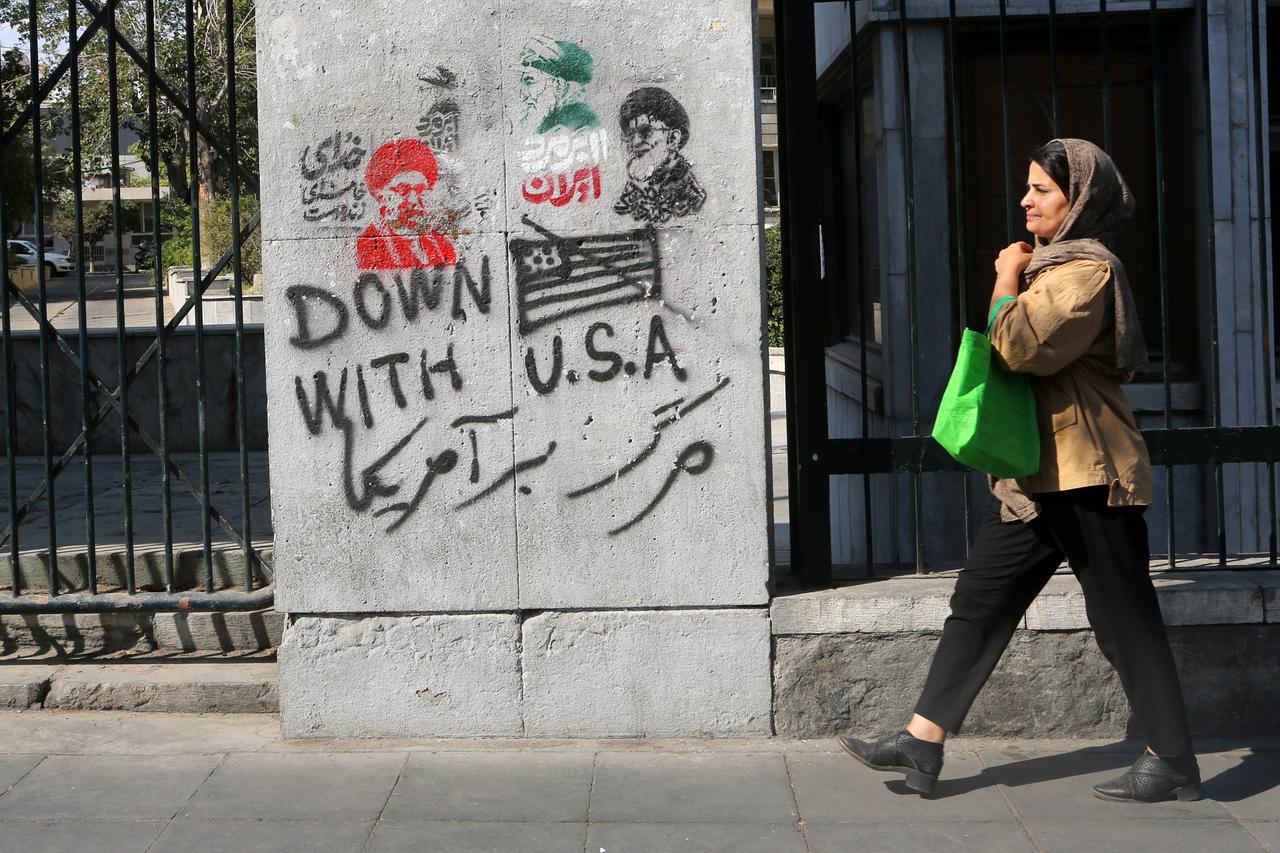


Mohsen Rezaei, secretary of Iran's Supreme National Security Council, rejected any talks with the United States on Tuesday after U.S. President Donald Trump said he was open to resuming discussions.
This comes as Iran's military issued a nationwide directive outlining preparations for three possible scenarios ranging from the war's end to full-scale conflict.
"Don't get distracted by the U.S. president's mixed signals, from 'no negotiations' to 'we're ready to talk.' The stakes around oil and the straits have changed. Damage control won't stop what's coming. No talks until Iran's conditions are met. Period!" Rezaei wrote on the social media platform X.
Rezaei's remarks came after Trump, who had spent weeks saying it was too early to negotiate an end to the war, said Monday he was open to talks.
"The failing Nation of Iran wants to make a deal, quickly and badly. I will determine whether or not the U.S.A. will choose to engage, The concept of which we are open to," Trump wrote on Truth Social.
Iranian officials have repeatedly said that resuming talks with Washington requires the U.S. to lift its naval blockade and economic sanctions, release frozen Iranian assets, and end Israeli attacks on Lebanon and Gaza, conditions they say were part of a Memorandum of Understanding (MoU) signed between the two countries on June 17.
Iran has also demanded war reparations as a precondition for ending the conflict and its blockade of the Strait of Hormuz.


Separately, Iran's Armed Forces General Staff issued a nationwide passive defense directive outlining preparations for three possible scenarios: the end of the war, a ceasefire without a definitive resolution, and full-scale war, according to Iran's Fars News Agency.
Maj. Gen. Ali Abdollahi, chief of staff of the Iranian Armed Forces and chairman of the country's Permanent Passive Defense Committee, issued the 10-article directive for Iran's 2026 Passive Defense Commemoration programs.
Under the full-scale war scenario, the directive calls for suspending large public gatherings and in-person events, shifting focus instead to operational preparedness, continuity of essential services, resource management, public assistance and coordination among relevant agencies.
In the event of a ceasefire without a definitive end to hostilities, the directive prioritizes public preparedness, vigilance against hybrid warfare and information security.
The end-of-war scenario provides for full implementation of planned exercises, training and public programs.
The directive also calls for operational plans to be updated based on lessons drawn from what it describes as Iran's "second and third imposed wars."
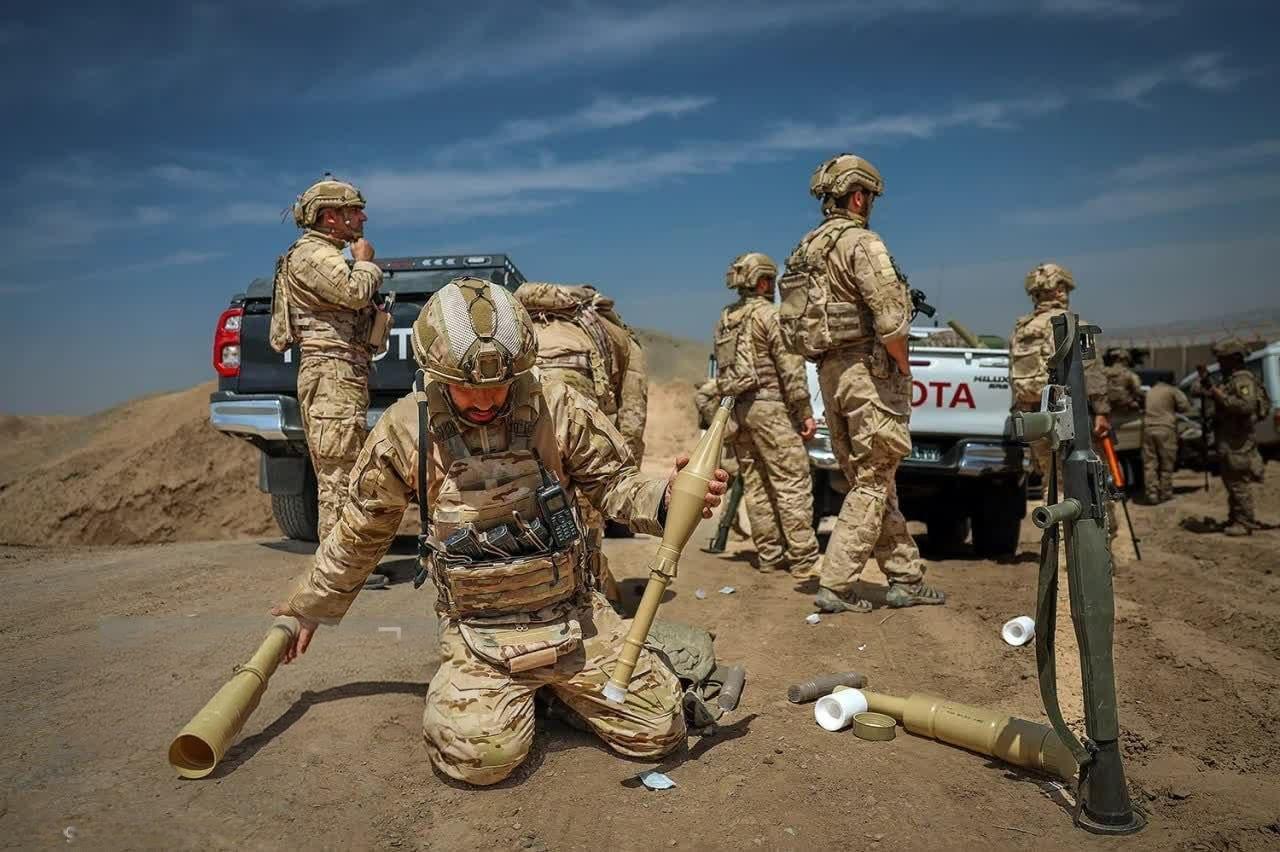
Iran has issued similar directives for its annual Passive Defense Commemoration in past years, including 10-article instructions in 2024 and 2025 focused on public preparedness and protecting critical infrastructure.
The latest directive, however, comes amid the ongoing war with the U.S. and explicitly sets out measures tailored to three distinct conflict scenarios, a departure from prior years' more general guidance.
The U.S. and Israel launched large-scale attacks on Iran on Feb. 28, targeting government buildings, military sites, missile infrastructure and air defenses.
Iran responded with missile and drone attacks against Israel and U.S. bases across the region.
The conflict has since expanded across the region, with diplomatic efforts periodically seeking to end the hostilities.
Before the current war, Iran and Israel had also fought a 12-day war in June 2025 that ended with a U.S.-sponsored ceasefire.


 Set as preferred source
 Set as preferred source


 1 min read
 1 min read


