Newsletters


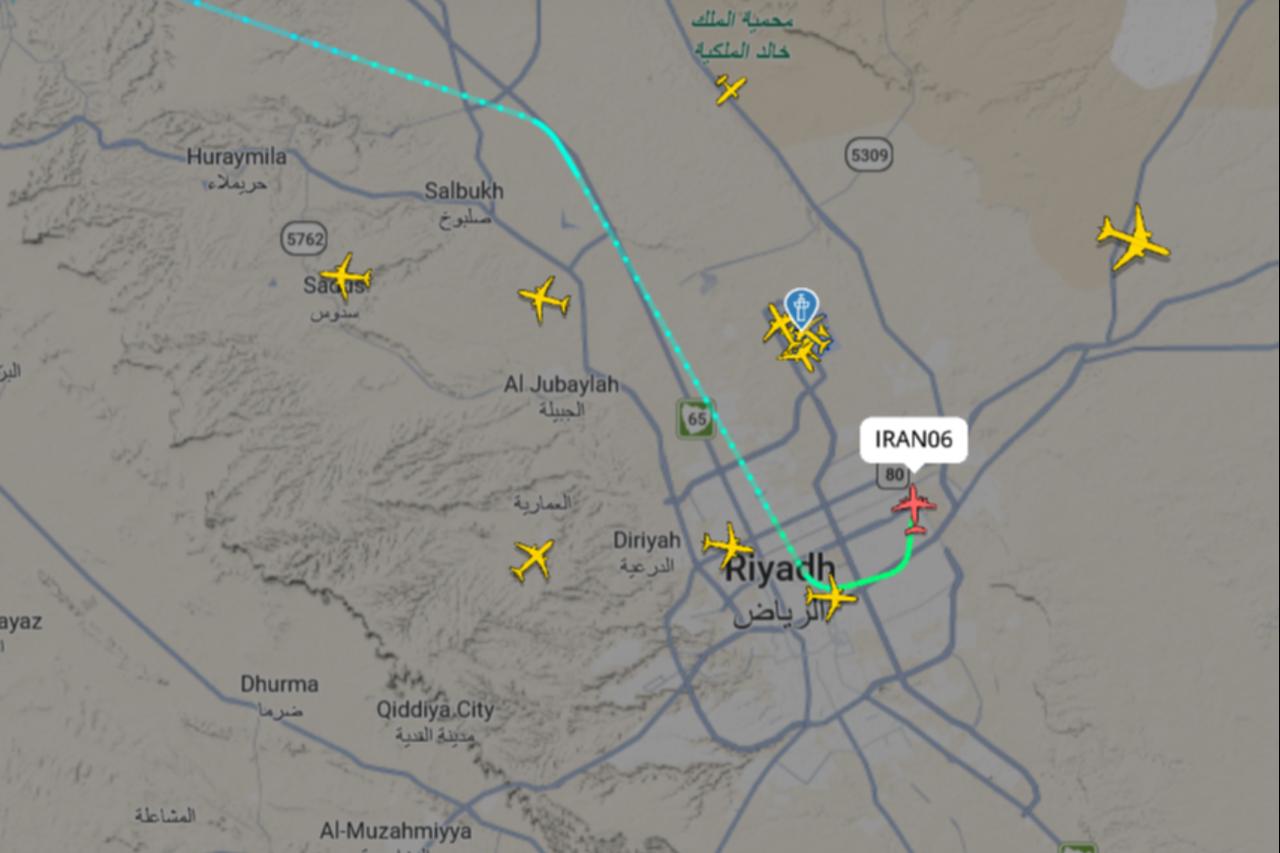


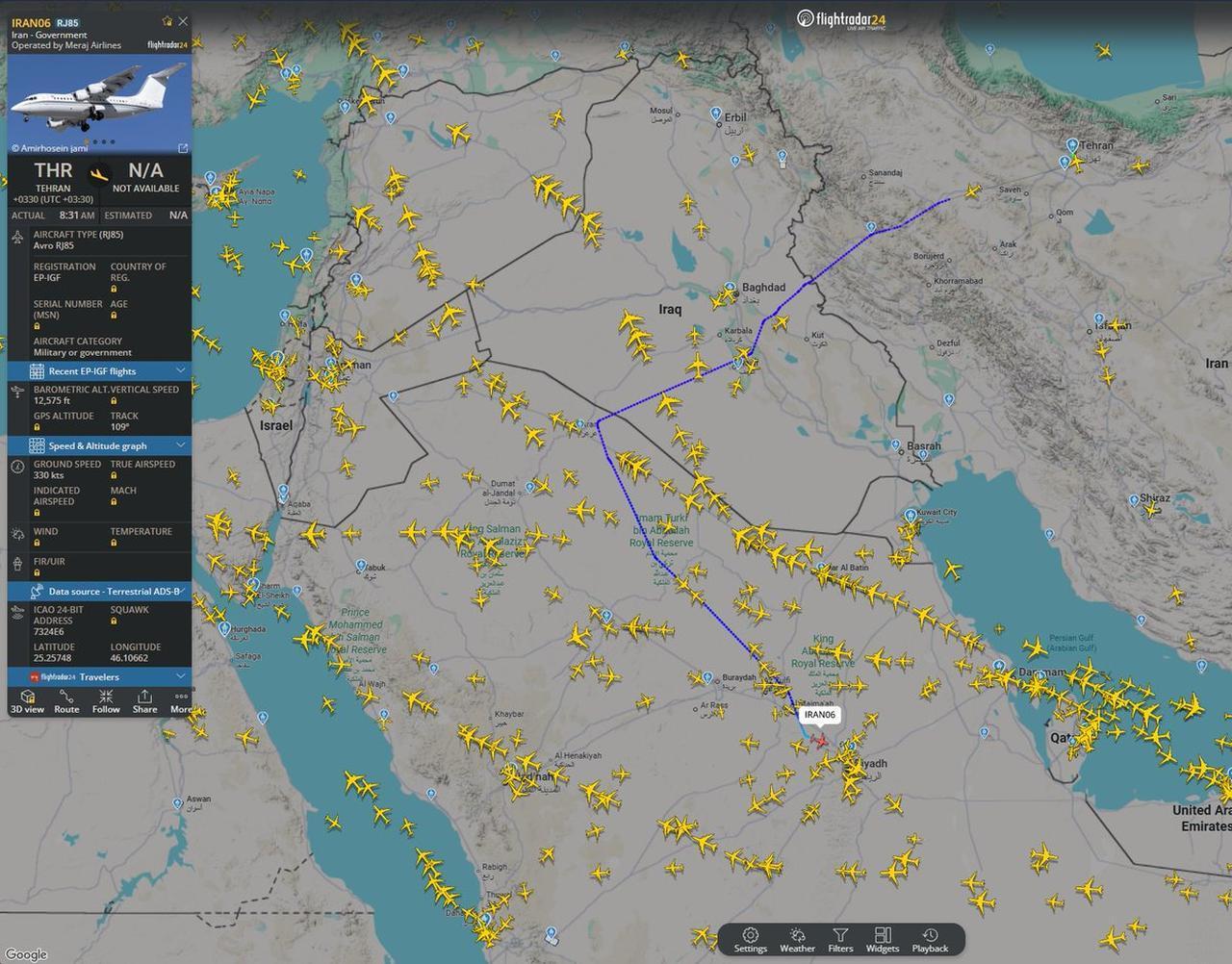
An Iranian government aircraft carrying the callsign IRAN06 landed in Riyadh on Tuesday, marking a rare moment of direct contact between Tehran and the Saudi capital amid escalating conflict between Saudi-backed Yemeni forces and Iran-aligned Houthis.
The aircraft's callsign has previously been associated with flights carrying senior Iranian officials, including the country's interior minister, defense minister, armed forces chief of staff, and members of the Supreme National Security Council.
Flight-tracking observers noted that IRAN06 specifically corresponds to Iran's armed forces chief of staff under a widely used guide to Iranian government callsigns, in which IRAN01 is reserved for the supreme leader (never spotted flying commercially tracked routes), IRAN02 for the president, IRAN03 for parliament, IRAN04 for the vice president or judiciary, and IRAN05 for the foreign minister.

The flight comes as tensions between Riyadh and Tehran-aligned forces have risen sharply in recent weeks.
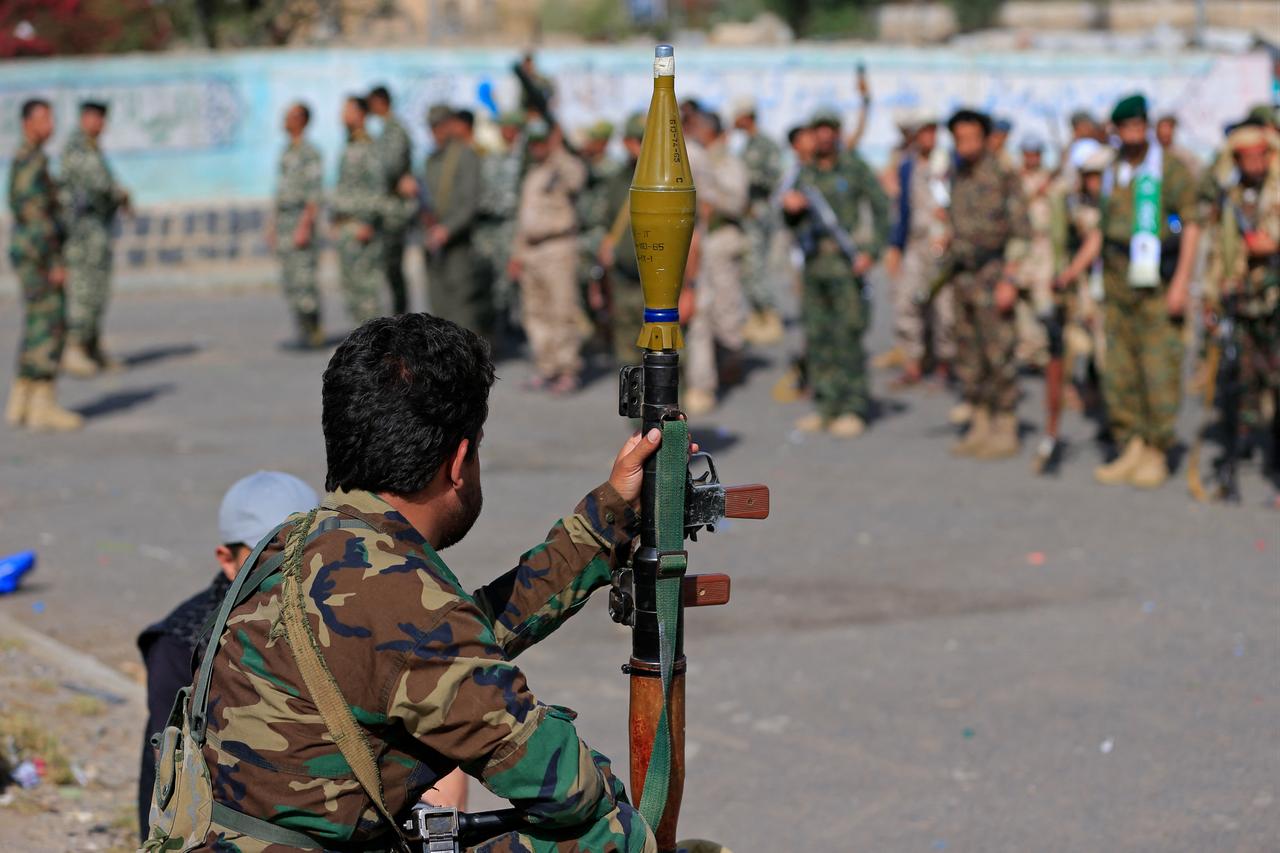
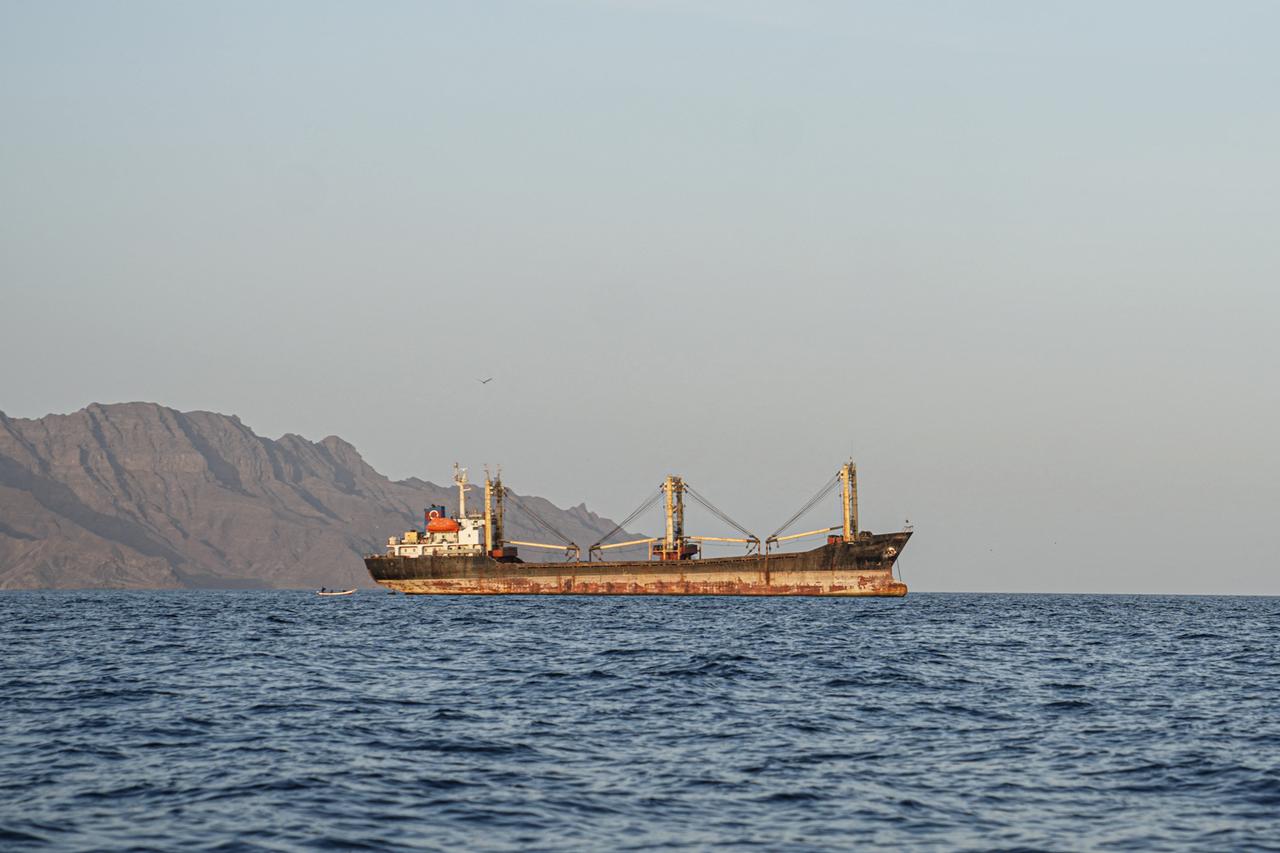
Saudi oil facilities have been struck by Iran-backed forces operating from Yemen and Iraq, while Yemen's Houthis have imposed a blockade on Saudi shipping and seized control of the country's Red Sea coast from the Saudi-backed government.
Saudi Arabia warned Tuesday it would react "firmly" to the Houthis after a fresh wave of ballistic missile and drone attacks wounded 13 civilians in the kingdom's south.
The Houthis claimed a new "large-scale" attack using "dozens of ballistic missiles and drones" against the King Khalid airbase in Khamis Mushait, targeting aircraft hangars, radar systems, runways and ammunition depots.
A resident of Khamis Mushait told Agence France-Presse (AFP) he heard "intense blasts" that left fires burning for hours: "Honestly, we couldn't sleep at all."
The Riyadh-led coalition confirmed missile and drone attacks Monday on Khamis Mushait, Abha and Taif, reporting 13 wounded, and said it would respond "firmly to protect the sovereignty of the Kingdom" and take "all necessary operational measures to deter this ... hostile and extremist approach."
Saudi forces struck back with more than 50 strikes, according to the Houthis. Hazem al-Assad, a member of the Houthi politburo, said the group's response "will continue and escalate as long as they (Saudi Arabia) persist in their aggression against our people."
Saudi civil defense briefly issued air-raid alerts in six regions early Tuesday before lifting them.
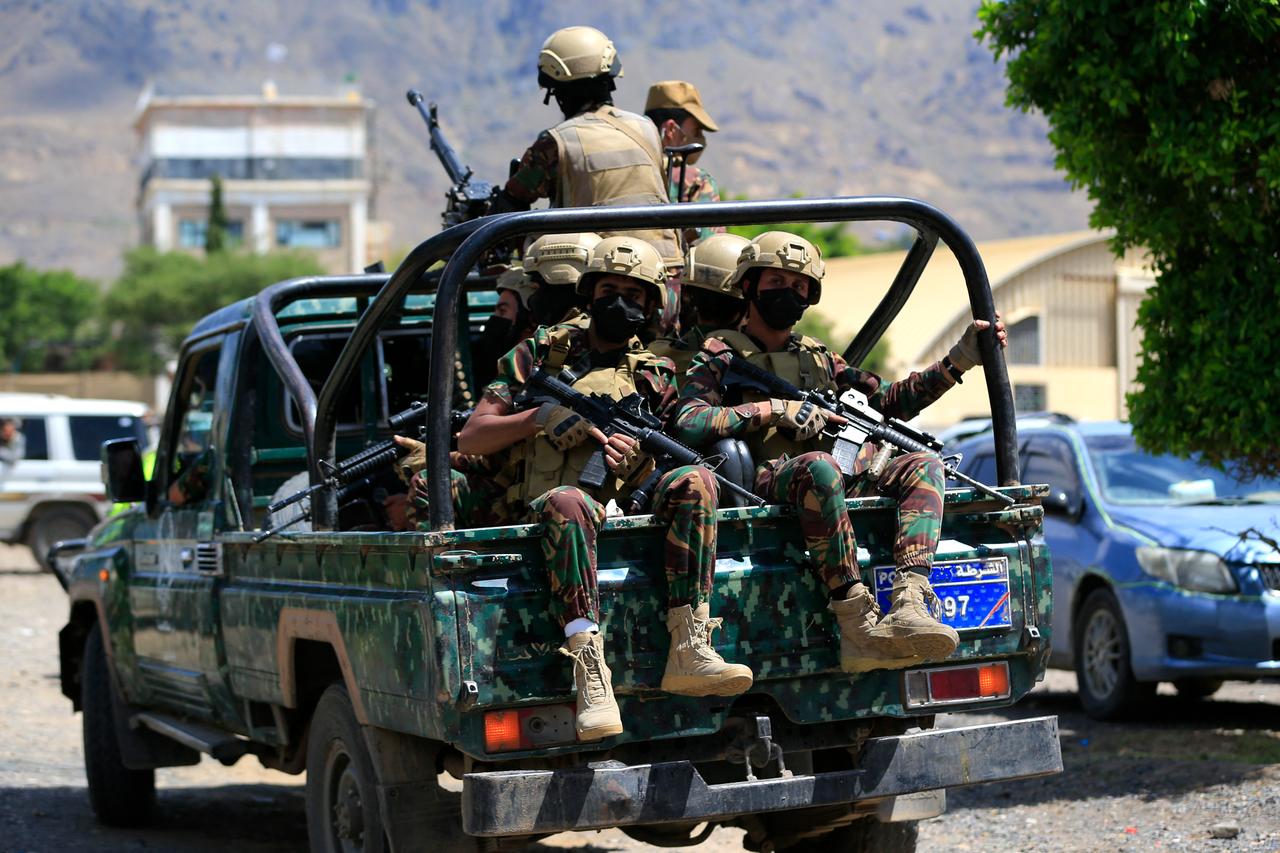
Yemen's government-aligned National Resistance Forces said Monday that the Houthis mobilized more than 76,000 personnel during recent battles along the western coast, claiming the operations involved "Iranian and Lebanese experts" working to seize control of the Bab el-Mandeb Strait.
Spokesperson Maj. Gen. Sadiq Dwaid said the operations were "planned and prepared months in advance" and executed "under the direct orders of Iran's Islamic Revolutionary Guard Corps (IRGC)," with Iranian and Lebanese experts participating in their management.
Dwaid said his forces, defending a 170-kilometer front, faced 130 ballistic missiles, 145 suicide drones and 15 explosive-laden boats launched by the Houthis between Aug. 9 and Sept. 9.
Iran has denied any role in directing the fighting.
"Iran does not interfere in Yemeni affairs," Foreign Ministry spokesman Esmail Baghaei told reporters Monday, describing the Houthis as "entirely independent actors who make their decisions based on their own interests."
Analysts have disputed the extent of Iran's involvement in the renewed fighting, even as Tehran has long supported the Houthis, a member of its self-described "axis of resistance," with weapons and technology.
The Houthis seized Yemen's capital, Sanaa, in 2014 at the outset of the country's civil war, driving the government to Aden in the south.
Saudi Arabia has led a coalition supporting the government since 2015, though the conflict had largely quieted under a ceasefire in recent years before reigniting this year.


 Set as preferred source
 Set as preferred source


 1 min read
 1 min read