Newsletters


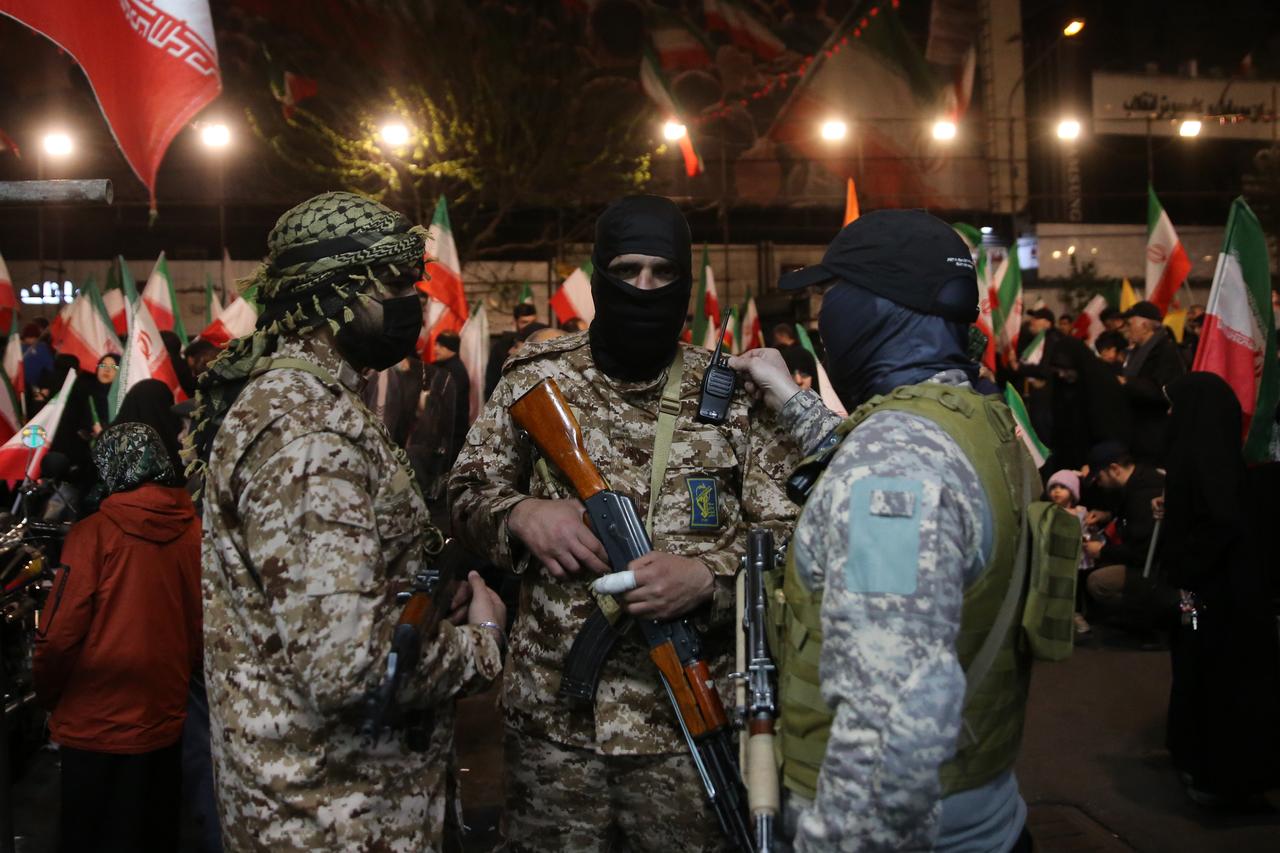


Iran's Army Commander-in-Chief Major General Amir Hatami ordered operational headquarters on Thursday to monitor "enemy movements with utmost pessimism and accuracy."
He warned that "not a single person should survive" if the United States attempts a ground operation, as data compiled by Türkiye's state-run Anadolu Agency (AA) showed Iran has launched at least 5,735 missiles and drone strikes across seven Arab countries in 33 days of war.
"It is necessary to monitor the movements and actions of the enemies moment by moment with utmost accuracy and implement plans to counter the enemy's methods of attack at the appropriate time," Hatami said, according to Iran's semi-official Tasnim news agency.
"If the enemy attempts to carry out ground operations, not a single person should survive," he said.
State media shared footage showing Hatami in a meeting room with three other army commanders and on a video call with about a dozen others.
Hatami said Iran's military was working to lift the shadow of war from the country and that security must be ensured for all. He said Iran would not allow a situation "where some places are safe while our people are not secure."
His remarks came as Trump has signaled that the conflict is "nearing completion" and could end in two to three weeks. But the parallel buildup of U.S. forces in the region has raised concerns in Tehran that ground operations may be under preparation.
Iran's Foreign Minister Abbas Araghchi said in an Al Jazeera interview on Wednesday that Iran was "even more expert and better equipped in ground warfare" and warned potential invaders: "We are waiting for them... they will incur heavy losses."
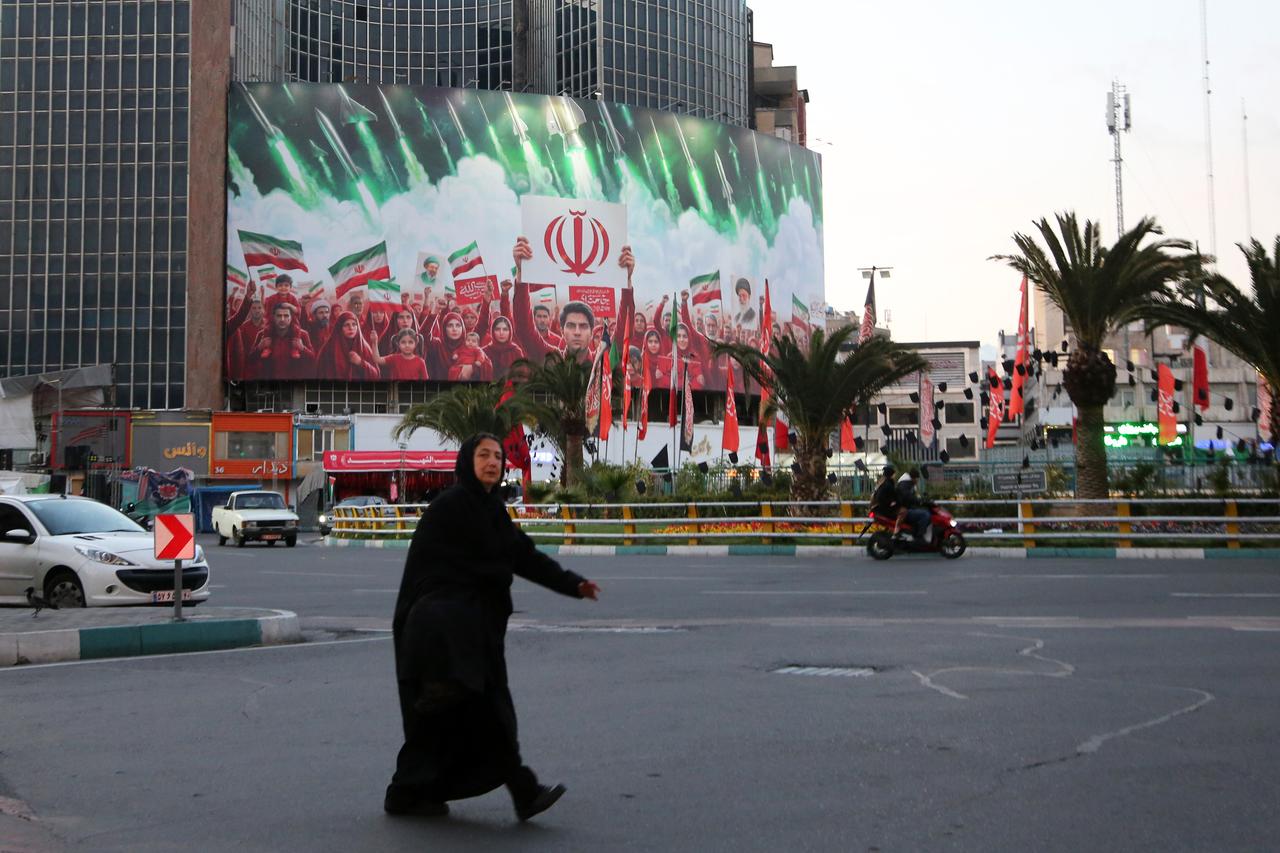

Data compiled by AA from the defense ministries and information centers of targeted countries revealed the scale of Iran's retaliatory campaign since Feb. 28:
The UAE was the hardest hit, with its defense ministry reporting it had intercepted 438 ballistic missiles, 19 cruise missiles and 2,012 drones.
The data showed approximately 15% of Iran's strikes were directed at Israel.
The U.S. and Israel launched their joint offensive on Iran on Feb. 28, killing over 1,340 people, including then-Supreme Leader Ali Khamenei and numerous senior officials.
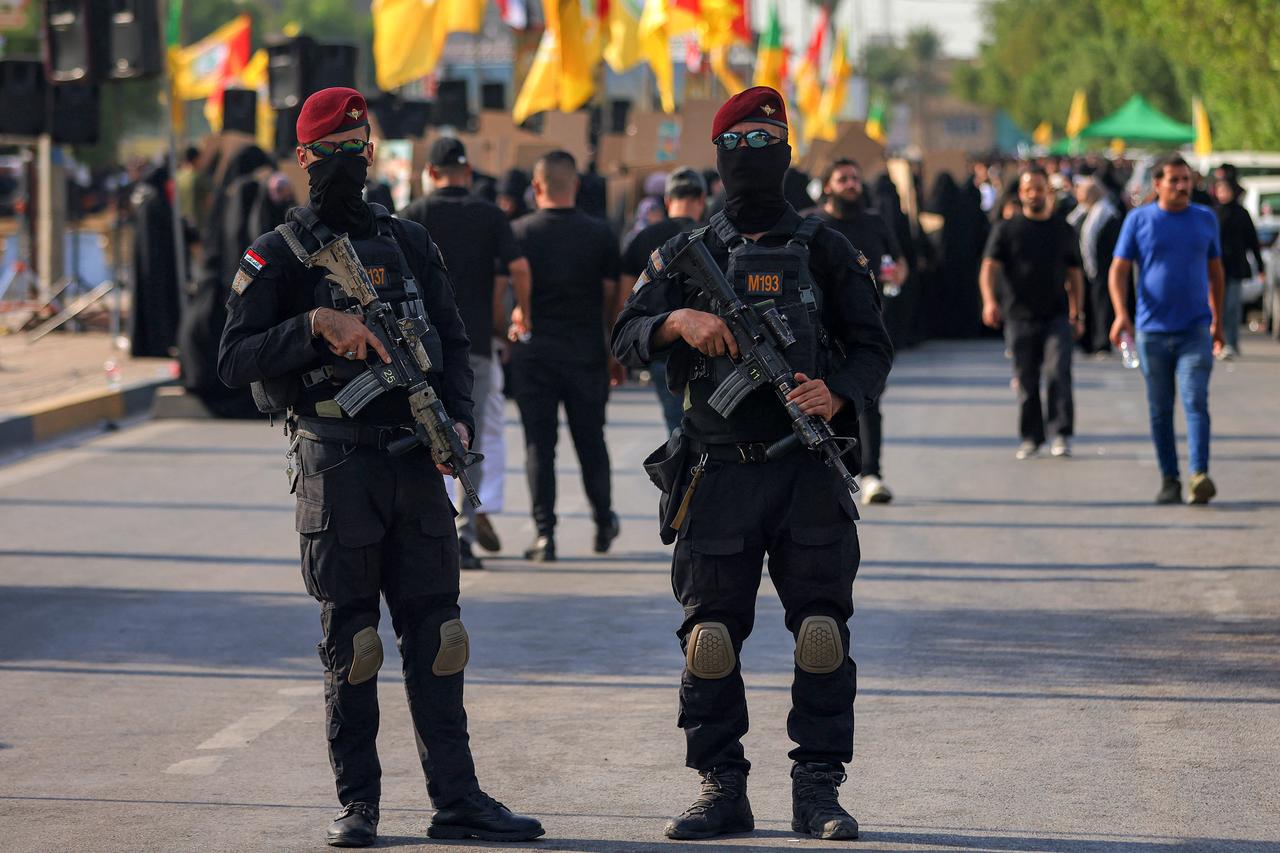
Iran has retaliated with drone and missile strikes targeting Israel, Jordan, Iraq and Gulf countries hosting U.S. military assets, causing casualties and infrastructure damage while disrupting global markets and aviation.


 Set as preferred source
 Set as preferred source


 3 min read