Newsletters


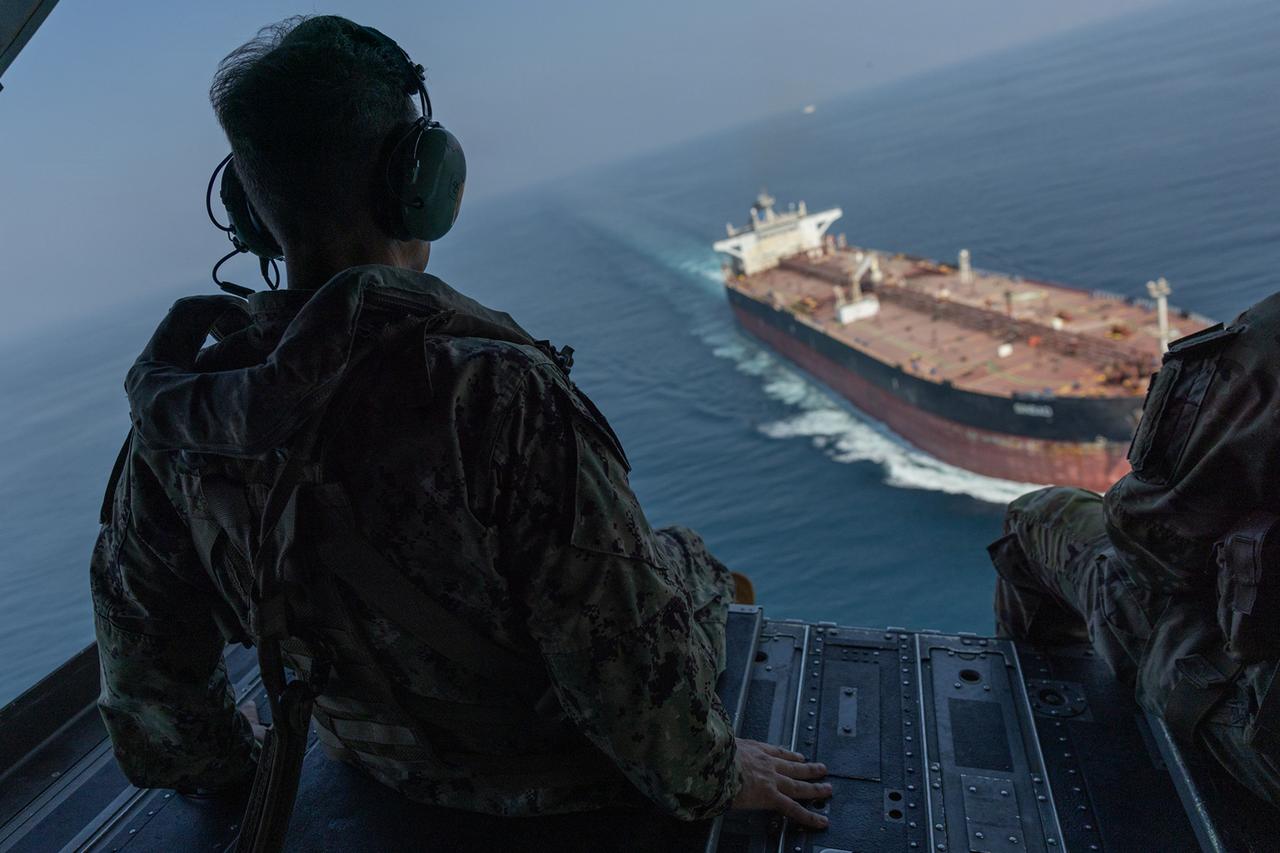


The U.S. military's near-daily missions to protect commercial ships in the Strait of Hormuz have restored Gulf oil flows despite repeated Iranian attacks, but the open-ended effort is straining aircraft carriers, warplanes and crews, The Wall Street Journal reported, citing U.S. officials.
The U.S. says it has helped more than 3,000 commercial vessels transit the strait over the past six months, pushing Persian Gulf oil exports above prewar levels in recent weeks, while carriers have operated around the clock for months with little rest.
Fighter jets from the USS George Washington fly nightly missions to shoot down Iranian cruise missiles and drones aimed at tankers, operating alongside electronic-warfare, radar and anti-submarine aircraft, according to the Journal.
"If there’s a threat that’s launched against those vessels, whether it’s an anti-ship cruise missile or a drone, those aircraft will go in and intercept it and shoot it down in a very short amount of time," said Rear Adm. Jeffrey Heames, who commands the carrier strike group. "We’re doing that reliably."
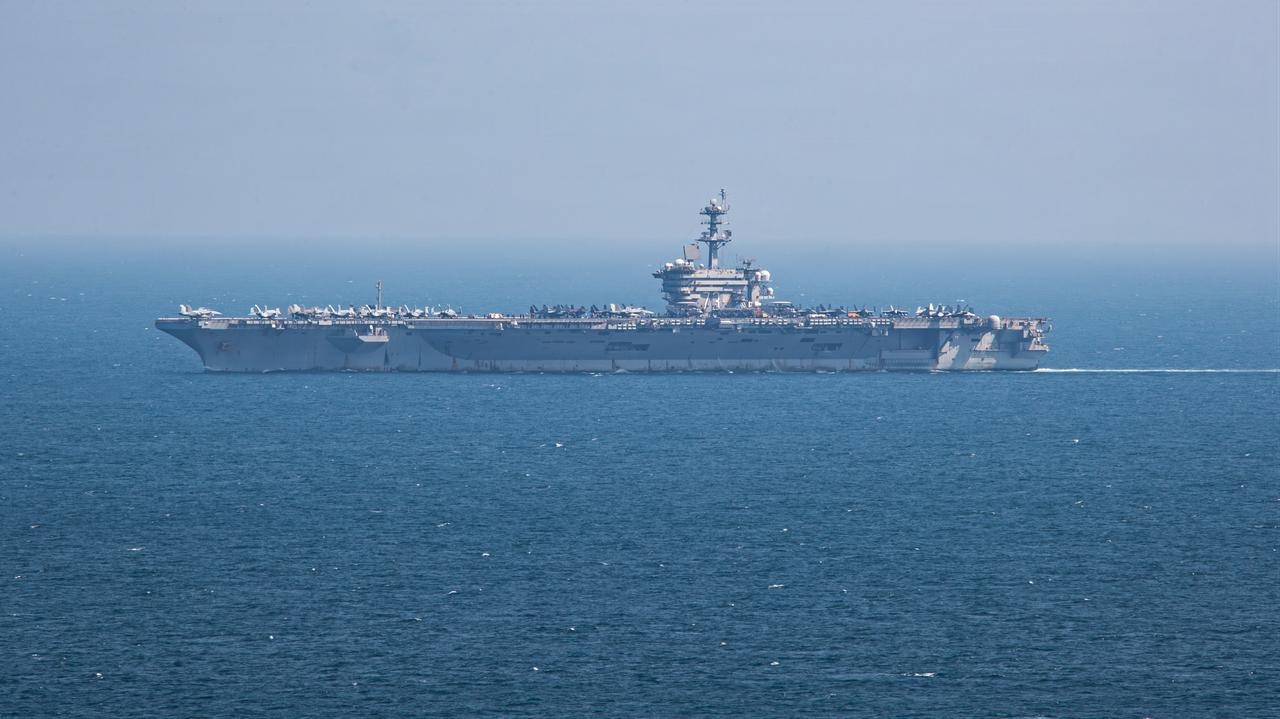

Carriers involved in the conflict have set modern records for deployment length and consecutive days at sea without a port call, and destroyer deployments enforcing the blockade have been extended, officials told the WSJ.
Chief of Naval Operations Adm. Daryl Caudle said the Navy is setting up a ship maintenance hub on Diego Garcia and planning more port calls.
"Sailors will do long deployments, but they need a port call," Caudle said, adding that they need clarity on deployment lengths.
The U.S. has 50,000 troops and 20 Navy ships in the Middle East, and the Congressional Budget Office estimates the conflict costs $2 billion to $3 billion a month, according to the WSJ.
Officials acknowledged the effort is hampering U.S. ability to counter Chinese influence and respond to other crises. Some said the situation is increasingly untenable without more international help, though past coalition efforts have fallen flat.
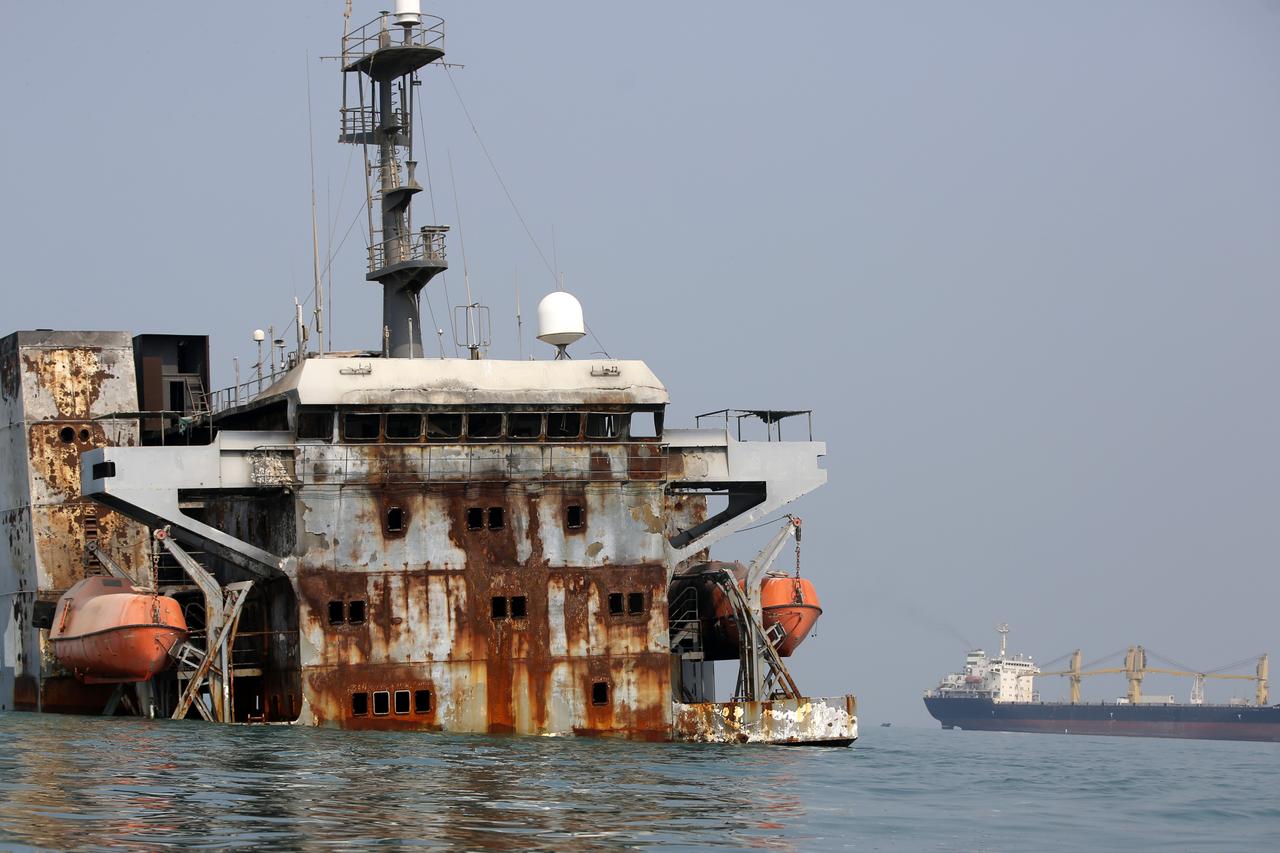
More than 35 incidents were logged in October by the U.K. Maritime Trade Operations (UKMTO), making it a particularly violent month for shipping since the war began. The U.S. says 95% of traffic flows safely.
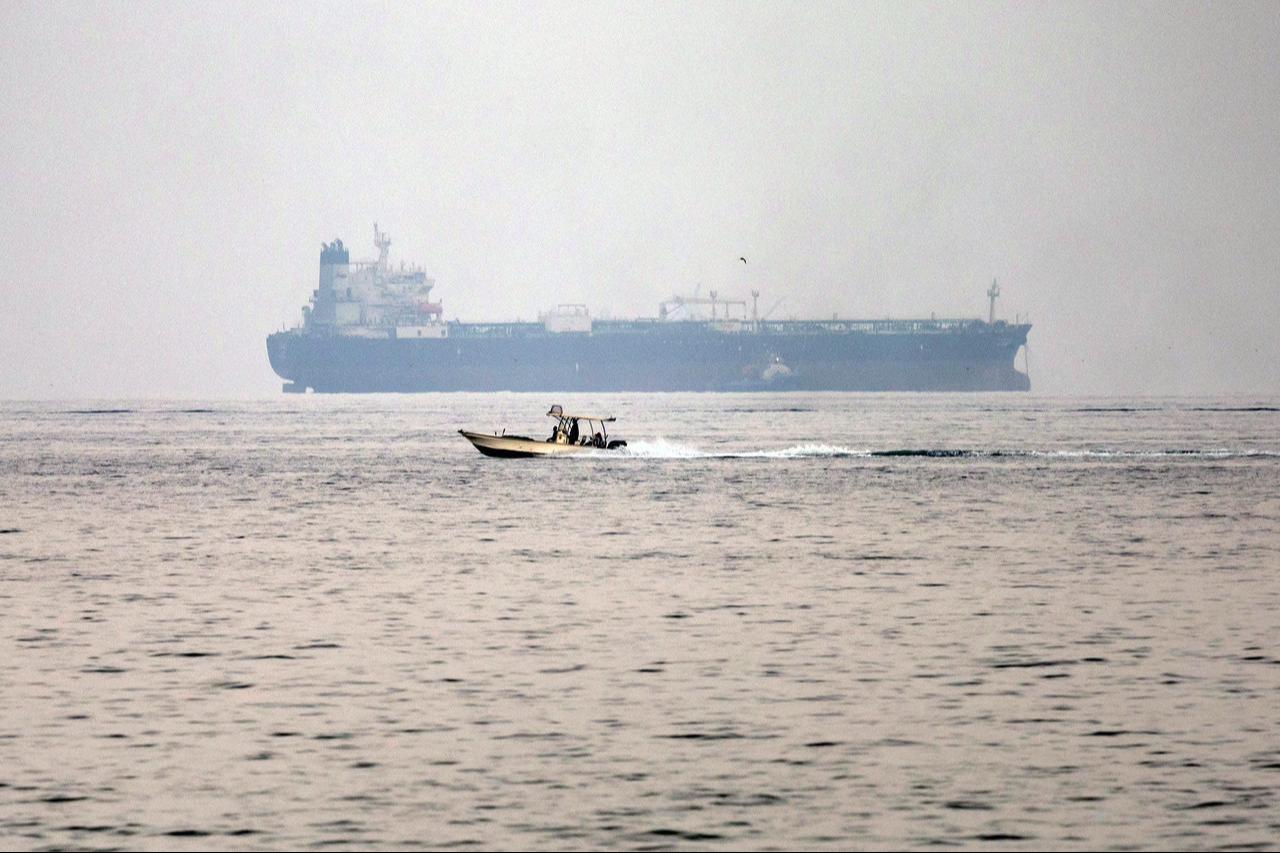
Late Thursday, UKMTO said a tanker 25 nautical miles northeast of Khasab, Oman, caught fire after a small boat attached two explosive devices to its hull above the waterline. The fire was extinguished, the crew was safe and the vessel continued its voyage, the agency said.
The U.S. pressure campaign is "insufficient to date for the Iranian regime to be willing to make concessions that the Trump administration wants to see," said Dana Stroul, a former deputy assistant secretary of defense, who spoke to WSJ.
"Time is on his side," said Michael O’Hanlon of the Brookings Institution, arguing President Donald Trump should let the blockade wear down Tehran. "I think you have to make it clear that you’re prepared to do this indefinitely."
"If you’re worried about another forever war, Donald Trump is never going to let this be a forever war," Vice President JD Vance told Fox News on Thursday.
The White House has said the blockade remains in "full force and effect" and that the U.S. will not attack Iran before the midterm elections, as the Strait of Hormuz mission continues.


 Set as preferred source
 Set as preferred source


 1 min read
 1 min read