Newsletters


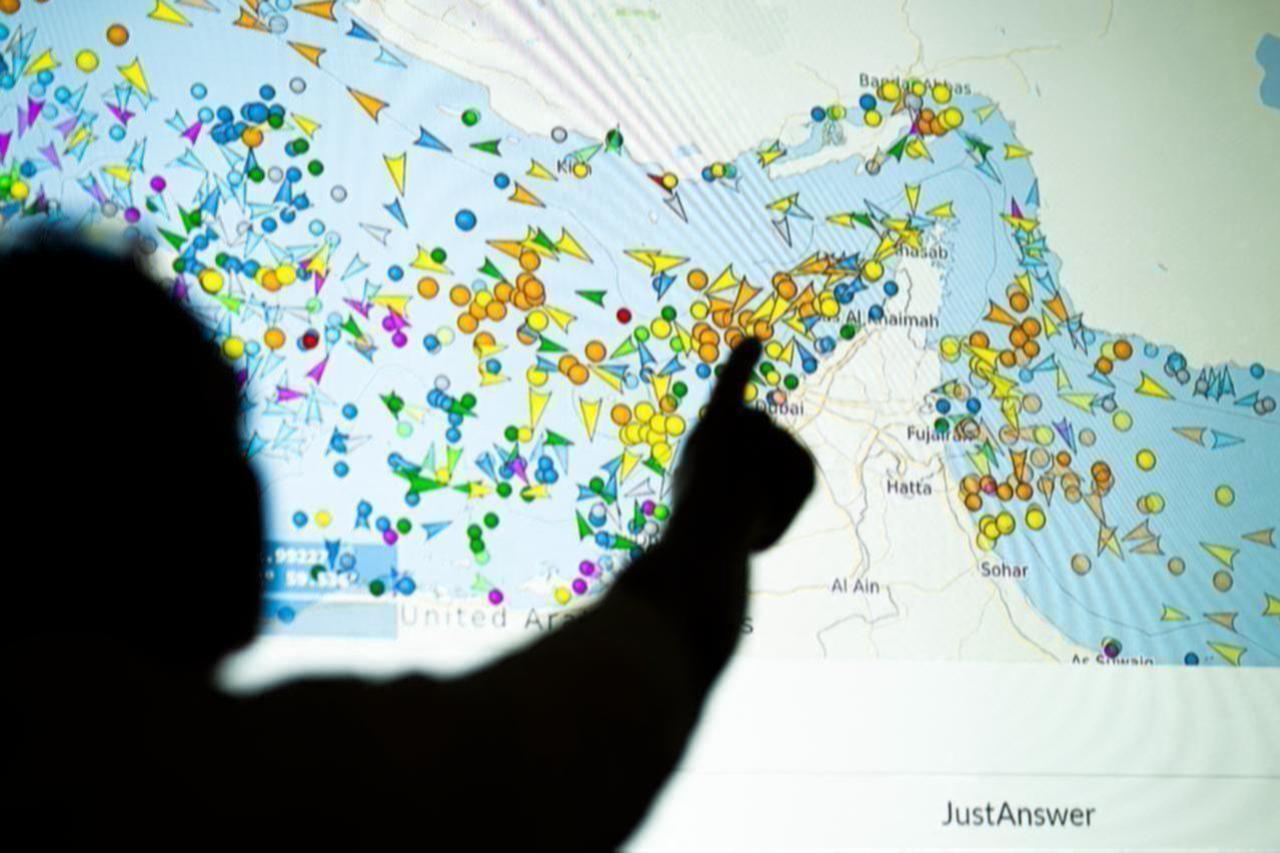


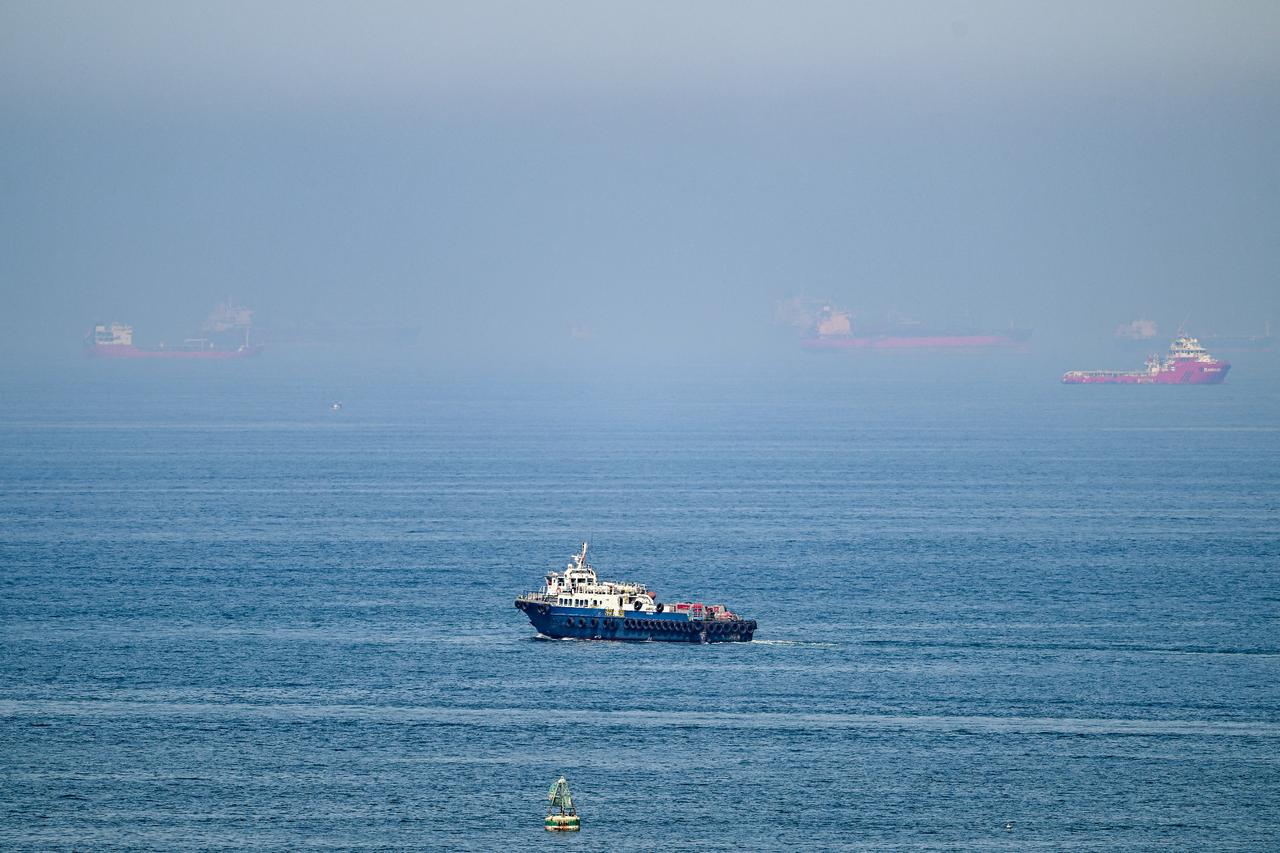
US Central Command said Saturday that commercial ship traffic through the Strait of Hormuz increased and remained unobstructed, with 55 merchant vessels transiting the waterway and carrying more than 17 million barrels of oil to global markets, even after Iran's military declared the strait closed earlier in the day.
In a statement, US CENTCOM said safe passage through the strait "remained intact" on June 20, with US forces continuing to operate in the area to support freedom of navigation.
It said the Joint Maritime Information Center had issued an advisory this week affirming safe passage for vessels along a designated route described as free of "arbitrary requirement claims or impediments."
US forces, the command said, would remain "present and vigilant to ensure all aspects of the agreement with Iran are adhered to, obeyed, and in full force and effect."
The statement made no direct reference to Iran's closure announcement.
It came after the Khatam al-Anbiya Central Headquarters, Iran's top joint military command, said earlier Saturday that it had closed the strait, accusing the United States of breaching a ceasefire agreement and Israel of continuing attacks in southern Lebanon.
The Revolutionary Guard Corps Navy issued a similar statement, warning vessels to stay away from the strait or face security risks.
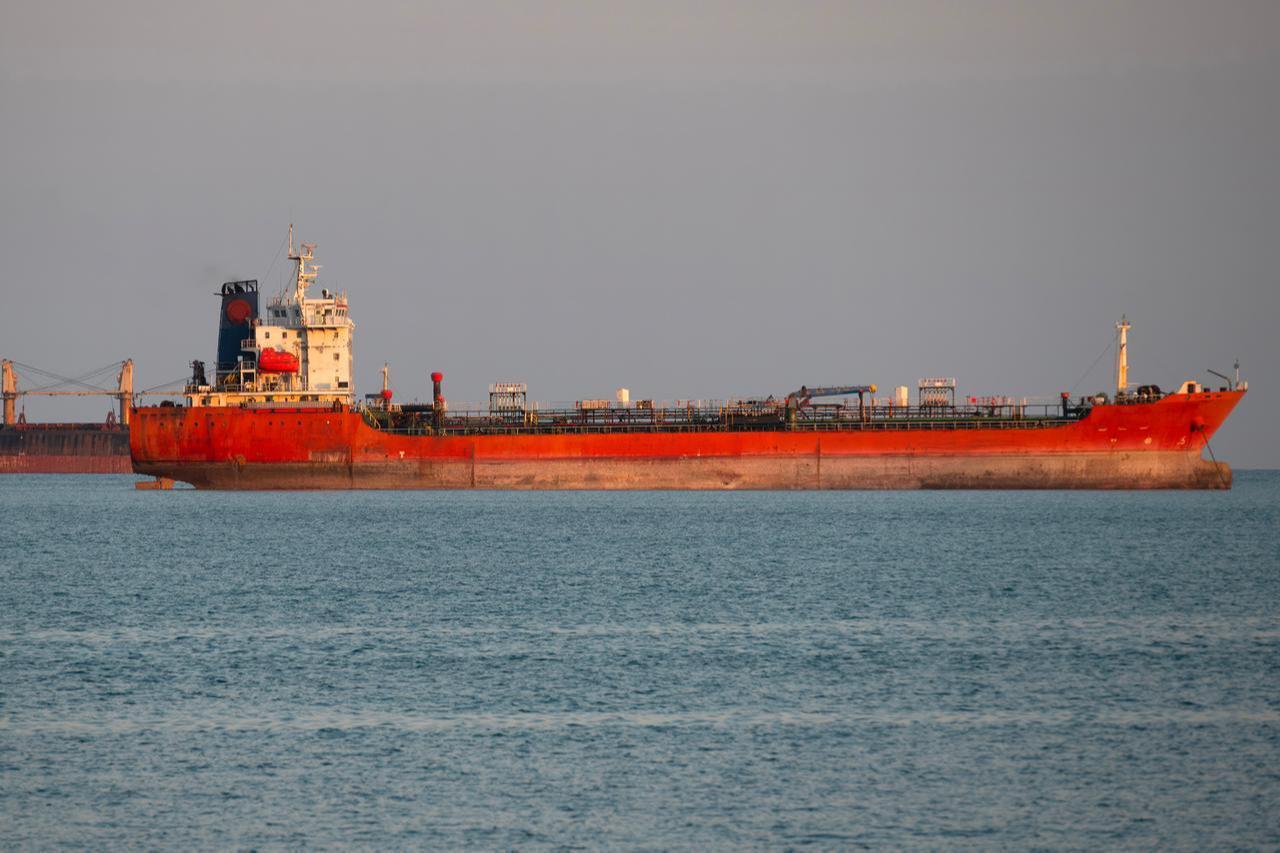

The conflicting statements left the operational status of one of the world's most important shipping corridors unclear.
Iran's military command said in a statement carried by Iranian state television that the closure was a response to what it called Washington's failure to honor the first article of a memorandum of understanding that had ended the recent war, as well as Israel's continued military actions in southern Lebanon despite a ceasefire there.
"It is hereby announced that the Strait of Hormuz will be closed to vessel traffic," the command said, adding that further measures could follow "if the aggression continues."
The IRGC Navy's public relations office issued its own warning the same day. "The Strait of Hormuz is closed, and vessels should not approach the Strait of Hormuz; otherwise, their security will be at risk," it said, citing the same justifications, Israeli actions in Lebanon and alleged US violations of ceasefire commitments.
 1 min read
The Khatam al-Anbiya statement opened with a quotation from the Quran's chapter At-Tawbah, invoking a verse about responding to broken oaths, according to Tasnim News Agency.
The command said its action followed what it described as the "merciless killing and displacement of hundreds of thousands of people" in southern Lebanon and the continued presence of Israeli forces in southern Lebanese territory despite the ceasefire there.
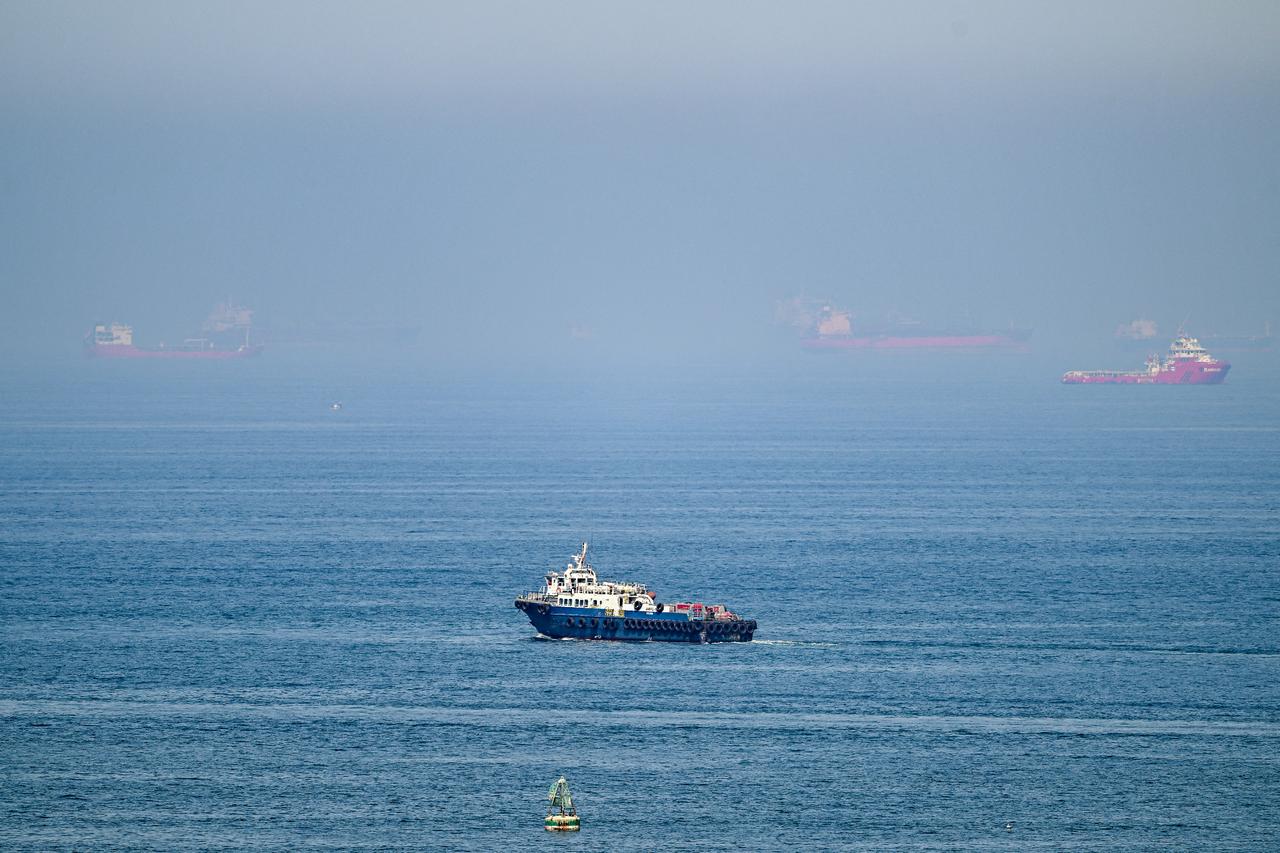
The Strait of Hormuz, a narrow passage between Iran and Oman connecting the Persian Gulf to the Gulf of Oman, is one of the world's most important corridors for oil shipments, with a large share of global seaborne crude exports passing through it. Any disruption to traffic through the strait has historically had significant effects on global energy markets.


 Set as preferred source
 Set as preferred source


 1 min read