Newsletters


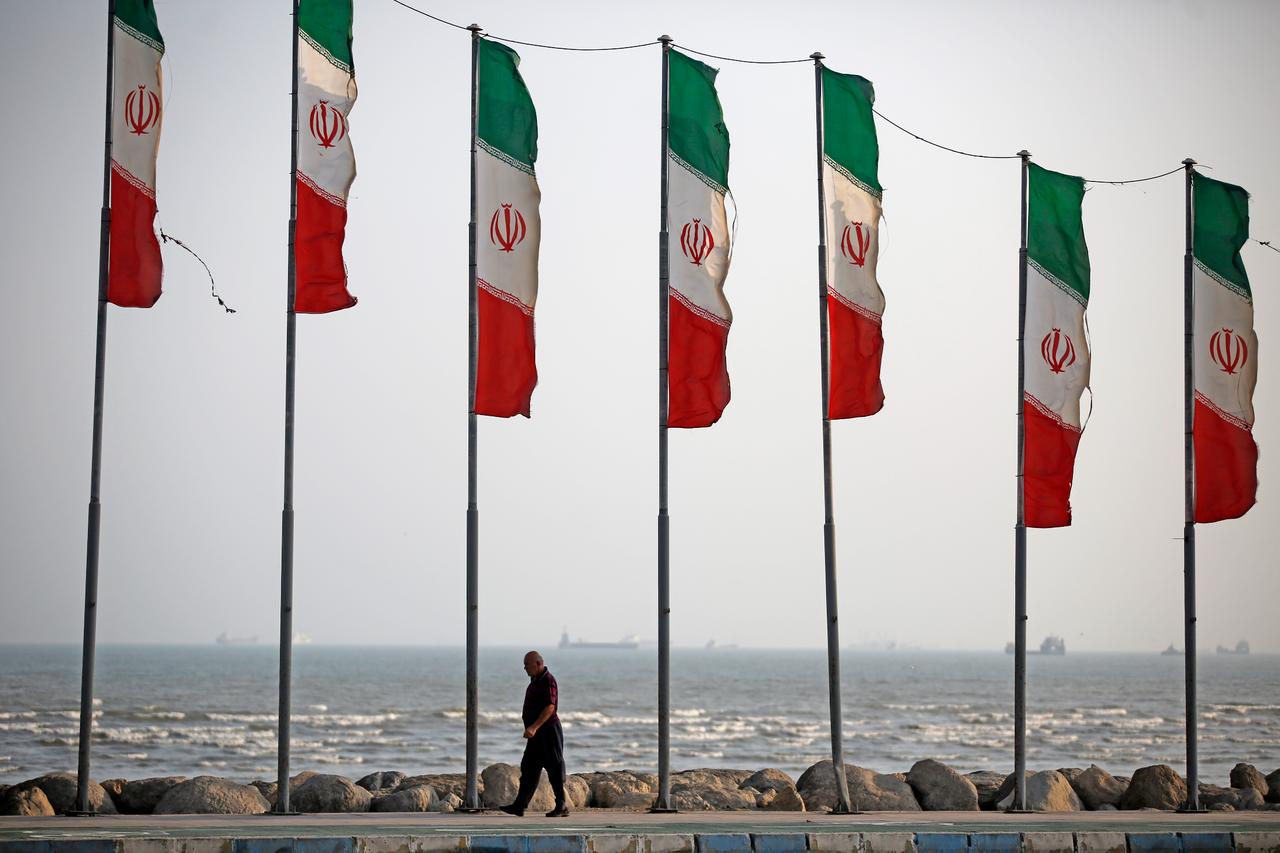


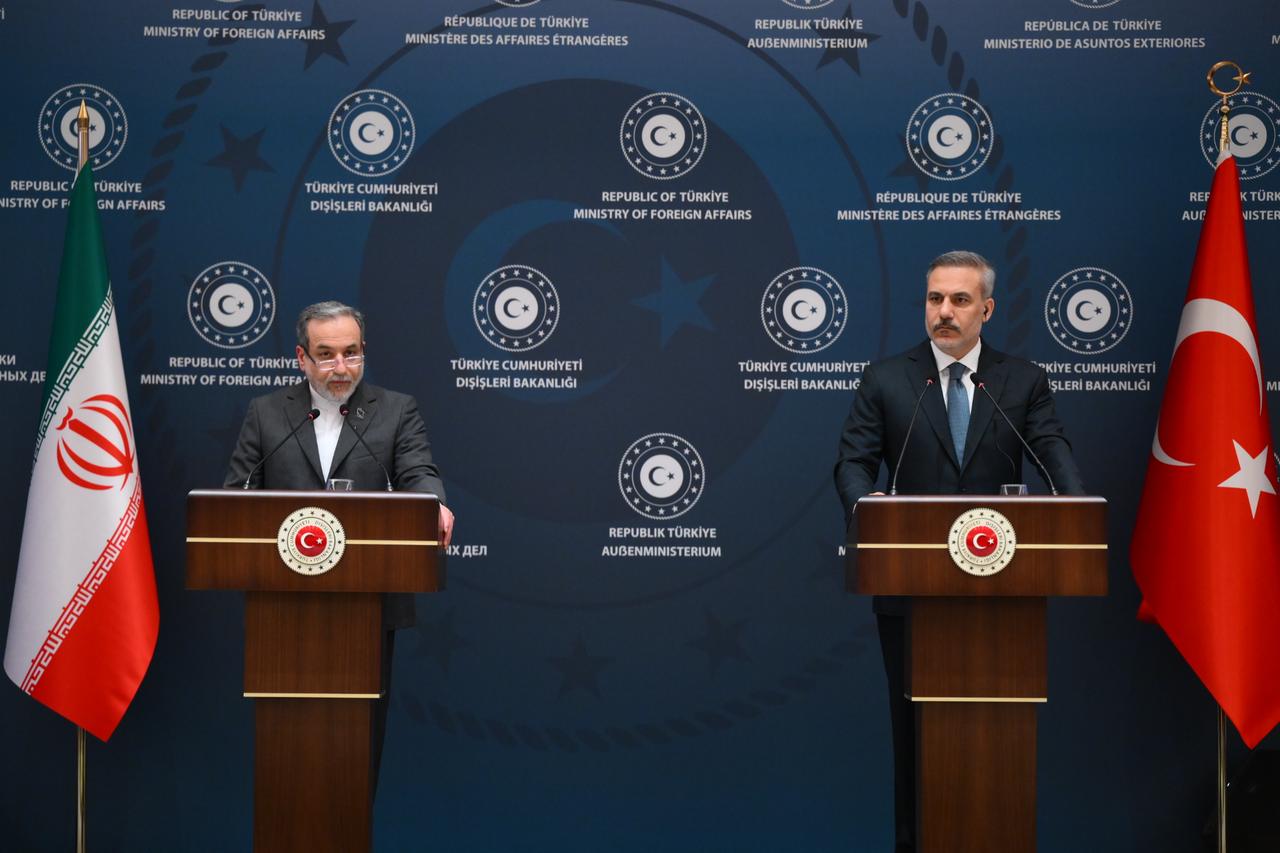
Iran's Foreign Ministry confirmed Monday that a planned meeting in Oman involving Gulf foreign ministers and Tehran was canceled at Saudi Arabia's request, as spokesman Esmail Baghaei used a wide-ranging press briefing to reject accusations linking Iran to attacks on Saudi Arabia and reiterate Tehran's rejection of claims about nuclear activity at Pickaxe Mountain.
"The report that Saudi Arabia requested that the meeting not be held for now is correct," Baghaei told reporters.
"Now that it has been postponed for the time being and will not be held today, such a meeting could certainly be a step, albeit a small one, towards reviving dialogue between Iran and the Persian Gulf countries," he added, noting, "Let us also keep in mind that it is not just a matter of Iran and those countries; those countries themselves also need to talk to each other. You are aware of some very serious differences between these countries; it has itself been the basis for many issues in our region, including in Yemen. Therefore, this dialogue is not simply a need of Iran and the countries on the southern edge of the Persian Gulf; it is a need that exists between all these countries."
"This opportunity has been lost for now. We hope that everyone will make serious efforts to revive this opportunity or create a similar opportunity. We will definitely use every opportunity to point out past experiences," the Iranian official said.
Baghaei said the planned meeting was meant to give Iran and Oman an opportunity to present an understanding reached after weeks of negotiations on maritime routes through the Strait of Hormuz.
"If I want to start from the end, regarding the criticism raised about the Foreign Ministry's performance, everyone knows that decision-making on foreign policy and national security issues is not one-dimensional. Oil prices went up today; therefore, you cannot simply say that because of oil price fluctuations, a decision should or shouldn't be made," Baghaei said, addressing domestic criticism of the ministry.
He stated that the reckless actions or bad faith of others should not lead us to question our own logical and forward-looking initiatives. He expressed the view that it reflects wise decision-making when two coastal states like Iran and Oman independently resolve an exclusive matter, agree upon a text, and responsibly seek to present their mutual understanding at a meeting with regional nations.
Baghaei said the Iran-Oman understanding on Hormuz has been finalized regardless of the meeting's cancellation.
"We will decide, in consultation with Oman, on the next step and how to announce or register this understanding," he said, adding that Tehran had hoped regional countries would "recognize the opportunity" to discuss creating a secure region "free of destructive foreign actors."
Oman's Foreign Minister Badr Albusaidi announced Sunday that "in the interests of consensus the regional meeting set for tomorrow in Salalah has been postponed," saying Muscat remained "committed to fostering dialogue that supports stability and lasting cooperation in our region."
Iran and Oman had been negotiating a provisional arrangement to manage Hormuz shipping since a June Memorandum of Understanding (MoU) between Washington and Tehran collapsed.
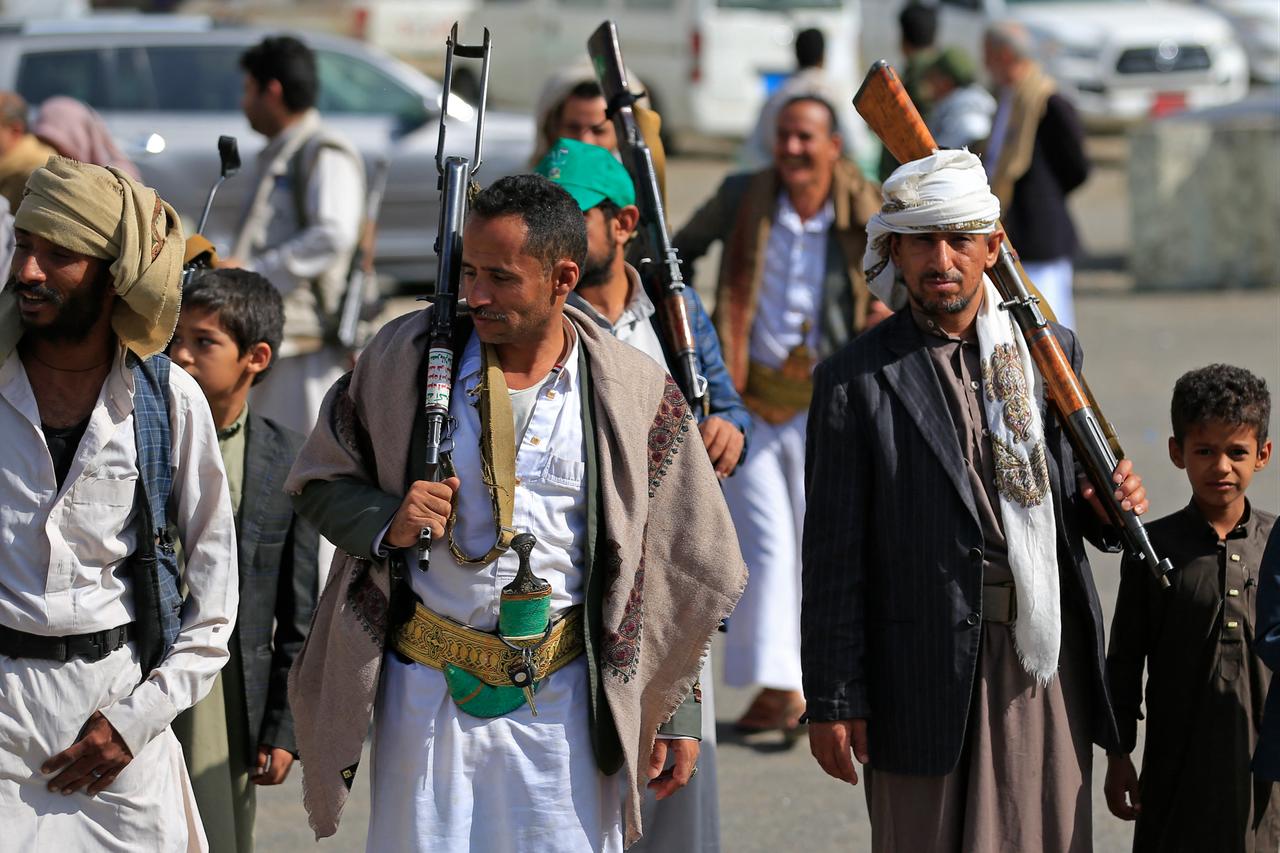
Bahrain had already ruled out attending the meeting, citing recent Iranian-backed attacks on Gulf countries, while escalating fighting between Saudi-backed forces and Yemen's Houthis further complicated the plans.
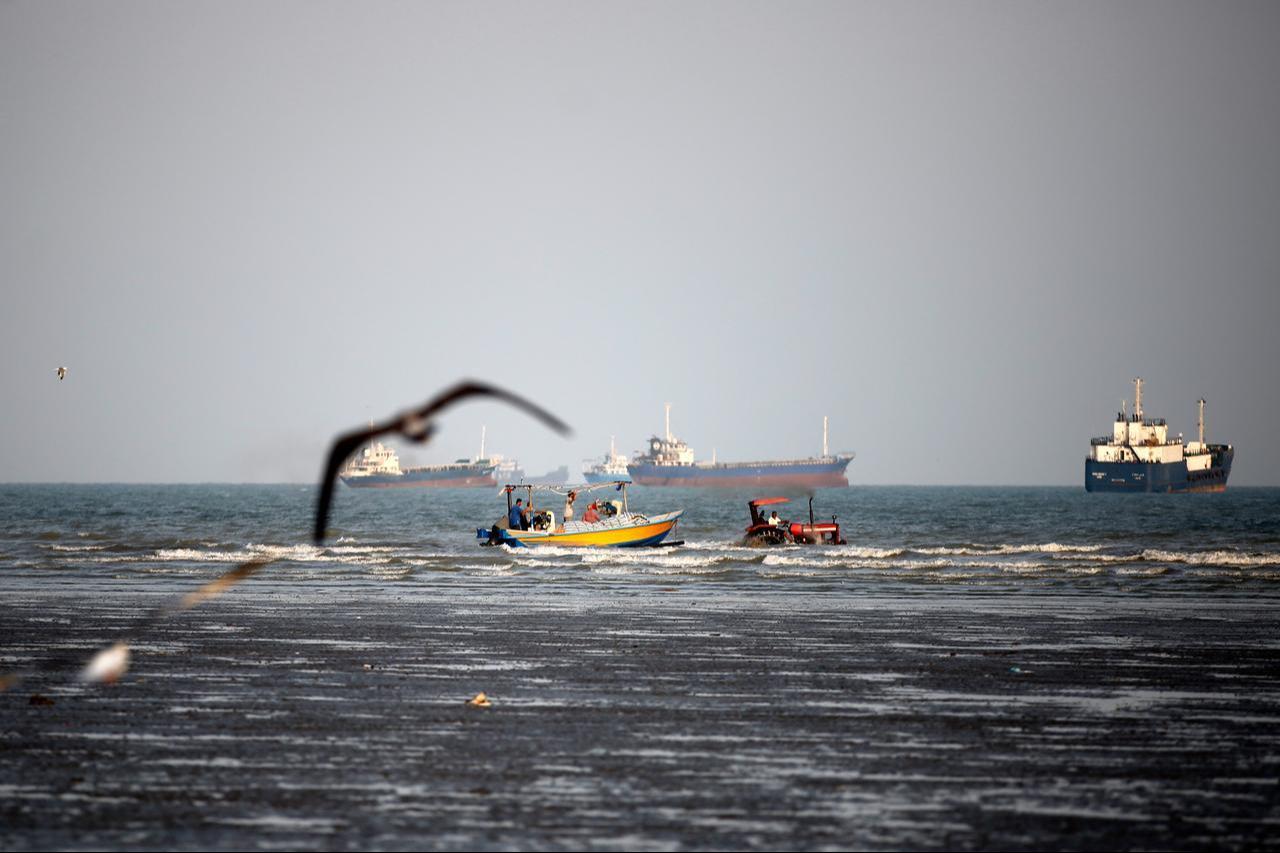

Asked about the Houthi advance to Perim Island in the Bab el-Mandeb Strait, Baghaei repeated that Iran has no involvement in Yemeni affairs.
"I answered part of your question. I repeat that Iran has no interference in matters related to Yemen, but as a country for which the regional situation matters, we know that some parties are exploiting this situation both to intensify disputes and division among Islamic countries and to fish in these troubled waters," Baghaei said.
"First, it is very clear that the Yemenis decide for themselves. Houthis are an independent Yemeni party and make the decisions they deem necessary based on their own interests. But you cannot analyze today's developments without considering the background of the issue," he added.
He said Yemen had faced aggression and an "unjust blockade" for the past 10 to 12 years and that Yemenis had pursued various avenues to secure their rights before ultimately taking the steps they believed necessary.
He added that maritime shipping security and freedom of trade "should apply to everyone," saying: "You cannot attack a country or countries, impose a naval blockade on them, and then expect them, one-sidedly, to serve as guardians of maritime shipping."
Asked about U.S. claims that Iran played a role in the drone attack launched from Iraq on Saudi Arabia's East-West pipeline, Baghaei dismissed the allegation outright.
"There is no doubt that the Americans are constantly producing false news and false claims at no cost," he said, adding, "These claims made by American officials regarding Iran's involvement in these developments are absolutely untrue, and these claims are firmly denied."
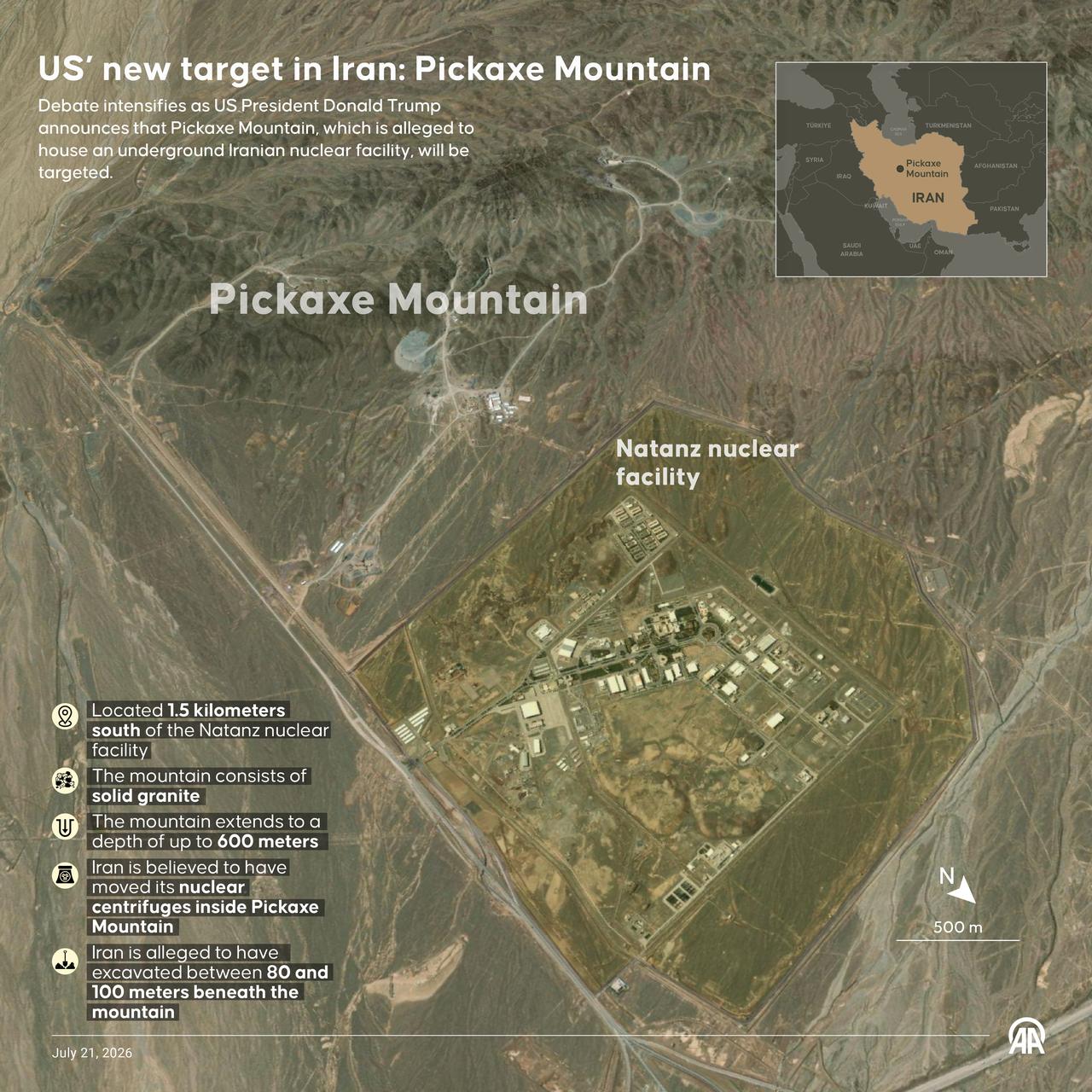
Asked about International Atomic Energy Agency (IAEA) Director General Rafael Grossi's comments expressing concern over unverified nuclear activity at Pickaxe Mountain, Baghaei dismissed the reports as baseless.
"This 'Pickaxe Mountain' has been discussed many times. That's its exact name, and they talk about it as if they've uncovered some secret, confidential file, a lot of fuss over nothing," Baghaei said.
He recalled that construction activity at the site had been raised as an issue roughly six to seven years earlier, during talks between Iran's 13th government and the previous U.S. administration under the oversight of Ali Bagheri Kani.
"We were not a party to the (Additional) Protocol at that time, nor are we now, and in accordance with our safeguards obligations, we have reported whatever was necessary or has been necessary to the agency. Therefore, the talk about this location is purely media framing and has no basis," Baghaei said, adding that discussions at the time indicated an inspection of the site could occur once a year.
"I'm saying this so that, once and for all, we understand that what is said about Pickaxe Mountain is part of America's media and psychological war. Every so often, when they run out of other lies, they raise a new issue, purely to create a narrative and sustain a lie they genuinely find difficult to keep going," he added.
Baghaei noted that Iran has faced claims of pursuing a nuclear bomb for 30 years, adding that the IAEA, "despite all its bias, despite all its politicization," including in its most recent report, has never once said Iran committed "non-compliance."
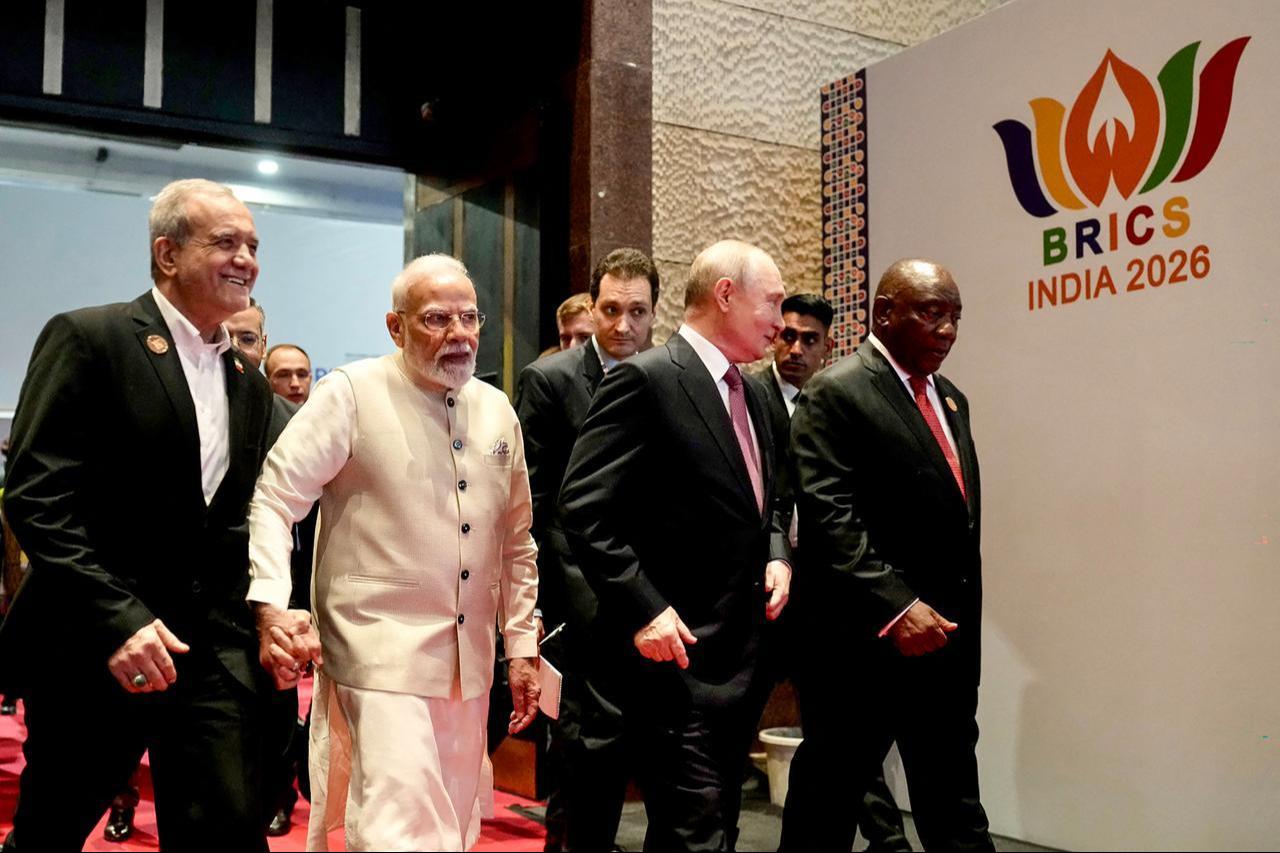
Asked whether BRICS would take action against a U.S. push to isolate Iran, Baghaei said Iran is not isolable.
"Iran can never be isolated. On the contrary, look at the U.S. stature on the international landscape. They have committed ugly crimes by attacking a sovereign country, the Islamic Republic of Iran, joining hands with the cowardly, criminal entity that perpetrated an ethnic cleansing and genocidal war on Gaza," Baghaei said.
"All these international laws have been disregarded by the United States," he added.
He said the international community, including within the region, has "rightly come to understand" that U.S. actions have upended international norms necessary for peace and security, turned the U.N. into "a tool," reduced the IAEA to "a political instrument," and violated the U.N. Charter's prohibition on the use of force.
He said countries are using every opportunity, including multilateral frameworks like the Shanghai Cooperation Organization and BRICS, both to signal opposition to this approach and to consider how to address its consequences.
"Consider America's allies as well, Canada, Europe, all the countries that once believed that whatever America, as leader of the free world, did was in their interest. But we see that these countries, too, have concluded that they must find ways to contain America's belligerent and destructive unilateralism," Baghaei said.
Asked about Austria's refusal to grant a visa to Iran's Atomic Energy Organization chief Mohammad Eslami for the IAEA's General Conference, Baghaei called the move "absolutely unjustifiable."
"According to their obligations, they were supposed to issue an entry visa for the Iranian delegation. We explicitly conveyed our protest to the Austrian government. Their charge d'affaires was summoned to the Foreign Ministry to register our protest," Baghaei said.
"It's contradiction upon contradiction. On one hand, they accuse a country, issue resolutions, prepare false reports, and then deny that country's representatives the chance to defend themselves. In other words, the war they started was not only a military war, but it is also a war on the diplomatic and legal front, aimed at preventing Iran's voice from reaching other countries," Baghaei said.
"We will use every tool available to prevent this goal from being achieved. The fact that the Austrian government tells us it acted under U.S. pressure or request, which is evident to us, does not in any way absolve the host government of responsibility," he added.
He added that any country hosting international organizations or conferences "should, above all, safeguard its own credibility and standing" and not allow U.S. pressure to create international responsibility for itself through failure to meet its obligations.


 Set as preferred source
 Set as preferred source


 3 min read