Newsletters


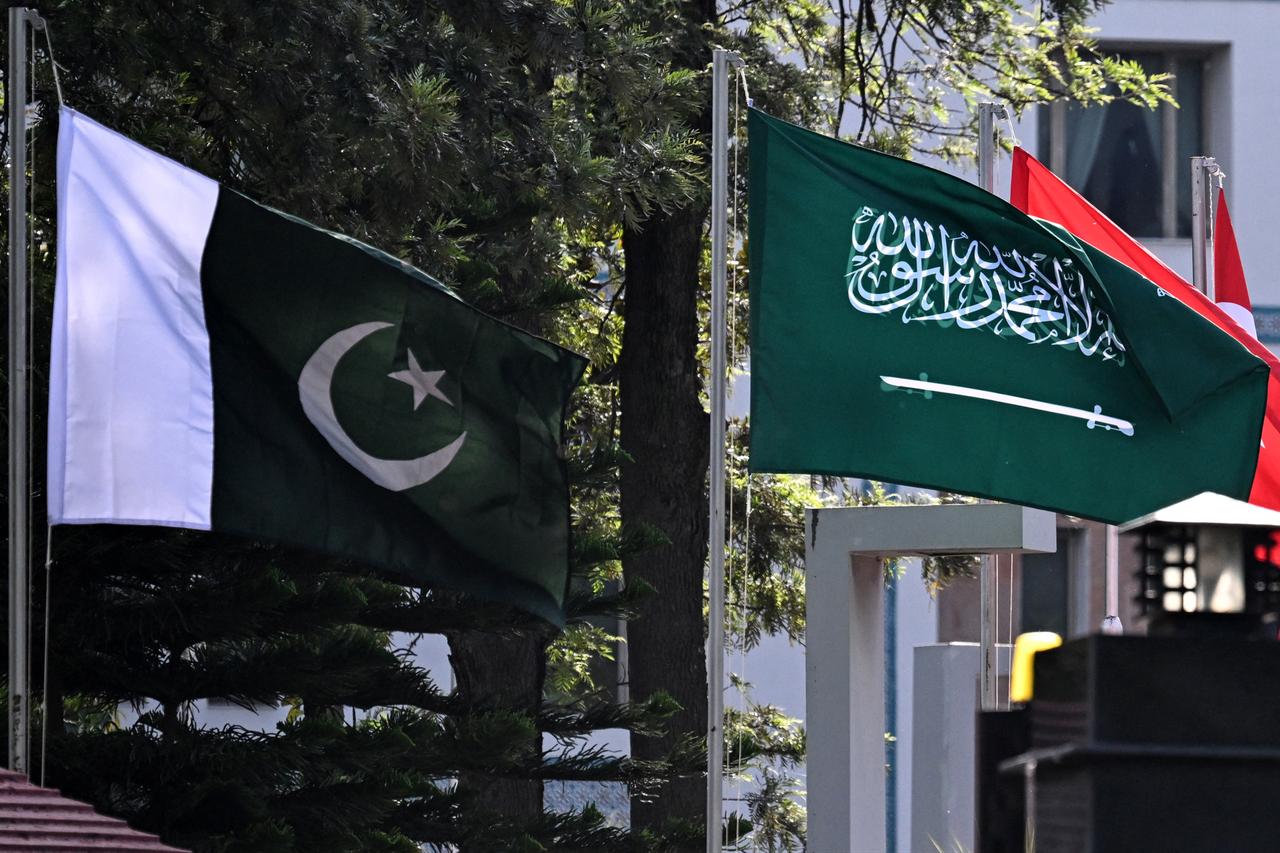


Pakistan signaled it would stand by Saudi Arabia under a mutual defense agreement if the Iran war escalates further, according to the report.
A Pakistani security official told Reuters that Iran is signaling flexibility on talks but continues to insist on preconditions.
Iran is "walking on thin ice," and the next three to four hours are critical for the future of dialogue between Washington and Tehran, a Pakistani source told Reuters.
Iran's overnight missile strikes on Saudi industrial facilities linked to U.S. firms threatened to collapse the last remaining diplomatic channel and risked dragging Pakistan itself into the conflict under its mutual defense pact with Riyadh.
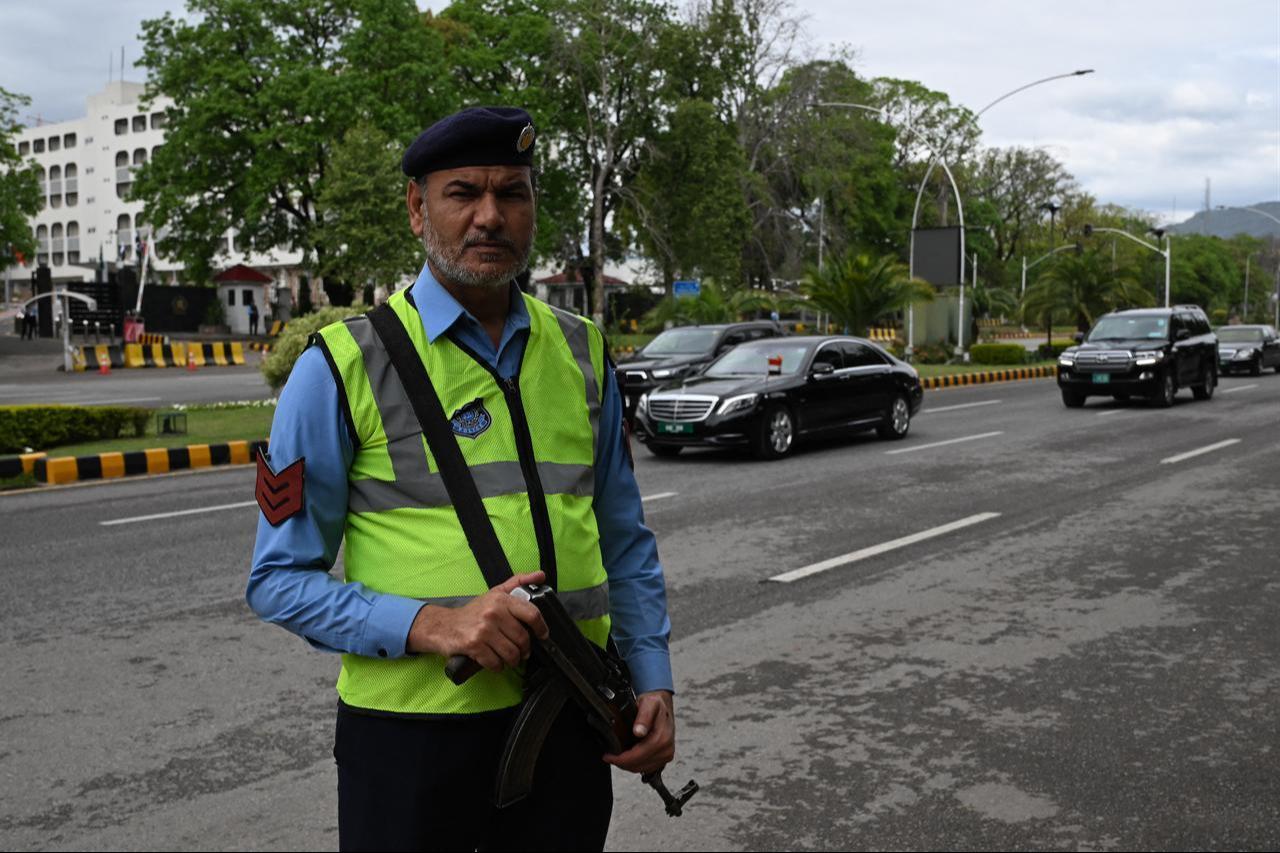

Two Pakistani sources with knowledge of the ongoing discussions told Reuters that efforts to facilitate talks between the U.S. and Iran remain active, despite intensifying U.S. strikes on Iran and Trump's looming deadline.
One source, a senior security official, said Iran's overnight strike on Saudi Arabia's industrial facilities linked to U.S. firms threatened to derail the negotiations entirely.
"If Saudi Arabia were to respond militarily to the strikes, the talks would be over," the source said, adding that retaliation could also draw Pakistan into the conflict under its defense pact with Riyadh.
The second source said Iran was "walking on thin ice" and that the next three to four hours were critical for the future of dialogue.
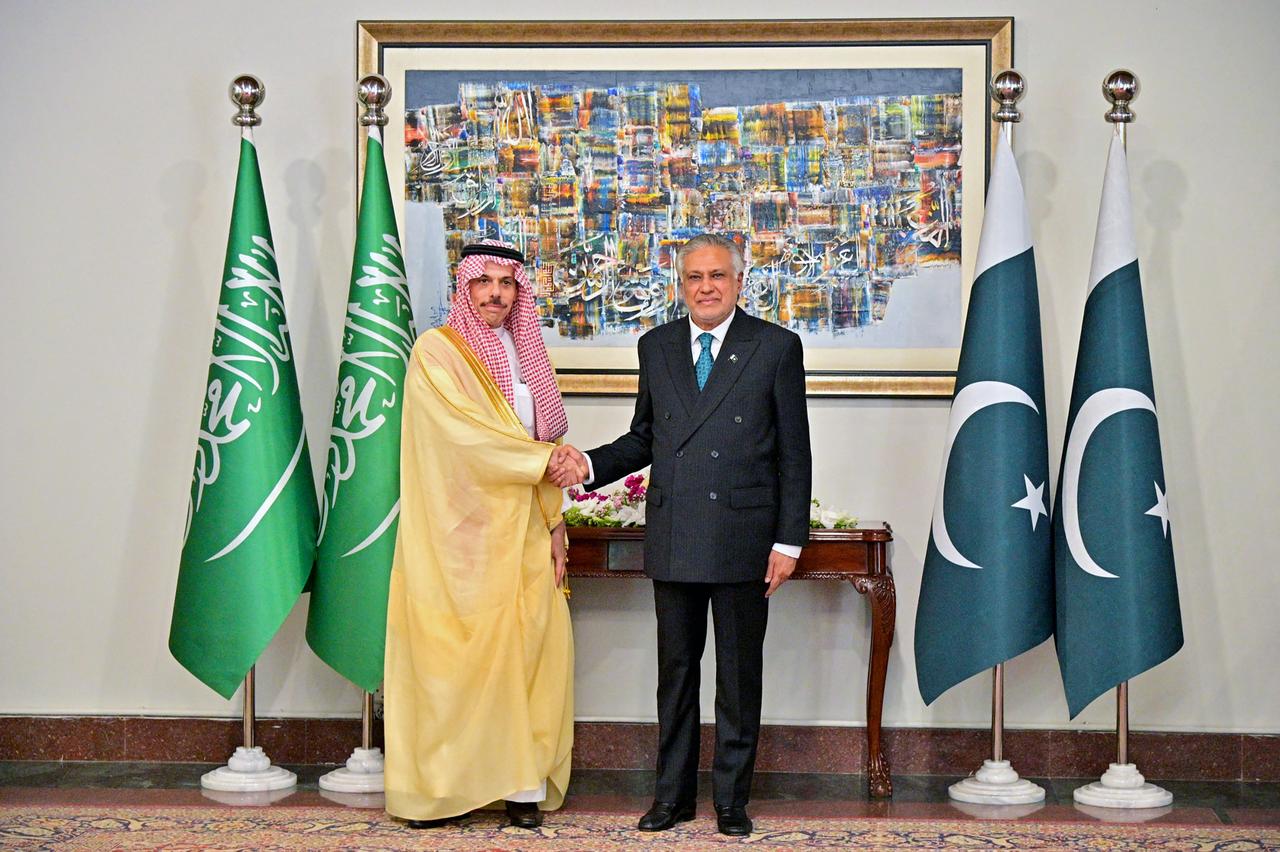
Pakistan's Foreign Ministry condemned the Iranian strikes on Saudi Arabia's Eastern Province in a written statement, expressing sorrow over casualties and "strongly" condemning damage to critical infrastructure.
The government described the strikes as "a serious violation of Saudi Arabia's sovereignty and territorial integrity" and "a dangerous escalation that undermines regional peace and stability."
The statement reaffirmed Pakistan's "unshakeable support" for Saudi Arabia's security, saying the government and people of Pakistan stand with Riyadh "in these difficult days."
 1 min read
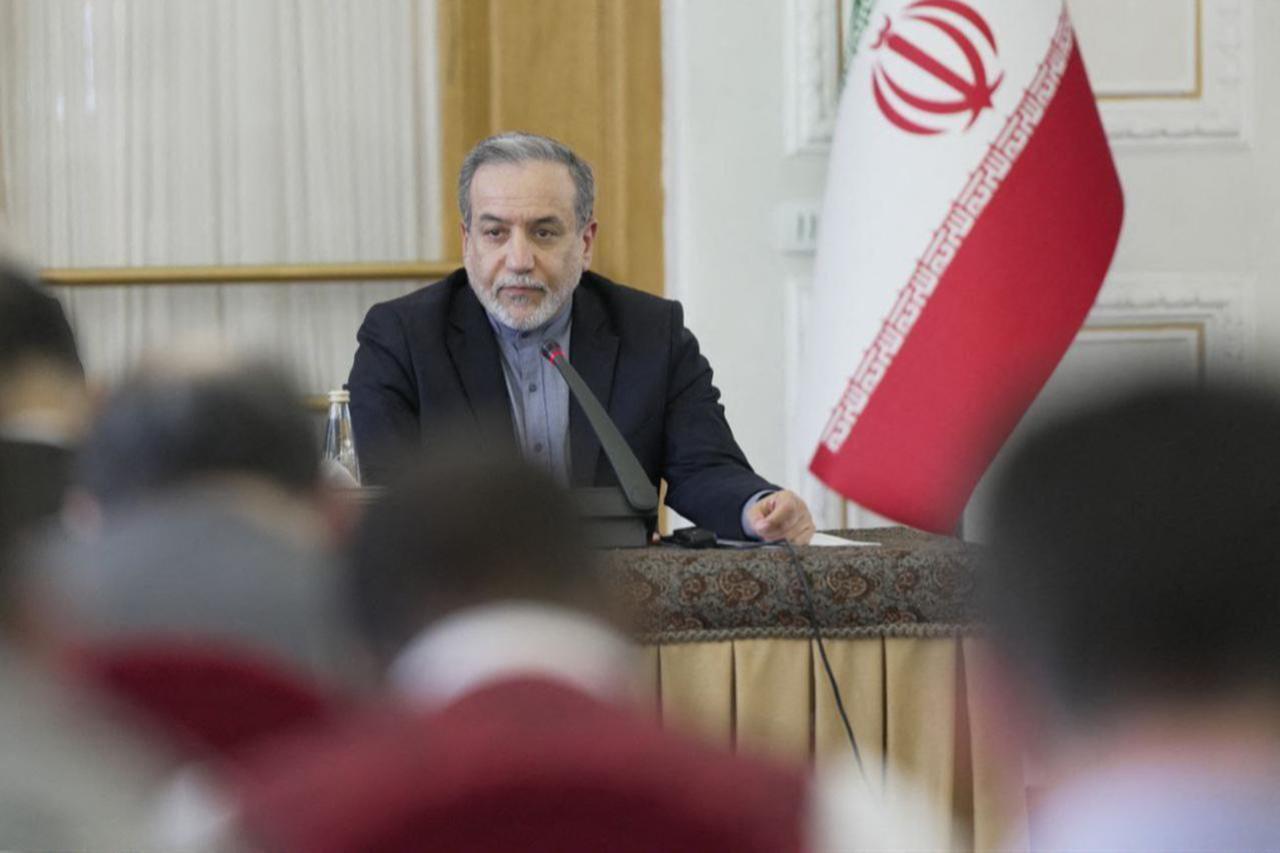
Pakistan has been acting as the main intermediary for proposals exchanged between both sides, but a senior Pakistani security official told Reuters there has been no sign of compromise so far.
"We are in touch with Iranians. They have lately shown flexibility that they could join the talks, but they are at the same time taking hard lines as a prerequisite for any negotiations," the source said.
Islamabad has been pressing Tehran to enter negotiations without prior conditions, the source added. A senior Pakistani official told Türkiye's state-run Anadolu Agency (AA) that Pakistan hoped for a "positive" response from Iran before the expiry of Trump's deadline, despite Tehran's "insistence on preconditions."
Iran's foreign ministry spokesperson confirmed Monday that messages were still being exchanged via mediators.
However, a senior Iranian source told Reuters on Tuesday that Tehran had rejected a proposal conveyed by intermediaries for a temporary ceasefire.
"Talks on a lasting peace could begin only after the U.S. and Israel end their strikes, provide a guarantee they will not resume, and offer compensation for damages," the source said.
Iran's ambassador to Pakistan earlier said Islamabad's "positive and productive" efforts to stop the war were approaching a "critical, sensitive" stage.


 Set as preferred source
 Set as preferred source


 1 min read