Newsletters


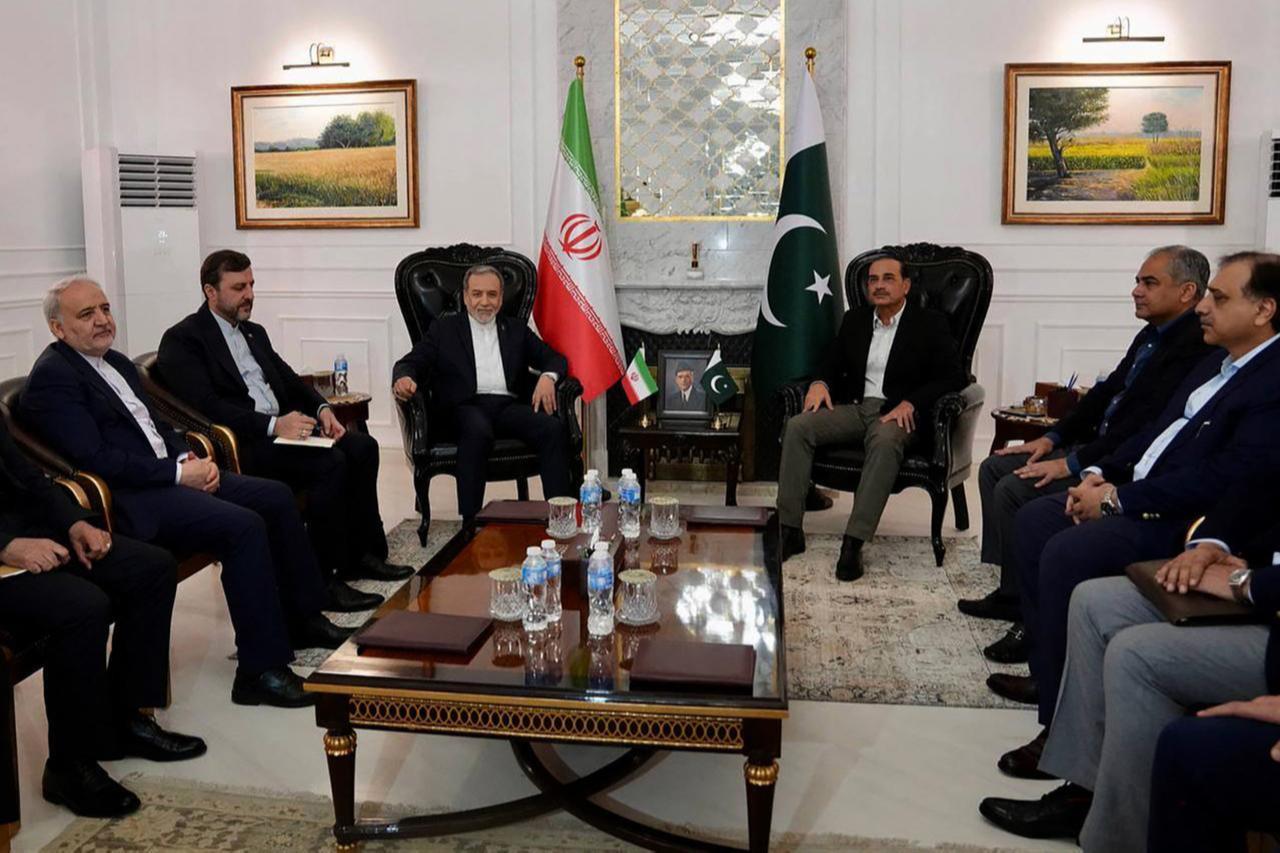


Pakistan’s Army Chief Asim Munir is expected to visit Tehran for talks as Islamabad intensifies its mediation between Iran and the U.S., Iranian media reported.
According to the Iranian Students’ News Agency, Munir is expected to hold several meetings in Tehran on Thursday as part of Pakistan’s role in the ongoing diplomacy between Iran and the U.S.
The visit comes after Iran said it had received the U.S. side’s “viewpoints” through Pakistani mediation and was reviewing them.
“We have received the U.S. viewpoints, and they are currently under review,” Iranian Foreign Ministry spokesperson Esmaeil Baghaei told Iranian state TV on Wednesday evening, according to the state-run IRNA news agency.
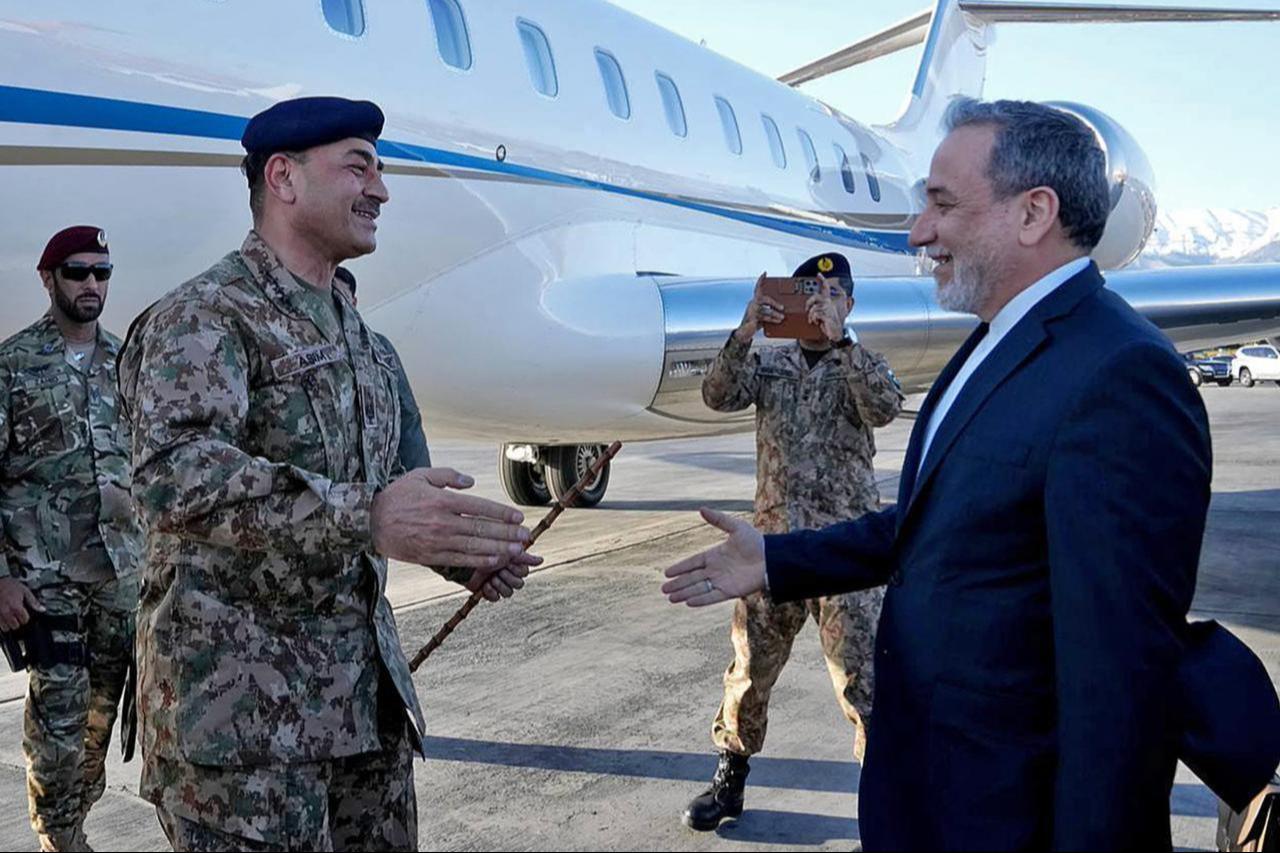

Baghaei said several rounds of message exchanges had taken place based on Tehran’s initial 14-point proposal.
He said the visit of Pakistani Interior Minister Mohsin Naqvi to Tehran was aimed at helping facilitate the exchange of messages between Iran and the U.S.
Naqvi visited Tehran on Wednesday for the second time in less than a week, according to Iranian state broadcaster IRIB.
During his latest visit, Naqvi met Iranian President Masoud Pezeshkian and his Iranian counterpart, Eskandar Momeni.
Iranian media said Munir’s expected visit would follow Naqvi’s talks as Pakistan continues efforts to mediate between Tehran and Washington.
Al Arabiya, citing sources, reported that serious efforts were underway to finalize a draft agreement between Iran and the U.S.
According to the report, Pakistan’s army chief may visit Iran to announce that the final draft agreement has been completed.
The next round of negotiations is expected to be held in Islamabad after the Hajj season, Al Arabiya reported.
The talks between Washington and Tehran have entered a sensitive stage after the two sides exchanged fresh proposals this week, multiple Pakistani government sources familiar with the matter told Anadolu.
The latest U.S. proposal offers “slightly better incentives” to Iran compared with previous offers, the sources said, without giving further details.
According to the sources, the proposal includes issues related to Iran’s frozen assets and international sanctions imposed on Tehran.
However, they said Washington offered “no new concession” regarding Iran’s nuclear program, which remains the main obstacle to an agreement.
Under a 14-point Iranian proposal previously reported by Anadolu, Tehran seeks separate negotiations on its nuclear program, including enriched uranium issues, within 30 days after a permanent ceasefire is reached.
Washington, however, wants the nuclear issue to be “discussed and resolved” before any permanent ceasefire agreement.
The proposal for “third-party monitoring” also remains under discussion, mainly on the Iranian side, the sources said.
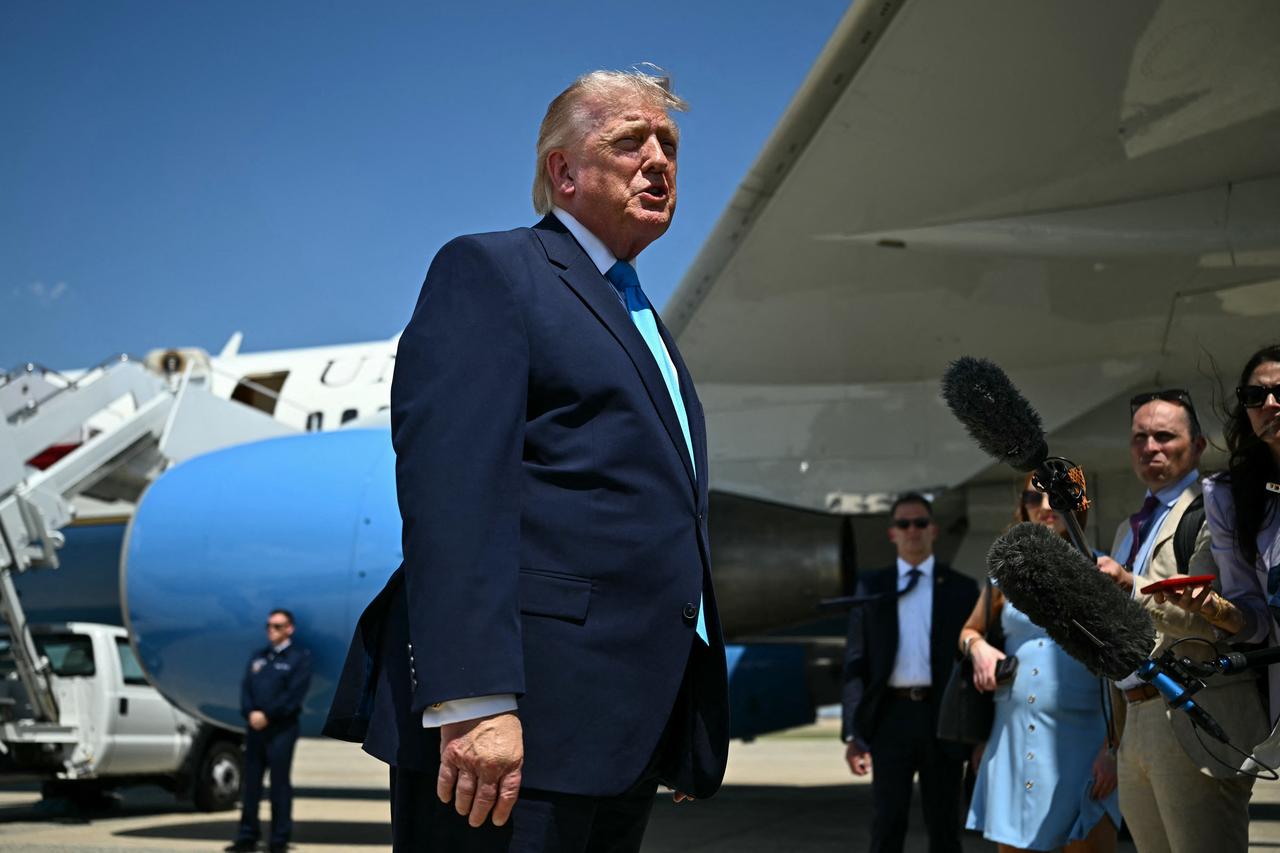
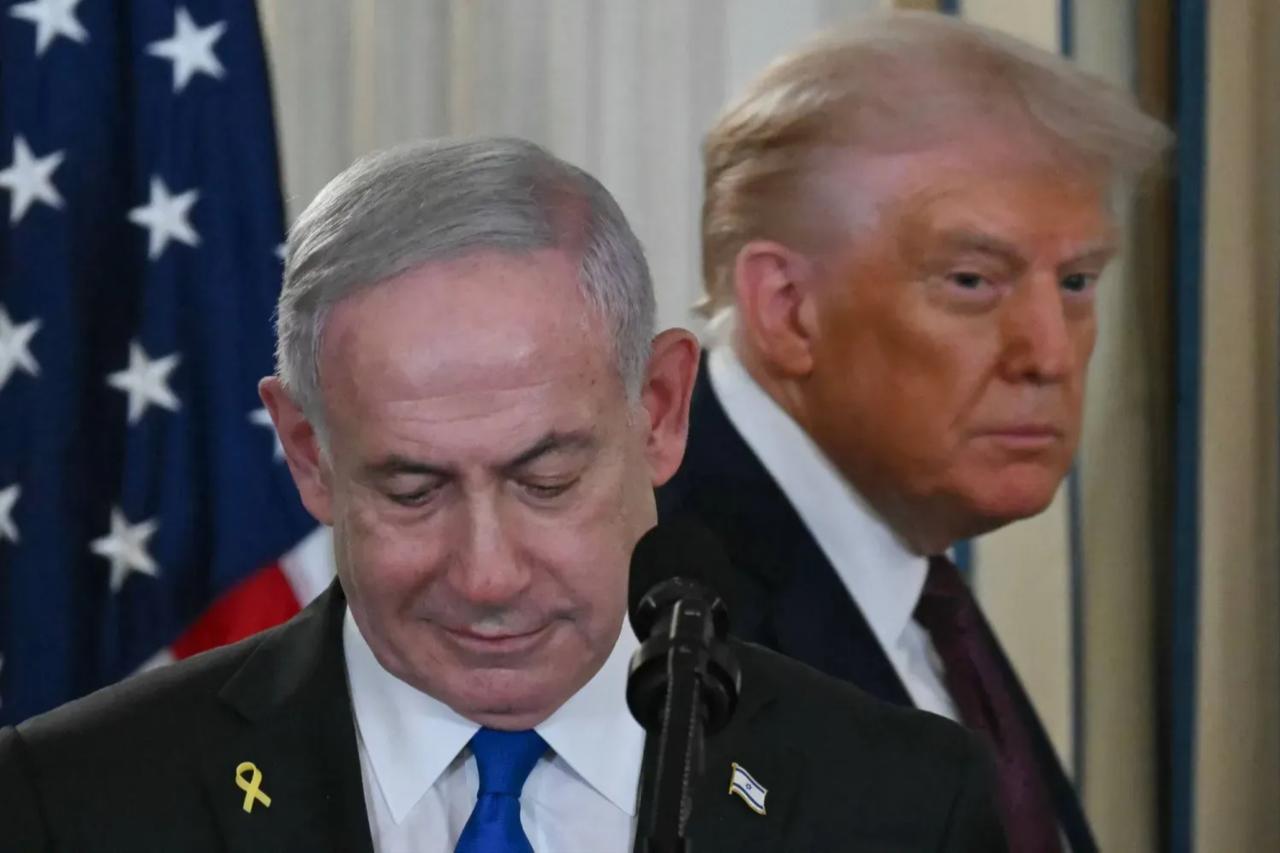
Trump previously said the negotiations were in their “final stages,” but insisted he was “in no hurry” to complete them.
The U.S. president said he would give the diplomatic push “one shot.”
“We'd have to open the strait; that would open immediately. So we're going to give this one shot,” Trump said, referring to the Strait of Hormuz.
He said it was better “to see a few people killed as opposed to a lot,” but added: “We could do it either way.”
Asked whether it had taken longer than expected to reach a deal with Iran, Trump listed the durations of other U.S. wars, including Afghanistan and Vietnam.
“I’m in for three months and much of it’s been a ceasefire,” he said. “We’re going to give this one shot. I’m in no hurry.”
Trump also claimed that the U.S. “has essentially taken over” Iran.


 Set as preferred source
 Set as preferred source


 1 min read
 1 min read