Newsletters


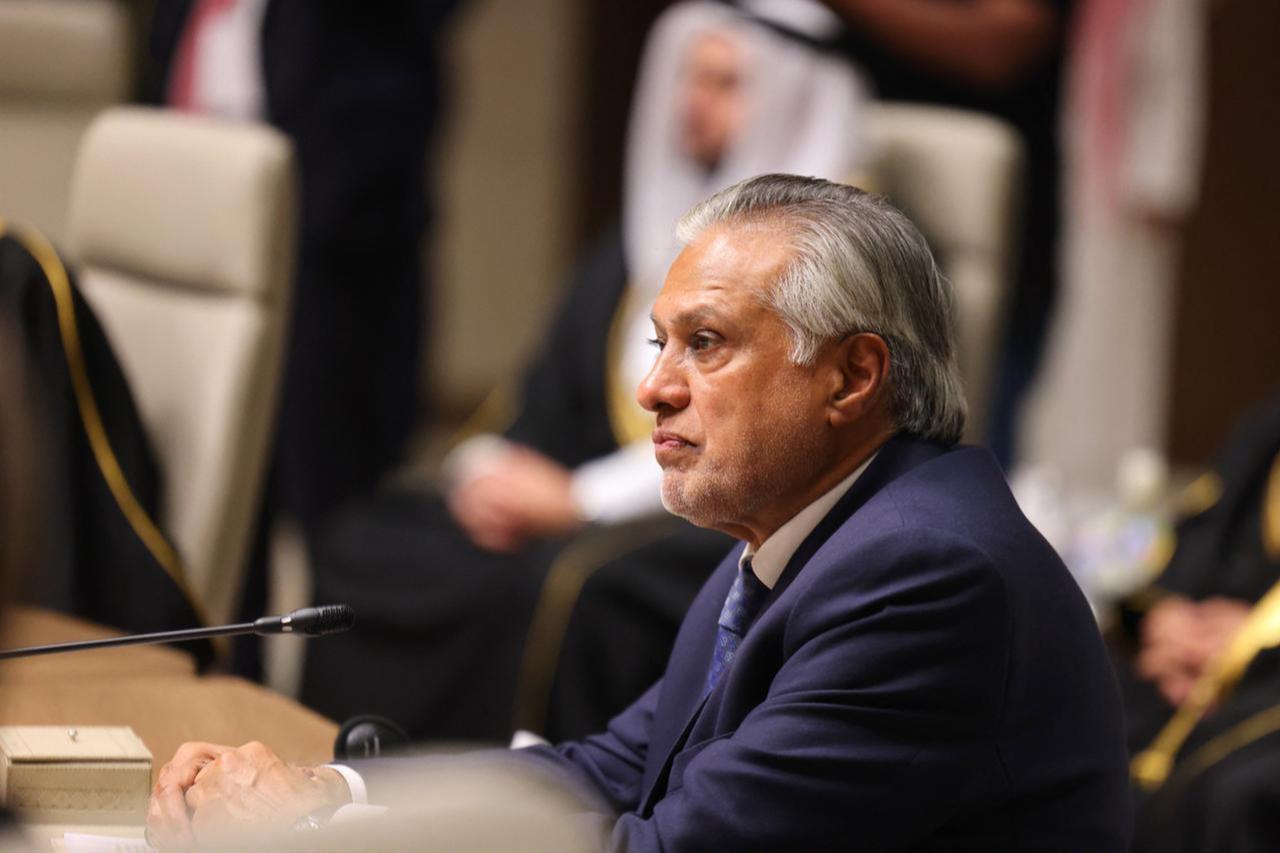


Pakistan's Foreign Minister Muhammad Ishaq Dar warned Monday that a prolonged conflict in the Middle East and Gulf region risks destabilizing global energy supplies, deepening human suffering, and straining an already fragile international order, as he called on the United Nations Security Council to apply its founding charter without selectivity or double standards.
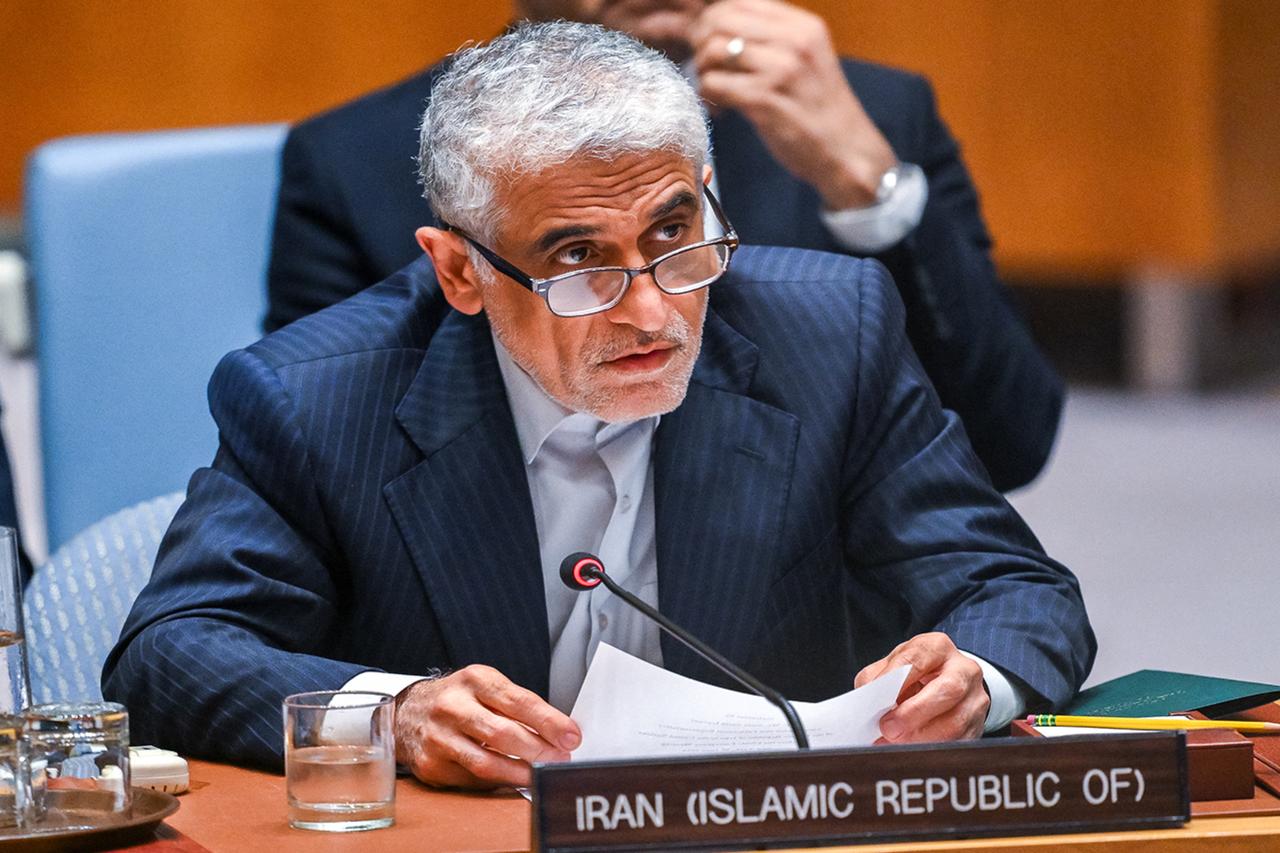
Speaking before the Security Council at a session focused on upholding the purposes and principles of the UN Charter, Dar said the crisis facing the international system stems not from an absence of principles but from their inconsistent application.
"When sovereignty is defended in one case and ignored in another, when occupation is condemned in one region but tolerated, even supported, in another, the UN Charter is weakened," Dar said. "When the Security Council's resolutions are applied selectively, justice is undermined."
Dar described the UN Charter as "sacred" and said its obligations bind all member states to support international peace and security. He expressed satisfaction at the Security Council's adoption in July 2025 of Resolution 2788, which addresses the strengthening of mechanisms for the peaceful settlement of disputes.
"This confirmed the powerful truth that diplomacy is not weakness, that dialogue does not mean concession, and that peaceful resolution is not a last resort," he said.
Pakistan, Dar noted, has consistently called for restraint, de-escalation, and a return to diplomacy following the military exchanges between the United States, Israel, and Iran. He said Islamabad continues to work toward peace and stability in the region alongside partners including Türkiye, China, Saudi Arabia, Egypt, and Qatar.

Dar drew a direct line between selective enforcement of international law and the unresolved Palestinian question, arguing that a durable peace in the Middle East cannot be achieved while occupation, collective punishment, forced displacement, and the seizure of Palestinian lands continue.
He reaffirmed Pakistan's unwavering support for a Palestinian state based on pre-1967 borders, and characterized conditions in Gaza and the West Bank as increasingly unstable.
"The crisis lies in selective application," Dar said, adding that when powerful states operate outside the law, the Council's credibility is shaken and smaller states begin to doubt that the Charter protects all nations equally.
Dar argued that a UN-centered international system can only be strengthened through consistency, justice, and respect for the rule of law, and warned that selectivity breeds insecurity and encourages unilateralism.
"Multilateralism cannot mean the management of global affairs by a handful of people," he said. "It must mean participation, voice, and dignity for everyone." Pakistan, he added, supports comprehensive reform to make the Security Council more representative, democratic, transparent, accountable, and effective.
Dar closed with a call for renewed commitment to the UN Charter, saying the world needs a Security Council that prevents wars rather than merely debating them, a multilateralism that protects the weak rather than simply accommodating the powerful, and a justice that is non-selective, a peace that is not temporary, and a rule of law that is not optional.


 Set as preferred source
 Set as preferred source


 1 min read
 1 min read