Newsletters


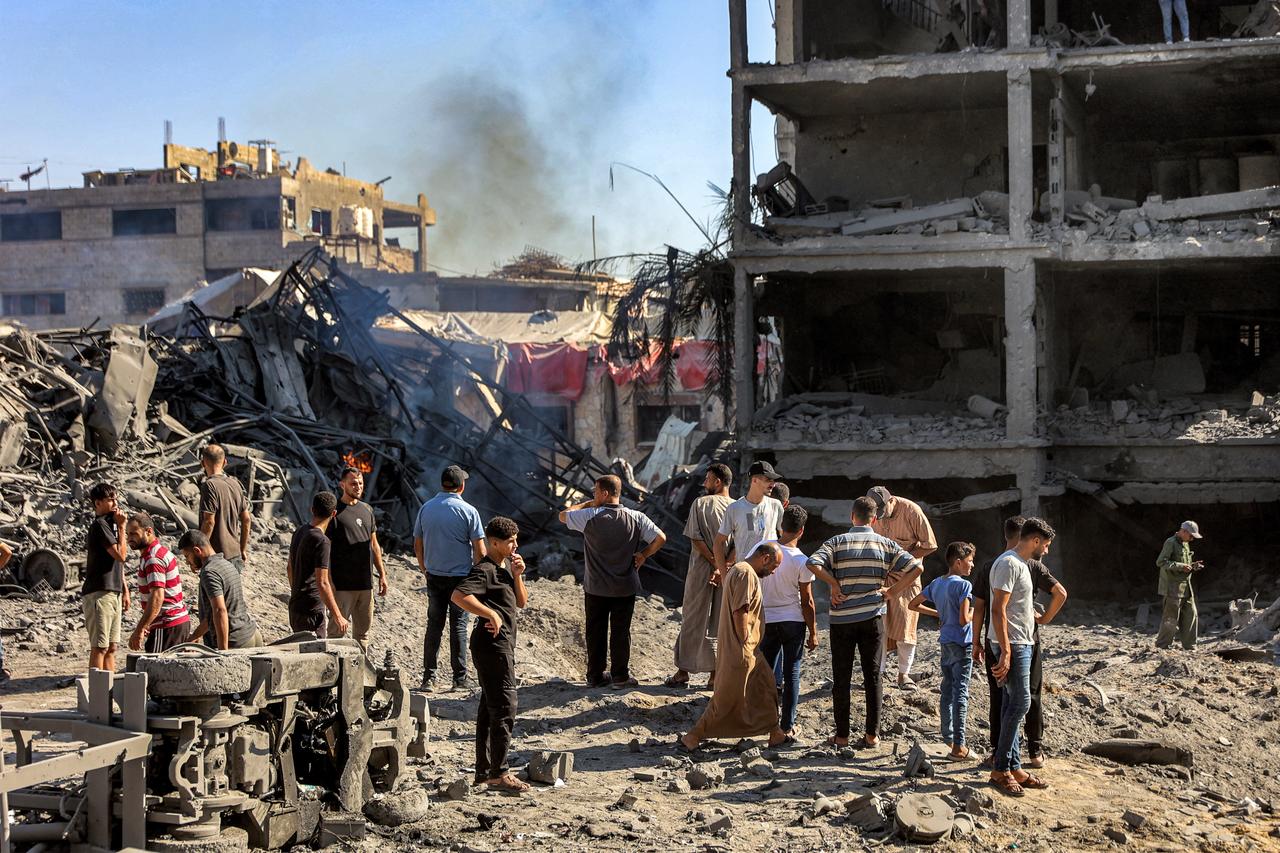


The Palestinian Authority and the Board of Peace discussed ways to speed up the restoration of basic services in the Gaza Strip and advance humanitarian relief and early recovery efforts before reconstruction begins, the National Committee for the Administration of Gaza said Wednesday.
The talks were held Monday during a meeting of the joint coordination office on the sidelines of the Ad Hoc Liaison Committee donor gathering in Brussels, according to the committee, known as the NCAG.
Palestinian Prime Minister Mohammad Mustafa, Board of Peace lead envoy for Gaza Nikolay Mladenov and NCAG chief Ali Shaath attended the meeting.
Other participants included NCAG Finance Commissioner Bashir Al-Rayyis, Palestinian Finance and Planning Minister Estephan Anton Salameh and the prime minister’s adviser, Omar Awadallah.

The participants reviewed ways to strengthen coordination between Palestinian and international partners and accelerate initiatives to restore essential services, expand humanitarian assistance and support early recovery in Gaza.
They also stressed the need for closer cooperation among national, regional and international stakeholders to provide a sustainable response to the needs of Gaza’s population.
Shaath said the NCAG was ready to immediately assume its responsibilities.
He called on the international community to turn political and financial pledges into concrete measures and effective funding to meet the humanitarian and development needs of about 2.2 million Palestinians in the Gaza Strip.
During the donor meeting, Shaath presented a comprehensive recovery program outlining a transition from emergency relief to early recovery and the restoration of essential public services.
Participants also announced the launch of the “Gaza Team” initiative.
The initiative brings together more than 12 donor countries, along with the European Investment Bank and the World Bank, and aims to mobilize about $1 billion for Gaza’s recovery program.
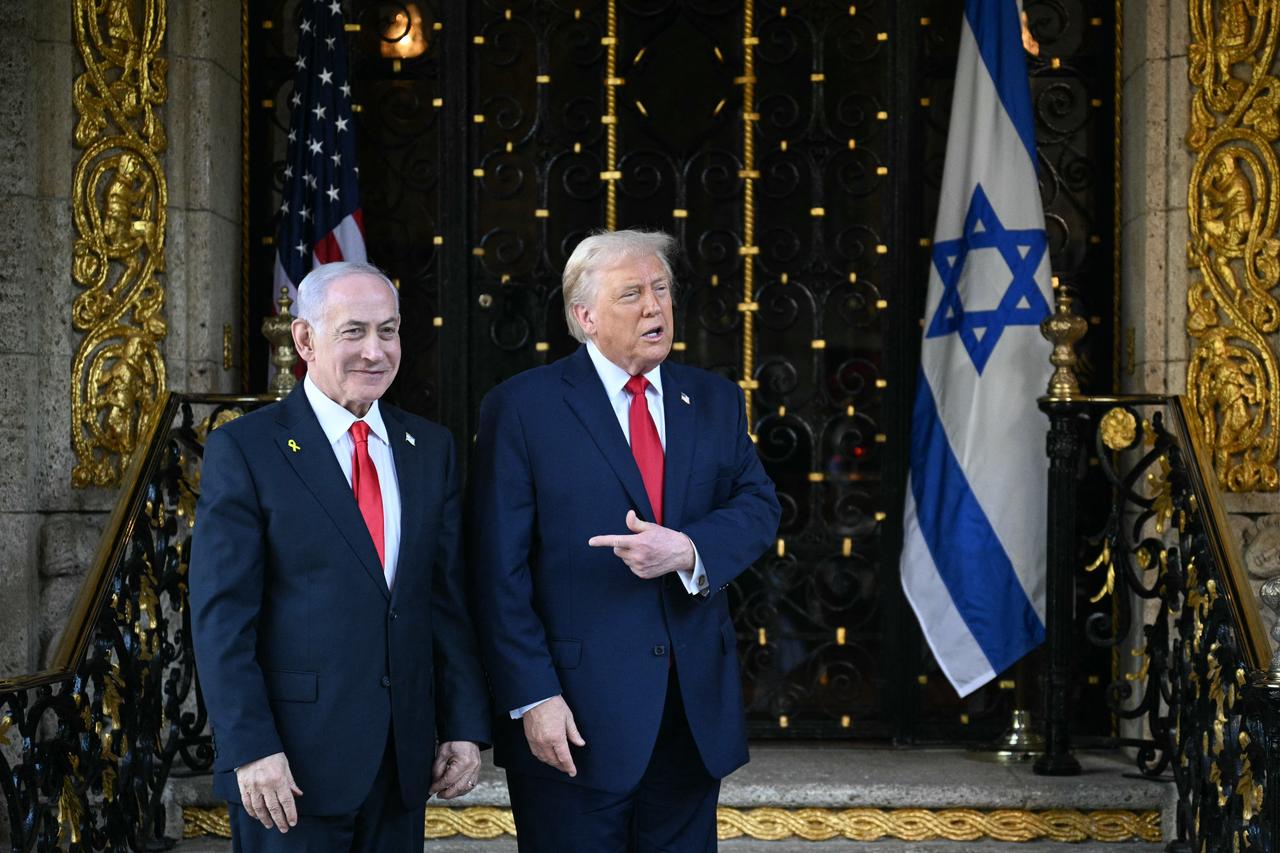
The NCAG is a transitional technocratic body established under U.N. Security Council Resolution 2803 and the 20-point peace plan proposed by U.S. President Donald Trump.
The committee held its first meeting in Cairo, Egypt, on Jan. 15, 2026.
The first phase of Trump’s plan included a ceasefire, a partial Israeli withdrawal, the release of the remaining Israeli hostages held in Gaza and the entry of 600 aid trucks.
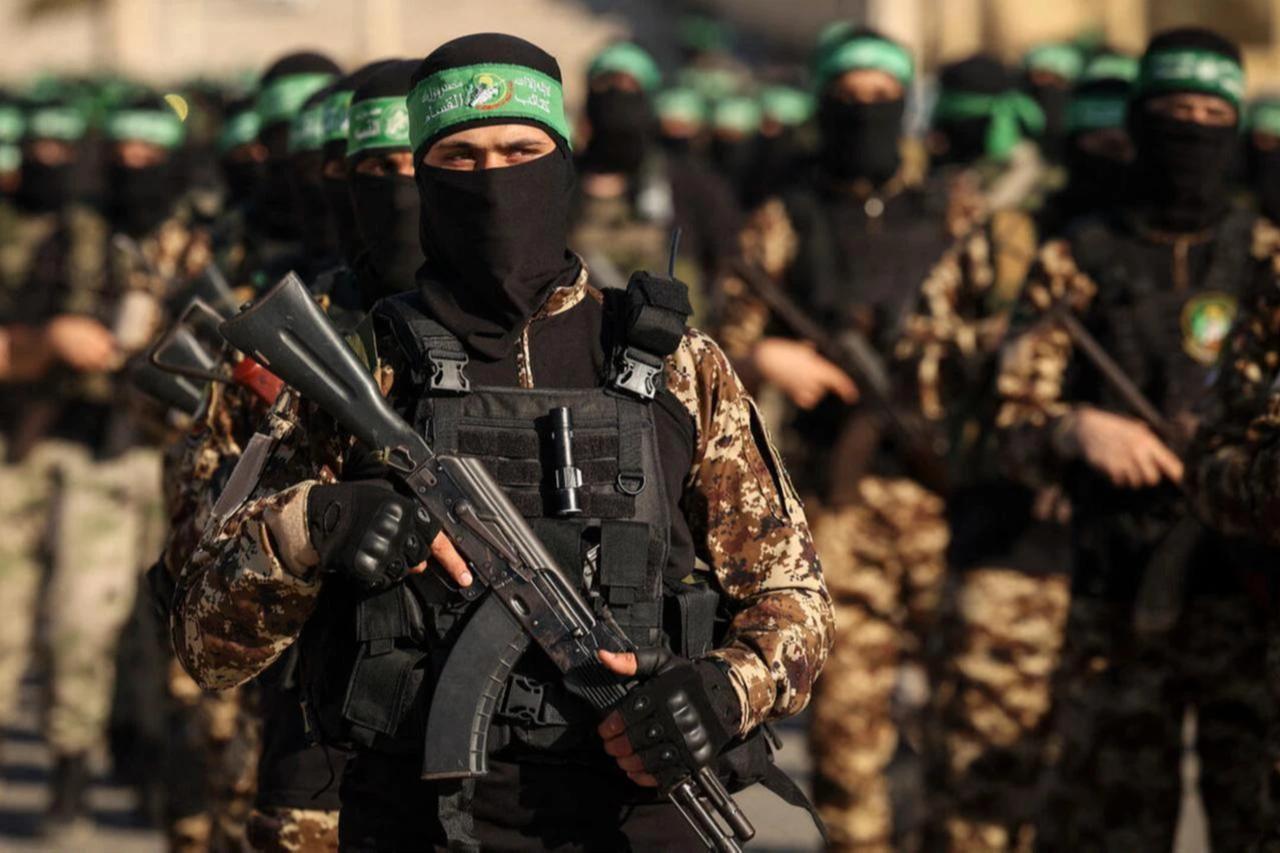
Hamas fulfilled its obligations under the first phase by releasing the Israeli prisoners, while Israel failed to meet its humanitarian commitments and continued its attacks, according to the information provided.
Since Oct. 10, 2025, those attacks have killed 1,123 Palestinians and injured 3,616 others.
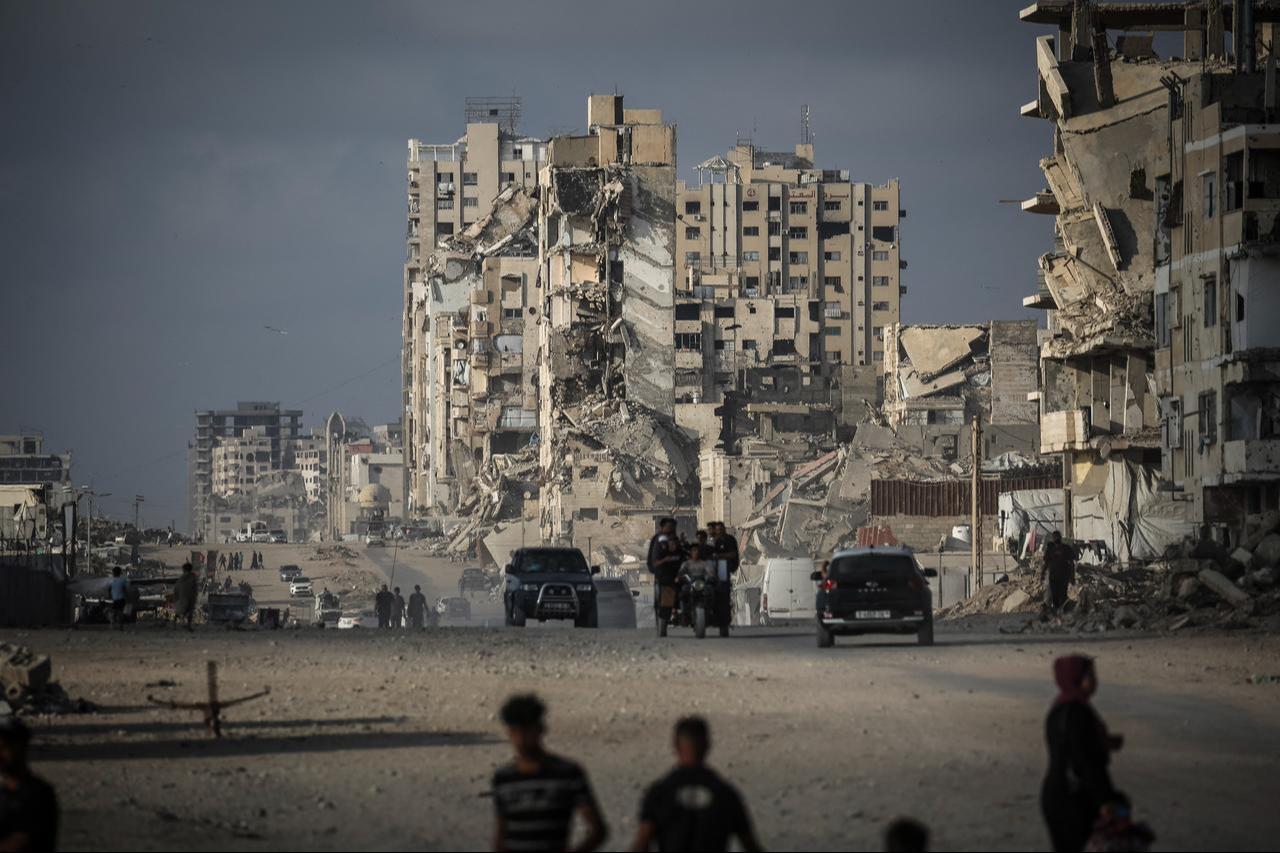
The second phase of the plan calls for a broader Israeli military withdrawal from Gaza and the beginning of reconstruction in exchange for the disarmament of Palestinian factions.
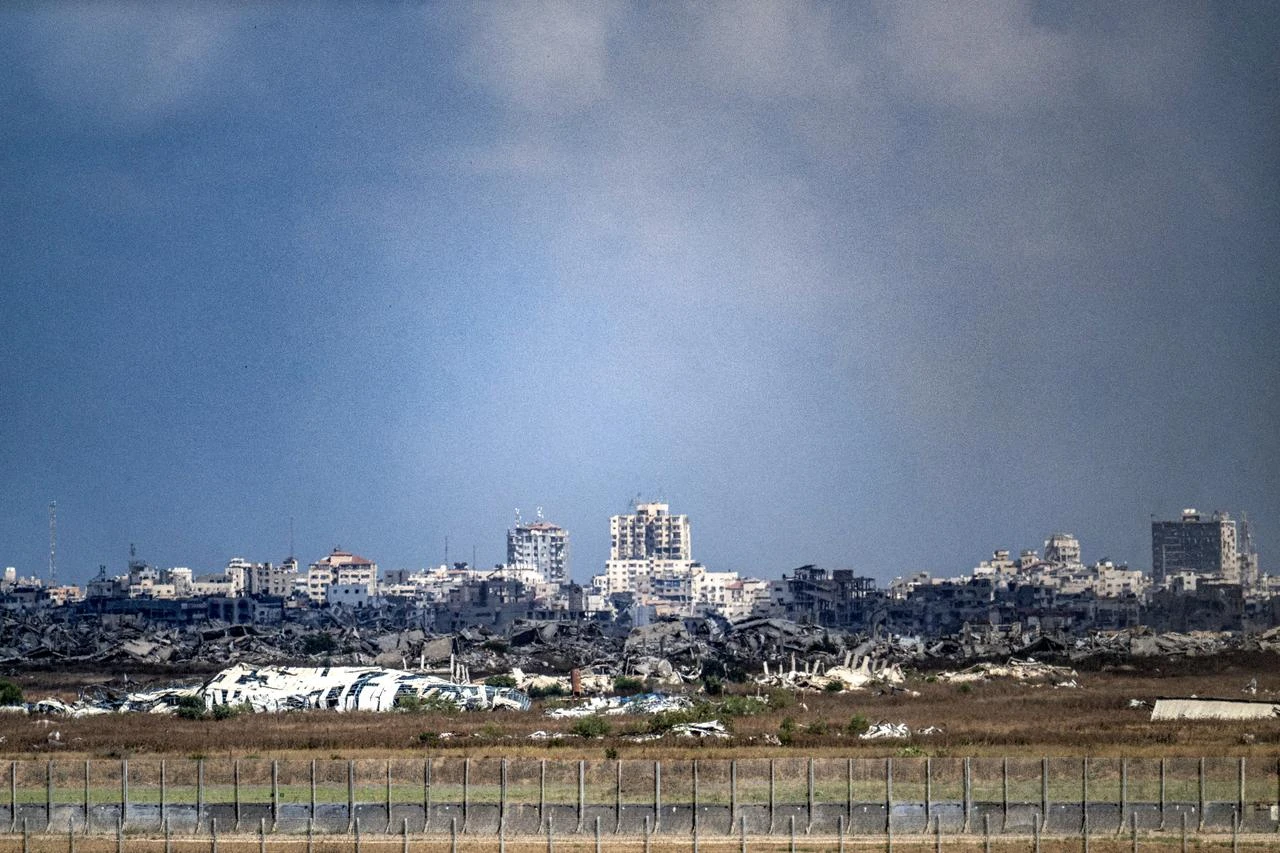
Israel still occupies more than 70% of the Gaza Strip and has not implemented the second phase, insisting that disarmament should be prioritized.
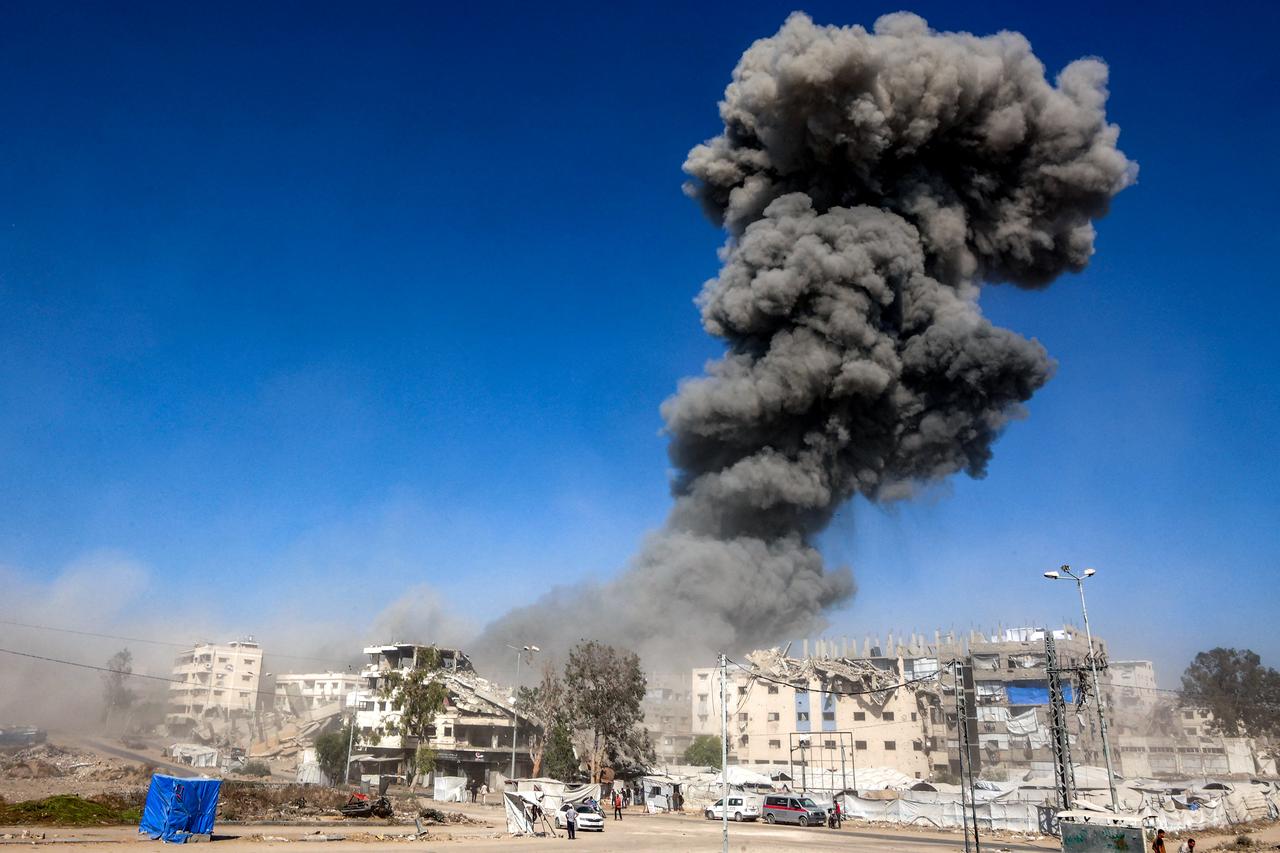
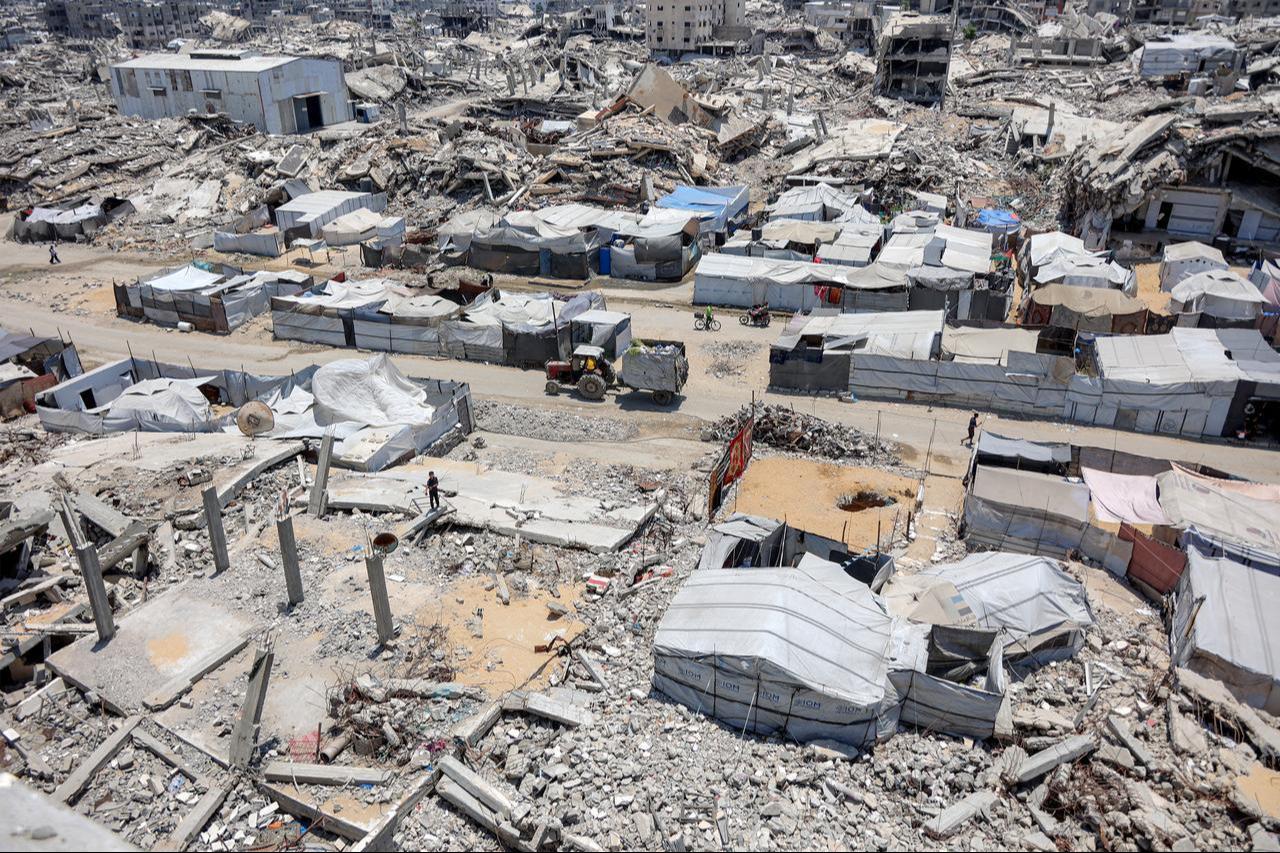
Gaza has suffered widespread destruction during Israel’s two-year offensive.
Since October 2023, more than 73,000 Palestinians have been killed, over 173,000 have been wounded and 90% of the enclave’s civilian infrastructure has been destroyed.


 Set as preferred source
 Set as preferred source


 1 min read
 1 min read